Three days is enough to see the best of Tenerife if you accept that you will not see all of it. The island is roughly ninety minutes of driving from end to end, and the trick is to group the sights by area so that you spend your time looking rather than driving. This plan puts the volcano on day one, the green north on day two and the south coast on day three, and it works whether you stay in the south, in Puerto de la Cruz or in La Laguna. If you have only two days, combine the first two. If you have four, add a boat day or a trip to La Gomera.
Before you go
Book the Teide cable car or a Teide tour first, because it is the one thing that is limited. The cable car can stop in high wind, ice or snow, so put it early in your stay and keep a spare day if you can. If you want to stand on the summit crater, apply for the free national park permit as soon as your dates are fixed, as places are limited. Siam Park tickets are dated, so look at the forecast before you commit. A hire car makes the north and the mountain roads much easier, although coach tours with pickups cover Teide and Masca if you prefer not to drive.
Day one: Teide
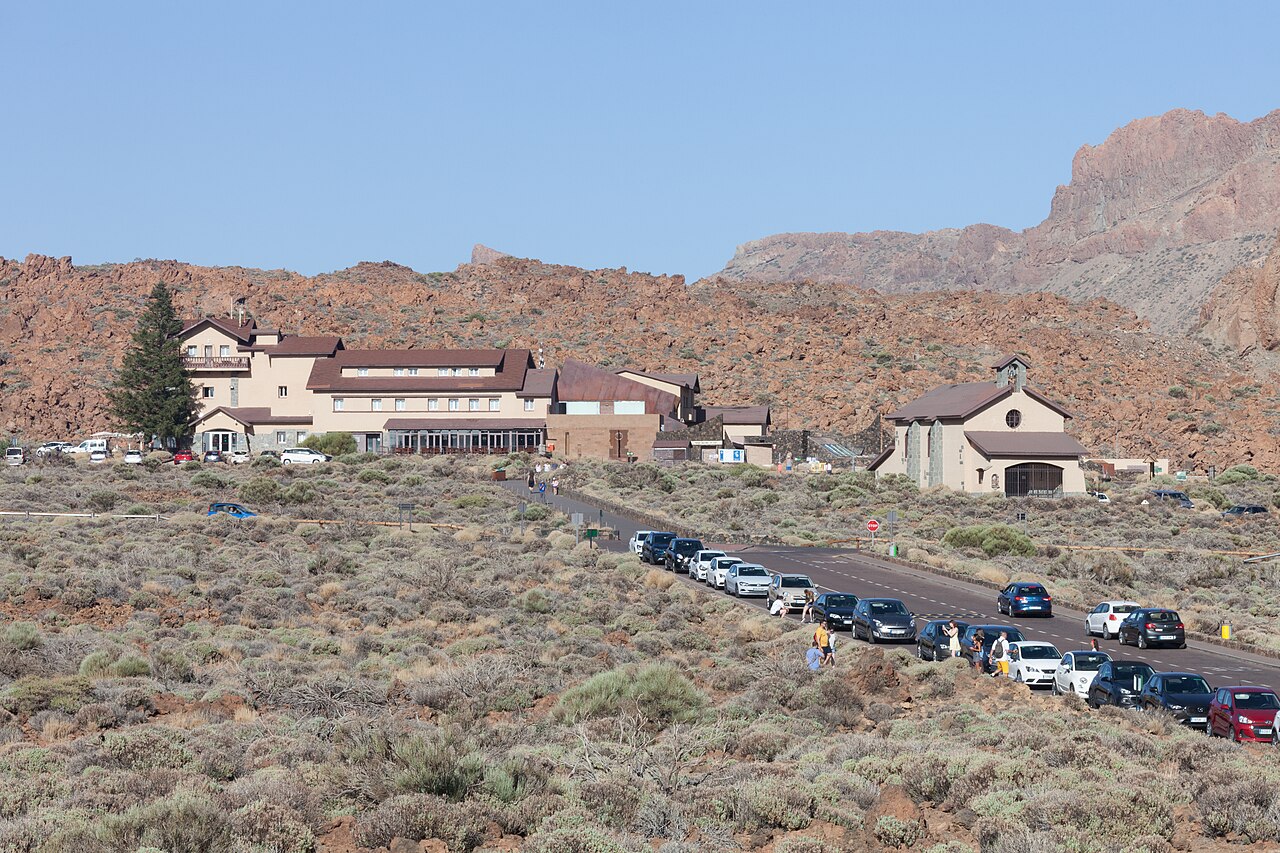
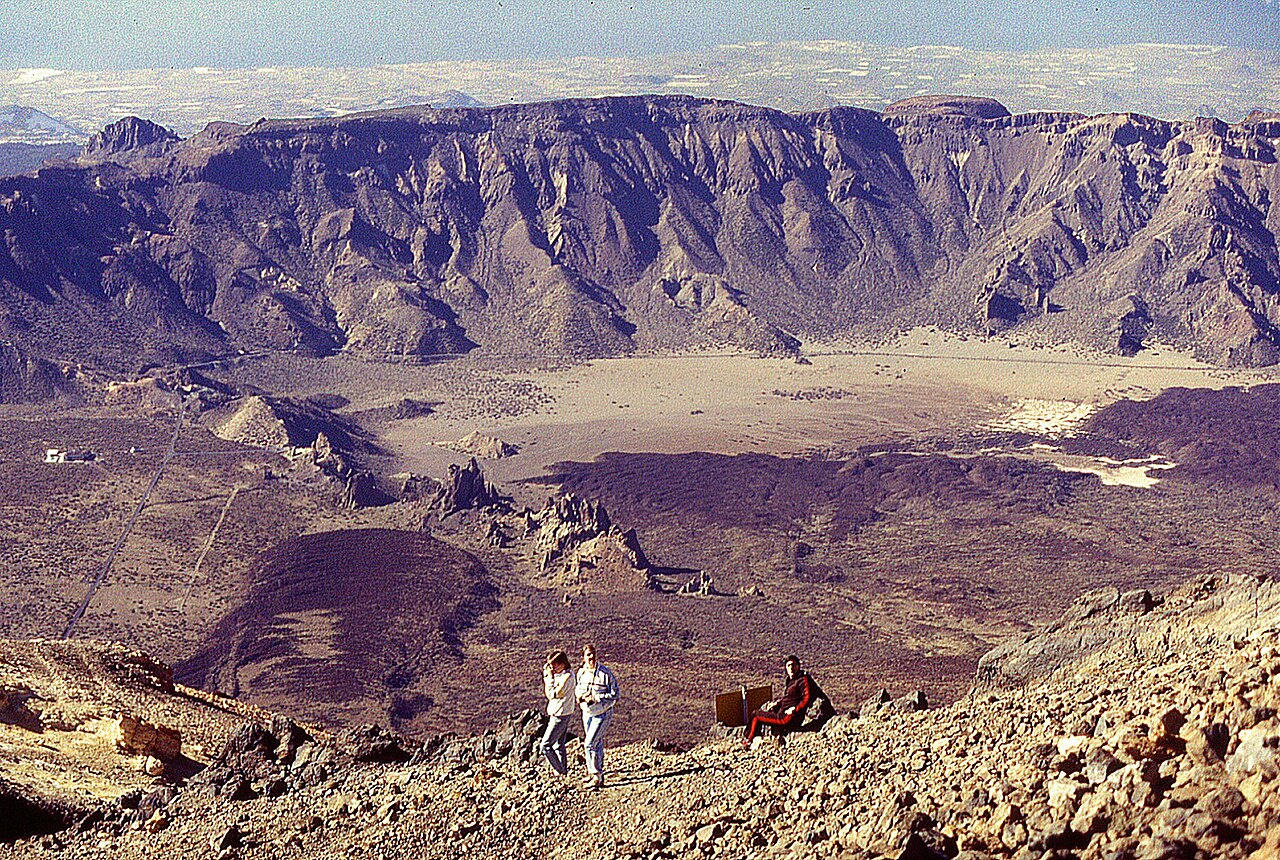
Start early, before the cloud builds and before the coach crowds arrive. Drive or take a tour into Teide National Park, a landscape of lava flows, pumice and rock towers, and stop at the Roques de García for the classic view of the mountain behind the rock formations. Ride the cable car to La Rambleta at 3,555 metres for the view over the crater and, on a clear day, the neighbouring islands. Walking at altitude is tiring, so go slowly, and bring warm layers, a hat and sunscreen. If you have the energy, add the daytime visit to the Teide Observatory, or return in the evening for sunset and stargazing, when the skies over the park are among the clearest in Europe. A Teide stargazing tour makes a memorable end to the day, and the Parador inside the park is the place to stay if you want to be there at dawn.
Day two: the north
Drive down to the green side of the island. Start with the dragon tree of Icod de los Vinos, a giant tree in its own garden that is many centuries old, then continue to the harbour of Garachico, rebuilt after a volcanic eruption in the early eighteenth century, with natural seawater pools among the lava rocks. In the afternoon, head to San Cristóbal de La Laguna, a World Heritage city of colonial streets, churches and student cafés that is pleasant to walk on a cool day. If Loro Parque appeals, it takes a good half-day on its own and replaces the old town. If you would rather hike, the laurel forests of the Anaga mountains are a half-day of misty trails above the coast, but check whether the route you want needs authorisation. End the day in Puerto de la Cruz for a stroll along the seafront and dinner.
Day three: the south coast
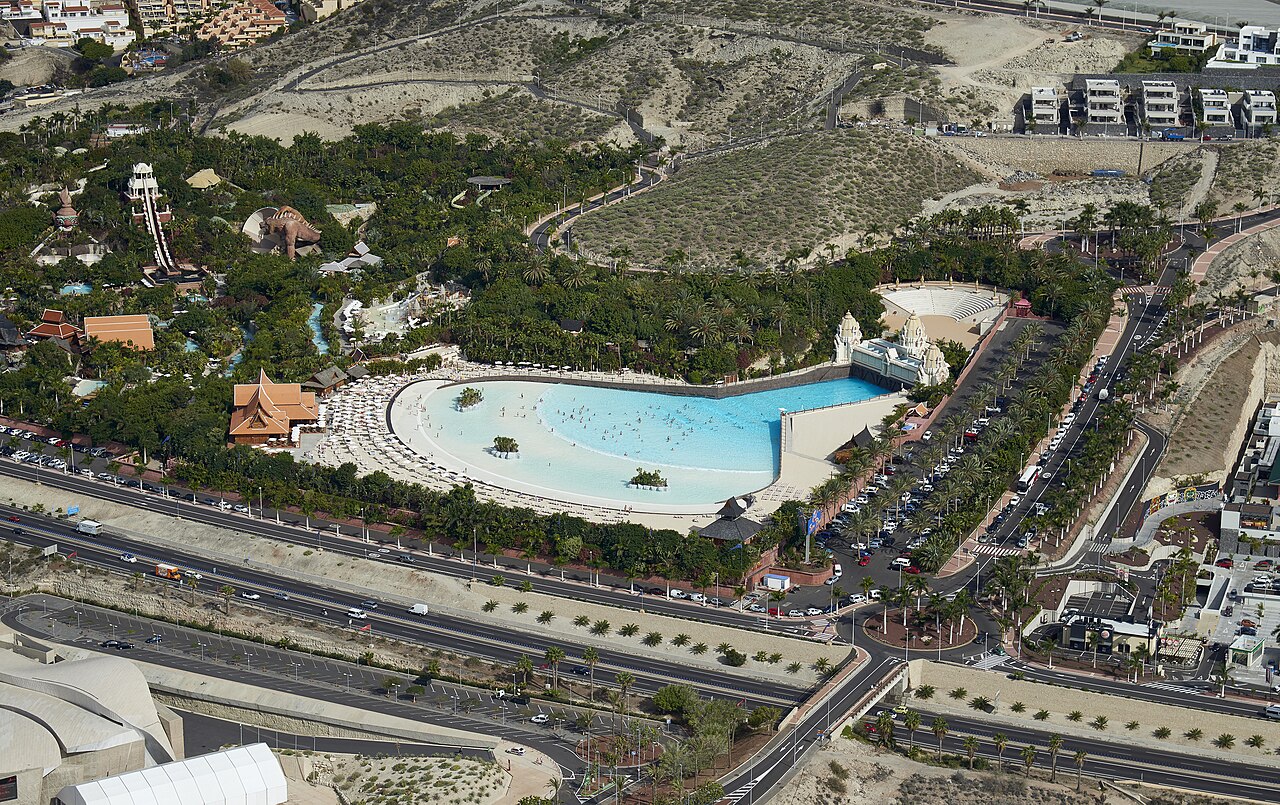
The sunny south is the place to relax, and the choices depend on your mood. For families, Siam Park is the headline, a big water park with slides and a wave pool that fills a day. For wildlife, a whale-watching trip from Puerto Colón sails between Tenerife and La Gomera, where pilot whales and dolphins live all year, and passes beneath the cliffs of Los Gigantes. For a quieter option, a kayak and snorkel safari looks for turtles along the coast. If you prefer a beach, Costa Adeje and Playa de las Américas have long promenades and golden sand, and the island’s best natural beach, Playa de Las Teresitas, is near Santa Cruz in the north-east. In the evening, walk the promenade in Costa Adeje for dinner by the sea.
If you only have a short time
Choose the Teide day and one coast day, and skip the north. If your priority is walking, swap day three for the Anaga mountains or a guided hike. If you prefer not to drive at all, base yourself in Costa Adeje or Playa de las Américas and use coach tours for Teide, Masca and La Gomera.
Practical tips
Tenerife has two airports, Tenerife South for the resorts and Tenerife North for La Laguna and the north. The motorways along both coasts are quick, but mountain roads are slow, so allow extra time. The weather changes with altitude and side of the island, so pack layers. The currency is the euro, and prices change by season, so check them before you go.