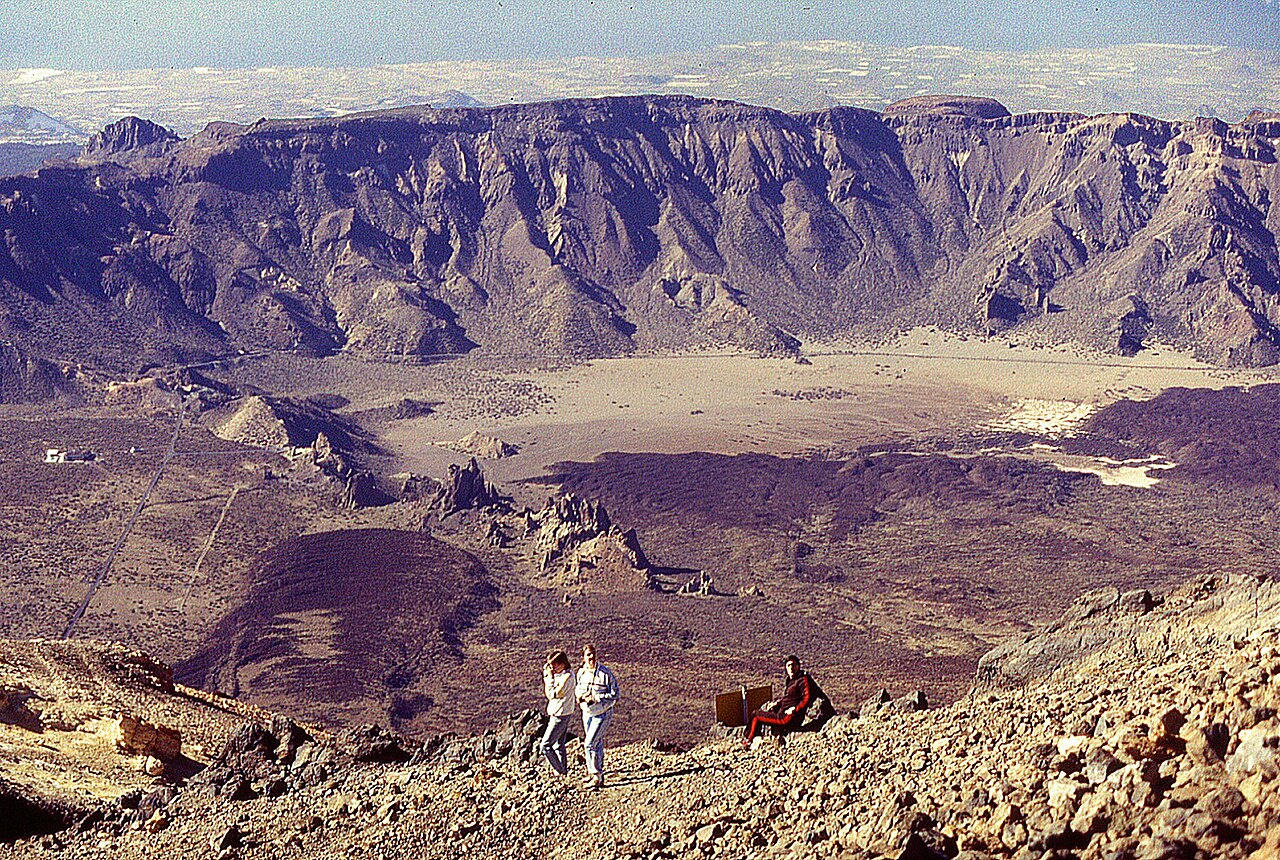
Tenerife is often called the island of eternal spring, and the description is not far wrong, because the climate is mild all year. But the island has many climates in one, and the best time to visit depends on where you are going and what you want to do. The south is dry and sunny nearly all the time, the north is greener and cloudier, and the summit of Teide has real seasons, with snow in winter. This guide explains the pattern by season so you can match your dates to your plans.
How the island works
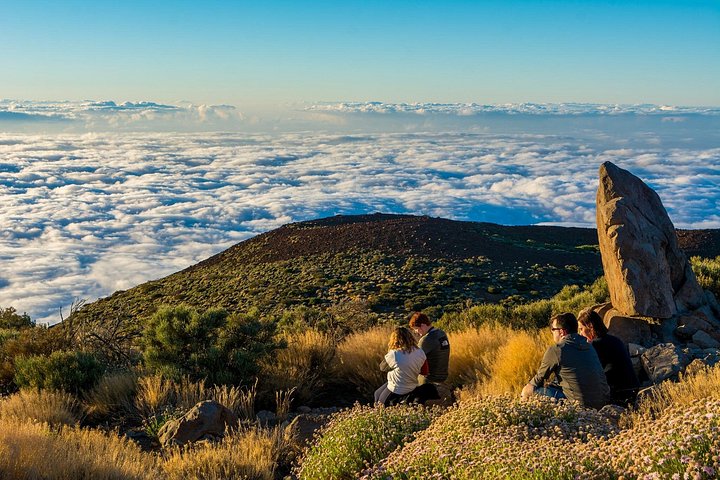
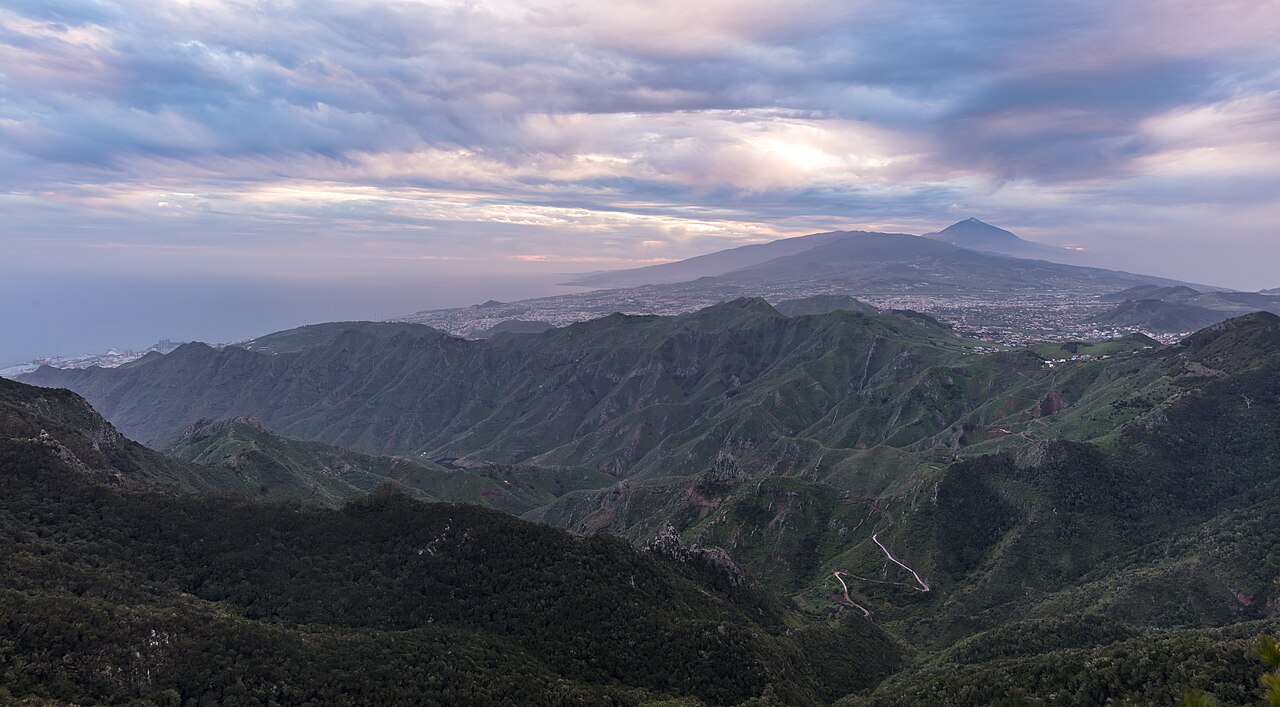
Trade winds from the north-east bring cloud against the northern slopes, which keeps the north green and cooler, while the mountains block much of it from the south. A band of cloud often sits at middle height on the island, so on a cloudy day in the north it is common to drive up through the cloud and find clear sky above, and the same is true on the way to Teide. The south coast has the most sunshine, and the beach resorts are concentrated there for that reason. The temperature falls as you climb, and the summit area of Teide can be near or below freezing in winter.
Winter (December to February)
Winter is high season in the south, when visitors from northern Europe come for mild, sunny weather and the beaches are comfortable for most people, although the sea is cool. The north is cooler and showery, with more cloud. Teide can have snow, which makes the park beautiful but also leads to closures of the cable car and some roads in snow, ice or high wind, so build flexibility into your plans. Book accommodation early for Christmas and New Year. February brings the Carnival of Santa Cruz, one of the biggest street carnivals in the world, and the capital is crowded and festive then.
Spring (March to May)
Spring is one of the best times to visit. The weather warms, the island is green after winter rains, wildflowers bloom on the slopes of the national park in the spring and the crowds are lighter outside the Easter week. It is a good time for hiking in Anaga and on Teide, for visiting gardens and for combining sightseeing with beach days. Easter week is busy and some places book out, so reserve ahead.
Summer (June to September)
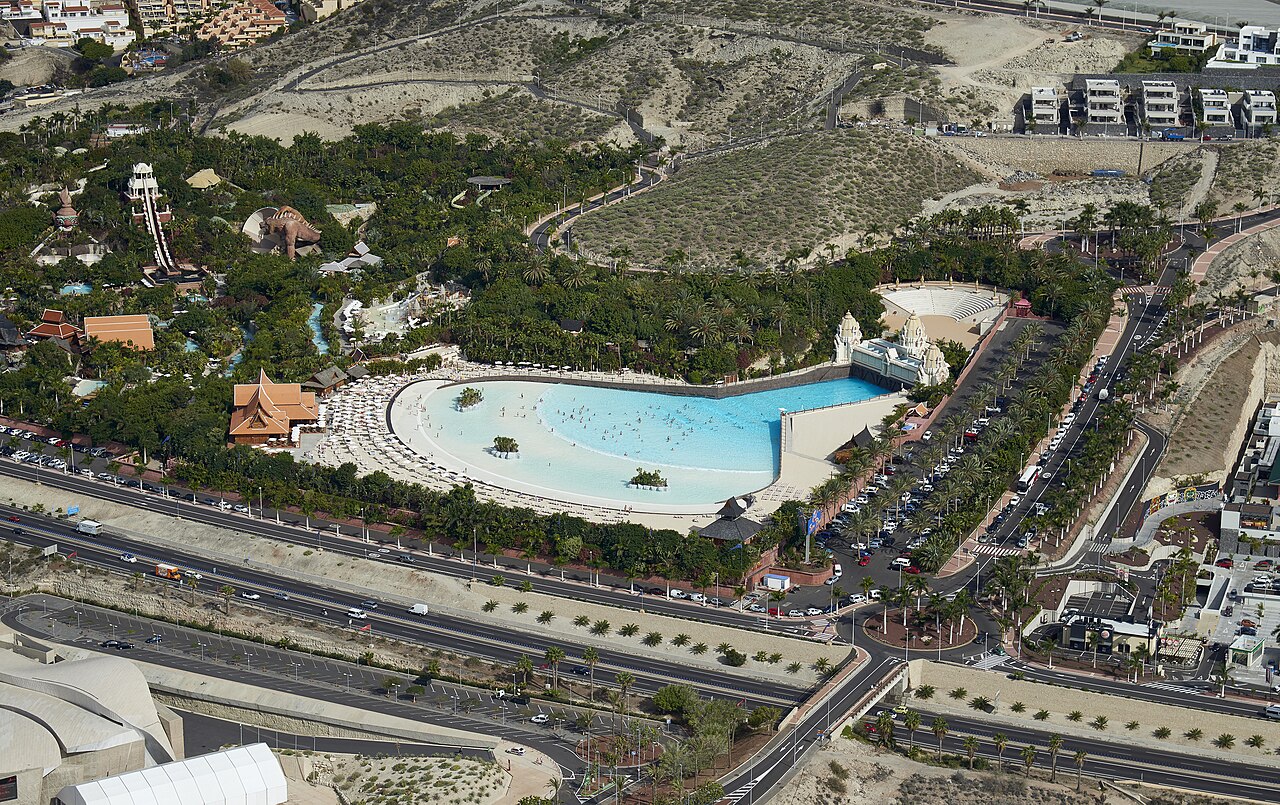
Summer is hot and dry in the south, with reliable sun and the warmest sea, which suits beach holidays, boat trips and Siam Park. The north is milder and more comfortable for sightseeing than the south, and the high ground of Teide is pleasant by day while still cold at night. From time to time, a hot, dusty wind from the Sahara, known as the calima, can bring haze and high temperatures for a few days. July and August are busy with Spanish holidaymakers as well as international visitors, so book ahead. Summer nights are good for stargazing, and the Milky Way is at its best in the warm months.
Autumn (October and November)
Autumn is quieter and the sea is still warm. Some showers return, mainly in the north, and the weather is mixed on the mountain. It is a good time for value, for the wine season in the north and for walking, with the first guachinches opening for the new wine. Check forecasts for Teide before committing to the cable car.
Wildlife and activities by season
Pilot whales and bottlenose dolphins live in the strait between Tenerife and La Gomera throughout the year, so whale watching works in every season, and other species pass through at times. Stargazing is possible all year, depending on cloud, and the new moon gives the darkest skies. Surfing waves are bigger in winter and smaller in summer, and the sea for swimming is warmest in late summer and early autumn.
Choosing your dates
For beaches and heat, choose summer and early autumn. For hiking, gardens and fewer crowds, choose spring. For winter sun and a short flight from northern Europe, December to February works, but expect higher prices and book early. Whatever the month, pack layers, since you can go from beach to freezing summit in an hour, and keep one spare day in your plans in case of poor weather on Teide.