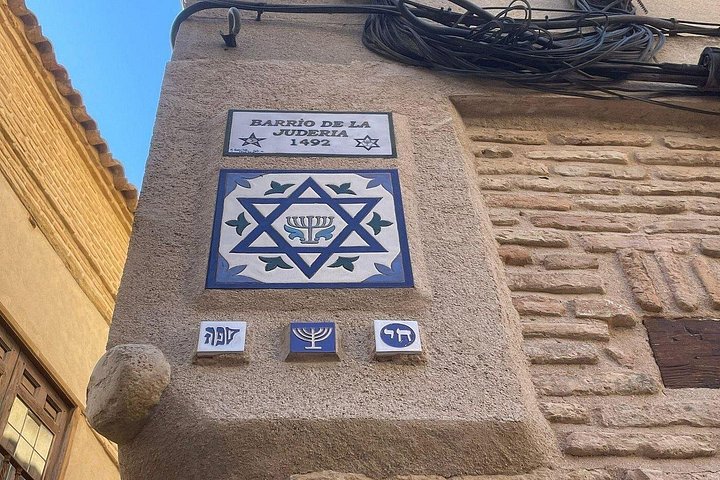
Toledo is often called the city of three cultures, a phrase that appears on tourist maps and in school books. Behind the slogan is a real and complicated history. For several centuries Christians, Muslims and Jews lived together, worked together and sometimes fought each other in the same few streets, and the buildings they left behind make Toledo one of the best places in Europe to see how such a mixture looked.
Roman and Visigothic foundations
Toledo was a Roman town and later the capital of the Visigothic kingdom, whose kings held church councils here. The city's role as a religious center began then, and the idea that Toledo was the heart of Christian Iberia never entirely left it. You will find reused columns and carved stones in later buildings, a quiet reminder of how each culture built on the last.
Muslim Toledo
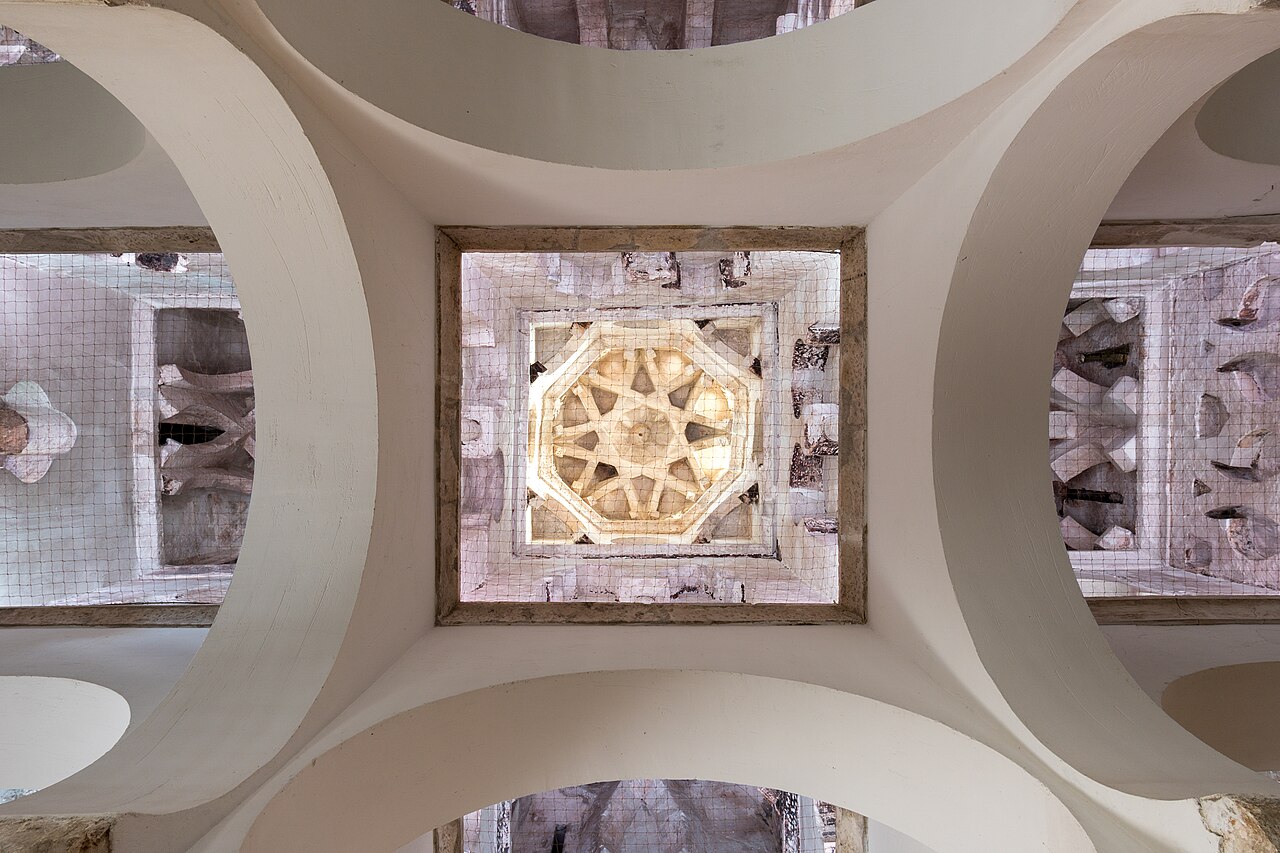
After 711 the city passed into Muslim hands and became a frontier town of Al-Andalus. The tenth-century mosque of Cristo de la Luz survives from this period, with its nine small vaults and brick arches. Moorish craftsmanship also shaped the city's metalwork, and the damascene tradition of gold inlay on steel remains a local craft today. Under the taifa kingdom of Toledo in the eleventh century, scholars flourished, and the city became known for astronomy and mathematics.
Christian conquest and coexistence
In 1085 Alfonso VI took Toledo, and the city became the capital of Castile. The conquest did not erase the earlier communities. Muslims and Jews continued to live here for generations, and Christian rulers were sometimes more tolerant than later centuries would allow. Mudejar style, the work of Muslim craftsmen in Christian buildings, spread across churches, towers and gates, which is why so many Toledo bell towers look as if they might once have been minarets.
The Jewish community
Jews in Toledo served as physicians, translators, financiers and advisers to kings. The synagogues of Santa Maria la Blanca and El Transito show the quality of their patronage. Their decoration, with horseshoe arches, plaster arabesques and Hebrew inscriptions, reveals shared craft traditions across religions. The community suffered pogroms in 1391 and was expelled with the rest of Spain's Jews in 1492. Today the Sephardic Museum tells that story with objects and records.
The translators
Medieval Toledo is famous for its translation efforts. Scholars of several faiths worked to render Arabic and Greek texts into Latin and Castilian, passing knowledge on mathematics, medicine and philosophy to northern Europe. Do not imagine a single institution with a neat name; the reality was a changing network of patrons, teachers and translators. It is nonetheless one of the reasons Toledo matters in the history of ideas.
Reading the city as you walk
A few habits will help. Look at the bell towers, where brick patterns and blind arches reveal Mudejar workmanship. Look at the doorways in the old quarter, where small grooves or marks may indicate a former mezuzah. Look at the reused stones in walls and bridges. Visit a synagogue, a church and the mosque in the same day and compare the interiors. The differences are clear, but so are the shared techniques.
A note on nuance
Popular accounts sometimes present medieval Toledo as an ideal of harmony. The record is more mixed: there were periods of cooperation and periods of violence, and political power was always held by one group at the expense of others. Good guides tell both sides, which is another reason to take a guided walk through the Jewish Quarter and the monuments.
Art and craft across cultures
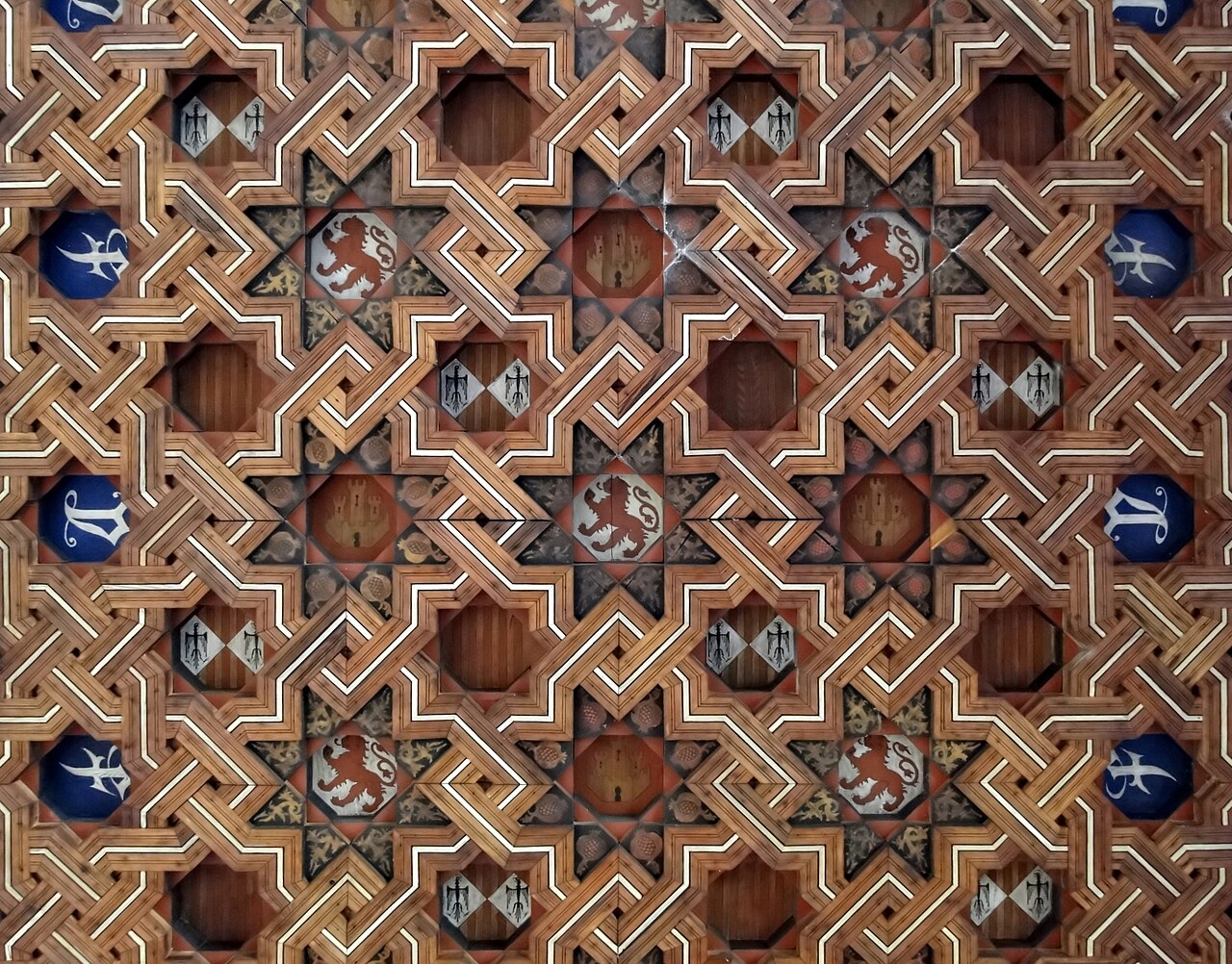
The same pattern appears in Toledo's craftsmanship. Damascene work, in which gold and silver are hammered into dark steel, grew from Islamic techniques and is still sold in workshops around town. Mudejar wooden ceilings, carved plasterwork and glazed tiles show Muslim artisans working for Christian and Jewish clients. Even El Greco, a Greek-born painter in a Catholic city, fits the pattern of Toledo as a place where outsiders found patrons and made something new. Look for these crossovers as you move between monuments, and ask guides to point out examples you might miss.
Practical route for a half day
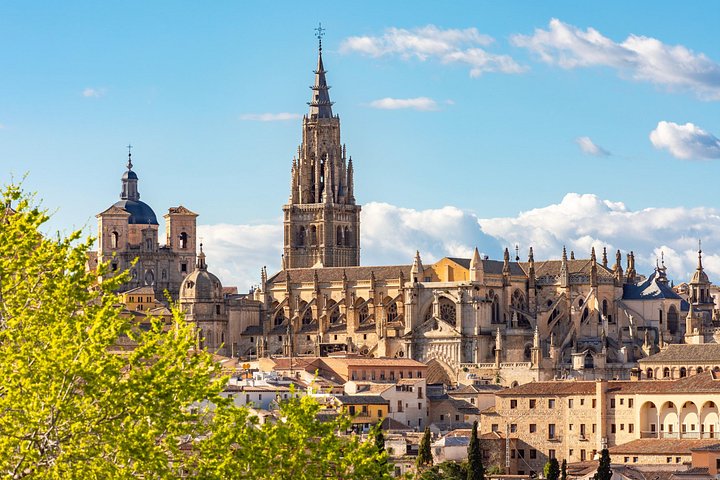
Begin at Cristo de la Luz in the morning, cross to the Jewish Quarter for Santa Maria la Blanca and El Transito, then walk to the cathedral after lunch. The sequence follows the chronology from Muslim Toledo through the Jewish golden age to the Christian monumental city. Allow time for breaks, and consider a guided walk for the lanes between the sights, where signs are few and stories are many. Comfortable shoes and a sense of curiosity are the only equipment you need.
Where to start
If you only have a few hours, start with Santa Maria la Blanca and El Transito for the Jewish story, Cristo de la Luz for the Muslim story, and the cathedral for the Christian story. Add San Juan de los Reyes to see how a late medieval monarchy chose to present itself. Together they form a compact tour of the cultural layers that make Toledo what it is.