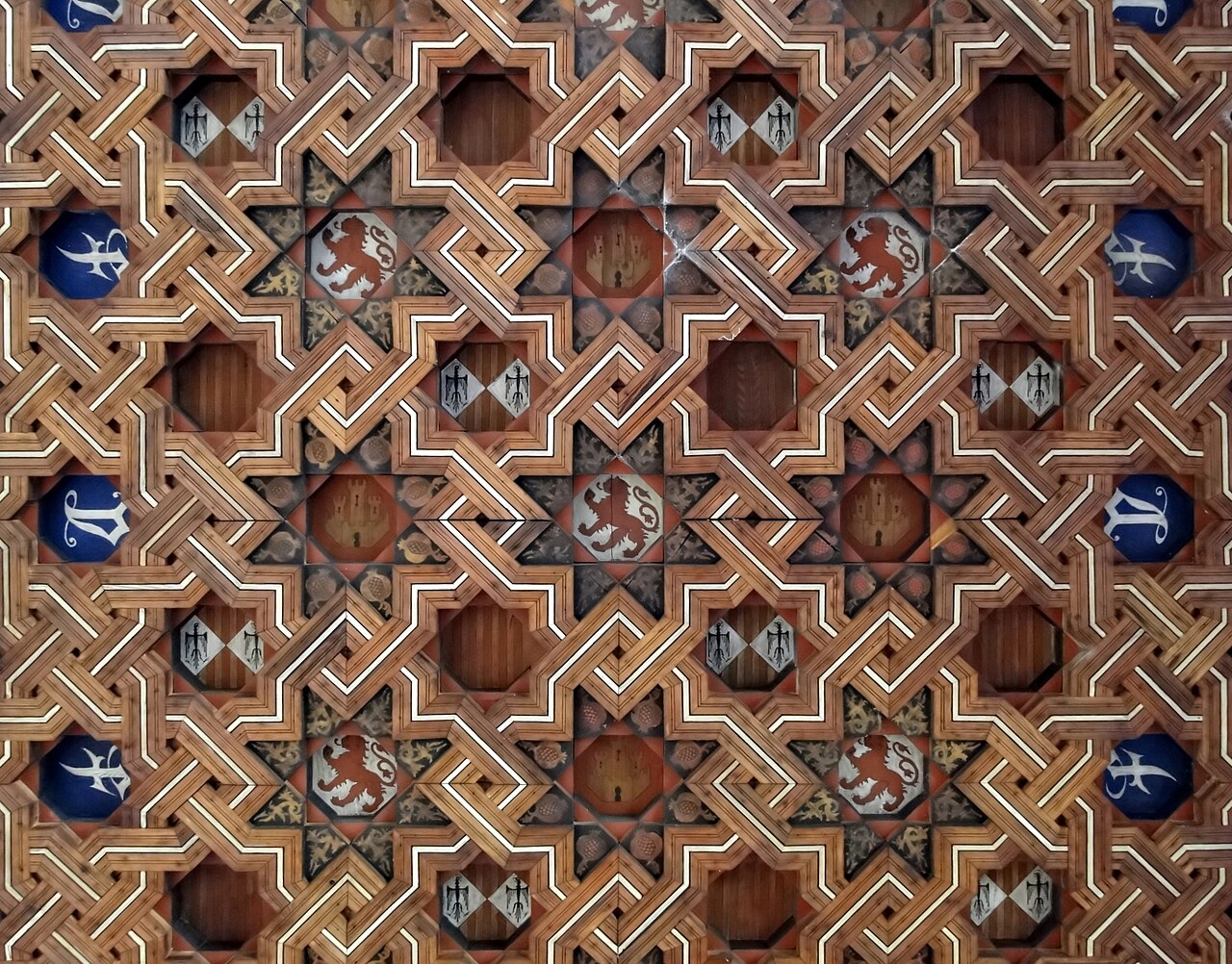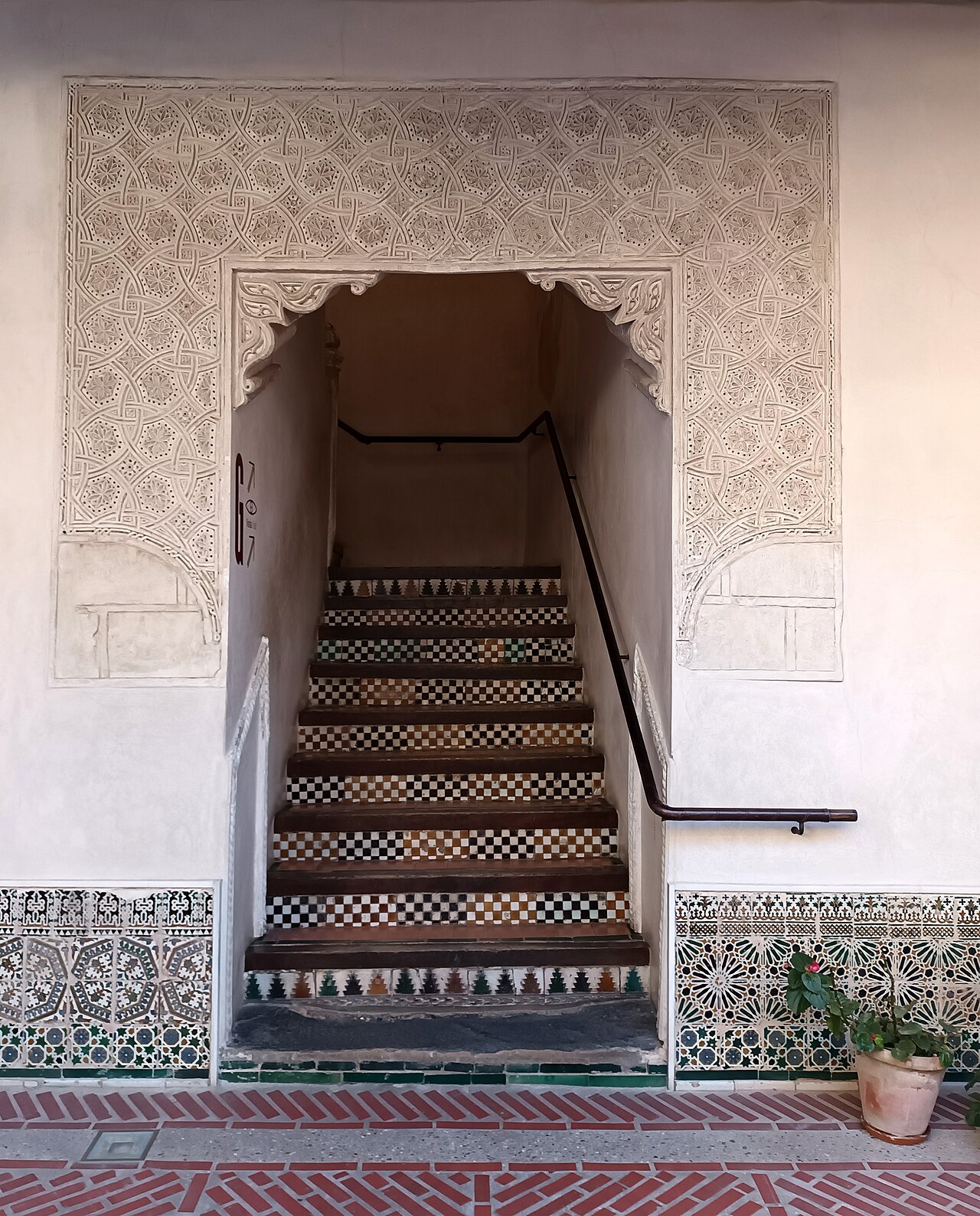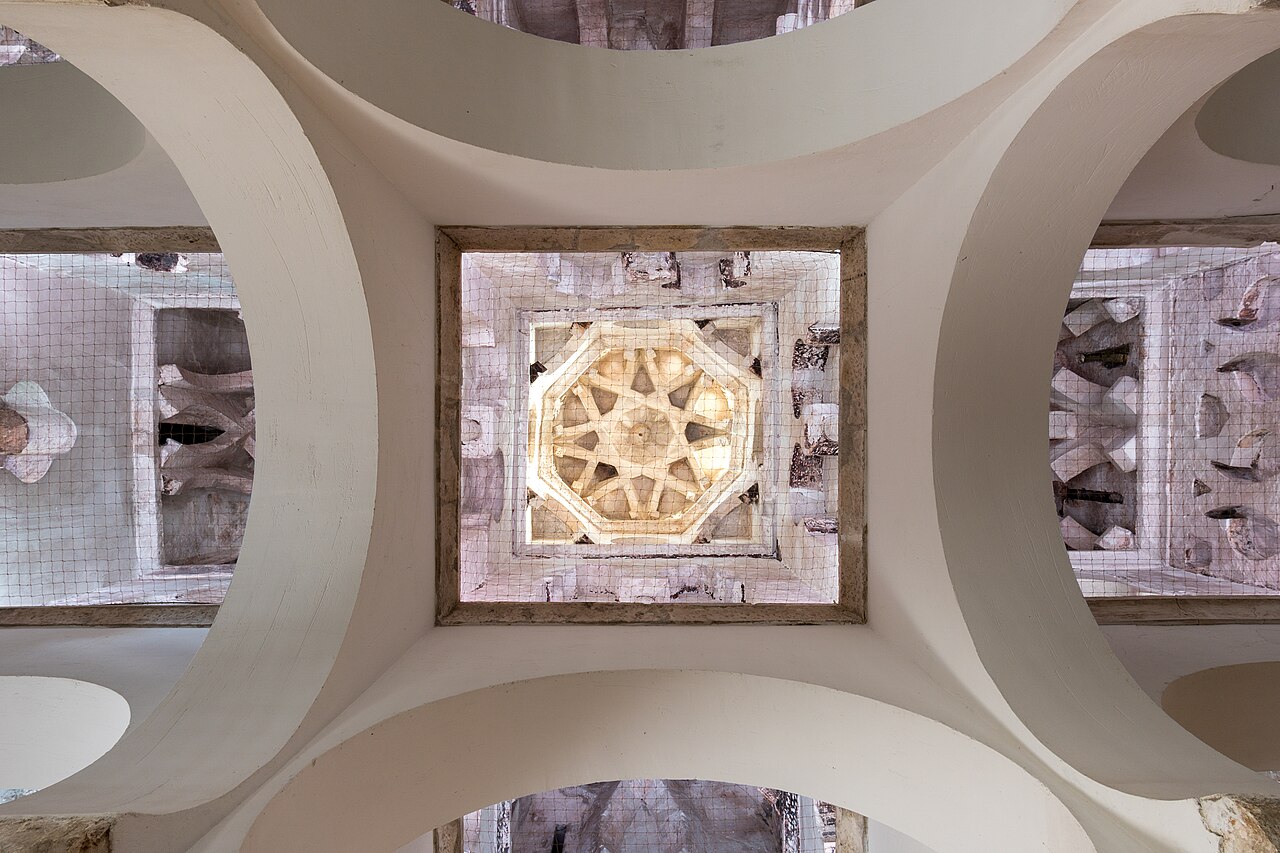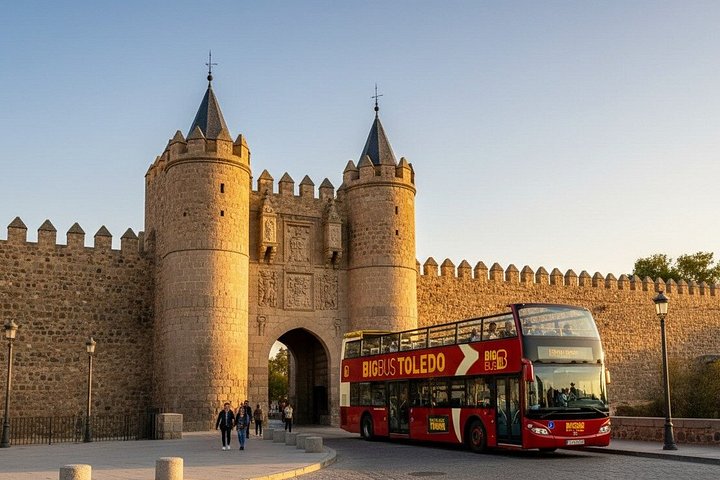
For centuries Toledo was home to one of the most important Jewish communities in Europe, and its quarter in the west of the old town is still one of the best places in Spain to read that history in stone. A guided walk is the most efficient way to do it, because the lanes are narrow, signs are sparse, and the stories behind the buildings are what make them come alive. The walk typically centers on the synagogue of Santa Maria la Blanca, built in the late twelfth century in a style that any visitor will first mistake for a mosque. Inside, twenty-four octagonal pillars carry rows of white horseshoe arches under a plain wooden roof, a space of light and calm that reflects the Almohad craft traditions of the builders. The building passed from a synagogue to a church in the early fifteenth century and later served many uses, and today it is preserved as a monument. A walking tour also usually passes the former Judería gates, the site of other lost synagogues, and the lanes that lead toward the Sephardic Museum in the El Transito synagogue, explaining how Jews, Muslims and Christians worked, traded and sometimes clashed in the same few streets.
What makes a guided visit worthwhile is context. Toledo's three cultures are often reduced to a slogan, but the real story is more textured: Jewish scholars and translators worked alongside Muslim and Christian colleagues in the city's famous translation schools, carrying Greek and Arabic science into Latin and, eventually, the rest of Europe. Jewish financiers advised kings, built synagogues of their own, and also suffered pogroms, forced conversion and finally expulsion in 1492.
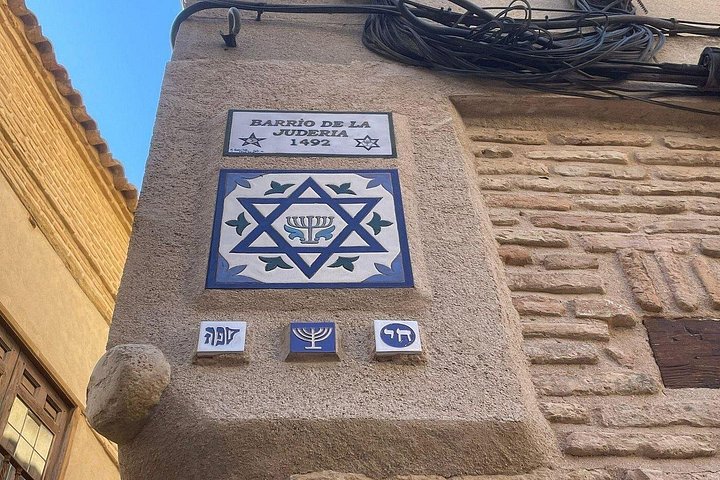
A guide will weave these threads together as you move from corner to corner, and will point out details you would walk past alone: a Star of David carved into a doorway, a stone inscription in Hebrew, a house with a second-floor hiding place.
Walking tours of this kind are short, friendly and usually run in small groups, which makes them a good option for first-time visitors. Wear comfortable shoes; Toledo is steep, and the lanes can be uneven. Expect a pace that allows photos and questions, and bring water in warm months, because shade is patchy in summer. Santa Maria la Blanca itself is small, so the time inside is brief, but the building leaves a lasting impression, especially if you visit at a quiet moment when the light falls across the arches.
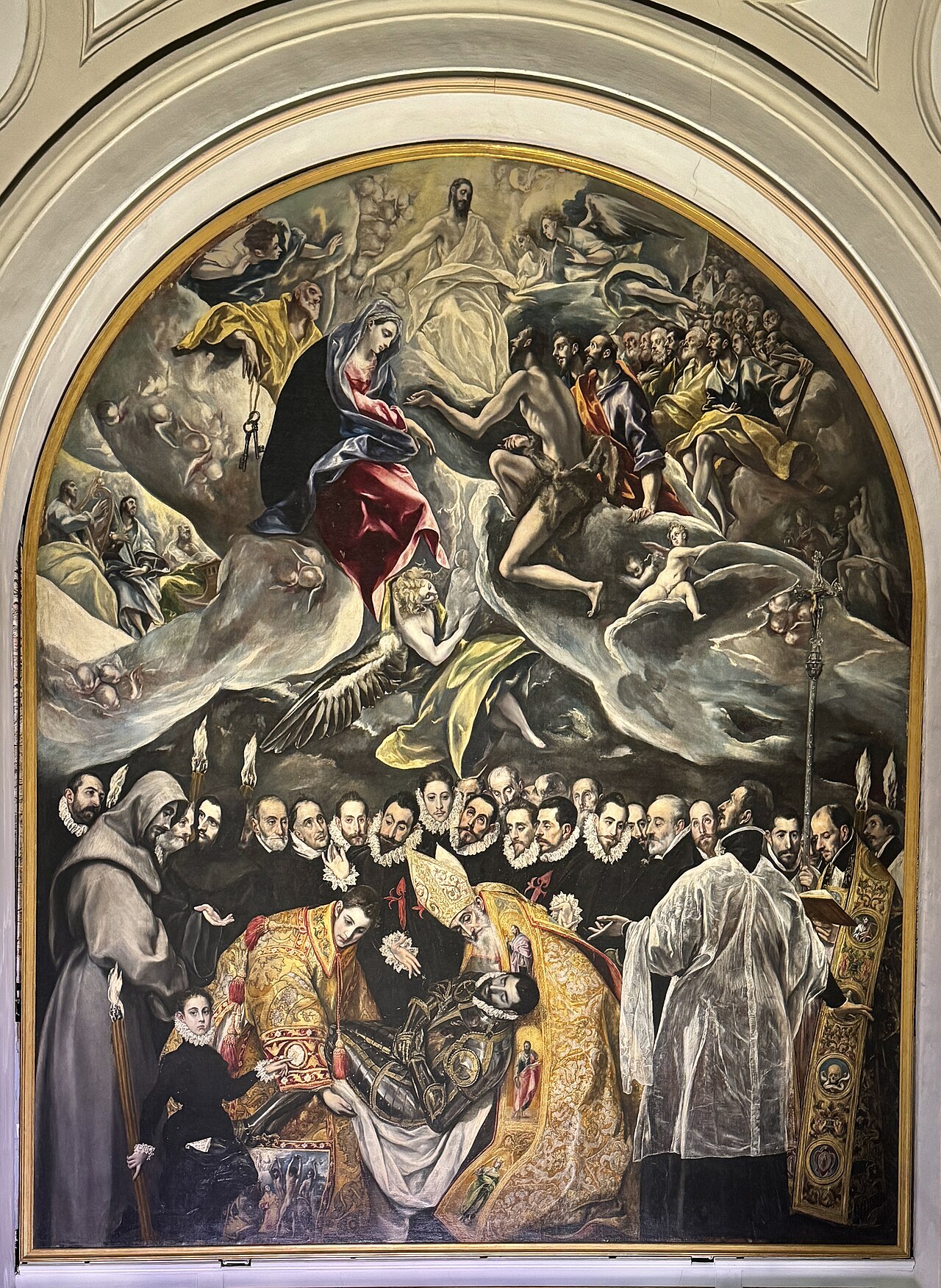
Plan this walk alongside the Sephardic Museum and Santo Tome, which both sit within a few minutes of each other, and finish near San Juan de los Reyes at the western edge of the city. If you want a deeper dive, private guides can customize the route around family history, Hebrew inscriptions, or the architecture of the medieval synagogues. Either way, the quarter rewards unhurried exploration. Late afternoon, when day groups have left, is often the loveliest time to wander its quieter corners.
What to expect
The experience
A small-group guided walk through the Judería lanes, with the synagogue of Santa Maria la Blanca as the main stop and stories of the medieval community along the way.
Best time
Morning or late afternoon, when the lanes are cooler and quieter.
How long
Around two hours including the synagogue stop.
Tips
Wear sturdy shoes for cobbles and slopes. Bring water in summer. Ask the guide to point out carved Hebrew details on doorways.
Quick picks
- Best for
- Anyone curious about how Toledo's Jewish, Muslim and Christian communities shaped the city.
- Families
- Best for older children; the pace is gentle but the history is detailed.
- Couples
- A quiet, atmospheric start to the day before the crowds.
- Pair with
- The Sephardic Museum and Santo Tome, both a few minutes away.
- Time needed
- Two hours, plus museum time if you continue.
Good questions
What is Santa Maria la Blanca?+
A twelfth-century synagogue with horseshoe arches and octagonal pillars, later a church, now preserved as a monument.
Why is it called the Jewish Quarter?+
The area around it, the Juderia, housed Toledo's Jewish community until the expulsion of 1492.
Do I need a guide?+
You can visit independently, but a guide supplies context that signs rarely give, especially on the lanes between sites.
Is the tour accessible?+
The old town is hilly with cobbled lanes, so mobility is limited. Ask the operator about options.
Can I combine it with the Sephardic Museum?+
Yes, the museum is in the nearby El Transito synagogue and fits easily into the same morning.