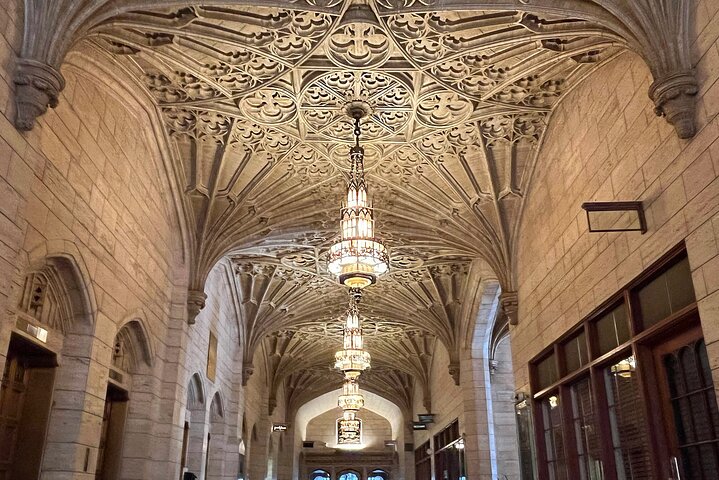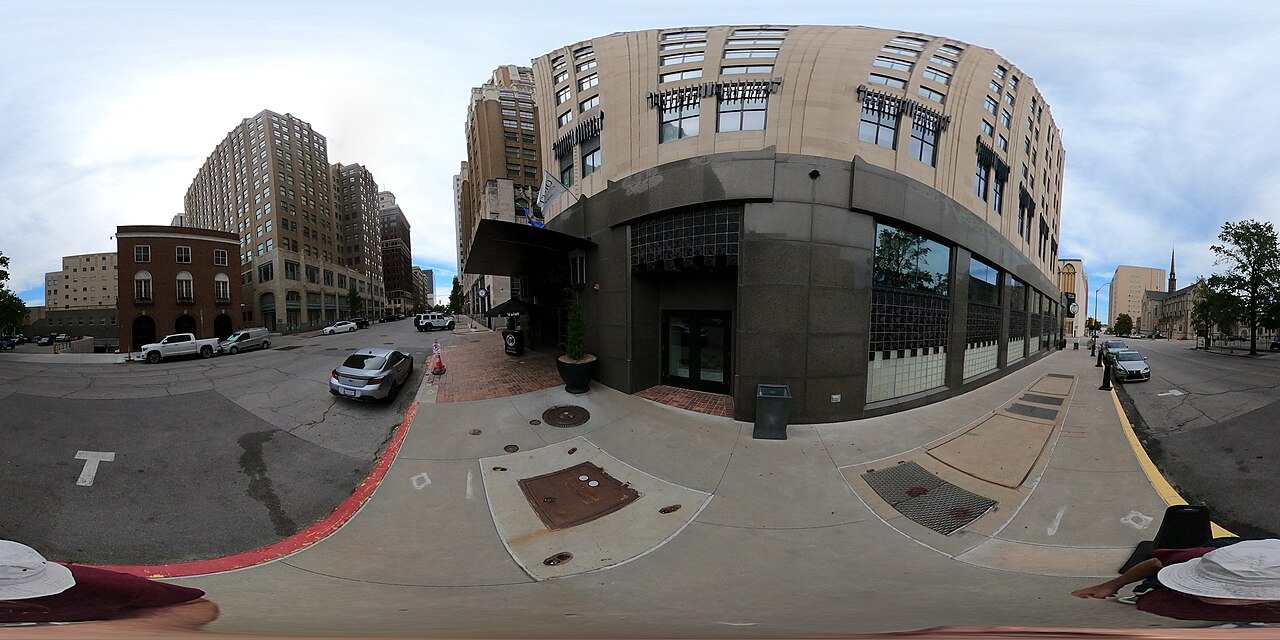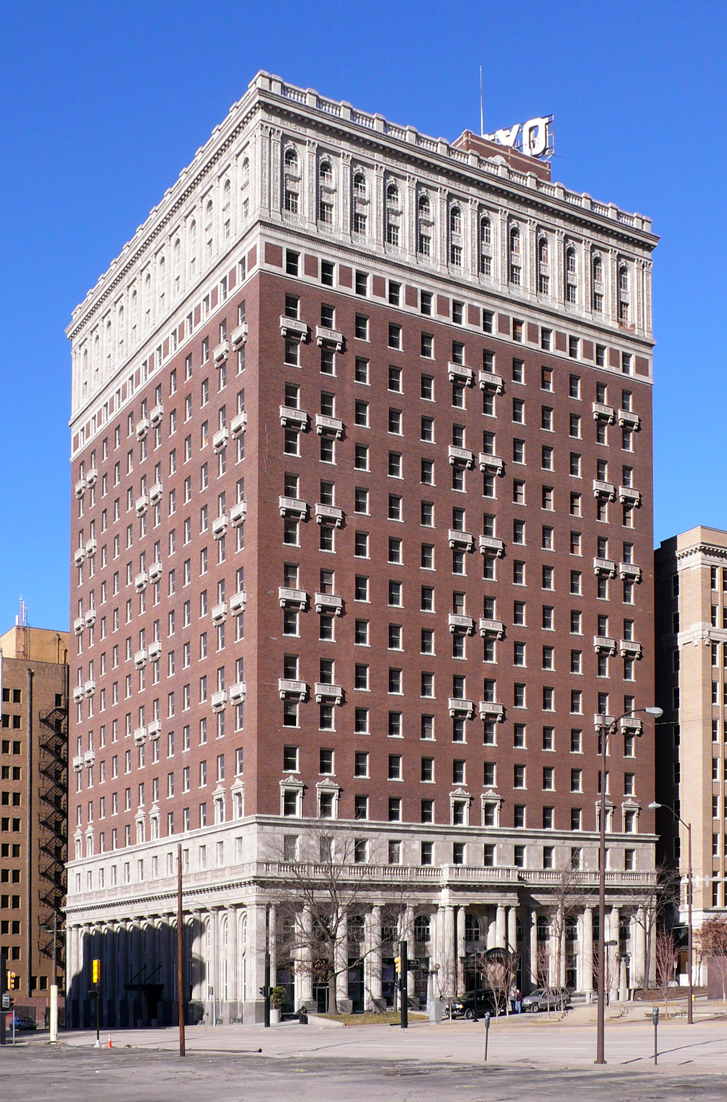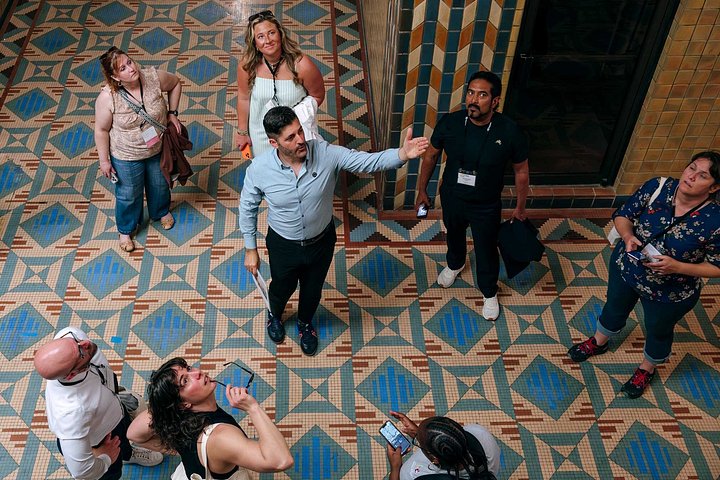
Tulsa has one of the finest collections of Art Deco architecture in the United States, and a guided walking tour is the best way to read it. The style arrived in the 1920s and early 1930s, just as oil money was pouring into the city and the Oil Capital of the World was building towers, hotels, churches and civic buildings to match its ambitions. Zigzag ornament, geometric reliefs, stepped setbacks, polished metal and colored terracotta fill the downtown streets, and many of the details are easy to miss without someone pointing them out. On the tour you learn how to look up. A guide explains the architects and oilmen behind the buildings, why the style suited a city that wanted to look modern and rich, and what the symbols on the facades mean. Stops typically include landmark towers, historic lobbies and ornamental entrances, with stories about the wildcatters who funded them. The pace is relaxed, the route stays within a compact area, and the experience works for people who know nothing about architecture as well as for enthusiasts.
Plan about two hours, and wear comfortable shoes because the tour is on foot. Check the operator's schedule and weather policy when you book, since outdoor walking tours can be adjusted for storms or extreme heat. Spring and autumn are ideal, but the tour can be a good winter activity because many of the best details are on lobbies and low level facades. Morning departures offer cooler temperatures in summer.
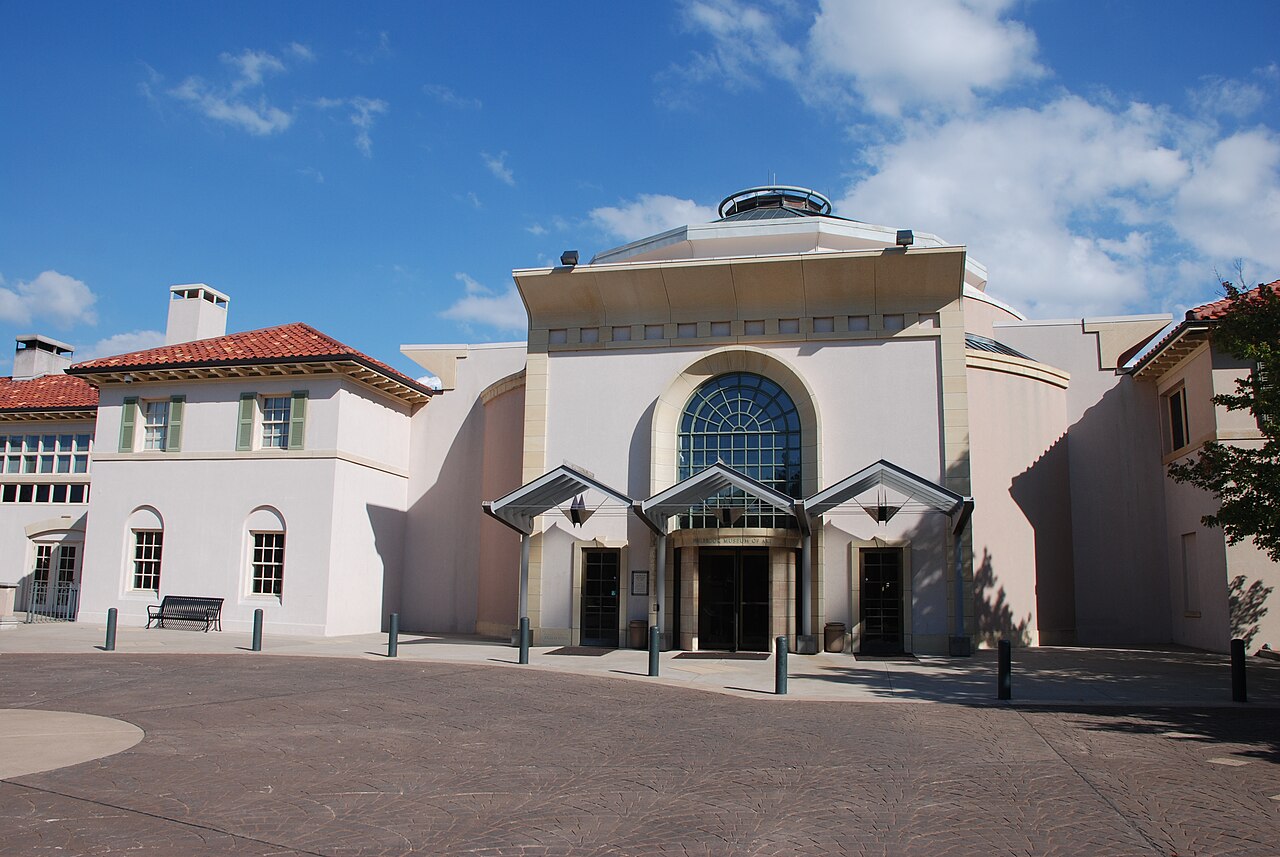
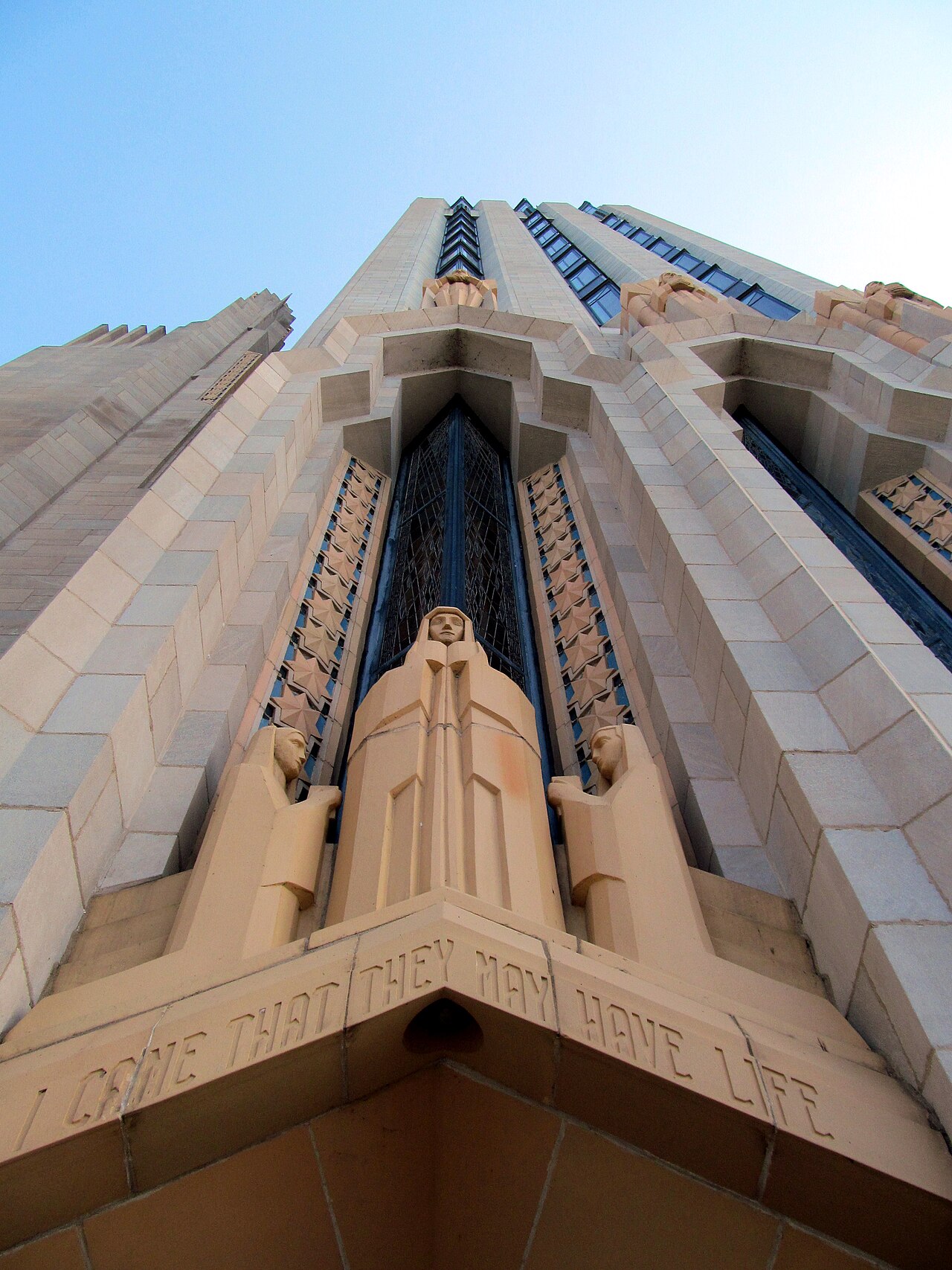
The tour pairs well with a visit to Boston Avenue Methodist Church, one of the great Art Deco churches in America, and with the Philbrook Museum of Art, which shows the more traditional taste of the oil barons. It also complements the history tour that focuses on the oil boom, so you may want to choose one of the two walking tours based on whether you prefer architecture or stories. Photography is welcome outdoors, and many lobbies can be seen quickly if they are open to the public.
Group size, meeting point and accessibility details are set by the operator, so read them carefully before booking. Most of the route is flat, but there may be curbs and some steps, and visitors with limited mobility should ask in advance. Tours may not enter every interior on every day, as access depends on building hours and security. The tour is a rewarding introduction to the city for first time visitors, and it gives the rest of your trip a visual vocabulary for the skyline you will see everywhere.
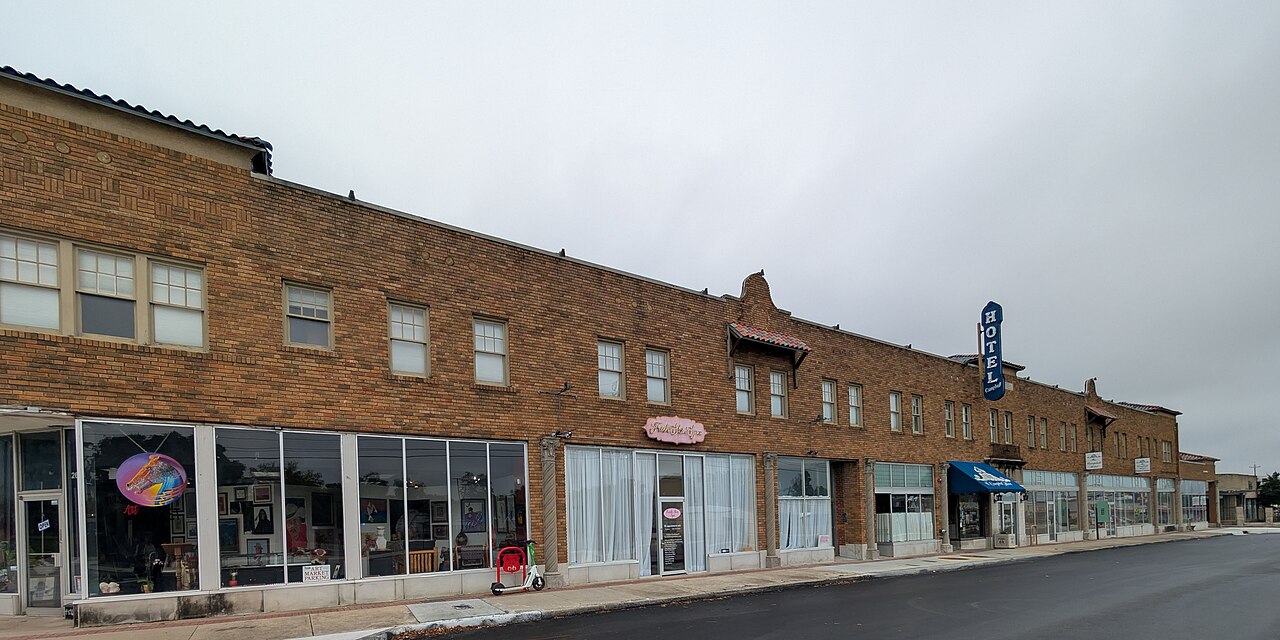
Many guests say the tour changes how they see the rest of the trip, because once you know what to look for, Art Deco appears everywhere: on bank doors, in elevator lobbies, on tile and terracotta, and even in modest corner shops. Photographers should bring a camera with a wide lens, and architecture students will find plenty of detail to sketch. Ask your guide for tips on which buildings to revisit at night, when many are lit and look especially dramatic against the sky.
What to expect
The experience
A guided walking tour of downtown Tulsa's Art Deco towers, lobbies and ornament, led by a local expert.
Best time
Spring and autumn mornings; check the operator for weather policies.
How long
About two hours.
Tips
Wear comfortable shoes, bring water, and look up; arrive a few minutes early at the meeting point.
Quick picks
- Best for
- Architecture fans, history lovers and first time visitors.
- Families
- Fine for older children who enjoy walking and stories.
- Couples
- A relaxed, interesting way to spend a morning together.
- Pair with
- Boston Avenue Methodist Church and the oil baron history tour.
- Time needed
- About two hours.
Good questions
Why does Tulsa have so much Art Deco?+
The style arrived during the 1920s and early 1930s oil boom, when the city was building quickly and wanted to look modern.
How long is the tour?+
About two hours of walking.
Is it suitable for beginners?+
Yes. No architecture background is needed.
What should I bring?+
Comfortable shoes, water and sun protection.
What should I pair it with?+
Boston Avenue Methodist Church and the Philbrook Museum of Art.