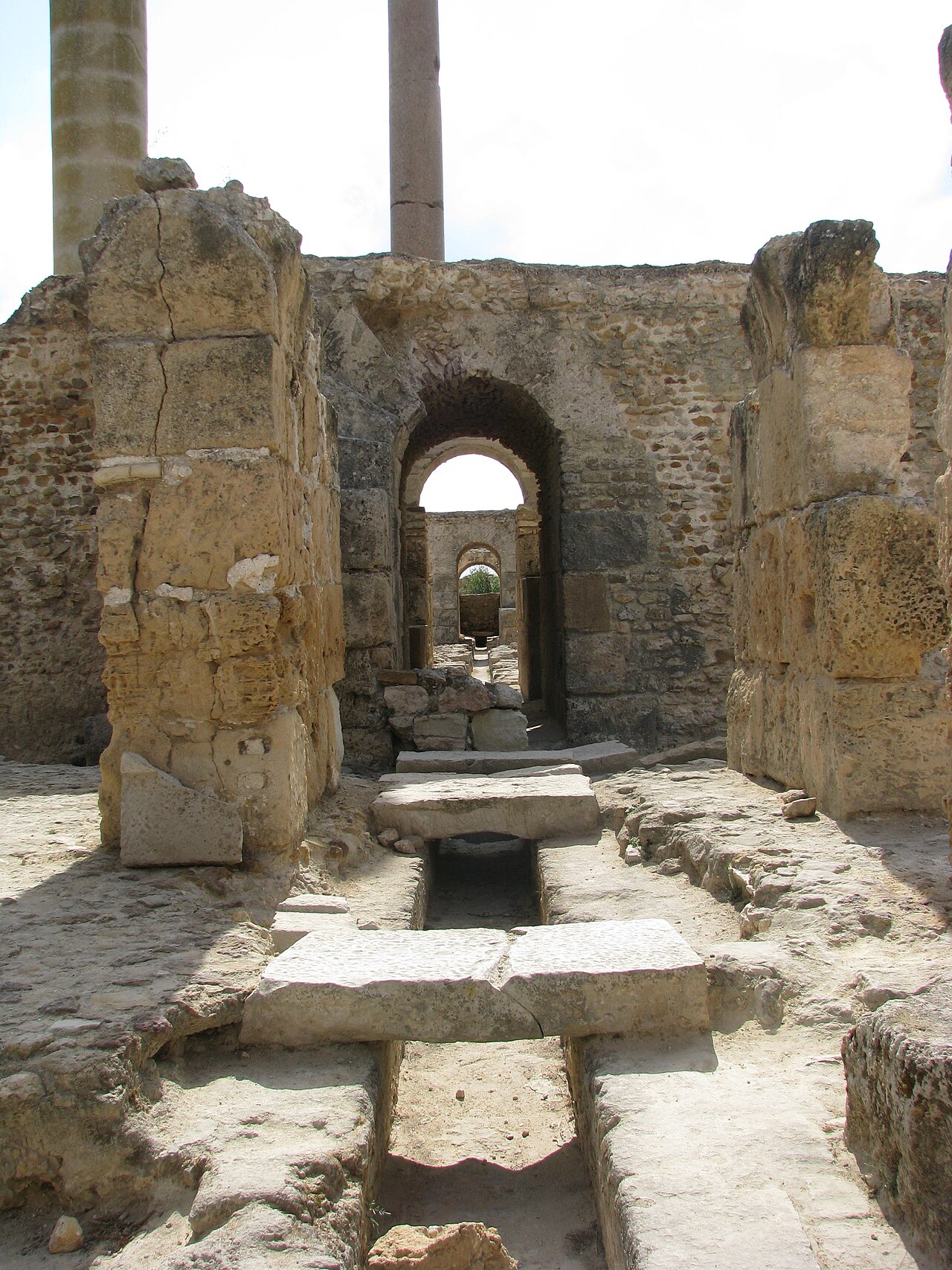
Carthage is not one ruin but a whole ancient city spread across a leafy seaside suburb of Tunis. Founded by Phoenician settlers, traditionally in the ninth century BC, it grew into the Mediterranean's great trading power and the long rival of Rome until the Romans razed it in 146 BC. A new Roman Carthage rose on the ruins and became one of the most important cities of the empire, the capital of the province of Africa. UNESCO inscribed the site in 1979. Today the remains sit among houses and gardens along the coast: the Punic ports, the Tophet of Salammbo, the Roman theatre and odeon, the Roman villas with their mosaics, Roman cisterns, the Antonine Baths on the shore and the vantage point of Byrsa Hill. Little is monumental in the way of Rome or Athens, so the place works best with a guide to give the stones context. What survives is atmospheric, and the Mediterranean views from the baths and the hill make it a good place to think about how much has been lost.
Planning the day: Byrsa Hill was the citadel of the Punic city and is now the best orientation point, with the former cathedral of Saint Louis and views across the bay. The national museum building there is described as awaiting renovation, so do not count on it, and confirm what is open on arrival. The Antonine Baths are the highlight of the open-air sites and have their own page in this guide. The Punic ports, with their circular military harbour and the rectangular commercial basin, are quiet and a little hard to read, while the Tophet is a poignant burial ground with stelae. The Roman theatre is partly reconstructed and used for the summer Carthage festival. Roman villas and the Magon quarter give a taste of domestic life.
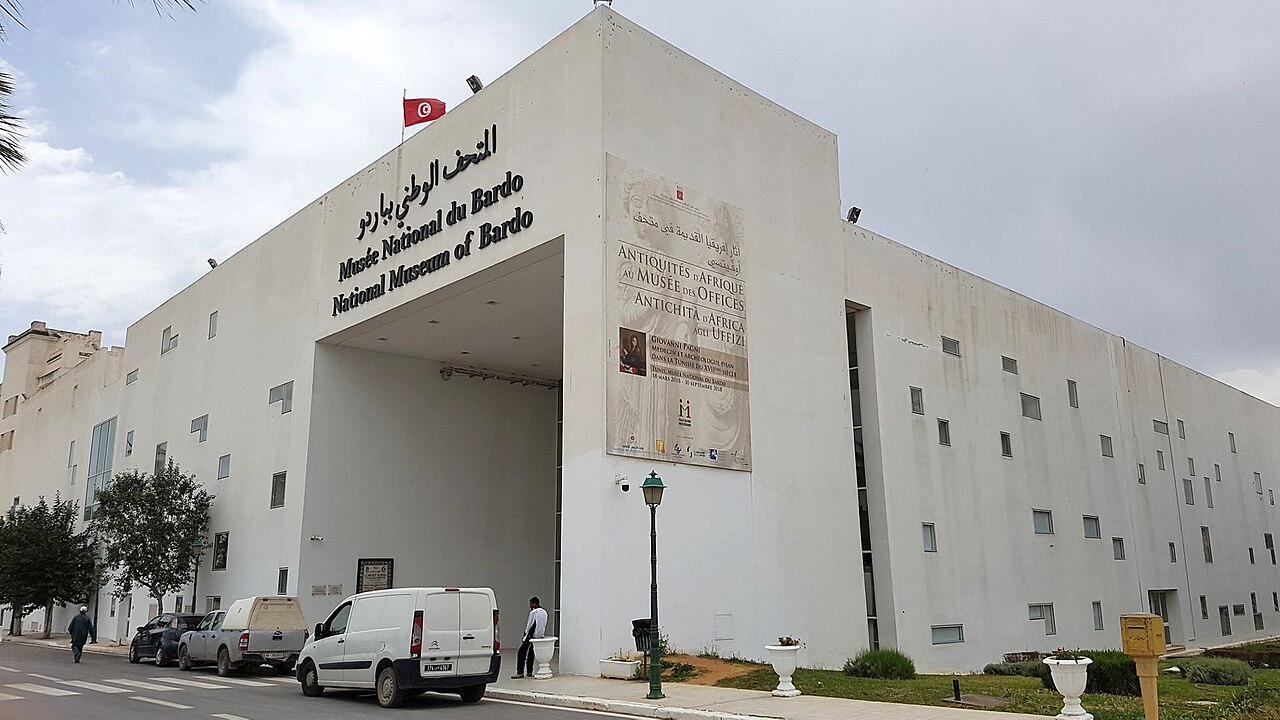
How to see it: the sites are spread over several kilometres, so a private or small-group tour with a car and guide covers more than trying to walk. If you go independently, the TGM light-rail line stops at several Carthage stations, such as Carthage Hannibal, and you can walk between some of the sites, though the sun is hot in summer. Tickets are sold at the gates and a combined ticket for several sites has been available. Carry cash for entry, wear a hat and carry water. Many tours combine Carthage with the Bardo Museum, Sidi Bou Said and the medina, which makes a full day. Visiting in autumn or spring avoids the worst of the heat.
What to expect
The experience
A guided drive or TGM ride between scattered sites: Byrsa Hill, the Punic ports and Tophet, the theatre, Roman villas and the Antonine Baths.
Best time
Morning in spring or autumn; summer afternoons are hot and exposed.
How long
Half a day for the highlights; a full day with Sidi Bou Said and the Bardo.
Tips
Bring cash for tickets, a hat and water, and confirm which sites and the museum are open on the day.
Quick picks
- Best for
- History lovers and anyone curious about Hannibal, the Punic Wars and Roman North Africa.
- Families
- Open space and sea views suit children, but the heat and the walking tire small ones; a car tour helps.
- Couples
- Sunset by the baths, then dinner in Sidi Bou Said or La Marsa.
- Pair with
- The Antonine Baths, Sidi Bou Said and the Bardo Museum.
- Time needed
- A half day for Carthage alone, a full day with the others.
Good questions
Is there much to see at Carthage?+
Yes, but it is scattered and mostly low ruins. A guide helps you read the Punic ports, the theatre and the villas.
How do I get to Carthage from Tunis?+
Take the TGM light-rail from Tunis Marine, which stops at several Carthage stations, or a taxi. A private tour covers the dispersed sites more easily.
Do I buy tickets in advance?+
Tickets are generally sold at the site gates for a modest fee, with a combined ticket for several sites. Bring cash.
Is the Carthage museum open?+
The museum building on Byrsa Hill is described as awaiting renovation, so check on arrival. The open-air sites are the main draw.
Can I combine Carthage with Sidi Bou Said?+
Yes, they are a few minutes apart by train or car, and most day tours combine them with the Bardo and the medina.