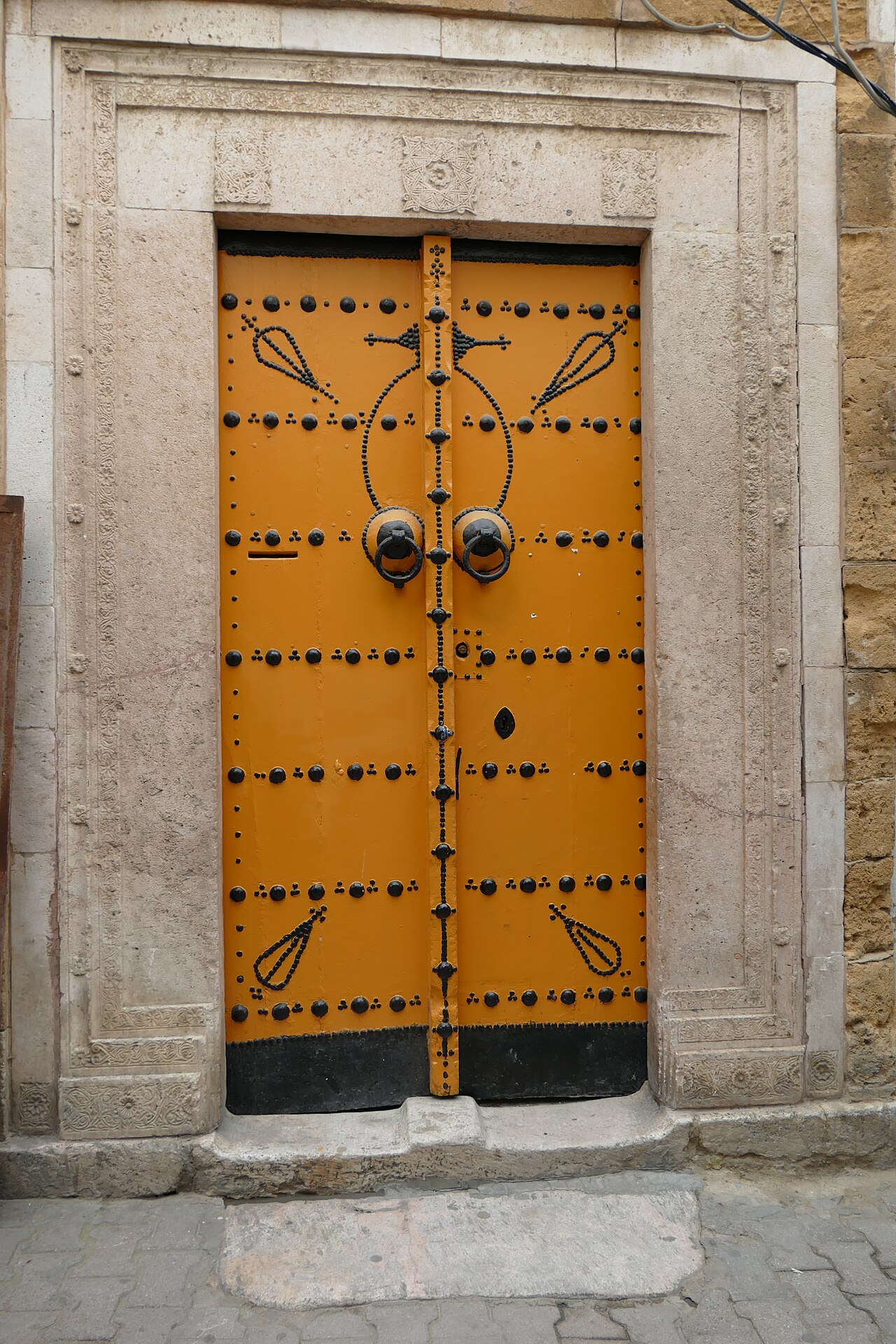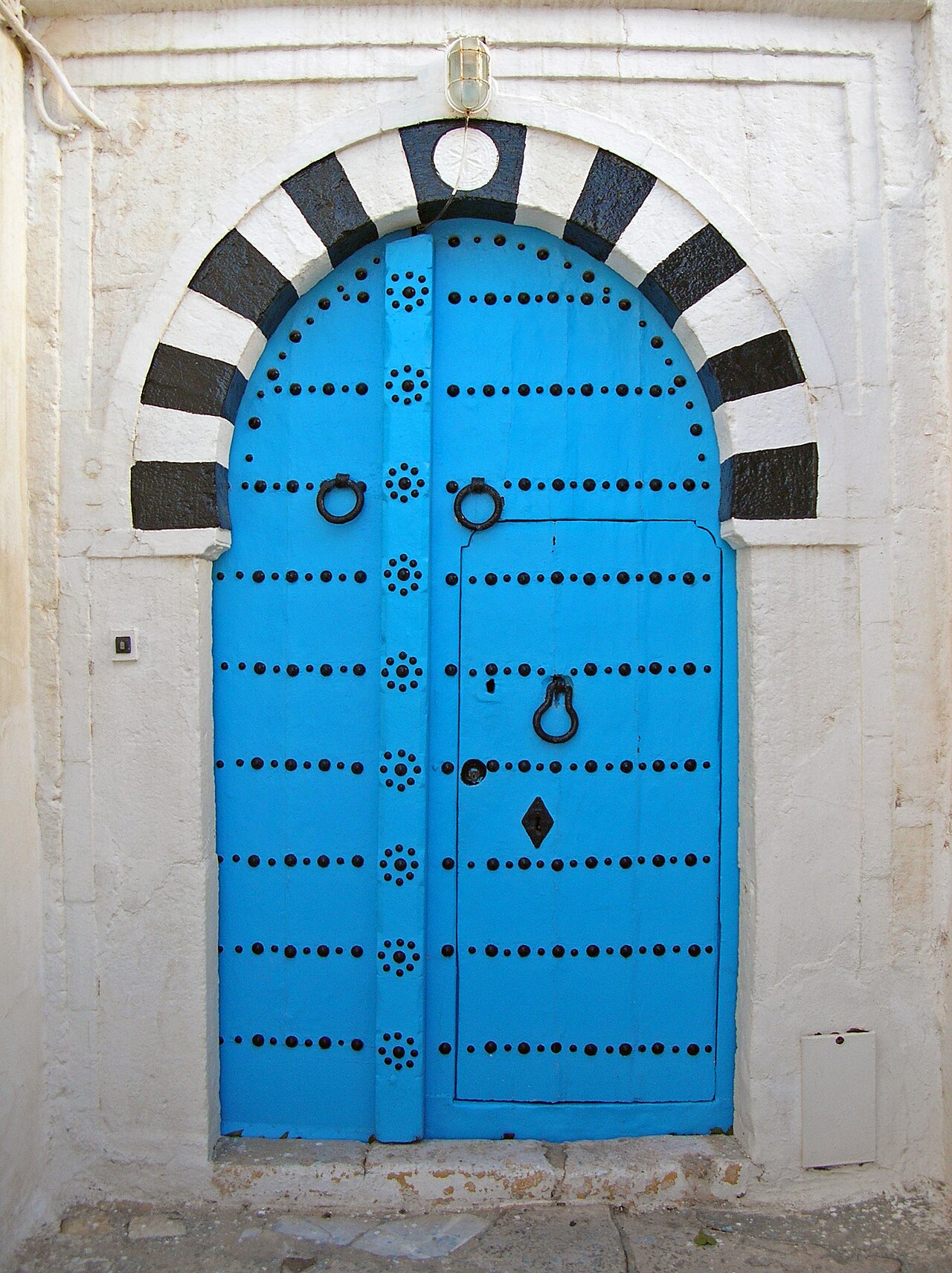
Sidi Bou Said is the picture-postcard village of Tunisia: a hill of whitewashed houses with blue doors and window grilles, climbing from the sea to a summit crowned with cafes and viewpoints. It takes its name from a thirteenth-century Sufi saint, Abu Said al-Baji, whose shrine is at the top, and it grew into a retreat for the Tunis elite and a haven for artists and writers, among them Paul Klee and August Macke, who visited in 1914. The blue-and-white look is protected, and the village is kept scrupulously tidy. Streets are cobbled and steep, lined with jasmine, bougainvillea and ornate cages, and everything is within a short walk of the main street. Two cafes are famous: Cafe des Nattes, with its mats and benches and its pine-nut mint tea, and Cafe des Delices, with a terrace over the bay. The marina below and the cliffs add to the setting, and in the evening the whole village glows.
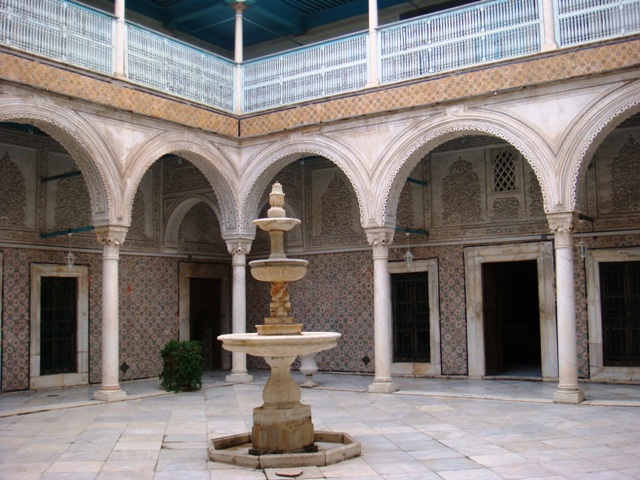
What to do: wander without a plan, because every turn offers a doorway, a courtyard or a view. Climb to the lighthouse viewpoint for the bay, and visit the Dar el-Annabi museum for a look inside a traditional house and the Ennejma Ezzahra palace, built by a baron and now a music centre. Try a bambalouni, the fried doughnut sold in the lanes, and a glass of mint tea with pine nuts. Shops sell ceramics, birdcages, fabrics and perfumes, with prices that are higher than in the medina but still negotiable.
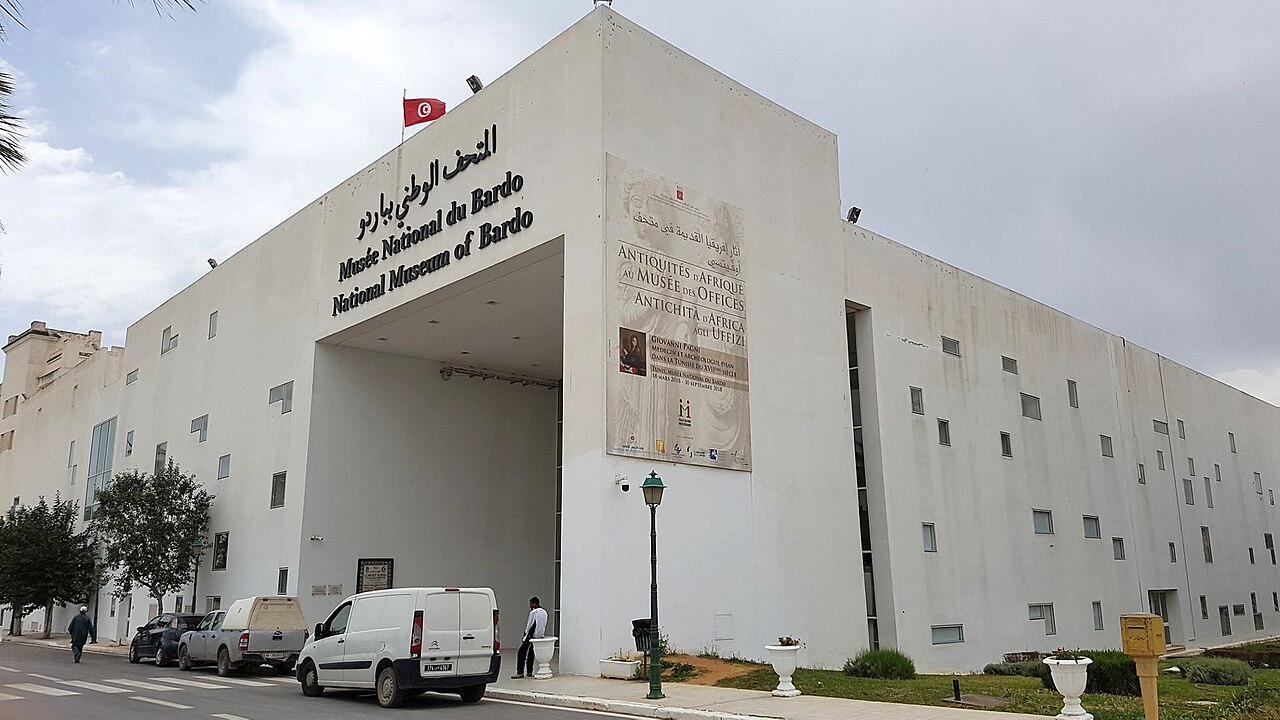
Getting there and timing: the TGM light-rail line from Tunis Marine reaches Sidi Bou Said station in about thirty-five minutes, and the walk uphill from the station takes about ten minutes. Taxis are an easy alternative. Weekends and the middle of the day in summer are crowded, so go early or late for quiet lanes and photographs. Tours that combine Sidi Bou Said with Carthage, the Bardo and the medina leave from Tunis in the morning and return in the afternoon, and many include a guide, which is useful if you want the history. Staying overnight is the best way to see the village without crowds, and Dar Said, listed in the hotel section, is a short walk from the station. Wear shoes with grip, because the cobbles are polished and the slopes are steep.
What to expect
The experience
A walk up cobbled lanes from the TGM station to the cafes and viewpoints at the top, with time for tea, shops and museums.
Best time
Early morning or late afternoon for quiet lanes and golden light; weekends and midday are crowded.
How long
Two to three hours, or stay overnight.
Tips
Wear shoes with grip, carry small notes for snacks and crafts, and bargain gently in the shops.
Quick picks
- Best for
- Photographers, couples and anyone who wants the most beautiful village near Tunis.
- Families
- Easy to enjoy in a short visit; cobbles and steps make strollers hard.
- Couples
- Tea at Cafe des Nattes, a sunset on the terrace and a night in a guesthouse.
- Pair with
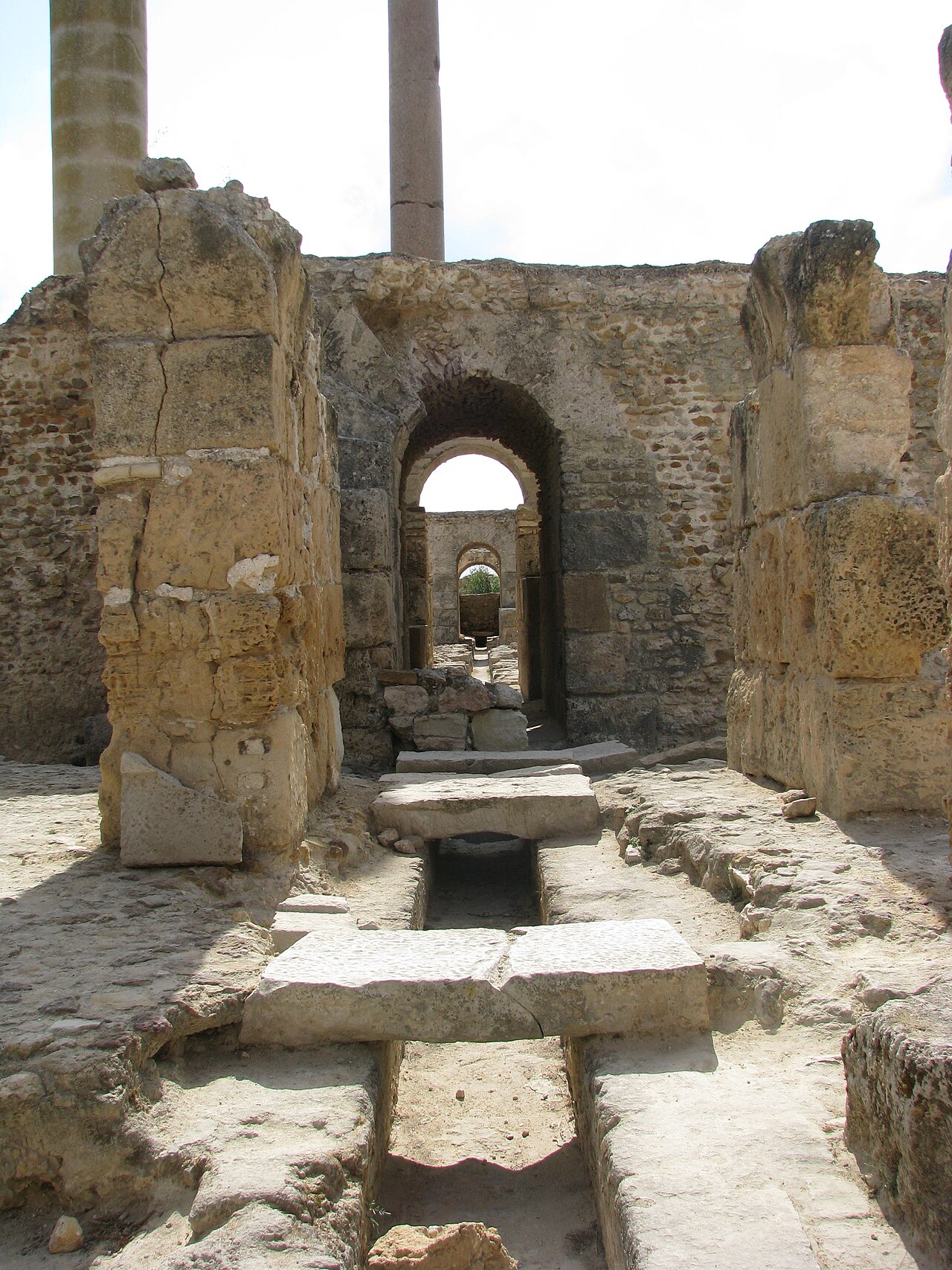
- Carthage ruins and the Antonine Baths on the same day.
- Time needed
- Half a day with a lunch; a full evening if you stay.
Good questions
How do I get to Sidi Bou Said from Tunis?+
Take the TGM light-rail from Tunis Marine to Sidi Bou Said station and walk uphill for about ten minutes. A taxi is quick and inexpensive.
Why is it blue and white?+
The look is protected and is part of the village's identity. It has been kept since the early twentieth century and is now a signature of the place.
What is the best time to visit?+
Go early morning or late afternoon for fewer crowds and softer light. Weekends and summer midday are busiest.
Is Sidi Bou Said worth a night?+
Yes, the village is calm and magical after the day-trippers leave. A guesthouse like Dar Said puts you steps from the main street.
Can I visit Sidi Bou Said on a tour?+
Yes. Small-group day tours combine it with Carthage, the Bardo Museum and the medina, usually with a guide and transport from Tunis.