Tunis is a compact capital with an outsized history. The old medina, a UNESCO site, sits at the centre; the French-built Avenue Habib Bourguiba runs up to it; the Bardo Museum lies a short drive west; and the sea suburbs of Carthage, Sidi Bou Said and La Marsa stretch along the coast to the northeast. Three days covers the city well, four lets you add a major day trip, and a week lets you do the full set. Here is how to plan it.
What to book ahead
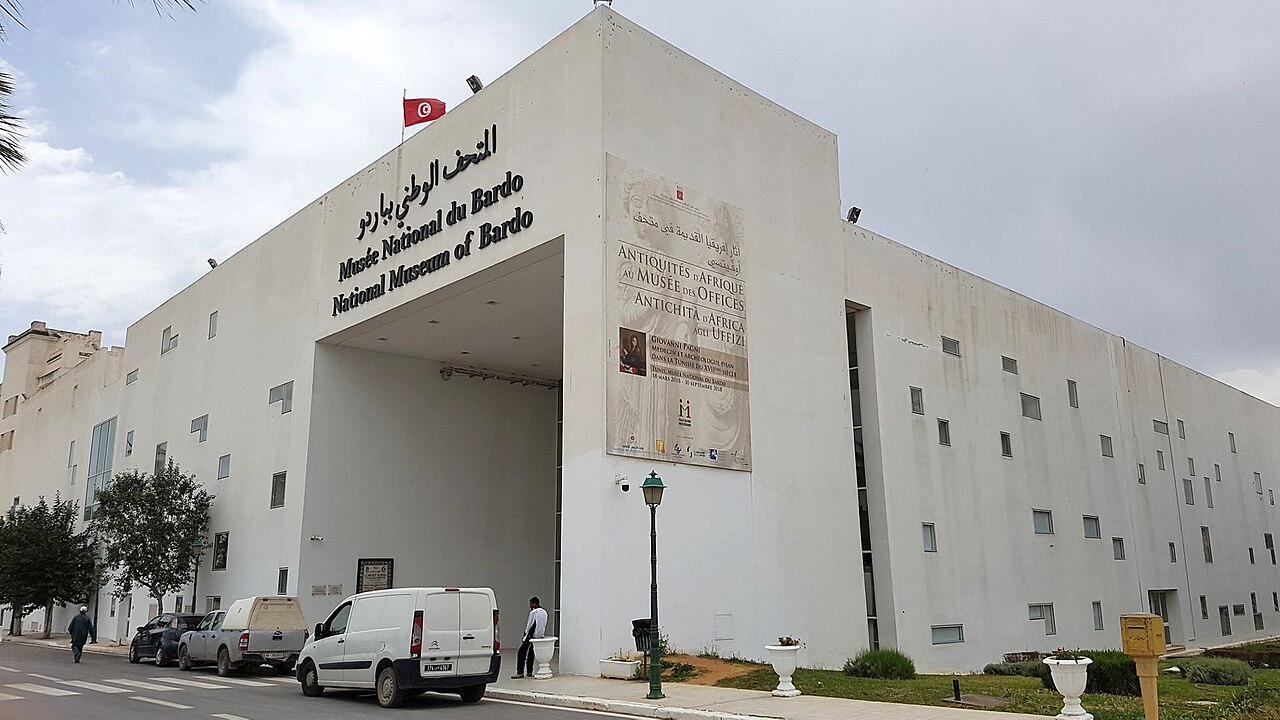
Very little needs reserving weeks ahead, which is part of the appeal. The things worth arranging before you arrive are the day trips, because they depend on a car and a guide: Dougga, with its Roman theatre and Capitol, and El Djem, with its great amphitheatre, are both long days from Tunis and are usually done on a private or small-group tour. A guided medina walk or a street food tasting is easy to book a day or two before. Check opening days for the museums, since the Bardo is generally closed on Mondays, and note that hours change by season and in Ramadan.
Getting around
The TGM light-rail line runs from Tunis Marine along the coast to Carthage, Sidi Bou Said and La Marsa, and it is the easiest way to reach the seaside sights. The Metro Leger, a modern tram network, serves other parts of the city including the Bardo area. Taxis are cheap and plentiful, but insist on the meter or agree the price before you get in, and keep small notes for fares. Ride-hailing apps work in the city. For day trips, hire a driver or join a tour rather than relying on trains and louages, because Dougga and many sites are poorly served by public transport. Walking is the best way to see the medina, but lanes are narrow and crowded.
How many days
Three days is the sweet spot. Day one: the medina, with a guided walk and a street food tasting, plus Dar Ben Abdallah for a quiet courtyard. Day two: the Bardo Museum in the morning for the mosaics, then Carthage and the Antonine Baths in the afternoon, finishing in Sidi Bou Said for tea at sunset. Day three: a day trip to Dougga, or a long day to El Djem with Kairouan. With a fourth day, do both day trips on separate days or add a lazy morning at a beach in La Marsa or Gammarth.
Where the headline sights fit
The Bardo and the medina pair well in one half-day. Carthage and Sidi Bou Said are a short train ride apart and easily share a day, especially on a tour that includes a guide. Dougga and El Djem are far enough away that each deserves its own day. If you only have two days, choose the medina plus the Bardo on day one and Carthage with Sidi Bou Said on day two.
Practical notes
The currency is the Tunisian dinar, and cash is useful for tickets, taxis and small shops, since card payments are not accepted everywhere. French is widely spoken alongside Arabic, and English is understood in tourist areas. Dress modestly in the medina and around mosques, and carry a scarf if you plan to enter religious sites that allow visitors. Spring and autumn are the best seasons; summer is hot, and in November the weather is mild, with some rain. Check your government's current travel advice before you go: the US advisory is Level 2, exercise increased caution, with higher-risk areas near the Algerian and Libyan borders and in remote southern and mountain areas, far from the sights in this guide.
The honest adjustments
Tunis is not a polished tourist machine, so expect some rough edges: uneven pavements, haggling in the souks and occasional delays on trains. In return you get empty ruins, a warm welcome and good food at low prices. Plan for slow starts, use a guide where the history is hard to read, and leave time for a long lunch and a mint tea with pine nuts.