Piedmont is one of the great food regions of Italy, and Turin is its capital. The region gave the world vermouth, gianduiotto, grissini and the slow-food movement, and the countryside south and east of the city produces some of the most admired wines in the world. If food and drink are why you are travelling, Turin makes a very good base. This guide sets out how to build a food trip around the city, what to try, when to go and how to combine tastings with sightseeing.
Why Piedmont tastes the way it does
The region sits between the Alps and the plain, with cool hills for vines and hazelnuts, rice fields in the lowlands and pastures high in the valleys. Cooking draws on all three. You will find butter and cream rather than much olive oil, cured meats and cheeses from the valleys, rice and vegetables from the plain, and hazelnuts in desserts and chocolate. The Savoy court brought French influence, which explains the refined pastry and café tradition of Turin.
What to try in the city
Start with bicerin, the layered drink of coffee, chocolate and cream. Taste gianduiotto, the hazelnut chocolate invented in Turin, at one of the historic chocolate counters. Order agnolotti del plin, the small pinched pasta, or vitello tonnato, thin veal with a tuna sauce, in a trattoria. Pair a meal with a glass of Dolcetto or Barbera. In the early evening, join the aperitivo ritual with vermouth, the drink born in Turin. A food and market tour is a good first-day introduction that points you to places to return to, and a cooking class lets you make gnocchi yourself.
The Langhe: Barolo and Barbaresco
The Langhe hills, roughly an hour or so south-east of the city, are the heart of Piedmont wine. The vineyards and villages of the area form a UNESCO World Heritage landscape. Barolo and Barbaresco are structured red wines made from the Nebbiolo grape, and the nearby hills also produce Dolcetto, Barbera and the white Arneis. A wine tasting tour from Turin is the simplest way to see them, because the driving is handled and you can taste freely. Self-drivers should choose one or two cellars rather than many and arrange a designated driver. Many cellars ask visitors to arrange a visit in advance.
White truffle season
The Alba area is famous for the white truffle, a rare fungus that appears in autumn. The season usually runs from early autumn into the colder months, with a market and a festival in Alba. Truffles are shaved at the table over eggs, pasta and risotto, and a truffle hunt with a trained dog is a popular activity in the hills. Quality varies, and prices are high, so choose a restaurant or an organised experience with a good reputation. Other months have their own delights, but if truffles are your goal, plan for autumn.
Vermouth at the source
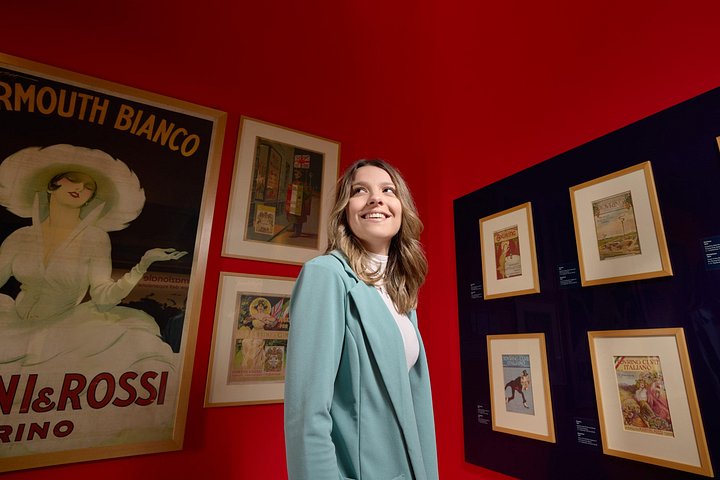
Turin created vermouth in the late eighteenth century, and the tradition continues in the city’s bars and in the cellars of the great houses. A vermouth tasting in the centre introduces the styles. Casa Martini at Pessione, outside the city, adds a museum, a cellar visit and a tasting. Together they make a good half-day plan for anyone curious about how the drink is made.
Chocolate and coffee
Turin’s sweet side is as important as its wine. Choco-Story tells the history of chocolate in the city, and the Lavazza Museum at the Nuvola tells the story of coffee and espresso. Both are easy to add to a day of sightseeing and neither requires much time.
Putting it together
A three-day food trip works well. On the first day, take a food and market walk and finish with vermouth and dinner in the centre. On the second day, go to the Langhe for a full day of wine, lunch and views. On the third day, visit the Lavazza Museum or Choco-Story, take a cooking class in the afternoon and finish with a long dinner. If you have a fourth day, add Casa Martini or a truffle experience, depending on the season.
Practical tips
Book wine tours and cooking classes ahead, especially for weekends and in autumn. Dinner in Piedmont starts late, usually after eight, and many restaurants close one day a week, often Sunday or Monday, so check before you go. Tell operators about allergies and dietary needs in advance. Leave room in your luggage for bottles and chocolate, and ask the cellar about shipping if you buy a lot. Above all, go slowly: Piedmontese food is meant to be enjoyed over a long table.