Most visitors to Uganda head west for gorillas and chimpanzees, but the east and the far northeast hold some of the country's finest scenery and quietest wildlife. Mount Elgon, Sipi Falls and Kidepo Valley National Park reward travellers with time, a sense of adventure and an interest in landscapes that few others see. This guide explains how the pieces fit and how to plan a trip.
The shape of the east
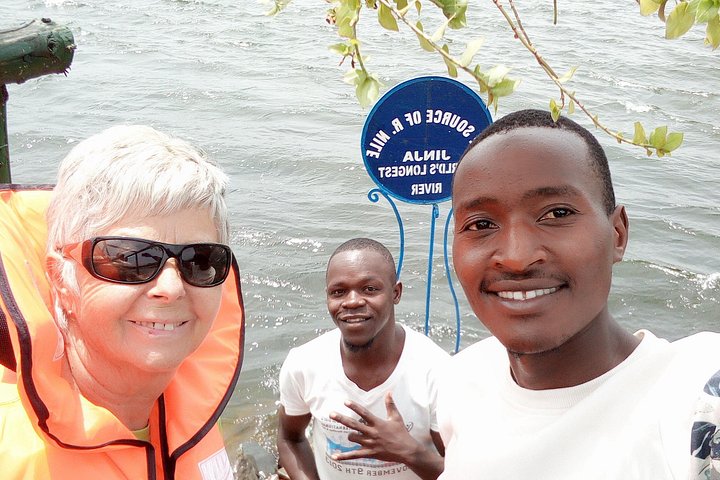
Starting from Jinja, the road runs east through Iganga and Tororo to Mbale, the main town at the foot of Mount Elgon. From Mbale, the Sipi Falls area lies a short drive to the north, on the mountain's lower flank. Further north, the road continues through Soroti and Moroto to the Karamoja region, and eventually to Kidepo. Distances are long, and some roads are rough, so build in time and use a reliable vehicle.
Mbale and the Wanale ridge
Mbale is a good base, with markets, cafes and simple hotels. The Wanale ridge rises behind the town and offers a half-day hike through farms to a waterfall and viewpoints. It is an easy way to meet the Bagisu people, learn about coffee growing and stretch your legs before more demanding walks. The hike pairs well with a visit to Mbale's markets and a coffee tasting.
Mount Elgon
The mountain is an extinct volcano with a vast caldera, forest on the lower slopes and moorland above. Hikes range from short day walks to multi-day treks toward the highest point, Wagagai. Routes differ, with Sasa the steepest, Sipi the gentlest and Piswa the longest, and all need good boots, warm layers and a waterproof jacket. Expect to see monkeys, birds and unusual high-altitude plants, and to meet few other hikers. Guides, porters and park fees are arranged by operators, which makes planning easier.
Sipi Falls
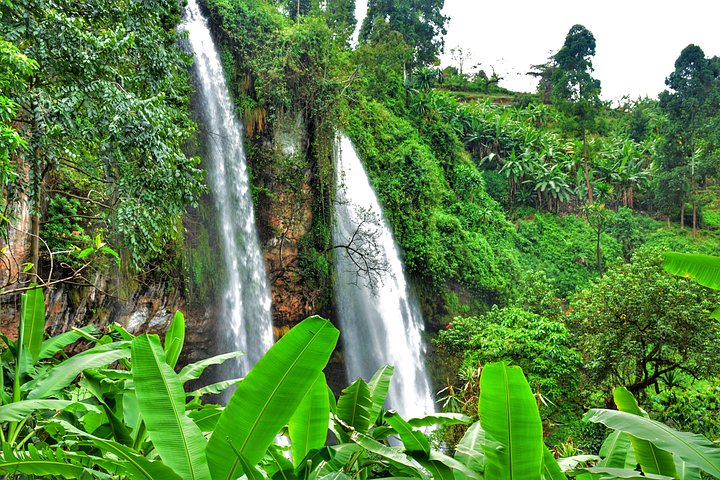
Three waterfalls drop down the edge of the mountain, and the area around them is perfect for walking, coffee tours and cave visits. Days here can be as gentle or as active as you like, with options for abseiling, rock climbing and mountain biking. Staying in a lodge on the escarpment gives you views over the plains, and the cool air is a pleasant break from Kampala's heat.
Kidepo Valley National Park
Kidepo is the remote highlight, with wide savanna, mountains on the horizon and wildlife that includes lions, elephants, buffalo, giraffes and cheetahs. Getting there takes a day or more by road, so many travellers fly to a nearby airstrip. The park is at its best in the dry season, roughly December to March. Visit a Karamojong village for beadwork and cattle-herding stories, and plan at least three nights to justify the journey. Check your government's current travel advice for the region and use an experienced operator.
Sample routes
A five-day eastern loop might run from Jinja to Mbale, include the Wanale hike, a day at Sipi Falls and a Mount Elgon walk, and return via Jinja. A ten-day journey could add Kidepo by air and Murchison Falls on the way back to Kampala. Travellers with more time can link east and west, combining gorillas and chimpanzees with Elgon and Kidepo for a complete picture of Uganda.
When to go
The drier months, roughly December to February and June to August, are best for hiking and game viewing. The rainy seasons bring green scenery and good birding but muddy trails and tricky roads. Elgon's weather can change quickly, so pack for cold and rain at any time.
Budget and logistics
The east is cheaper than the west for lodging and food, but park fees, guides and transport still add up, so ask operators for a full quote that covers vehicle, driver, permits and meals. Shared transport exists between towns, though a private driver saves time on the long legs to Karamoja. Book Kidepo flights and lodges early in the dry season.
What to bring
Sturdy boots, layers, a head torch, sun protection, insect repellent, a refillable bottle and any medicines you need. Cash is useful in smaller towns, where cards are less accepted. Mobile coverage can be patchy.
Choosing between the east and the west
The west has gorillas, chimpanzees and the famous savannas, but also more visitors and higher costs. The east offers quieter trails, local culture and wide skies, with lower prices and fewer crowds. Many travellers choose one on a first trip and the other on a return visit.