Three days is the length of a park pass and the length of stay that lets Uluru sink in. You can see the headlines in less, but the point of coming this far is to stop rushing, and the desert rewards a slow rhythm: up before dawn, rest at midday, out again as the light softens. This plan is built around that rhythm and around the idea that you should learn before you look. Adjust it for your flights and the season, and book the anchor experiences ahead.
Before day one
Buy your park pass, which is valid for three days and covers the whole stay. Book your night experiences and your sunrise tour before you arrive, since the better options sell out in the cooler months. Arrive with a hat, sunscreen, sturdy shoes, a warm layer and a refillable water bottle. Settle into your room, walk to the town square for supplies and consider an early dinner, because day two starts in the dark.
Day one: orientation and sunset
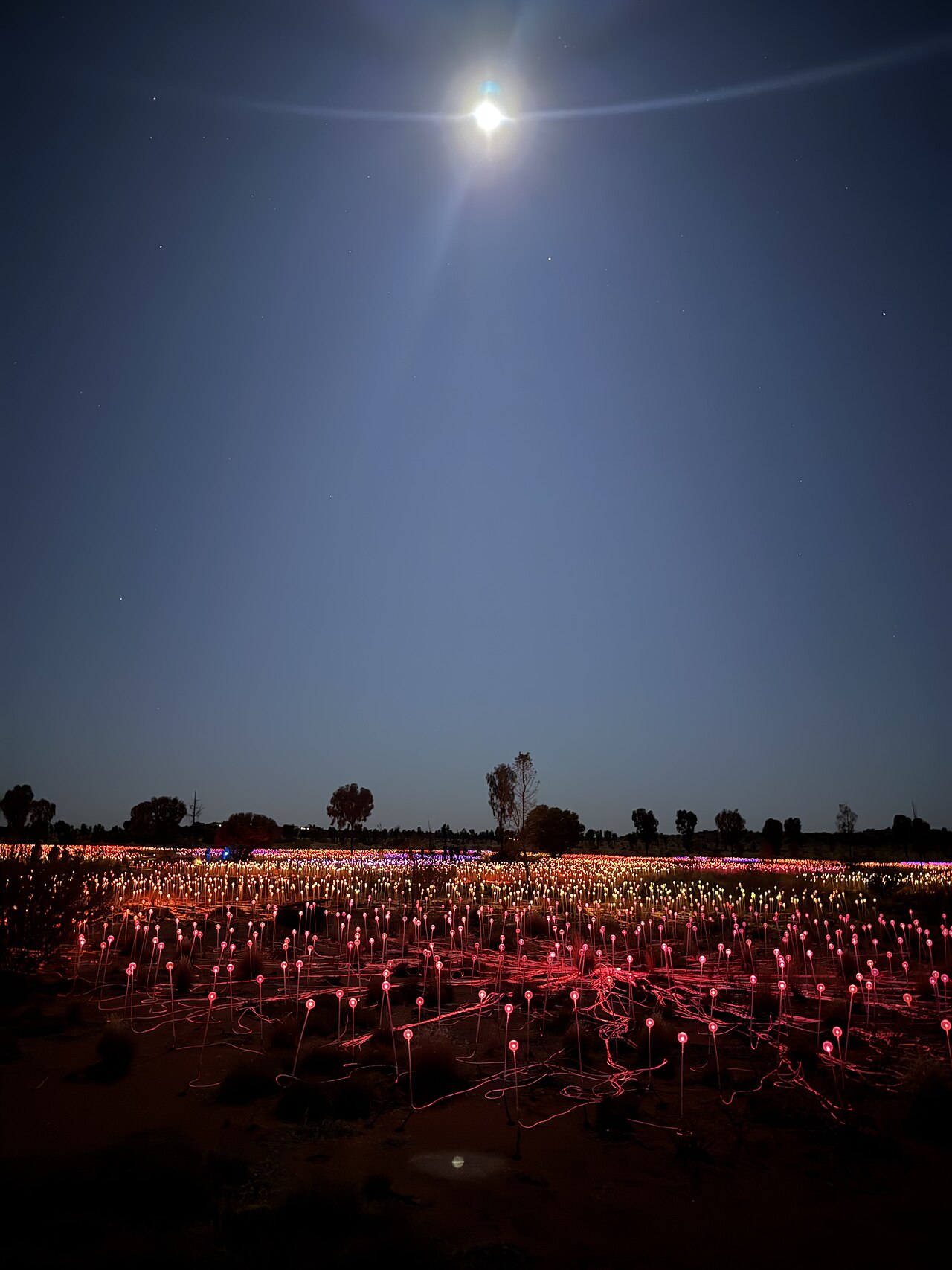
Start at the Cultural Centre, which opens at seven and is the best primer for everything else. Browse the galleries, look at the exhibits and pick up the day's talk times at the desk. Join the free ranger-guided Mala walk if it fits your timing, then take the short Kuniya walk to Mutitjulu Waterhole, which is cool and shaded when the rock is hot. Rest through the middle of the day at your hotel pool. In the late afternoon head to a sunset viewing, either a small-group tour or the quieter side of Talinguru Nyakunytjaku, and stay until the colours have gone. After dark, go to the Field of Light for a gentle first evening.
Day two: the rock at first light
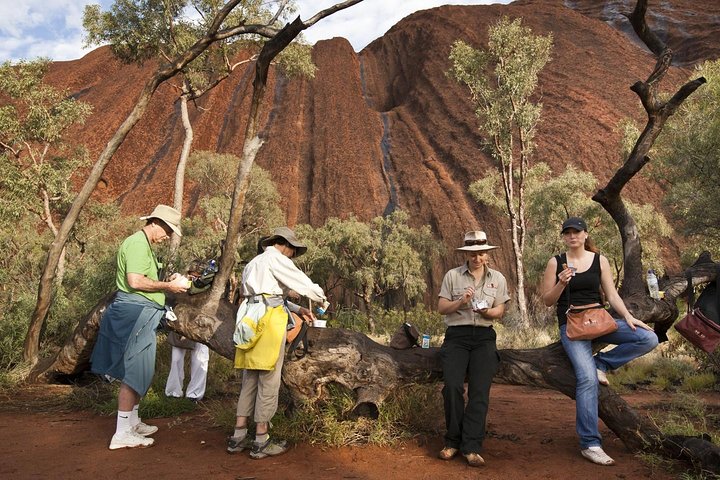
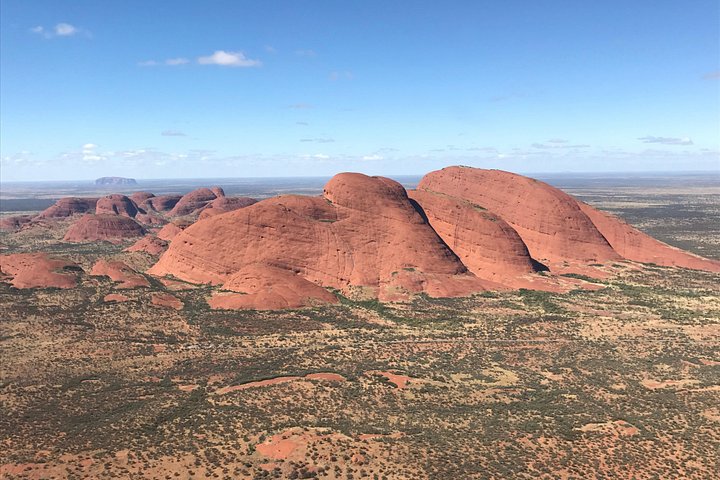
Do the sunrise base walk with breakfast, which takes you around the whole base with a guide who explains the Tjukurpa at each stop. It is a long morning on foot but mostly flat, and it is the best way to feel the scale of Uluru. Return for a late brunch and a proper rest. In the afternoon you have a choice. A helicopter flight shows the rock and the domes from above and is the one big splurge worth considering. Or take it easy and spend a couple of hours at the Cultural Centre cafe and galleries, buying art directly from the artists. For the evening, choose either Wintjiri Wiru, the drone and laser show that tells part of the Mala story, or the Sounds of Silence dinner, but not both on the same night.
Day three: Kata Tjuta or something different
Kata Tjuta, about fifty kilometres from Uluru, deserves a morning. If it is cool enough and you are fit, walk the Valley of the Winds circuit starting early, remembering that it closes from eleven when thirty-six degrees or more is forecast. If you want something shorter, the Walpa Gorge walk is about an hour return and takes you between the high walls of the domes. Either way, be back at the hotel by midday. If you would rather have a different perspective, the Aboriginal Homelands Experience spends an afternoon on Anangu homelands with a traditional owner, and the Mount Conner 4WD tour gives a wide view of the country with sunset and a station dinner.
If you have a fourth day
The long day trip to Kings Canyon is the obvious extra, though it is a very long day by road. A quieter alternative is a stargazing tour on the evening you have free, followed by a slow morning.
Pacing and heat
The most common mistake is trying to do too much in the middle of the day. From April to September the days are mild, but even then the sun is strong and the shade scarce. In the hot months, do everything before about ten in the morning and after about four in the afternoon, and use the middle of the day for the pool, the Cultural Centre and a long lunch. Drink water constantly, not only when you are thirsty, and take the heat closures on tracks seriously.
Getting around
If you are staying at Yulara, the resort shuttle and tour pickups cover most needs, but a hire car gives you flexibility for sunrise and for Kata Tjuta. Distances are long and the roads are remote, so fill the tank before heading out and drive carefully at dawn and dusk, when animals are active. Mobile coverage is limited outside the resort, so download maps in advance.
A note on respect
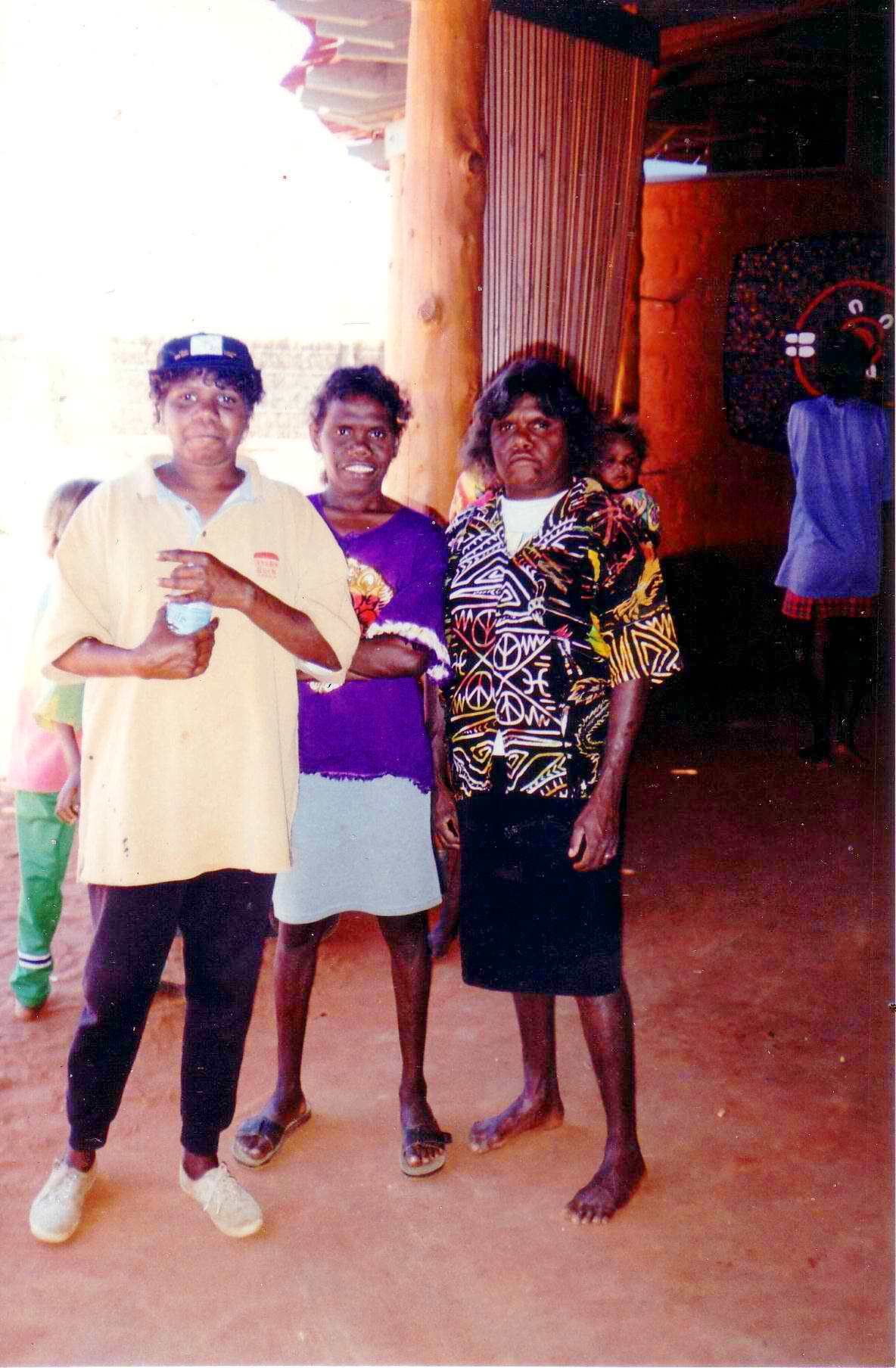
Throughout the three days, remember that you are on Anangu land. The climb is permanently closed, some places are sacred and signs will ask you not to photograph them, and the best thing you can do is follow them. Buy art directly from the galleries, listen to rangers and guides, and leave nothing behind.