Uluru can be visited all year, but the experience changes dramatically with the season. The desert is a place of extremes, with hot days, cold nights and a climate that can shut walking tracks and reshape the best times of day. Here is how to think about when to go and what to do in each part of the year.
April to September: the comfortable months
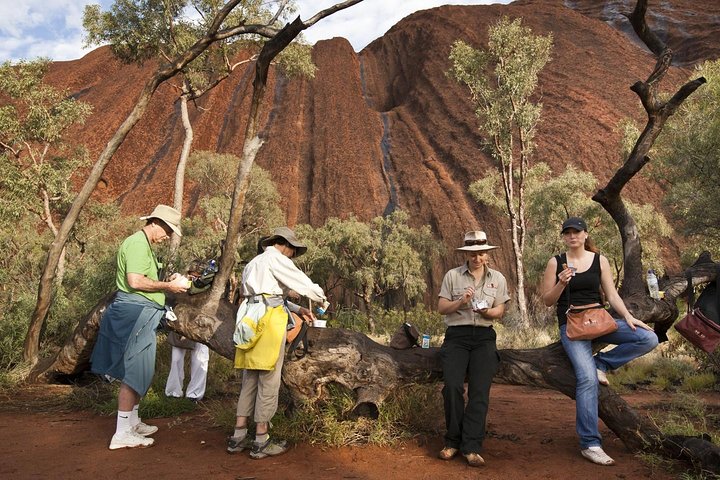
This is the popular season, and for good reason. Days are mild to warm, mornings are cold and the air is clear. Walking is a pleasure, the base walk and the Valley of the Winds are at their best, and the middle of the day is usable for outdoor activities. Nights can fall close to freezing, so pack warm layers, a jacket and a hat for sunrise. This is also when the resort is busiest, so book flights, accommodation and your favourite tours early. The Wintjiri Wiru experience adds a later After Dark session in these months, which is a useful option if you want a later evening. The ranger-guided Mala walk starts at ten in the morning from May to September, so you do not have to rise before dawn to join it.
October to March: the hot months
From spring into summer the heat builds, and by midsummer the temperatures are extreme. The park shifts its rhythms to protect visitors. Individual tracks close in the afternoon, the Valley of the Winds closes from eleven in the morning when thirty-six degrees or more is forecast, and in the hottest weeks the circuit may be cancelled altogether. The ranger-guided Mala walk starts earlier, at eight, from October to April. Visitors who come in summer do almost everything between dawn and about ten, then retreat to the pool or the Cultural Centre, and head out again in the evening. It is a very different holiday, quieter and cheaper, with fewer crowds and with the compensation of hot, long evenings under the stars.
Flies and insects
Bush flies are a feature of the warmer months and can be a nuisance on walks. A hat with a fly net, insect repellent and light long sleeves help. Flies are less of an issue in the cooler months, though you should still bring repellent.
Rain
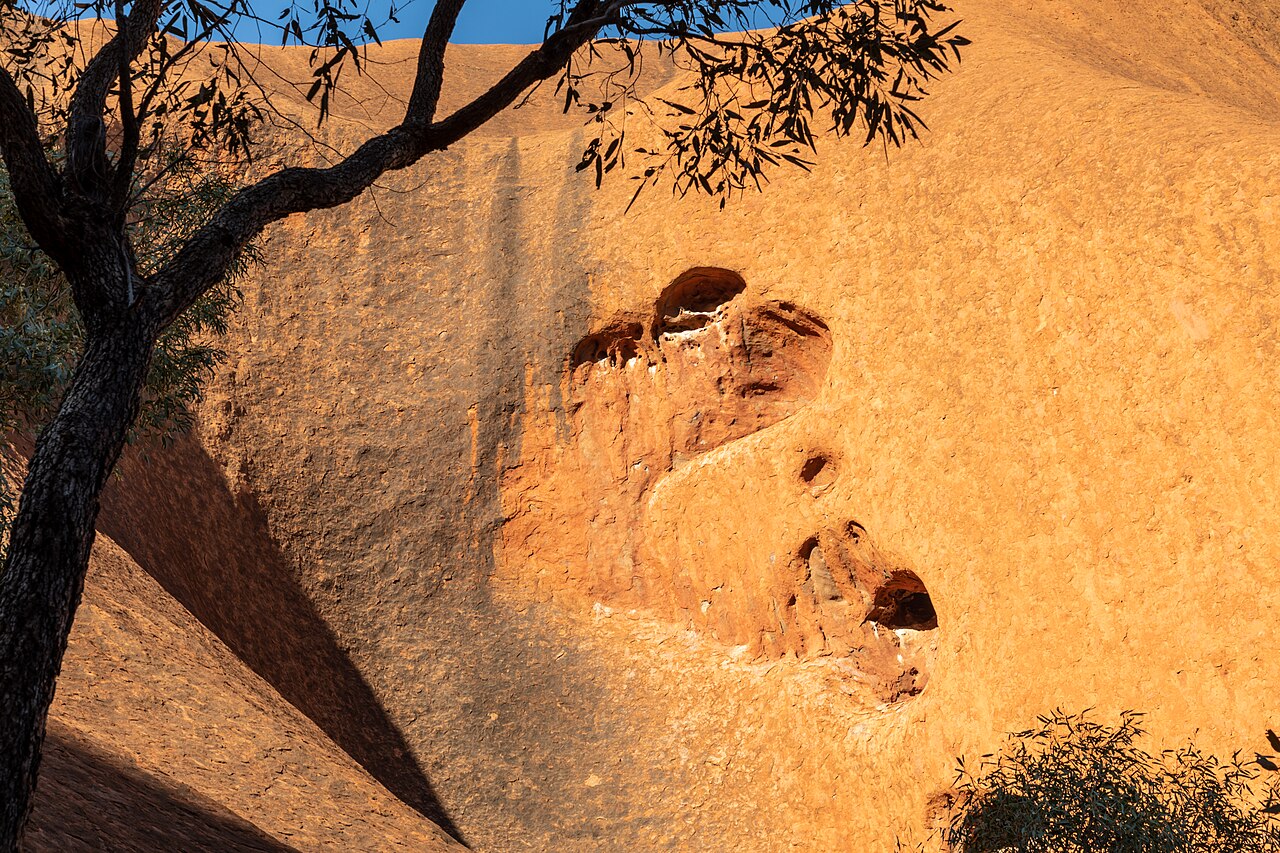
Rain is uncommon but dramatic. After heavy falls the rock sheds water in streams and waterfalls, and places such as Kantju Gorge and the Mutitjulu Waterhole come alive. If you are lucky enough to be there, it is one of the best things you can see. Rain can also affect tracks and roads, so check conditions with the park before you set out. Late winter can bring wildflowers, including pink daisies near the Walpa Gorge entrance.
School holidays and events
Australian school holidays and the cooler months bring families and tour groups, which affects availability of rooms and the evening experiences. If you can, travel outside those peaks, or book several months ahead. The cheaper end of the market, such as the Outback Hotel and the lodge, fills quickly in the busy season.
What to do in each season
In the cool months, prioritise the full sunrise base walk, the Valley of the Winds, the Field of Light and a long evening at Wintjiri Wiru or the Sounds of Silence dinner. In the hot months, choose shorter and earlier options: the Kuniya walk and Mutitjulu Waterhole, the Walpa Gorge walk early in the morning, the Cultural Centre at midday and a helicopter flight in the cool of the morning. Evening experiences work well in summer because the sky stays warm after dark, though you should still carry a light layer.
What to pack
For winter, a warm jacket, gloves and a beanie for sunrise, plus layers for the day. For summer, a wide-brimmed hat, light long sleeves, high-factor sunscreen, a large water bottle and electrolyte tablets. In both seasons, sturdy closed shoes, sunglasses and repellent. Carry more water than you think you need, because the gap between feeling fine and being in trouble is small in the desert.
The short answer
If you are flexible, aim for the cooler months, from April to September, and especially the shoulder weeks at either end, when the weather is good and the crowds are lighter. If you can only go in summer, go anyway, keep your plans flexible, start early and treat the heat as a reason to slow down. The rock is just as magnificent in either season, and each has its rewards.