Uluru is a long way from anywhere, and a little planning makes the difference between a rushed photo stop and a trip you remember for life. The rock and the domes of Kata Tjuta lie inside Uluru-Kata Tjuta National Park, which is Anangu land, and the resort town of Yulara, about twenty kilometres from the rock, is where almost everyone stays. Here is how to plan it.
Start with respect
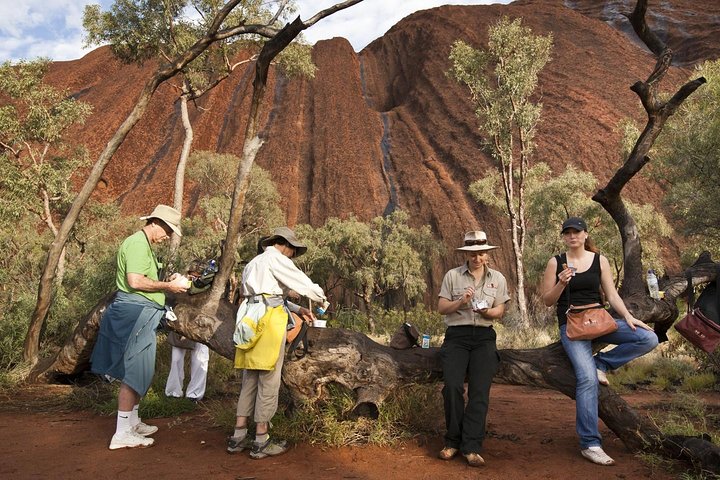
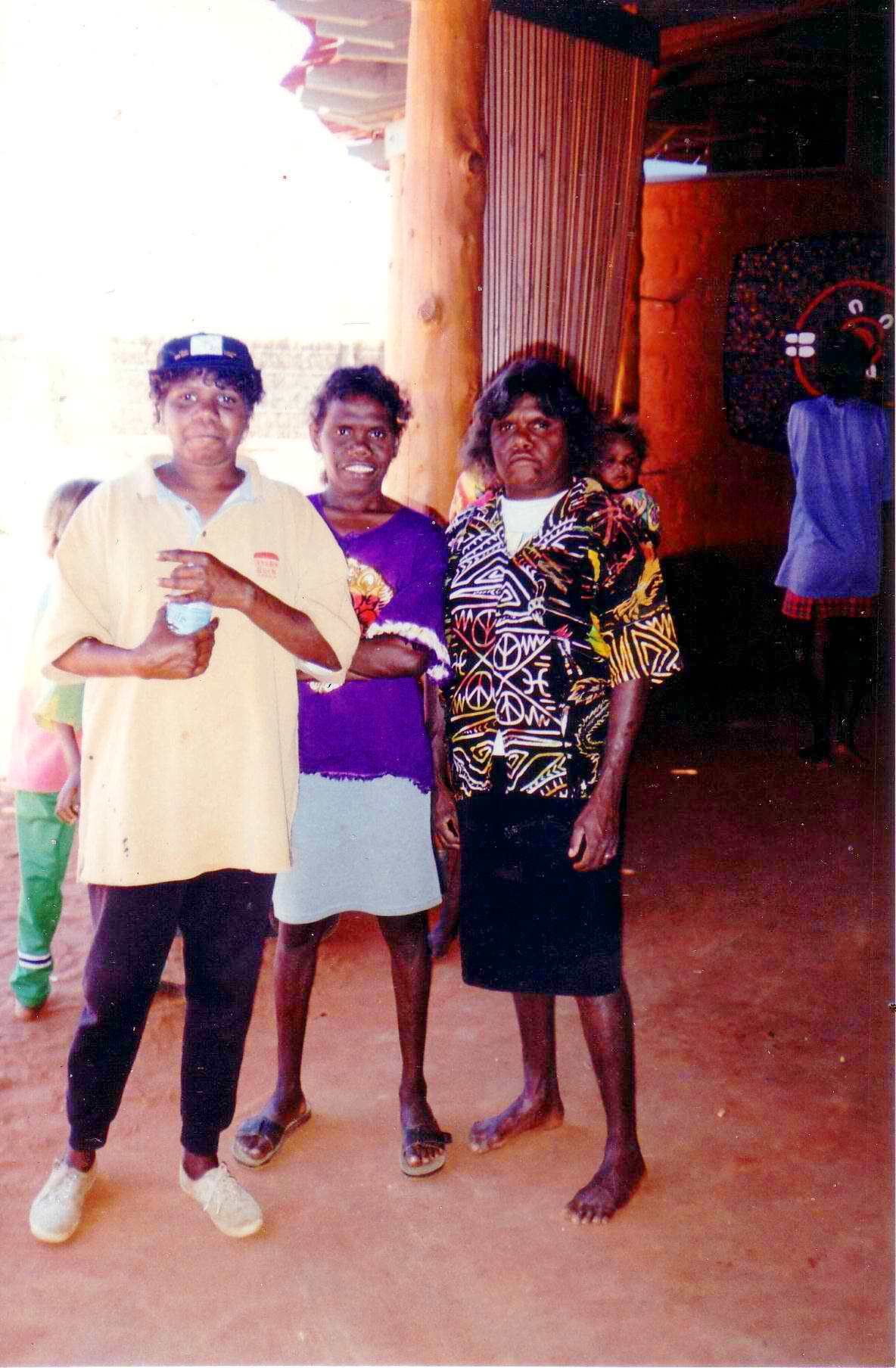
The Anangu are the traditional owners, and they ask visitors to learn before they walk. The climb was permanently closed on 26 October 2019, and there is plenty to do instead: walk the base, join a ranger or Anangu talk, and visit the Cultural Centre first. Some places are sacred, and signs ask you not to photograph them. At Kata Tjuta, the Valley of the Winds is a culturally sensitive area where you should not photograph or film the domes. Follow every sign, stay on the tracks, and leave drones at home.
How many days
Two full days is the sweet spot. One day works if you book a guided tour and accept a rush, while three days lets you add Kata Tjuta properly, a night experience and a slower pace. Plan around the heat: from April to September the days are mild and the mornings cold, while in summer you should do everything early and rest at midday, because some tracks close in the afternoon and the Valley of the Winds closes from eleven in the morning when thirty-six degrees is forecast.
What to book ahead
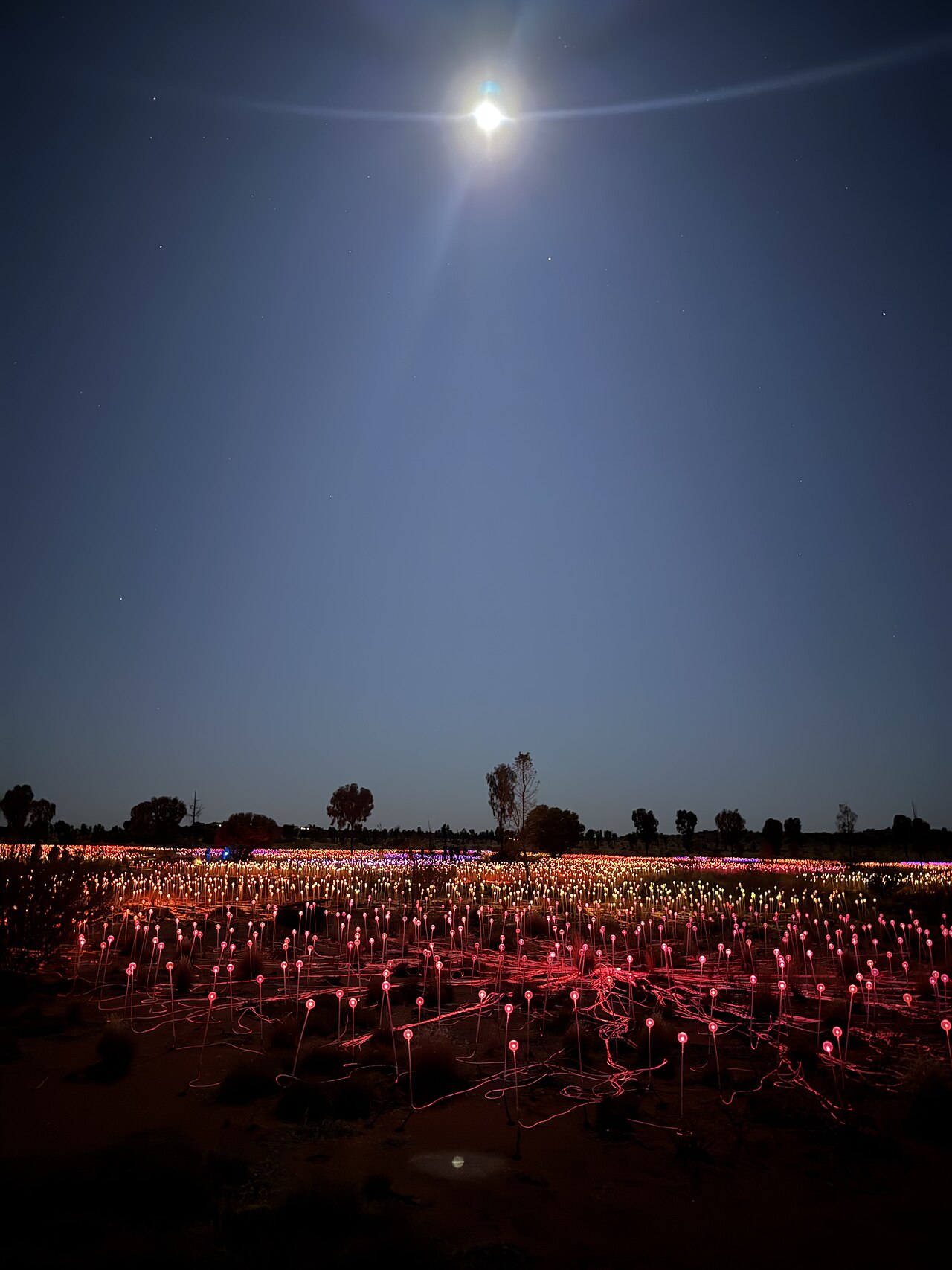
First, your park pass, which is needed for anyone aged 18 and over and lasts three days; you can buy it online or at the entry station, and children and teenagers under 18 enter free. Next, your anchor tours: a guided sunrise base walk for the best way to understand the rock, and a small-group sunset for the colours. Then one night experience, either the Field of Light or Wintjiri Wiru, and a helicopter flight if the budget allows. Book the Valley of the Winds hike early in your stay so a hot day does not leave you with no fallback.
Getting around
Most visitors fly into Ayers Rock Airport, which is close to Yulara, and the resort provides return airport transfers and a free shuttle bus around its hotels and the town square. To reach the national park you can join tours that pick up at your hotel, or hire a car, which gives you the freedom to drive to Talinguru Nyakunytjaku for sunrise. Distances are long and the roads are remote, so keep your fuel topped up and drive carefully at dawn and dusk when animals are active.
A simple two-day plan
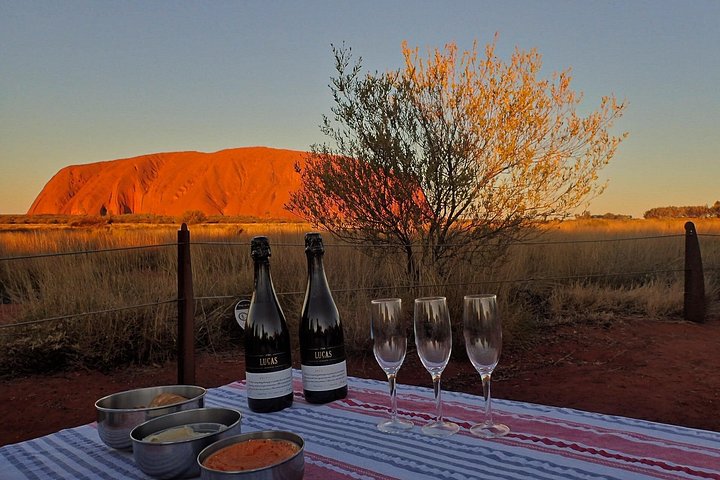
On day one, visit the Cultural Centre when it opens, then rest through the heat, and finish with a small-group sunset. After dark, go to the Field of Light. On day two, do the sunrise base walk with breakfast, rest in the middle of the day, and spend the afternoon on a short walk or a helicopter flight, ending with Wintjiri Wiru if you want a second night experience. If you have a third day, hike the Valley of the Winds at first light, or take the long day trip to Kings Canyon.
Free things worth your time
Once you hold a park pass, some of the best experiences cost nothing more. The ranger-guided Mala walk to Kantju Gorge is free and starts at eight in the morning from October to April and at ten from May to September. The short Kuniya walk leads to Mutitjulu Waterhole, which is shaded and green, and the Walpa Gorge walk takes you between the high walls of Kata Tjuta in about an hour. Add the Cultural Centre and the sunrise viewing area and you have a full day of low-cost sightseeing before you spend anything on tours.
After dark
The desert sky is part of the visit, not an extra. Besides the Field of Light and Wintjiri Wiru there is the Sounds of Silence dinner on a dune top and a one-hour stargazing tour with telescopes from the town square. Pick one or two rather than all of them, and keep at least one evening free so you are not tired for the early starts.
What to carry
Water is the priority, with more than you think you need, along with a hat, sunscreen, sturdy shoes, a warm layer for dawn and dusk, and insect repellent for the flies. Mobile coverage is limited away from the resort, so download maps in advance. The Cultural Centre cafe is the only place to buy food and drink inside the park, so pack snacks.