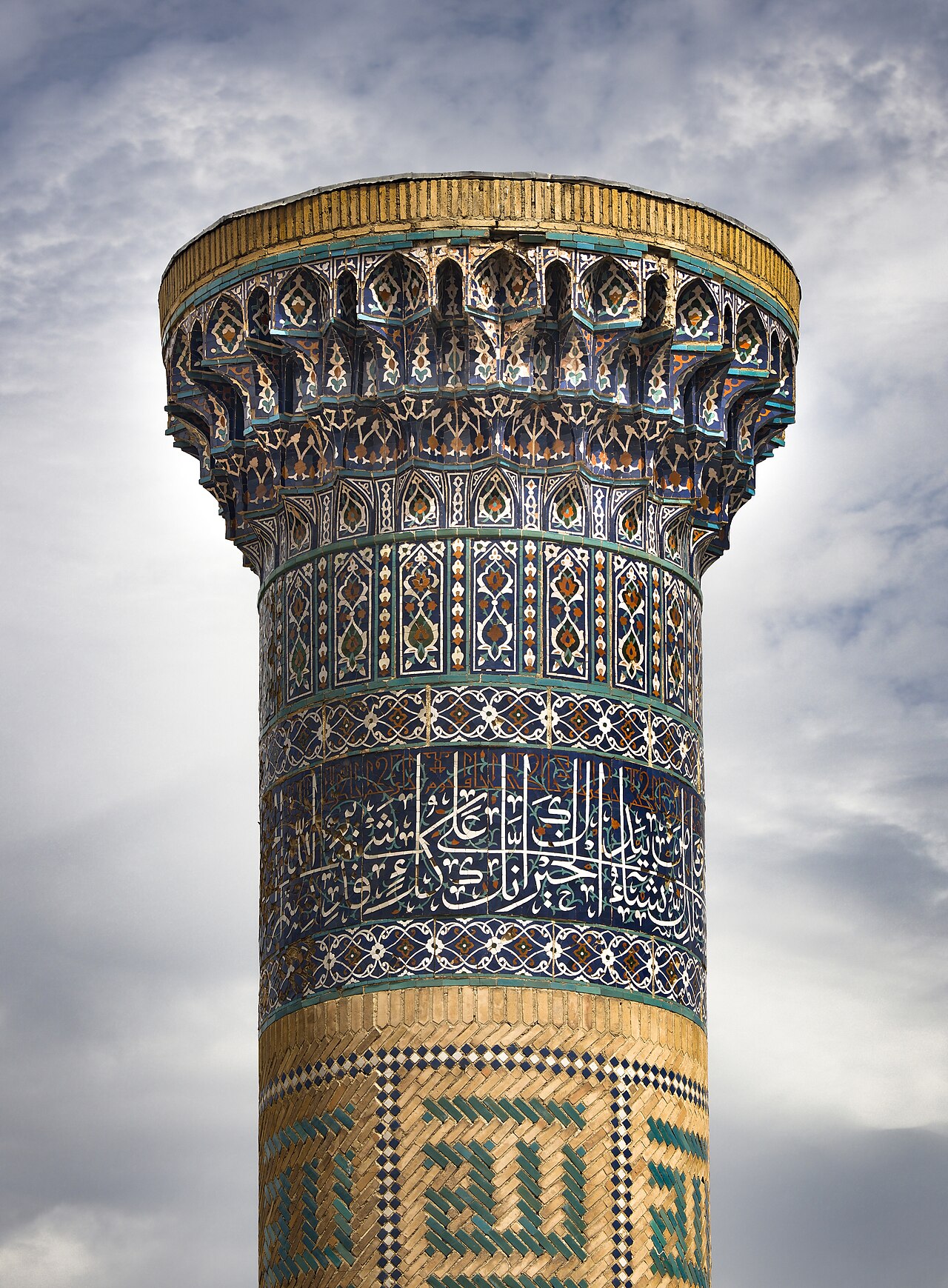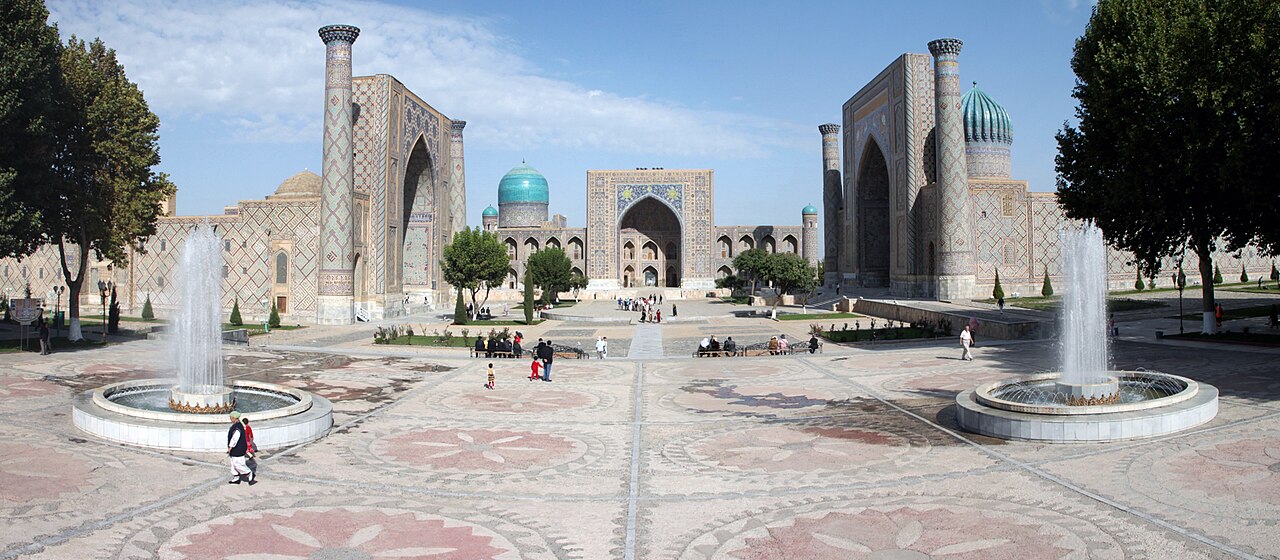
Samarkand and Bukhara are the two great Silk Road cities of Uzbekistan, and together they make one of the most rewarding short trips in Asia. Samarkand is monumental, with the Registan, Gur-e-Amir and the Shah-i-Zinda avenue of tombs. Bukhara is intimate, a lived-in old town of trading domes, a pond-side square and a great minaret. Here is how to plan a first visit without wasting a day.
What to book ahead
Very little in Uzbekistan needs weeks of notice, but a few things do. First, the Afrosiyob high-speed train: tickets go on sale on the official Uzbekistan Railways site, eticket.railway.uz, and in the railway.uz app, typically about sixty days before departure, and popular services sell out, so book as soon as your dates are fixed. Second, your hotels in April, May, September and October, when the weather is best and rooms in the old towns fill. Third, a guide for your first Samarkand day, because the stories behind the tilework, the tombs and Timur's family are what make the buildings come alive. Finally, if you are based in Tashkent, an all-inclusive Samarkand day trip handles tickets, a driver and lunch in one booking. Check visa rules for your nationality before you go, as many visitors now enter visa-free, but requirements change.
How to get around
The Afrosiyob is the star: roughly two and a half hours from Tashkent to Samarkand and about two more from Samarkand to Bukhara. It has Economy, Business and VIP seats and a restaurant car. Stations have airport-style security, so arrive early with your passport. Within each city, taxis and ride-hailing apps are inexpensive, and hotels can arrange drivers. Samarkand is spread out, so you will take short rides between the Registan, Shah-i-Zinda, Gur-e-Amir and Bibi-Khanym. Bukhara's old town is compact and best on foot, but its railway station is well outside the city, so build in a taxi transfer on arrival.
How many days
Two full days in Samarkand and two in Bukhara is the sweet spot, plus the train time. With only one day in Samarkand, see the Registan, Gur-e-Amir and Shah-i-Zinda, and add Bibi-Khanym and Siyob Bazaar if time allows. With two, add the Ulugh Beg Observatory and a slower afternoon, or take the Shakhrisabz day trip over the mountains to Timur's birthplace. In Bukhara, one day gets you Lyab-i Hauz, the trading domes, the Kalon complex and the Ark; the second day lets you slow down, sit in a teahouse and revisit the old town at dusk.
Where the headline sights fit
In Samarkand, go to the Registan first thing or late in the day for the best light, then take the Shah-i-Zinda in the morning when it is quiet. Gur-e-Amir is short and fits before or after. Bibi-Khanym and Siyob Bazaar make a good lunch stop, with the market closed one day a week, so check. In Bukhara, start at Lyab-i Hauz in the morning, follow the lanes through the trading domes to the Kalon complex, and finish at the Ark. The Kalyan Minaret is viewed from the ground, and the Mir-i-Arab Madrasa is still a working school, so it is admired from outside.
When to go and what to expect
Spring and autumn are ideal. July and August are very hot, so plan sightseeing early and late. November is cool, with fewer visitors, though some seasonal hours are shorter, so check posted times at the Registan and Bibi-Khanym. Dress modestly at religious sites, with shoulders and knees covered. Carry some cash, as small purchases in bazaars and teahouses are usually in local currency.
A simple plan
Arrive in Tashkent, take the morning Afrosiyob to Samarkand, spend two nights there, take the train on to Bukhara for two nights, then return to Tashkent by the same line. If you have a spare day, add Shakhrisabz. And leave an evening free in each city: the Registan at dusk and Lyab-i Hauz after dark are among the best moments of the trip.