Bukhara's historic centre is one of the best-preserved Silk Road cities in Central Asia and a UNESCO World Heritage site. Unlike Samarkand's monumental set pieces, it is a continuous old town of brick lanes, covered bazaars, courtyards and religious buildings, still used by people who live and work there. The social heart is Lyab-i Hauz, whose name means by the pond. The square is built around a large pool, shaded by old mulberry trees, and framed by the Nadir Divan-Beghi Madrasa and khanaqah and the Kukeldash Madrasa. Teahouses and restaurants set tables beside the water, and in the evening the square fills with locals and visitors. From here, a short walk takes you through the trading domes, the vaulted market crossroads that once handled the caravan trade in hats, jewellery and money changing and today sell scarves, suzani embroidery, ceramics and knives. Small-group guided walks, which many travellers find the best introduction to the old town, link Lyab-i Hauz with the domes, madrasas and mosques, and a guide can explain what each building was for. The old city is compact enough to explore on foot, and wandering without a plan is also rewarding, particularly in the early morning and the evening.
The history explains why Bukhara looks as it does. For centuries it was a major centre of Islamic learning and trade, with hundreds of mosques and madrasas, and its rulers, from the Samanids to the emirs of the nineteenth century, left their mark. The Lyab-i Hauz pool is part of a system of old reservoirs; in the past many such ponds were unhealthy and were drained during the twentieth century, but this one was preserved. The covered bazaars, known as trading domes, sit at street crossings and were built to shelter merchants in all weathers.
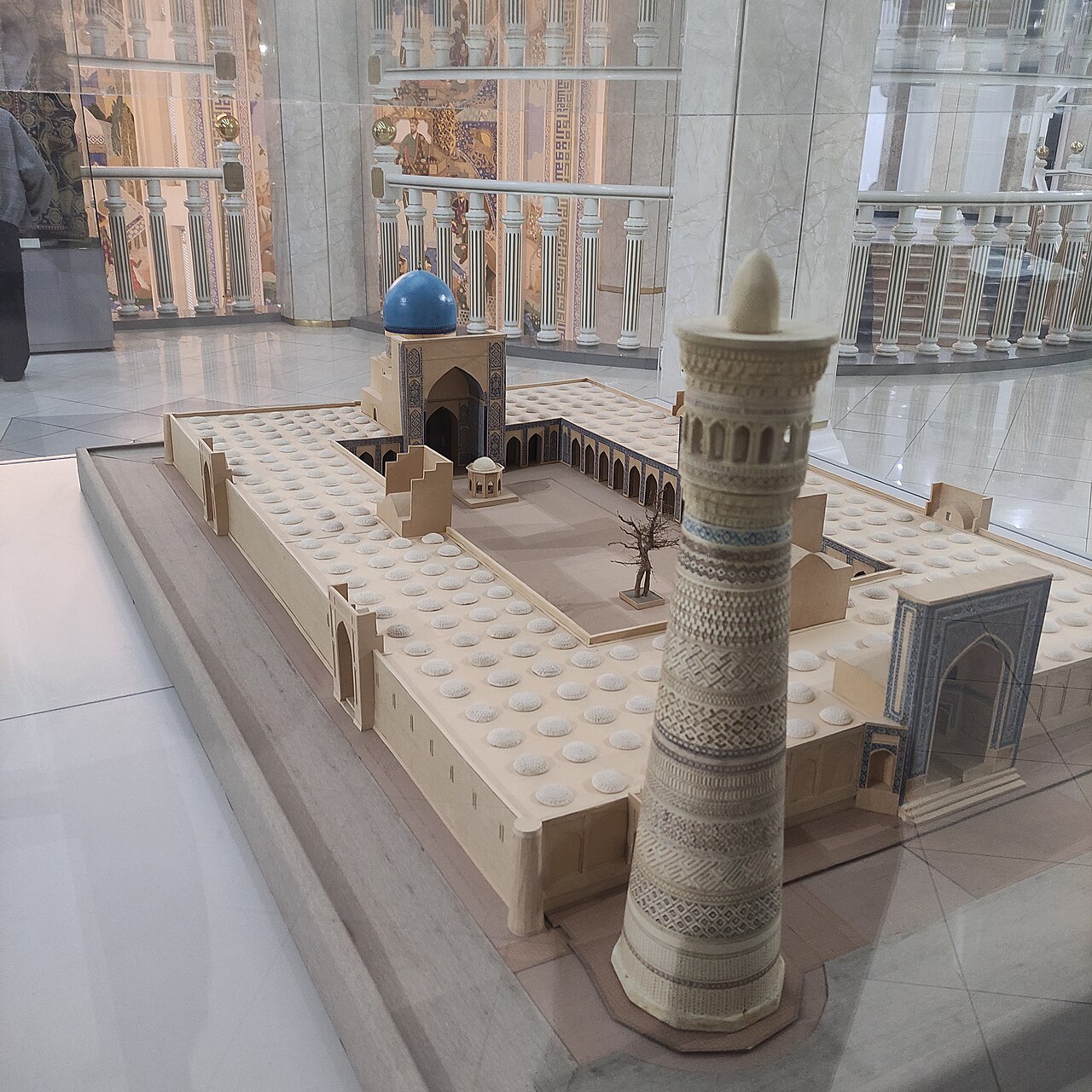
Working the visit: start at Lyab-i Hauz in the morning, when the square is calm, and look at the madrasas and the statue of Nasreddin Hodja, the folk-tale trickster, near the pond. Then follow the lanes toward the domes, spending time inside the craft shops where artisans work, and continue to the Kalon complex. A small-group walking tour of about three hours covers this route and is a cost-effective way to see it; the guide adds stories and points out details you would miss, such as the old caravanserai courtyards and the traces of synagogues from Bukhara's Jewish quarter.
When to go and what to avoid: spring and autumn are most comfortable, and November is cool with fewer tourists. In midsummer, plan to walk early and again after sunset. Souvenir shops quote high first prices, so compare and bargain politely. Keep small notes for tea and snacks, and wear comfortable shoes for uneven brick paving. Evenings at Lyab-i Hauz are pleasant for dinner, but the restaurants beside the pool are priced for visitors, so for a better meal walk a few streets away. Most of the major Bukhara sights lie within a twenty-minute walk of the pond.
What to expect
The experience
A guided small-group walk through Bukhara's old city, taking in Lyab-i Hauz, the trading domes and several madrasas and mosques.
Best time
Morning for cool air and quiet lanes, or late afternoon into the evening for the lively atmosphere at the pond.
How long
About three hours with stops, plus free time for shopping and tea.
Tips
Wear sturdy flat shoes, carry water, bargain politely in the domes and eat a street or two back from the pond for better value.
Quick picks
- Best for
- First-timers who want an overview and the stories behind the buildings in a single morning.
- Families
- Compact and walkable, with the pond and tea stalls for breaks, though paving is uneven for strollers.
- Couples
- Lyab-i Hauz at dusk, with lights on the water and tea under the mulberry trees, is a highlight.
- Pair with
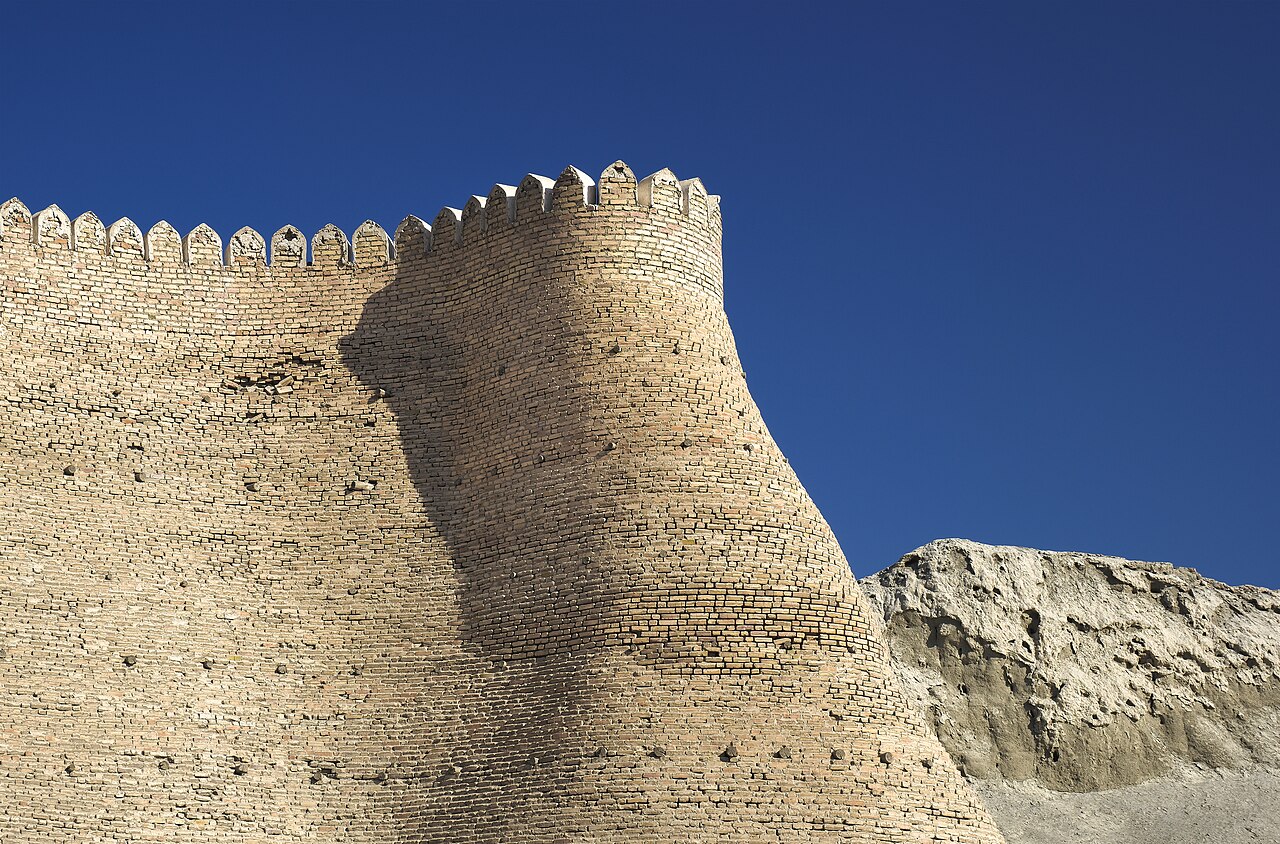
- The Kalon complex and the Ark of Bukhara on the same day.
- Time needed
- Three hours with a guide, or a leisurely half-day alone.
Good questions
What does Lyab-i Hauz mean?+
It means by the pond in Tajik and Persian, referring to the large pool at the centre of the square. It is surrounded by old mulberry trees, madrasas and teahouses.
Do I need a guide in Bukhara?+
The old city is easy to wander alone, but a guide explains the history of the madrasas, trading domes and caravanserais. A small-group walking tour is usually good value.
How long should I spend in the old city?+
Allow three hours for a guided walk, and a full day or two if you want to visit the major monuments and the craft shops at a gentle pace.
Is it safe to walk at night?+
The old town is generally relaxed in the evening, especially around Lyab-i Hauz. Use ordinary city caution with valuables and uneven paving.
Is it a good place to shop?+
Yes, the trading domes sell suzani, ceramics, scarves and knives, with prices open to negotiation. Compare a few shops before you buy.