Sagunto sits roughly thirty kilometres north of Valencia, and it is one of the oldest continuously inhabited places on the Spanish Mediterranean coast. Iberians, Romans, Moors and medieval Christians all left their mark on the long ridge above the town, and a half-day trip from the city lets you walk through most of that story in one go. The two headline sights are the Roman theatre, built into the hillside in the first century and still used for summer performances, and the castle that crowns the ridge, a sprawling fortress whose walls run for nearly a kilometre along the crest. In 219 BC the town, then called Saguntum, was besieged by Hannibal, and its fall helped to trigger the Second Punic War, which is why Roman historians treated it as a place of heroic resistance. The tour combines the theatre, the castle and the local museum, so you get context as well as views, and it saves you working out the bus or train connections yourself. The theatre has been heavily restored in a modern style that divides opinion, but the setting and the acoustics are impressive either way, and from the upper terraces you can see across the orange groves to the sea. It suits travellers who enjoy ruins and big views, and it makes an easy contrast with the polished modern skyline in Valencia itself.
How to take it
The trip departs from Valencia, usually in the morning, and returns in time for a late lunch, so plan for the better part of a day even though the distance is short. Wear shoes with good grip, because the paving inside the castle is worn and uneven, and the climb to the upper terraces is steady rather than steep. Bring water and a hat, since there is little shade on the ridge, and a light jacket in winter when the wind picks up along the walls.
What to expect
Expect a guided walk through the lower town, a visit to the theatre, then a longer wander through the castle precinct, with its terraces, cisterns and the ruins of the old Roman forum. The museum adds finds from the excavations, and a guide helps make sense of what can look like a jumble of stones. If you have a particular interest in Roman Spain, ask whether the Roman circus remains and the old Jewish quarter are part of that day, since the exact route can vary between operators.
Making the most of it
Choose a clear day, because the views are half the point, and go in the cooler months or early in the morning if you are visiting in summer. The trip combines well with a lazy beach afternoon back in the city, or with a paella dinner after the heat has gone.
Families with older children tend to enjoy the castle walls, though the unfenced edges mean that very small children need close supervision. Check when you book whether the tour includes entry fees, lunch or only guiding, and confirm the meeting point, since some departures leave from the city centre rather than the station.
Good to know
Sagunto is easy to combine with a lazy lunch, since the town has plenty of bars serving rice dishes and seafood. The castle is large enough that even a guided visit only covers the main terraces, so if you love ruins, consider staying a little longer on your own. Photography is best from the upper platforms, and the stones glow in late light. Accessibility is limited by the slopes, so ask the operator for advice.
What to expect
The experience
A guided half-day trip by road to the theatre, the castle and the local museum.
Best time
Spring and autumn mornings, when the ridge is mild and clear.
How long
About four to five hours including travel.
Tips
Wear grippy shoes, carry water and a hat, and check what the entry fees cover when you book.
Quick picks
- Best for
- History lovers who like ruins with a view.
- Families
- Good for older children who enjoy castles; watch the unfenced edges.
- Couples
- Atmospheric at golden hour if your departure allows.
- Pair with
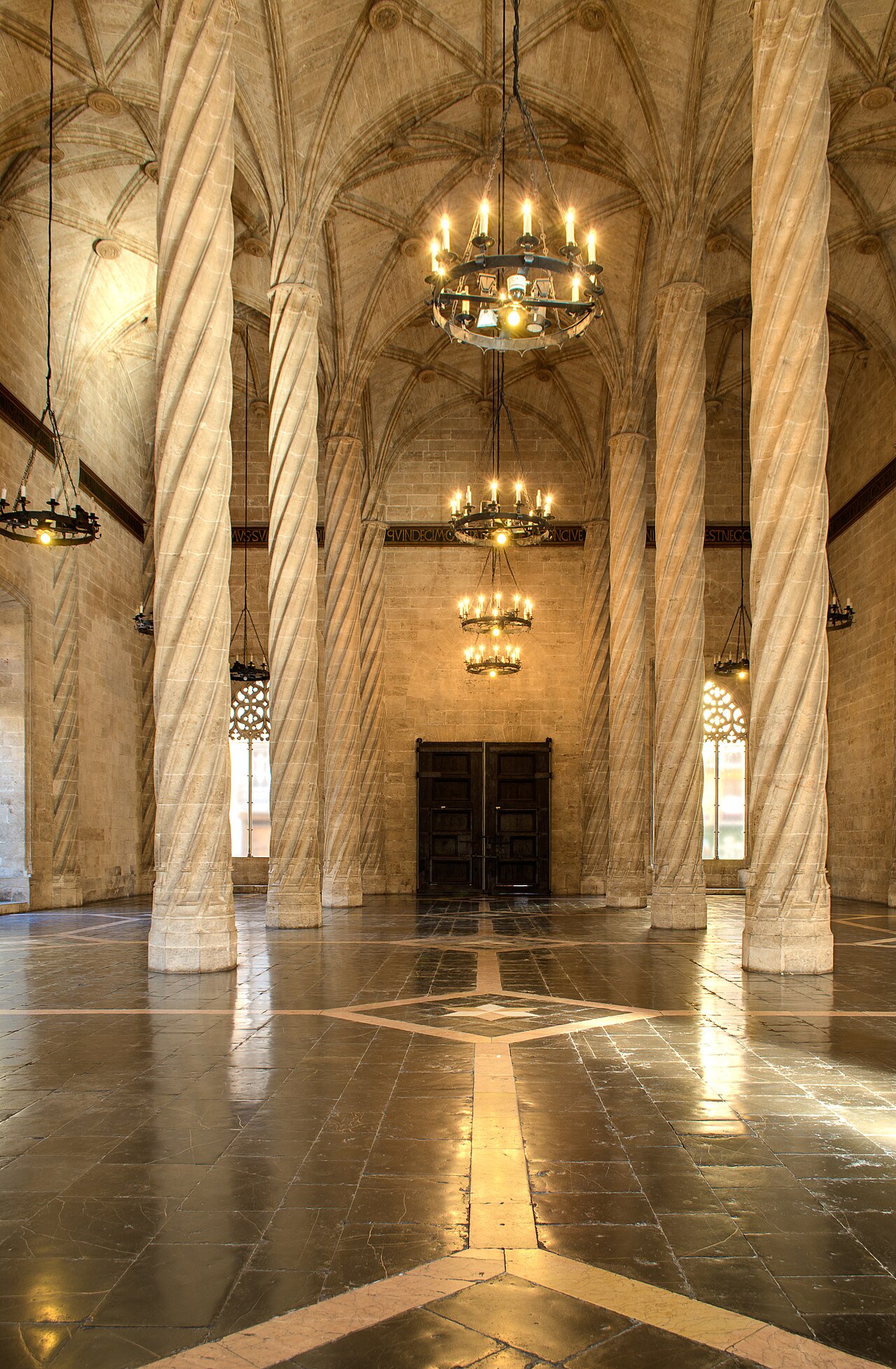
- The Silk Exchange and the Serranos Towers.
- Time needed
- Allow half a day.
Good questions
How far is Sagunto from Valencia?+
About thirty kilometres to the north, roughly half an hour by road or a short ride on the regional train.
Is the Roman theatre original?+
The structure dates from the first century, but it was restored heavily in the late twentieth century. Some visitors dislike the modern stonework, while others find it helps them picture the original.
Is there a lot of walking?+
Yes. The castle is long and uphill in places, so expect a couple of hours on your feet in total.
Can I go without a tour?+
Yes, trains run from Valencia, but a guided trip handles transport and explains the layers of history, which are easy to miss alone.
Is it suitable for children?+
Older children usually enjoy it, but some edges are unfenced, so keep younger ones close.