Victoria is a city you can visit in any month. It sits in the rain shadow of the Olympic Mountains, so it is noticeably milder and drier than Vancouver and most of the rest of the British Columbia coast, and its two headline experiences, The Butchart Gardens and whale watching, run all year. What changes with the calendar is the mood, the crowds, the price of a room and a handful of seasonal opportunities. This guide walks through the year so you can match the season to the trip you want.
Spring: blossom, bulbs and the first warm days
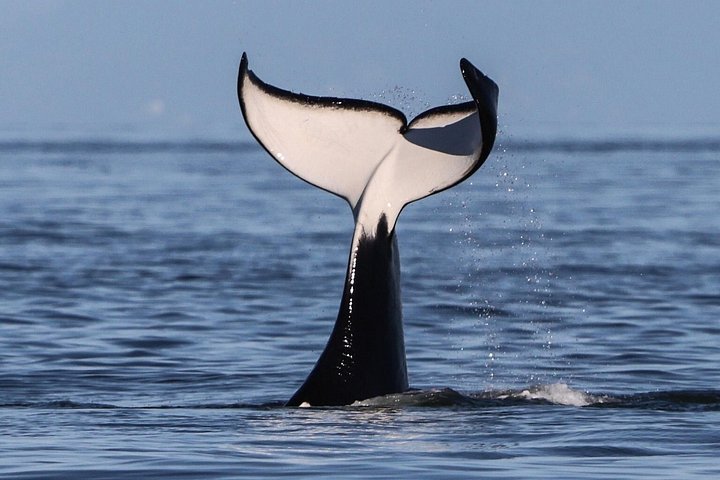
Victoria likes to call itself the City of Gardens, and spring is when the name is earned. Flowering trees line the streets before most Canadian cities have seen a leaf, the Garry oak meadows of Beacon Hill Park fill with native wildflowers, and The Butchart Gardens moves through its bulb displays into rose season. Days are often bright but cool, and showers still come through, so pack a light waterproof. Crowds are modest outside the Easter and Victoria Day long weekends, hotel rates sit below summer levels, and this is a good time for walking, gardens and the museums. Whale-watching boats of every kind are back on the water as the season opens up.
Summer: long days, full boats and the busiest weeks
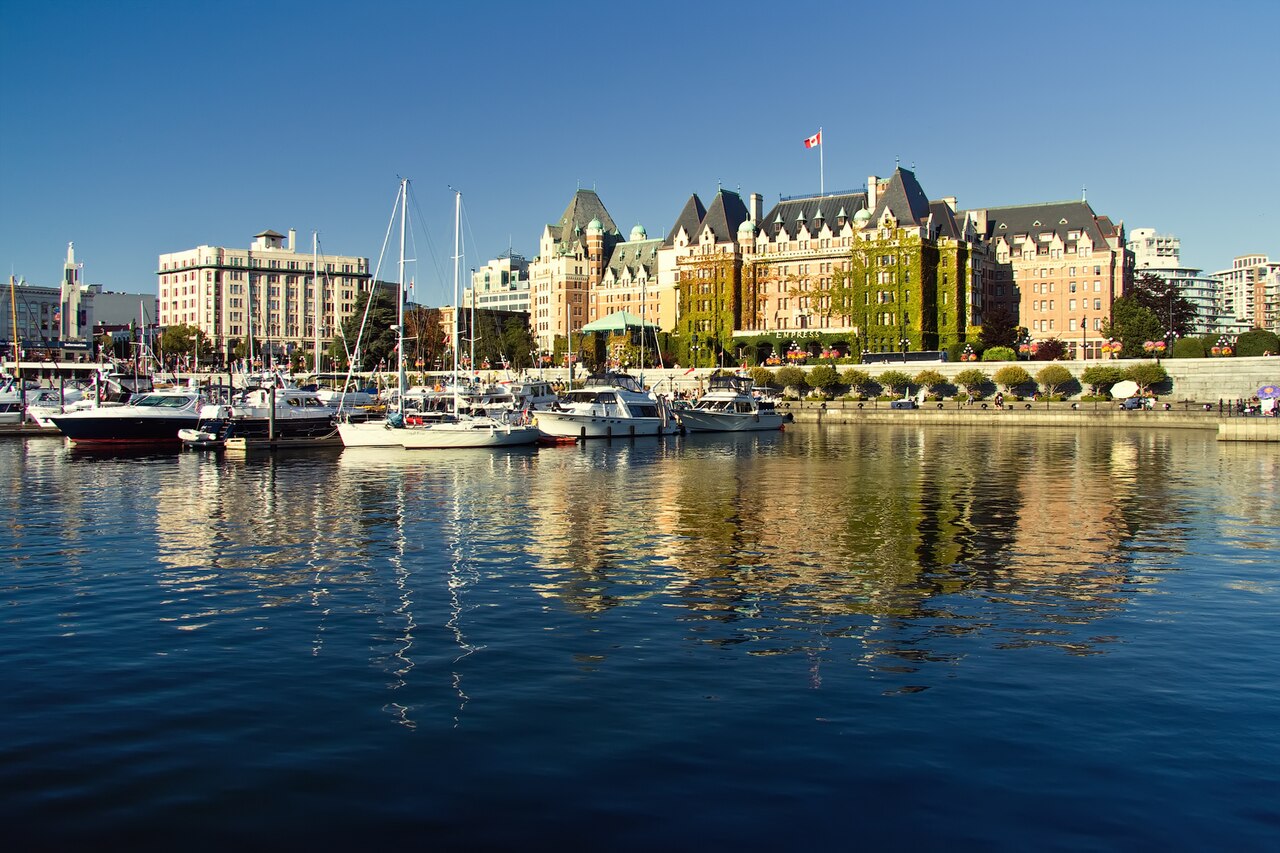
July and August bring the driest, sunniest weather, light until late in the evening, and the harbour at its liveliest, with buskers on the causeway, seaplanes constantly landing and cruise ships calling at the port, which operates from spring to autumn. They also bring the highest hotel prices and the fullest ferries and tours. If you travel in summer, book your room early, reserve the whale watch, the seaplane flight and any Empress afternoon tea ahead, and buy Butchart tickets in advance. Visit the gardens early in the day, before the tour buses arrive. Summer is the best season for harbour activities such as the kayak tour and the sightseeing cruise, for the Malahat SkyWalk views on clear days and for the larger covered catamaran whale-watching trips, which are the right choice for families and anyone who prefers a calmer, drier boat with heated indoor seating.
Autumn: the quiet favourite
Many locals will tell you that September and October are the best months. The crowds thin after Labour Day, the weather is often still pleasant, and the gardens turn colour, with the Japanese Garden at Butchart a highlight. From mid-October the Goldstream River fills with returning chum salmon, which draw bald eagles and other wildlife, a free spectacle that continues into early December. Rain becomes more frequent as autumn deepens, but it is rarely heavy for long. This is an excellent season to combine the gardens with the Butterfly Gardens, the Royal BC Museum and a walking tour, and prices fall noticeably from the summer peak.
Winter: mild, moody and good value
By Canadian standards Victoria has an easy winter, with snow rare in the city and temperatures that stay above freezing on most days. The trade-off is more cloud and rain, and shorter opening hours, so check before you go. In the cooler months the covered whale-watching boats stop running and the small Zodiacs carry on, with survival suits provided, which means fewer seats per departure and a faster, wilder ride, so book ahead. Butchart stays open every day, and from 1 December to 6 January the Magic of Christmas fills the gardens with lights, when a timed ticket is strongly recommended. Craigdarroch Castle and the Parliament tours keep weekday or Wednesday-to-Sunday schedules, and the Malahat SkyWalk closes briefly for maintenance in late November and sells its last ticket earlier in the day than in summer. Hotel rates in January and February are among the lowest of the year, and the Empress tea room feels especially cosy on a wet afternoon.
So when should you go?
For the best overall balance of weather, gardens and value, aim for late May, June or September. For the longest days and the best chance of a dry harbour trip, choose July or August and book everything early. For wildlife, October and November offer the salmon run and the eagles that follow it, while whale watching is a good bet in every season. For the lowest prices and the lights, go in early December or January. Whatever the month, keep one indoor plan in reserve, such as the Royal BC Museum, and remember that Victoria is small enough that a grey morning rarely ruins a trip; the harbour, the park and the museums are all within a short walk of each other.
Practical notes
Prices are in Canadian dollars. Most visitors arrive by BC Ferries from the mainland, by seaplane or passenger ferry across the water, or by air, and ferry crossings fill up on summer weekends and holiday weekends, so reserve a vehicle space if you are driving on. A rental car is only needed for the Saanich Peninsula and the Malahat, and the Inner Harbour area is best explored on foot in every season.