Warsaw is one of the better-value capitals in Europe, and a little planning stretches your budget a long way without making the trip feel thin. The city’s great strengths, the rebuilt streets, the parks, the river and the atmosphere, cost nothing, and its best museums are priced fairly. The trick is to know which things are free, which are worth paying for and where to save on food, transport and rooms. This guide sets out a practical approach for visitors who want the full Warsaw experience on a sensible budget.
Start with what is free
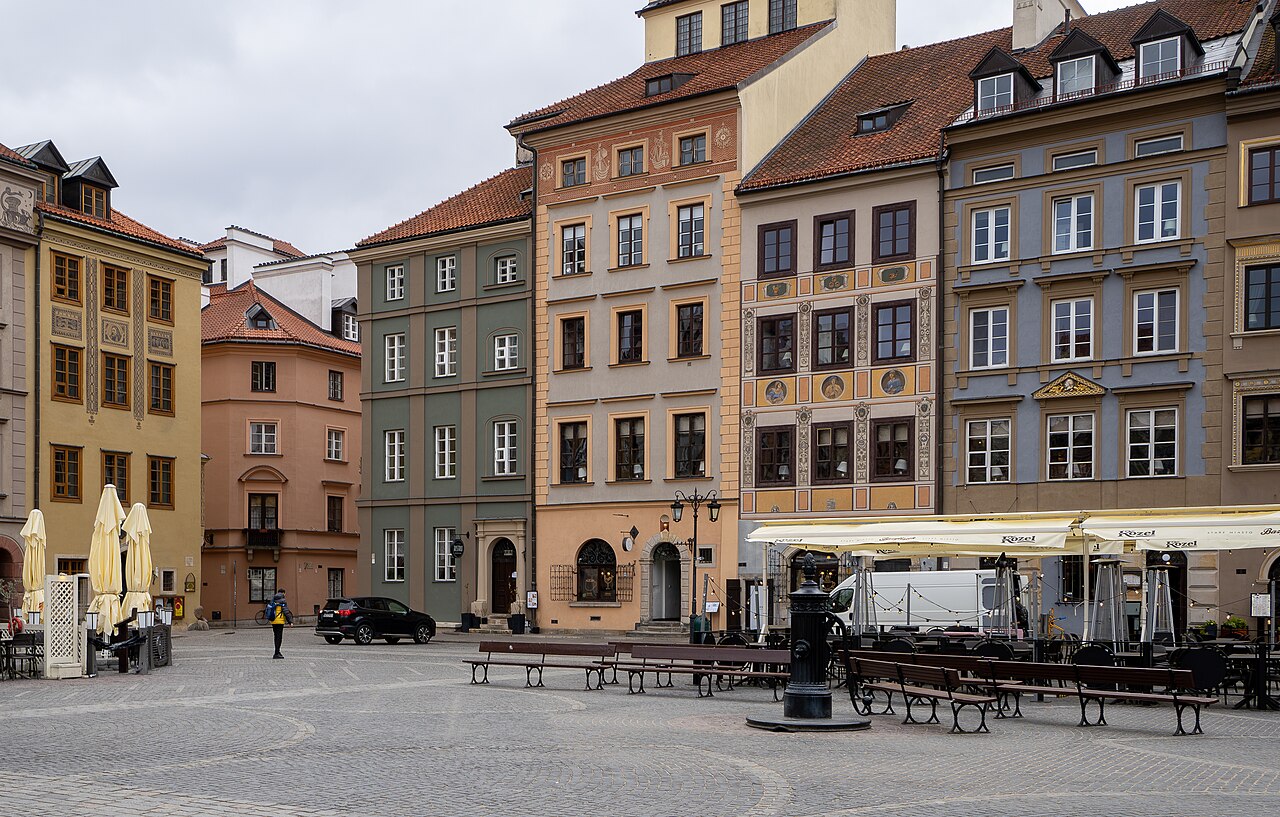
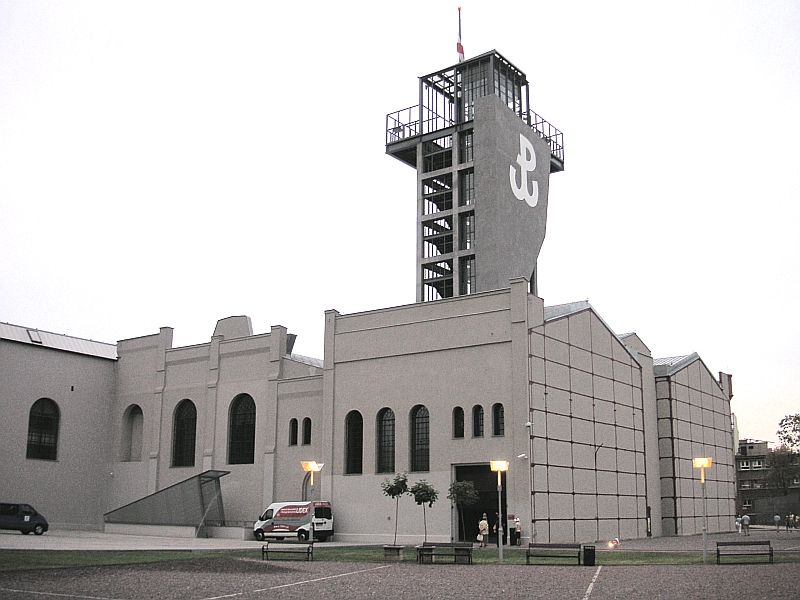
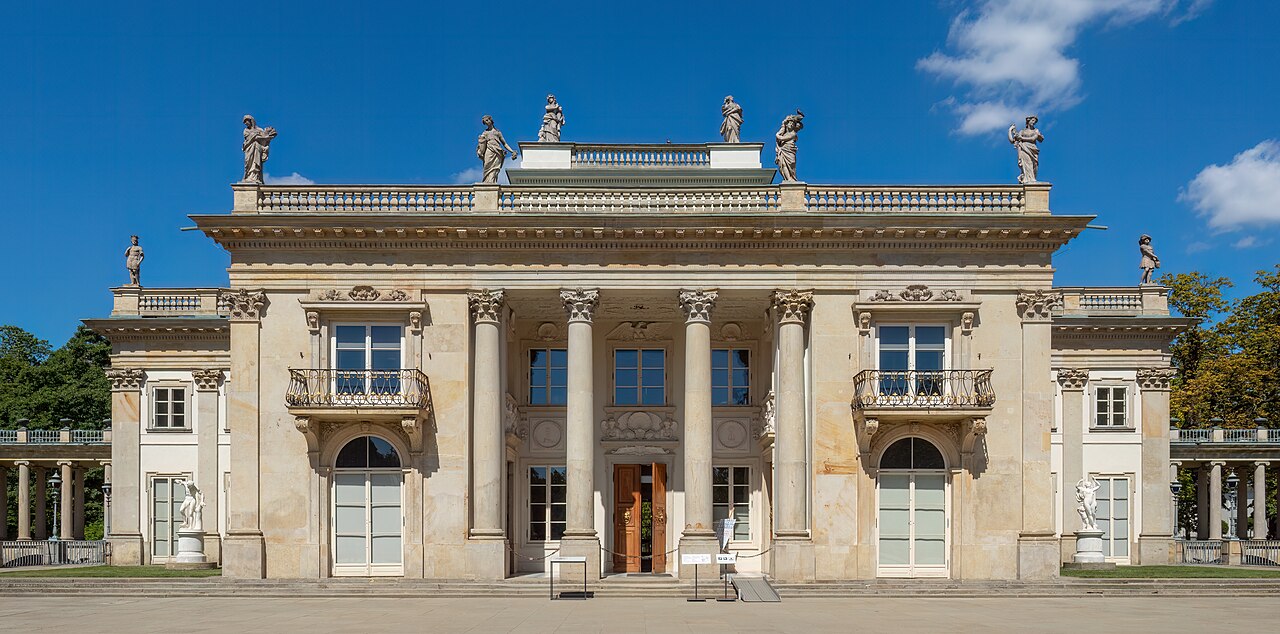
The Old Town, Castle Square, the Royal Route and Nowy Świat can be walked at no cost, and the rebuilt streets are the main attraction of the city. Royal Łazienki Park is free to enter and is among the loveliest parks in Europe, with palaces, peacocks, a Chopin monument and a pond. The Vistula boulevards and riverside beaches are open to everyone, as are the courtyards and murals of Praga. Several museums offer free entry on set days of the week, and the Warsaw Rising Museum is one that traditionally does, so check the current day on the museum’s site and plan your week around it. Churches, memorials and monuments, including the Monument to the Ghetto Heroes and the Little Insurgent, require no ticket.
Choose your paid sights carefully
You do not have to buy everything. Pick the sights that matter most to you and treat the rest as walk-bys. For history, the Warsaw Rising Museum and POLIN together give the most powerful picture of the city’s twentieth century, and they justify their entry fees. For views, either the Palace of Culture and Science terrace or Highline Warsaw at Varso Tower is enough; you do not need both. For music, one Chopin recital is a lovely treat, and daytime or early-evening concerts are often cheaper than late ones. Guided tours cost more than entry tickets but can save time, so use them selectively, for example for the ghetto area or a day trip, where context adds a great deal.
Eat the Polish way
The famous milk bars, known as bar mleczny, are a survivor of the communist era: canteen-style restaurants with simple menus of soup, dumplings, cutlets, potato pancakes and stewed fruit at very modest prices. They are a cultural experience as well as a bargain, and queueing at the counter, ordering from the board and carrying your tray is part of the fun. Lunch menus in many restaurants offer a soup and main course at a reduced rate, and bakeries sell filled pastries and doughnuts for a snack. Street food stalls, markets and the food halls of the converted industrial quarters in Praga give variety. Save your splurge for one memorable dinner rather than spreading small extras across every meal. Tap water is safe to drink, so carry a bottle.
Move around cheaply
Warsaw’s public transport network of metro, trams and buses is efficient and inexpensive, and a single ticket system covers all modes. Time-based tickets, such as twenty-minute, seventy-five-minute and 24-hour options, let you choose the right amount of travel for the day, and multi-day passes lower the cost further if you plan to ride a lot. Contactless payment and ticket machines are widely available. The centre is compact and walkable, so you may use transport mainly for Wilanów, Praga and the Rising Museum. Airport trains run to the centre in under half an hour at a fraction of the taxi fare. Rental scooters and bikes are available, but check the rules and parking before using them.
Sleep smart
Accommodation is the biggest variable. The cheapest rooms are in simple hotels and hostels near the main station and the centre, and mid-range chains outside the Old Town often cost less than boutique hotels on the Royal Route. Staying slightly out of the centre near a metro stop can lower your bill without costing much time. Book early for summer and the Christmas season, when prices rise, and compare rates that include breakfast, since a good buffet can replace a first meal. A city-centre location lets you walk back after dinner and saves taxi costs.
Sample budget day
Begin with a free walk through the Old Town and Castle Square, then take the museum free day for the Rising Museum or choose one paid museum in the afternoon. Have a milk bar lunch, spend the late afternoon in Łazienki Park and finish with sunset on the Vistula boulevards. If you want a treat, add a Chopin recital or an evening on the viewpoint. A day like this costs a fraction of a similar day in Paris, Vienna or London and feels no less complete.
Where to splurge
Spend on the things that deepen the trip: a guided history walk, a day trip such as Kazimierz Dolny or Żelazowa Wola, and a good dinner. These are the experiences visitors remember. Skip paid extras that you can replicate for free, such as a bus tour when a tram and a walking map will do. Check opening days before you go, as several museums close on Mondays or Tuesdays, and a wasted trip is the costliest mistake of all.