Polish food has a reputation for being heavy and brown, and that is only half true. It is hearty, built for cold winters, but the best of it is also honest, seasonal and surprisingly varied, and Warsaw has become one of the best cities in Central Europe in which to eat. Traditional dishes sit alongside a lively modern scene of chefs reinterpreting them, and cafes, bakeries and bars fill the streets of the centre and Praga. This guide covers what to order, where the culture of eating and drinking is strongest, and how to fit it around sightseeing, without recommending places we cannot vouch for.
The dishes to try
Start with pierogi, the filled dumplings that come with potato and cheese, meat, cabbage and mushroom, or sweet fruit fillings in summer. Żurek is a sour rye soup, often served with sausage and egg, sometimes in a bread bowl, and barszcz is the clear beetroot soup, particularly popular around Christmas. Bigos, a slow-cooked stew of cabbage and meats, is the national comfort dish. Kotlet schabowy is a breaded pork cutlet, the Polish answer to schnitzel, and placki ziemniaczane are crisp potato pancakes, sometimes served with goulash. For dessert try sernik, a cheesecake made with curd cheese, szarlotka, the apple pie, and pączki, the filled doughnuts that appear in bakeries and are a ritual on the Thursday before Lent.
Milk bars: the cheapest good lunch
The milk bar, or bar mleczny, is a legacy of the communist period: a simple canteen that served cheap meals to workers, still operating today with modest prices and home-style food. You queue, order at the counter and carry your tray to the table, and the menu is in Polish, so use a translation app or point. They are the best way to try pierogi, soups and cutlets on a budget, and a part of local life that is worth a visit. Expect basic interiors and lunch-time queues, and check the opening hours, because many close in the early evening and at weekends.
Cafes and the grand tradition
Warsaw has a long cafe culture, from old patisseries to modern roasters. The best-known tradition is the grand hotel cafe: the Café Bristol at the Hotel Bristol is a Warsaw institution, with Viennese-style interiors and a patisserie counter, and a slice of cake and a coffee there is a small, civilised luxury. Elsewhere on the Royal Route and Nowy Świat, you will find cafes with terraces that fill on sunny days. In winter, look for hot chocolate, which in Poland is thick and spoonable, almost a dessert.
Vodka, beer and cocktails
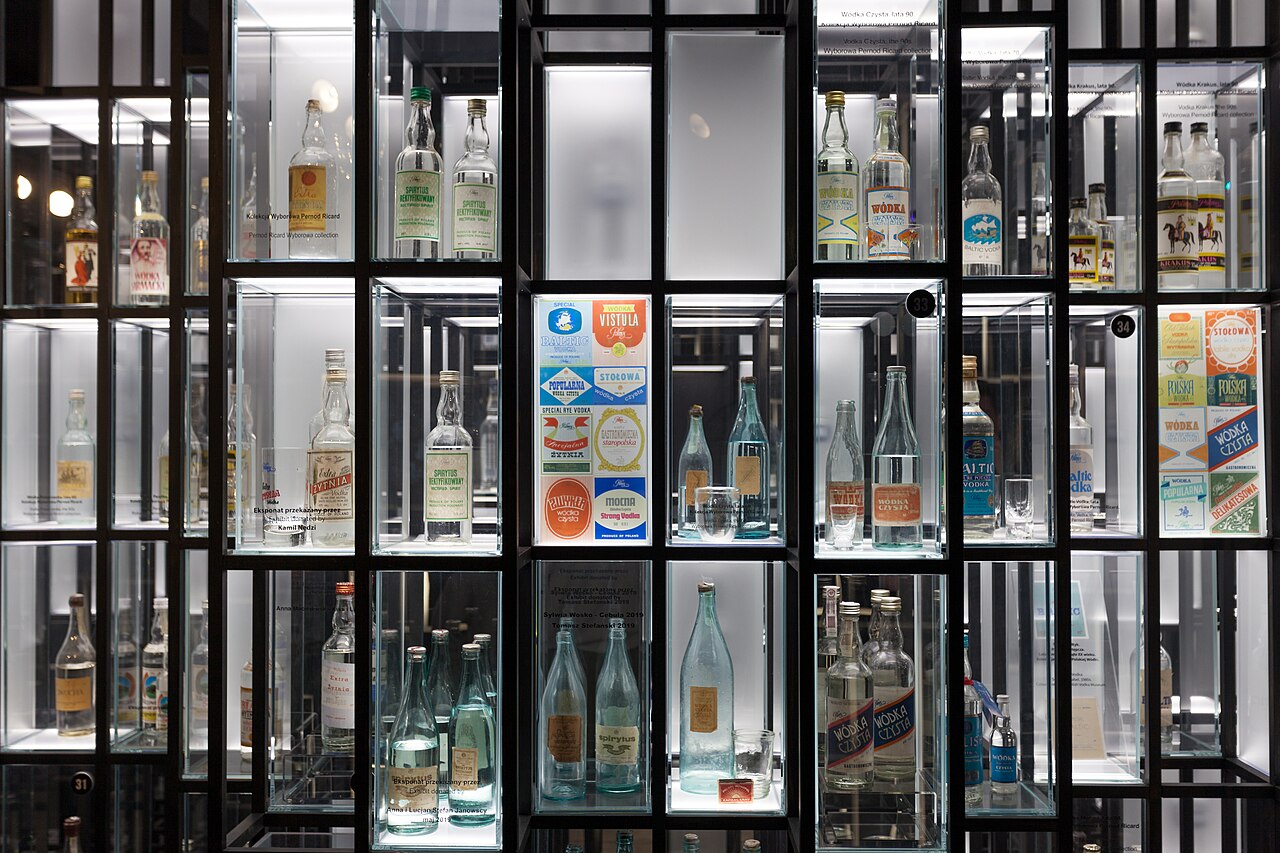
Poland is one of the great vodka countries, and Warsaw is the place to learn about it properly. The Polish Vodka Museum in the Koneser centre in Praga explains how vodka is made and gives a guided tasting, though it is strictly for visitors aged eighteen and over. Flavoured vodkas, including the bison-grass variety, are widely available, and bars often serve them chilled alongside a snack. Craft beer has grown fast, and cocktail bars in the centre are good. Drink moderately and never drive afterwards.
Fitting meals into a day
The main meal in Poland is traditionally lunch, often served from midday, and many restaurants offer a set lunch menu at a lower price. Dinner is usually eaten between seven and nine in the evening. Book a table for weekend evenings and for any special occasion, and tip about ten percent in restaurants if service is not included. Cards and contactless payments are accepted almost everywhere, though a little cash helps in milk bars and markets.
Food for different needs
Vegetarians will find that pierogi with cheese, mushrooms or cabbage, potato pancakes and many soups work well, and the modern scene has plenty of vegan options. Strict vegans and those with allergies should check ingredients, since butter, cream, sour cream and lard are common. Children generally love pierogi and pancakes, which makes family meals easy.
Putting it together
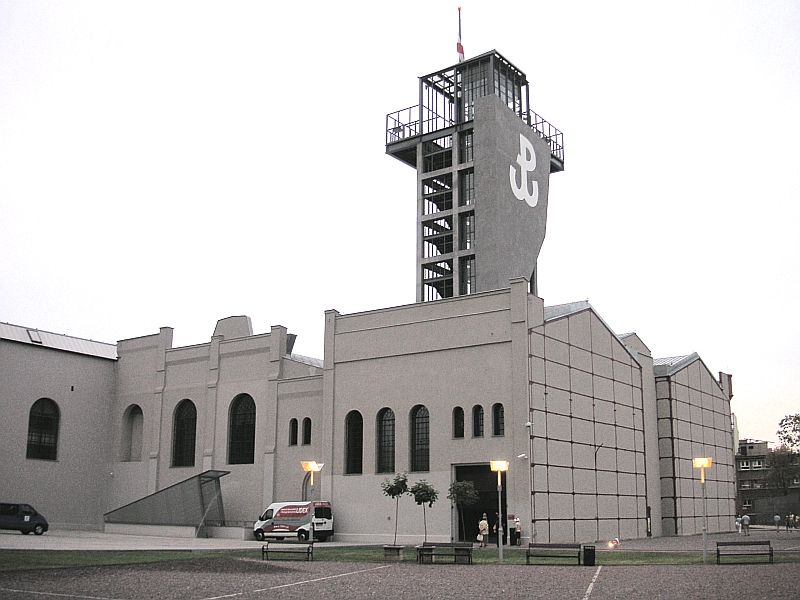
A good eating day might begin with a pastry and coffee near the Royal Route, a milk bar lunch after the Rising Museum or POLIN, cake and tea mid-afternoon, and a tasting at the Vodka Museum before a relaxed dinner in the Old Town or Praga. Whichever way you do it, taste a little of everything, and remember that the best meals in Warsaw are often the simplest.