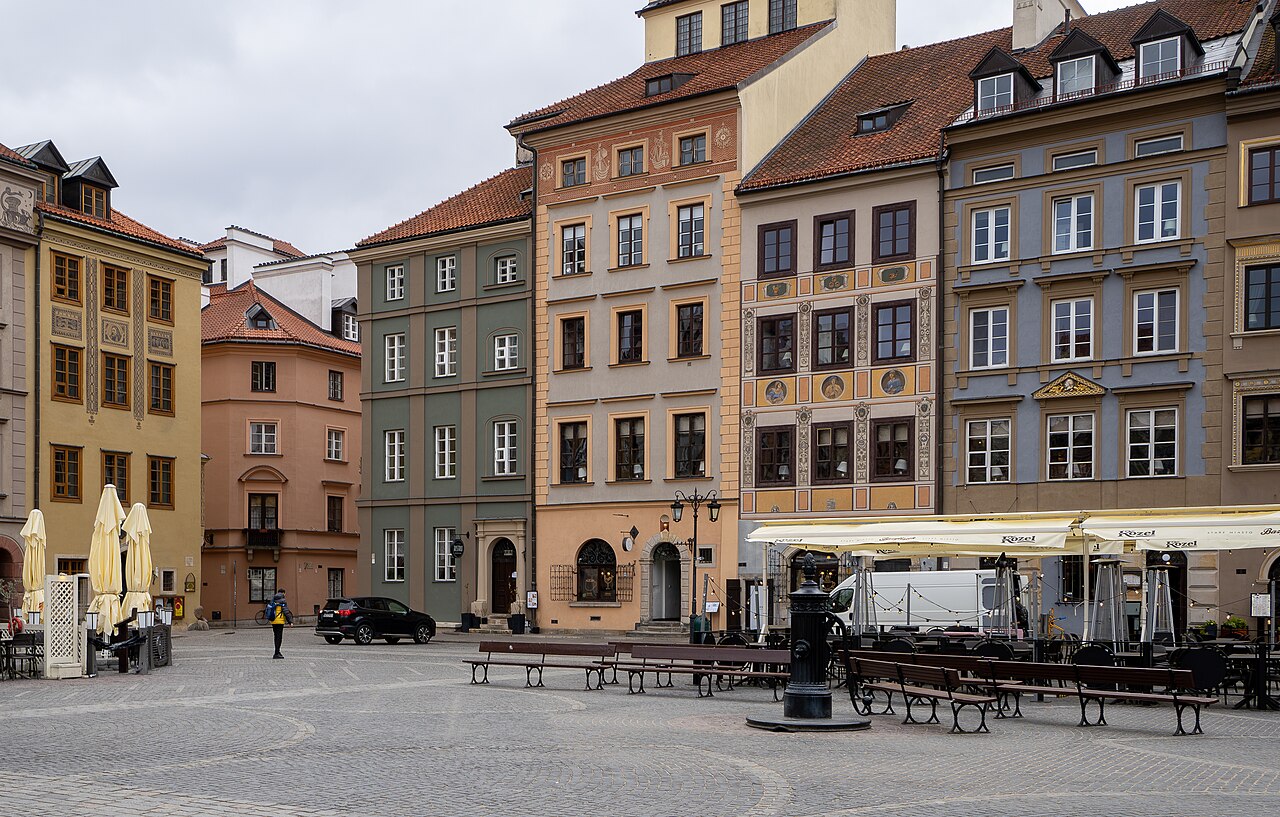
Warsaw rewards a plan more than most European capitals. The sights are spread along a line of several kilometres, the best museums are heavy and demand energy, and several of them close on a Monday or a Tuesday. Three days is the sweet spot: enough to see the headline sights without rushing, and enough time to let the story of the city sink in. This itinerary is built around how the places connect, rather than around geography alone, and it keeps the most emotionally demanding visits apart so that you finish each day feeling curious rather than drained.
Day one: the Old Town and the Royal Route
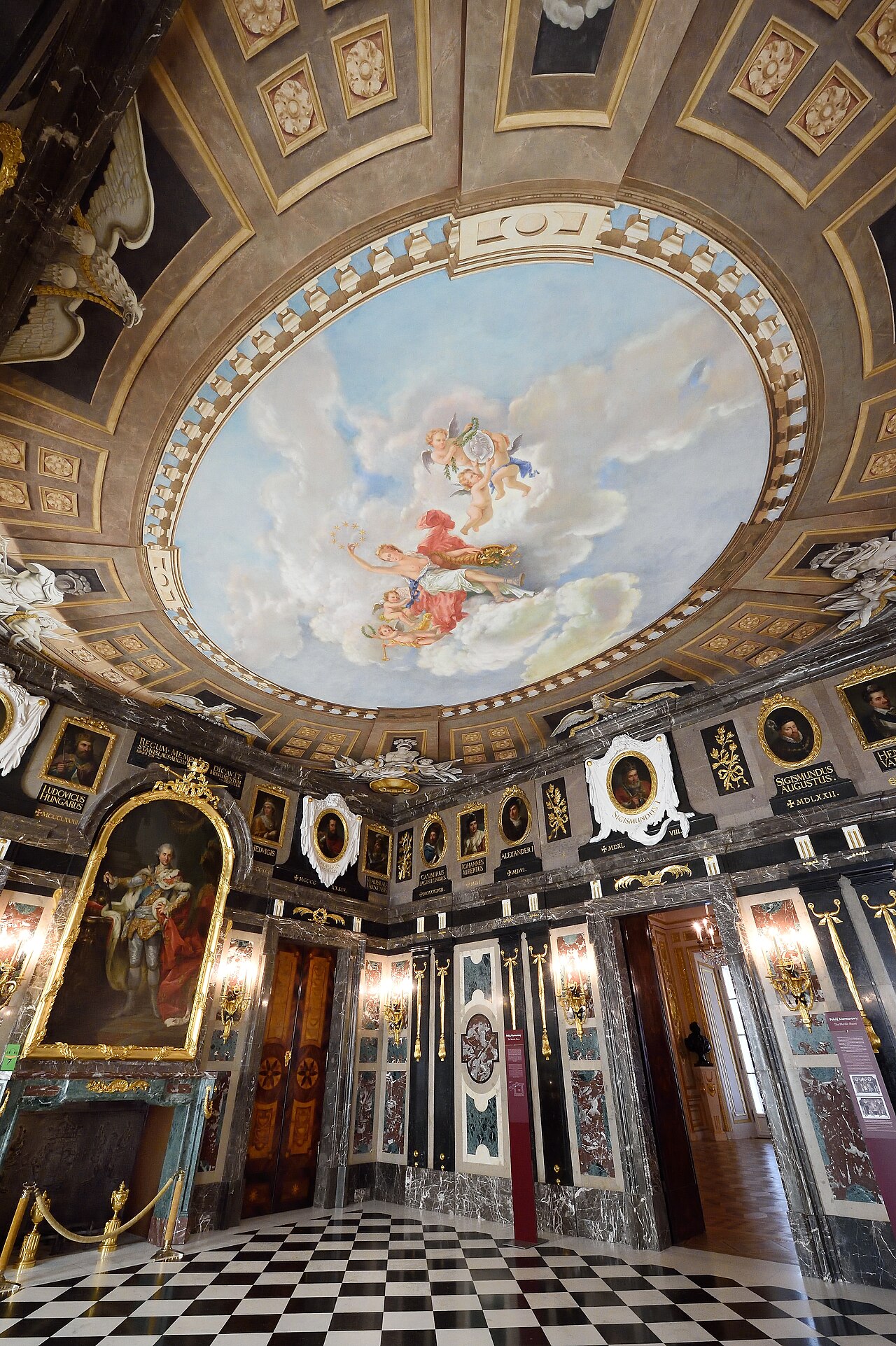
Start in the morning at the Warsaw Old Town and Market Square, before the tour groups arrive, and walk the lanes slowly. It is a reconstruction, rebuilt after 1945 from paintings and photographs, and it is worth knowing that before you start looking. Then cross Castle Square to the Royal Castle in Warsaw, closed on Mondays, where a guide can explain what is original and what was rebuilt. After lunch, stroll south along Krakowskie Przedmieście, the most elegant street in the city, passing the Holy Cross Church where Chopin's heart is kept, and finish at the Fryderyk Chopin Museum or with a Chopin recital in the evening. If you plan a Monday as your first day, the Old Town and the Royal Route are free to explore, even when the museums are closed.
Day two: the history that explains everything
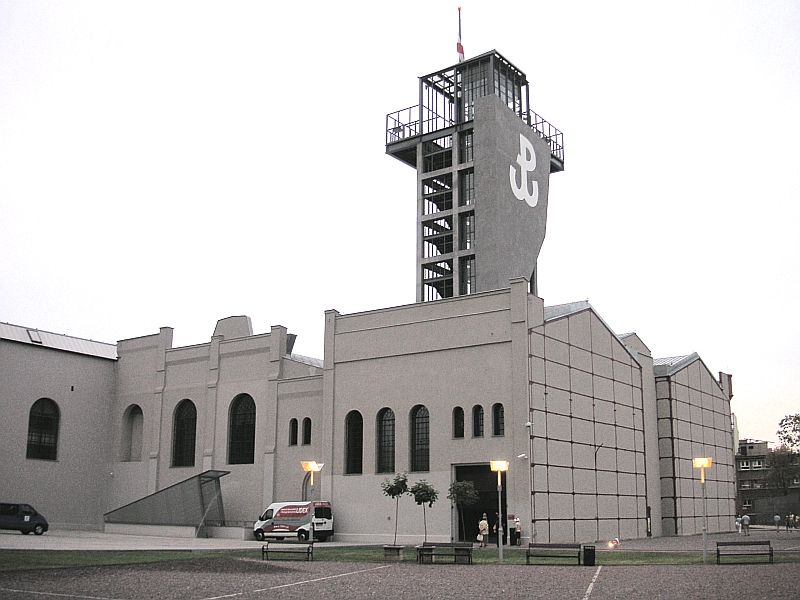
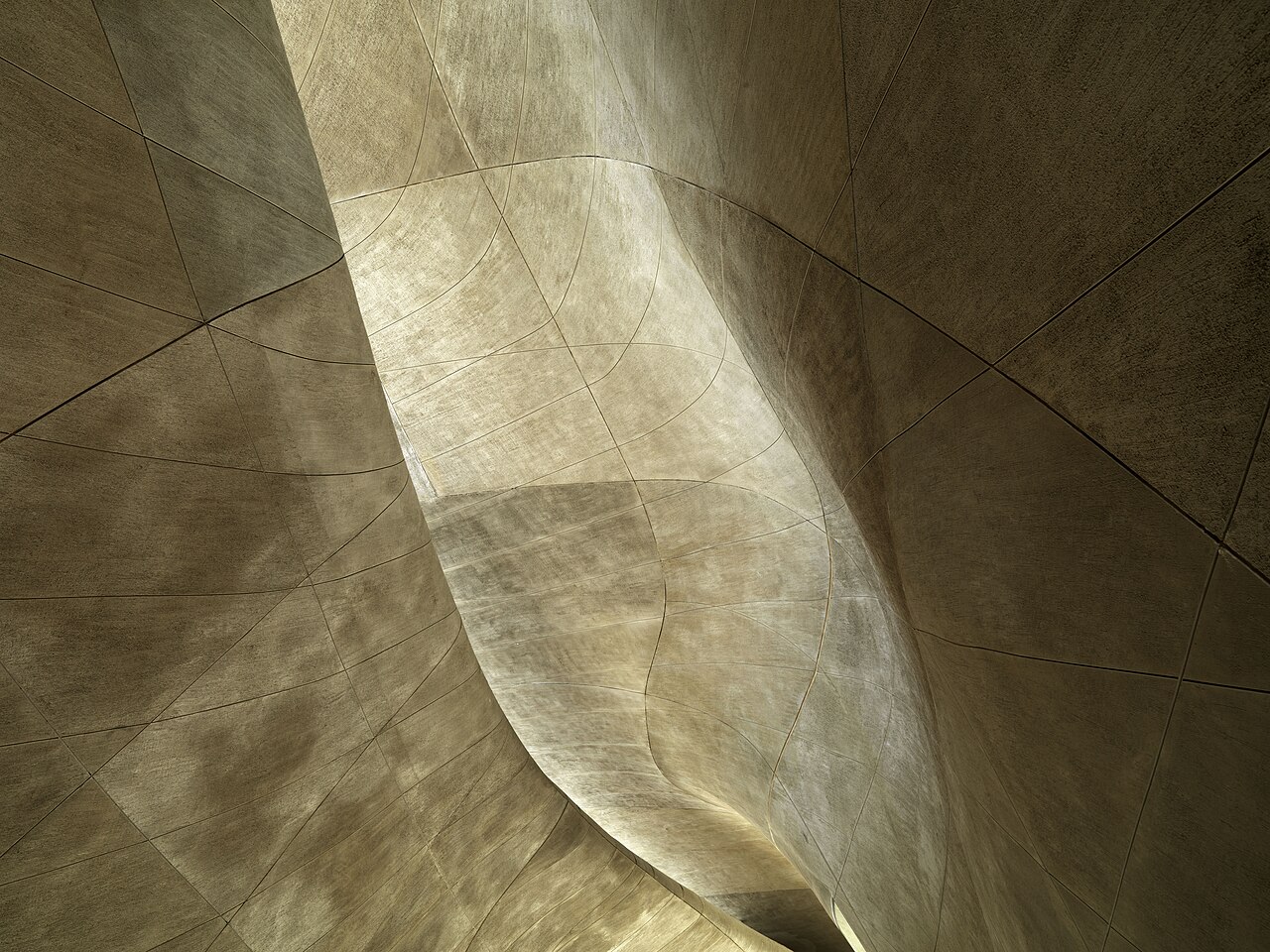
Spend the morning at the Warsaw Rising Museum, the city's great museum of the 1944 uprising, and give it at least two hours; it is dense, loud and moving, and an audio guide helps. Take a break for lunch, then go to POLIN Museum of the History of Polish Jews in the former Ghetto district of Muranów. Both close on Tuesdays, so plan this day for another weekday or a weekend. If you find two big history museums in one day too much, split them, and fill the gap with the Palace of Culture and Science and its viewing terrace, which are right in the city centre and easy to fit in. For visitors who want to go further, the Treblinka memorial is a half-day excursion that completes the story told at POLIN.
Day three: palaces, parks and the skyline
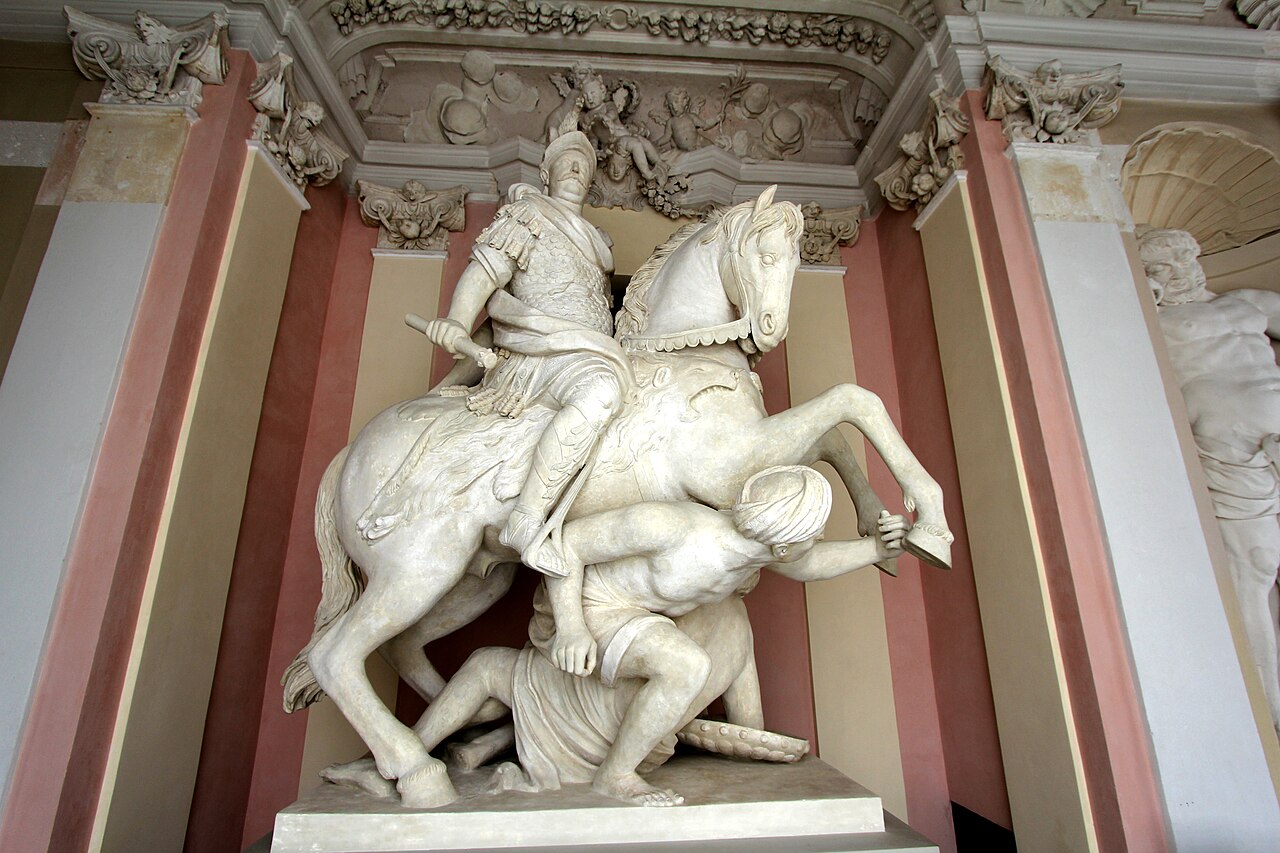
Take a bus or taxi to Wilanów Palace, King Jan III Sobieski's Baroque summer residence, and walk the gardens. The palace closes on Tuesdays and takes a winter break in the weeks around the new year, though the park stays open. In the afternoon, go to Royal Łazienki, the park of the last Polish king, with its Palace on the Isle and the Chopin Monument. In summer the free Sunday piano recitals add to the atmosphere. Finish with a sunset at Highline Warsaw at Varso Tower, the highest observation deck in the European Union, and see the city light up. Dinner afterwards near the main station or on Nowy Świat is easy to arrange.
If you have a fourth day
Take the day to go off the standard route. Cross the river to Praga for the Polish Vodka Museum in the Koneser centre and the old tenement streets, take a Vistula river cruise in the warmer months, or choose a day trip such as Kazimierz Dolny, a Renaissance town on the river. Families with children will probably want to add the Copernicus Science Centre, which can fill half a day, especially in wet weather.
Practicalities
A single public transport ticket covers the two metro lines, trams and buses, and contactless payment works almost everywhere. The Old Town, the Royal Route and the centre are walkable, but allow trams or taxis for Wilanów, the Rising Museum and POLIN. Book timed tickets for Highline Warsaw and any Chopin concert ahead, and check the weekly closing days before you fix your days. Wear comfortable shoes, because the cobbles of the Old Town are harder on the feet than they look.
Where to stay for this plan
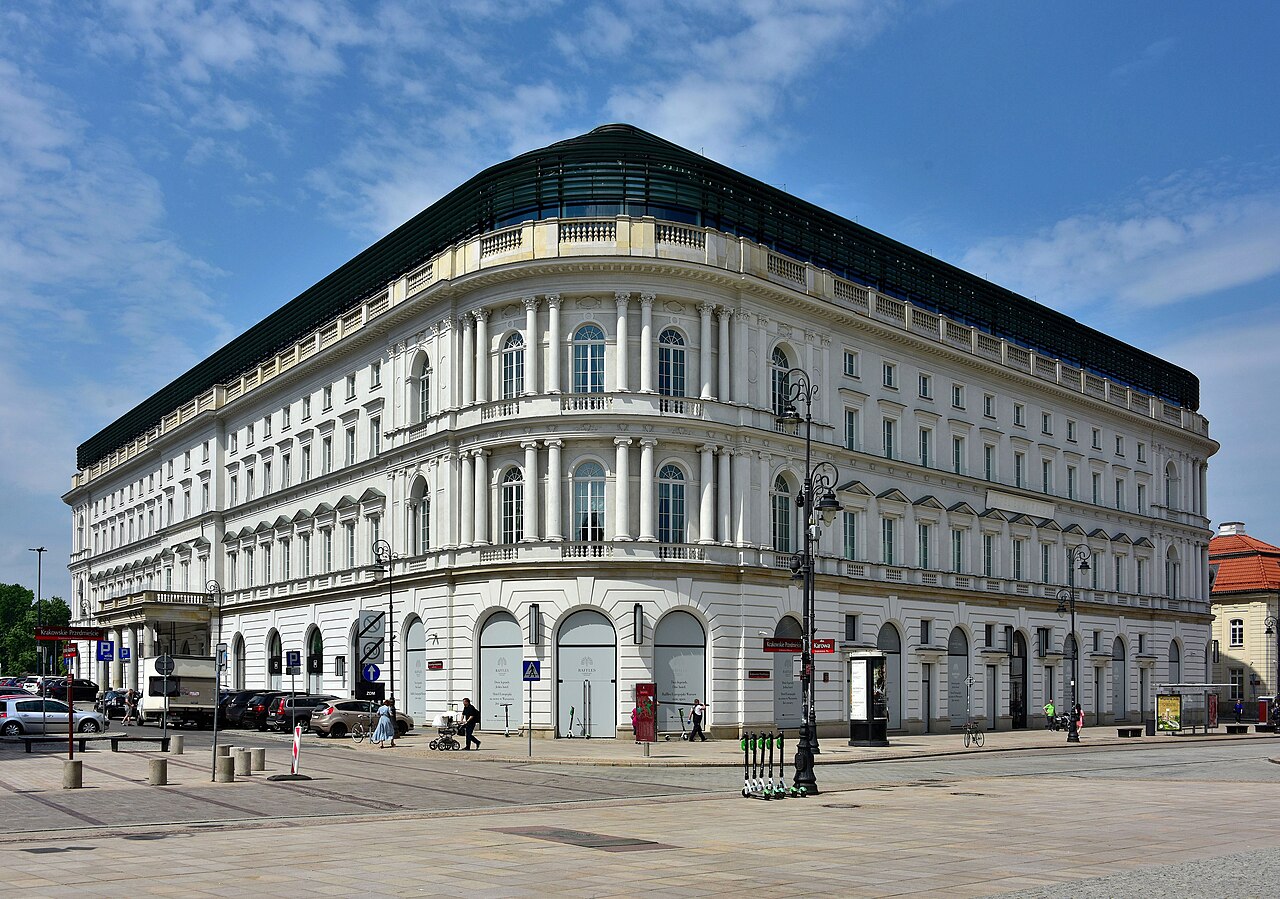
The Royal Route is the best base for a walking itinerary: it puts the Old Town, the Chopin sights and the river within reach. If you prefer modern comfort and good transport links, the city centre near the Palace of Culture is practical, and Wola suits those who want to be close to the Rising Museum. Whichever you choose, book early for weekends, when the best hotels fill first, and remember that the city looks very different at night, when the lit-up Royal Route is at its finest.