Whitehorse has two very different personalities. In summer it is bright, busy and green, with daylight stretching deep into the night. In winter it is dark, cold and magical, with the aurora overhead and snow on every roof. The best time to visit depends on what you want to do, and the honest answer is that each season suits a different trip. This guide describes the seasons plainly, including what shuts down, so you can match your dates to your priorities.
Late autumn to early spring: aurora and winter adventure
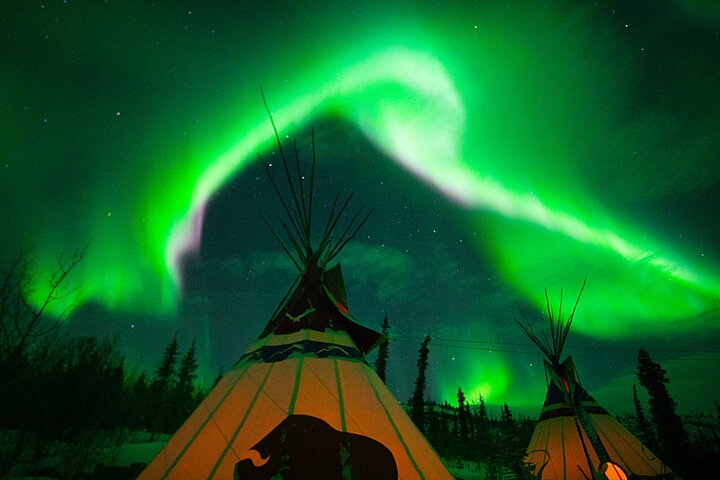
The northern lights season runs from late August to roughly April, and the long dark nights from November through March give the most hours to watch. This is also the season for dog sledding, snowshoeing, the Eclipse Nordic Hot Springs and the Yukon Wildlife Preserve, where the animals have thick winter coats and the preserve runs bus tours on a daily winter schedule. December to February is the deepest cold, so you need serious clothing, but the experiences are the reason many people come. Daylight in December is under six hours, so plan outdoor activities for the middle of the day and keep museum visits for the dark hours.
What closes in winter
Many summer attractions shut or cut back. The S.S. Klondike boat and buildings are closed during a long-term rehabilitation, though the grounds stay open. Carcross is a summer destination, with the visitor centre running from 1 May to 30 September and many shops closing for the cold months. The Waterfront Trolley and the Copperbelt Mining Museum are summer operations, the Beringia Centre and Yukon Transportation Museum keep short winter hours on Saturday, Sunday and Monday afternoons, and Miles Canyon needs a different winter access route. The MacBride Museum stays open year-round on a Tuesday to Saturday winter schedule.
Spring: the quiet shoulder
April and early May are the least predictable months. Snow melts, trails can be muddy and some services are between seasons, but the aurora season is ending, rates can be lower and crowds are small. By May the summer schedule begins: the Carcross visitor centre opens on 1 May and Parks Canada staff return to the visitor centre in early May. It suits travellers who prefer quiet and flexibility to guaranteed activities.
Summer: long days and the river
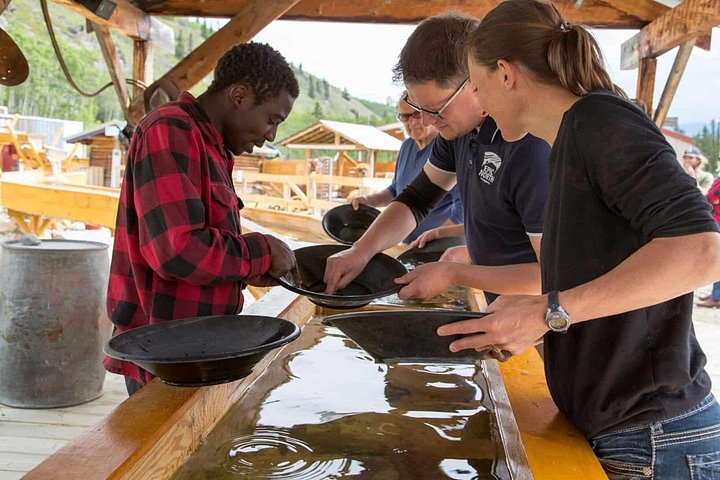
June to August bring about 19 hours of daylight around the solstice, warm days and the full range of activities. Walk the Millennium Trail, watch chinook salmon at the fish ladder in July and August, cross the Miles Canyon suspension bridge, ride the lifts at Mount Sima in bike park season and take a day trip to Carcross, Emerald Lake, Kluane or Skagway. The trade-off is that the sky is too bright for the aurora from about May to early August, so choose summer for outdoor activity, not for the lights.
Fall: colour and returning darkness
Late August and September bring golden aspen and birch, cooler air, thinner crowds and the first dark skies, so you can see the aurora without winter cold. Summer services begin winding down in September, and the Transportation Museum moves to its winter schedule. For many travellers this is the sweet spot: aurora season has started, the weather is gentler and the landscape is spectacular.
Getting here and getting around by season
Flights into Whitehorse can be limited in the shoulder months, so check schedules early, and in winter allow a buffer for weather delays at either end. A rental car is useful in summer for Miles Canyon, the fish ladder and Mount Sima, but in winter guided pickups remove the need to drive on icy roads and mountain passes. Whatever the season, the hotel you choose shapes your days: downtown hotels put the museums, the riverfront and tour pickups on your doorstep, and the airport-side hotels suit early flights and drivers.
Choosing your dates
For the northern lights, travel from late August to March and give yourself at least three nights. For dog sledding and snow activities, choose December to March. For the widest choice of tours, hiking and day trips, choose June to August. For quiet and value, consider May or September. In every season, book your main tour early, dress in layers and remember that hours change between seasons, so check each place before you go.