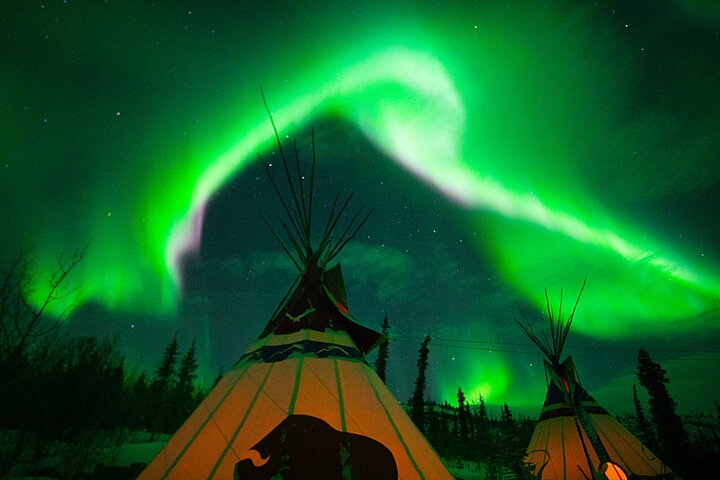
Three days is the right length for a first visit to Whitehorse. It is long enough to see the main sights, take one big outing and give the northern lights or the long summer evenings a fair chance, and short enough that nothing feels rushed. The city is compact and the best experiences are a short drive away, so the plan below is built around one anchor each day and a flexible evening. It comes in two versions, because the Yukon changes completely between seasons.
How to think about the three days
Put the museum and riverfront on the first day, when you are adjusting to the time zone and the cold or the light. Make day two your wildlife and outdoors day. Use day three for the biggest trip, a day tour or a second attempt at the aurora. Keep at least one evening free in winter so you can switch nights if the sky is cloudy. Prices throughout are in Canadian dollars, and most tours collect you from a downtown hotel lobby, so you do not need a car.
Winter, day one: downtown and the first aurora night
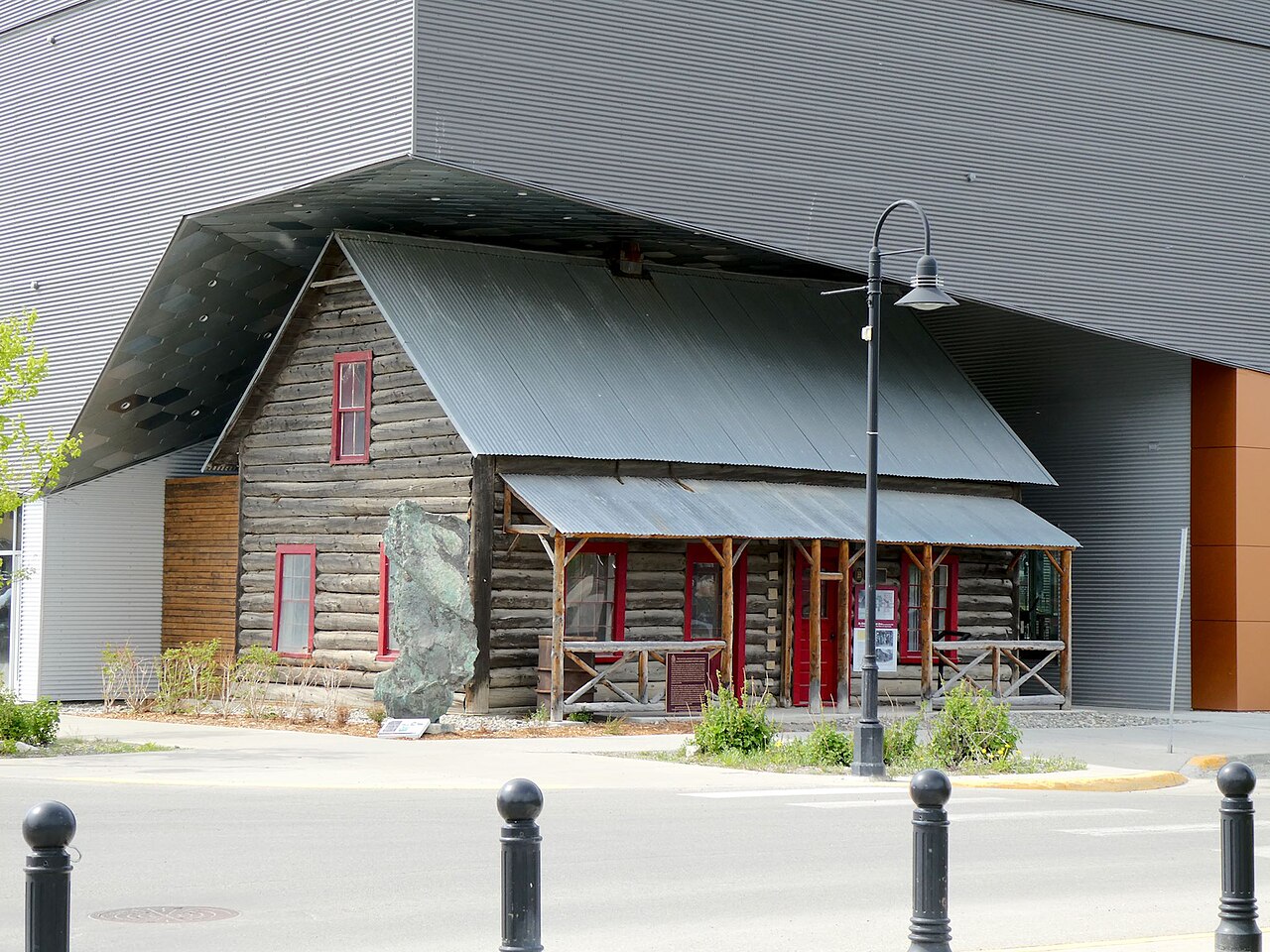
Start with the MacBride Museum for the Gold Rush and First Nations context, then walk the Millennium Trail beside the river, where open water and floating ice make the winter river memorable. The S.S. Klondike grounds are a short stop on the way. If you have energy, the Kwanlin Dun Cultural Centre adds a present-day Indigenous perspective on weekdays. Eat early, rest, and head out on a late-night guided aurora tour. The season runs from late August to about April, and the tour usually finishes in the small hours.
Winter, day two: wildlife, hot springs or dogs
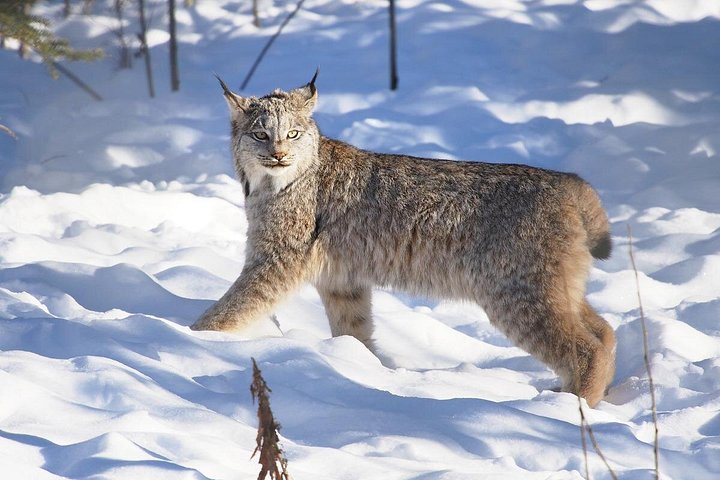
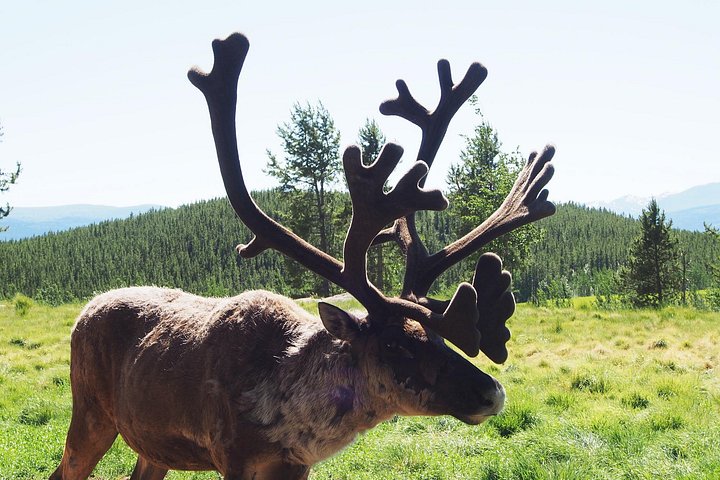
Sleep in, then choose the Yukon Wildlife Preserve, where muskox, bison, caribou and lynx live in large habitats, and the bus tours make it easy to see the animals. A half-day tour with hotel pickup can pair it with the Eclipse Nordic Hot Springs, an adults-only spa on the old Takhini Hot Springs site, which is the best possible way to end a cold day. If you want to drive a husky team instead, the half-day tour at Sky High Wilderness Ranch is the classic winter adventure, with winter gear supplied and a minimum age of 12. Confirm when the snow base is ready before you plan around it.
Winter, day three: a long trip or a second chance
The Kluane National Park day trip is a big landscape day with mountain views and a stop in Haines Junction, while the Carcross and Emerald Lake trip is shorter and gentler. If you want an extra attempt at the lights, book a second night out and keep the day quiet. On a weekend or Monday afternoon, add the Beringia Centre and the Yukon Transportation Museum, which keep short winter hours.
Summer, day one: river and history
Summer in Whitehorse brings very long daylight, roughly 19 hours around the June solstice, so you can do a lot in a day. Begin at the MacBride Museum, walk the Millennium Trail and visit the fish ladder when the chinook salmon are running, generally in July and August. Cross the suspension bridge at Miles Canyon in the afternoon, a free sight that is open in every season, and finish with dinner downtown.
Summer, day two: outdoors
Spend the day at Mount Sima, where the lifts carry mountain bikers up the bike park and a disc golf course suits mixed groups, or join a guided hike. Visit the Yukon Wildlife Preserve in the afternoon, when the animals are active in the long light.
Summer, day three: Carcross, Kluane or Skagway
Summer opens the Southern Lakes. Carcross, with its desert dunes, historic station and open shops, is at its liveliest from May to September, and Emerald Lake is at its most vivid in the bright season. Kluane is spectacular, and the Skagway trip crosses into Alaska, so bring a passport.
Practical tips
Book your headline tour first, because aurora and dog sledding slots fill in peak weeks. Dress in layers in every season, and in winter pack serious boots, a parka and spare phone batteries. Choose a downtown hotel if you want to walk, or a hotel with a free airport shuttle if you arrive at an awkward hour. Leave a little slack in the plan, because weather and the sky make the best days.