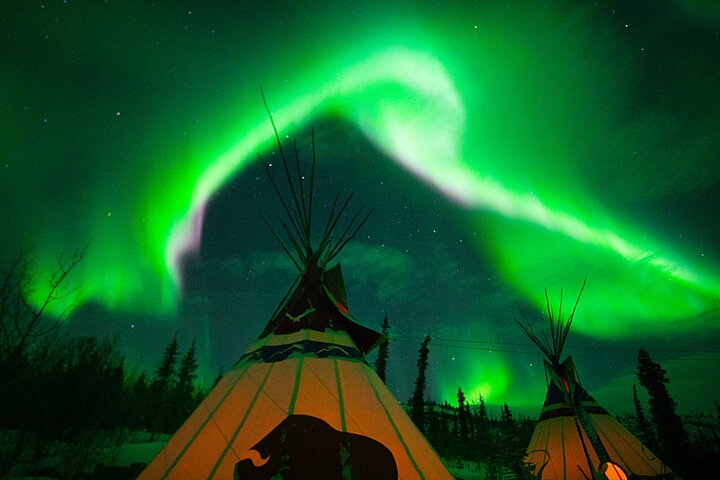
Whitehorse is a small, friendly capital with a big wilderness at its door. Roughly 28,000 people live here, the Yukon River runs through the middle, and the main sights sit within a few minutes of each other downtown, with the best experiences a short drive out. Many Yukon attractions are summer-only, so the first rule is to plan by season. This guide leans on the cold months, when the aurora season is on, snow is arriving and a number of summer sights are closed.
Check what is open before you plan
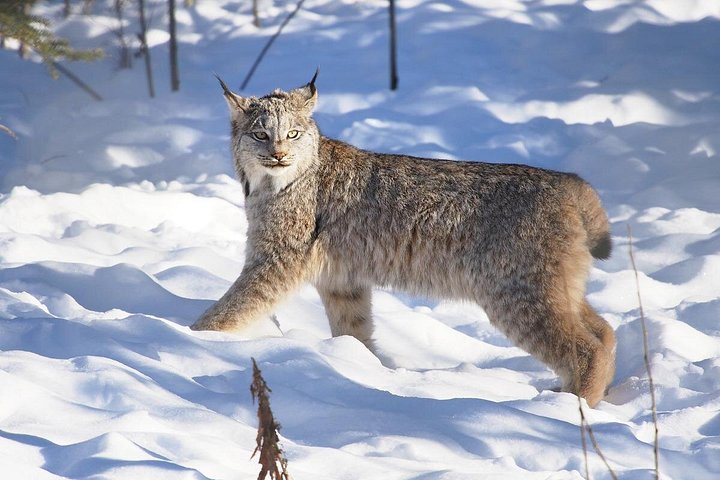
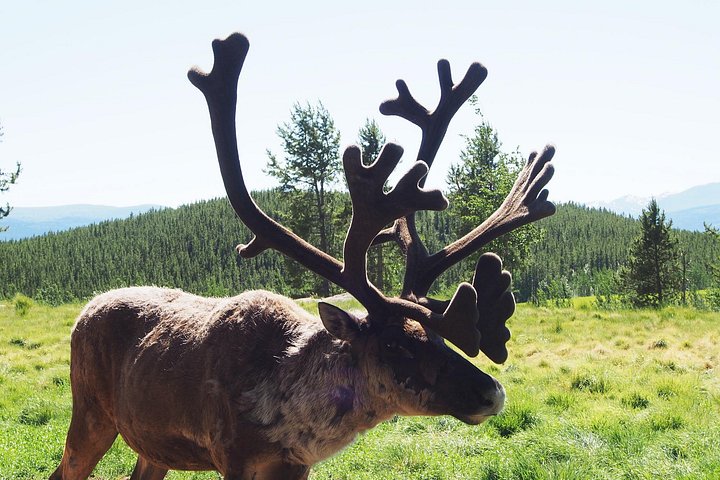
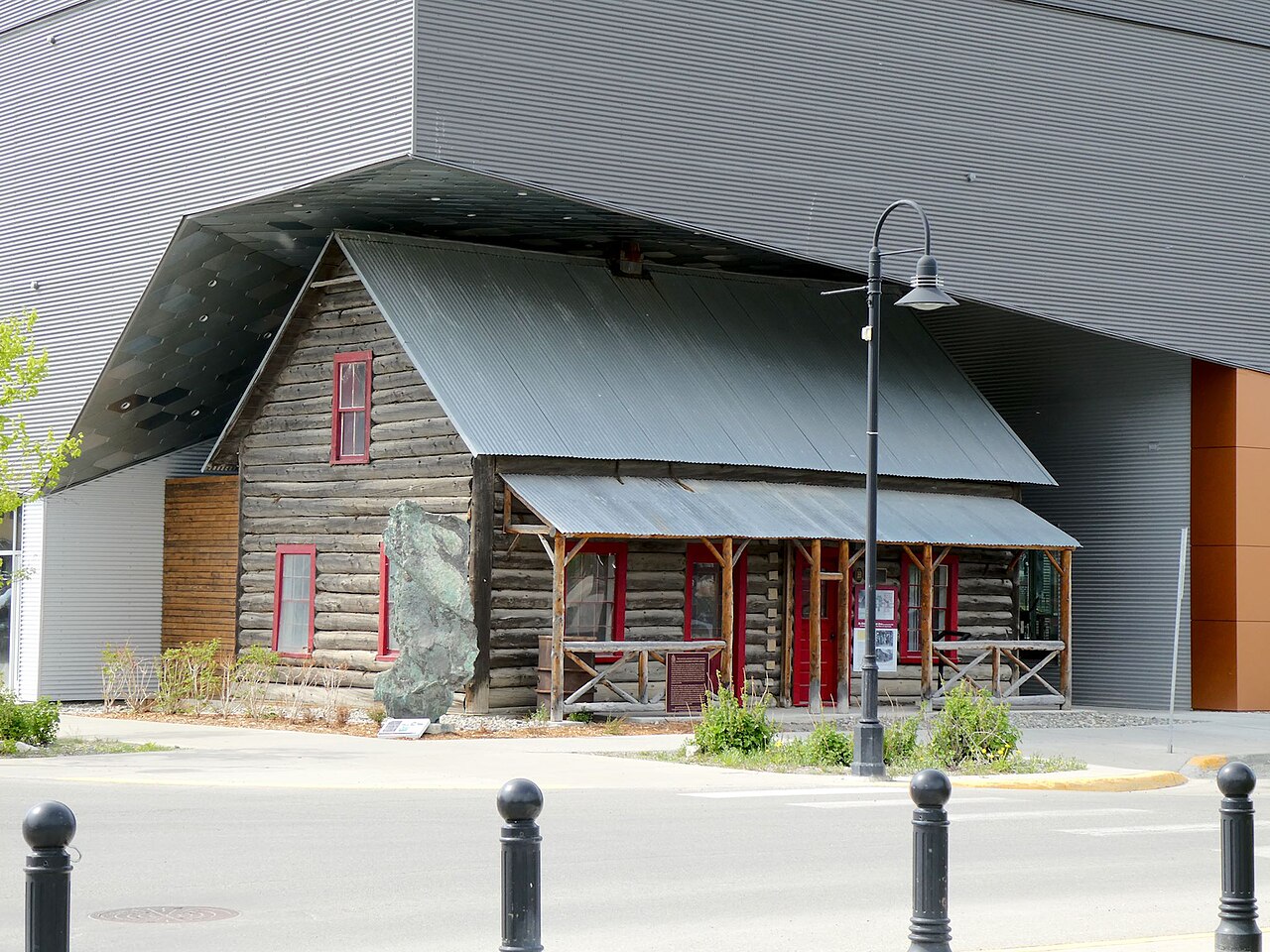
The S.S. Klondike sternwheeler is closed to visitors while Parks Canada carries out a long-term rehabilitation, though the grounds remain open. The Waterfront Trolley and the Copperbelt Mining Museum are summer operations. The Carcross visitor centre runs from May to September, and many Carcross shops close for the winter. On the other hand, the MacBride Museum is open all year, with winter hours from Tuesday to Saturday, the Beringia Centre opens on Saturday, Sunday and Monday afternoons, and the Yukon Wildlife Preserve is open daily with bus tours at noon and 3 pm until the end of March, except on 25 December and on days colder than minus 35 degrees Celsius.
What to book ahead
Book your northern lights tour first, and ideally book more than one night, because cloud and solar activity decide the show. The late-night aurora tour from Arctic Day is the best-reviewed single outing. Next, book the Yukon Wildlife Preserve bus tour or a half-day tour that pairs it with the Eclipse Nordic Hot Springs, which is open daily to adults aged 19 and over. If you want to try dog sledding, ask Sky High Wilderness Ranch about the season start, because the trails depend on snow. Day trips to Carcross and Emerald Lake or to Kluane National Park run from downtown hotel pickups and are worth reserving a few days ahead.
How to get around
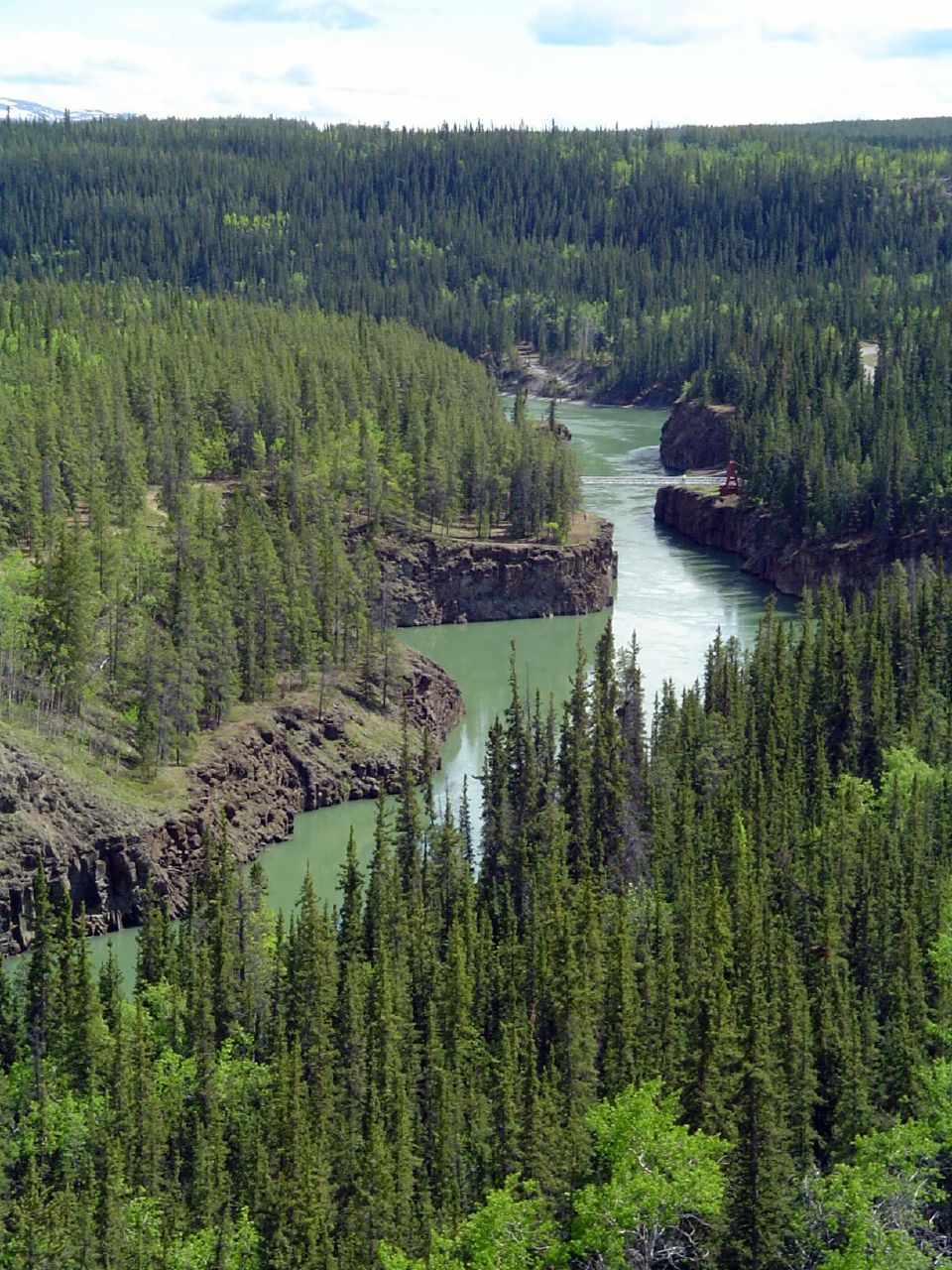
Downtown Whitehorse is compact and walkable, but winter pavements are icy and the cold makes long walks tiring. Most tour operators collect guests from downtown hotel lobbies, which means you can see a great deal without a car. Several hotels, including the Sternwheeler, the Best Western Gold Rush Inn and Hyatt Place, run free airport shuttles, and the airport is only a short drive from town. A rental car is useful if you want to reach Miles Canyon, the Wildlife Preserve or the hot springs independently, but winter driving requires confidence and proper tyres. Taxis cover the gaps.
How many days
Three days is the sweet spot for a winter visit. Spend day one downtown with the MacBride Museum, the S.S. Klondike grounds and the riverfront, then set out on your first aurora tour that night. Use day two for the Yukon Wildlife Preserve and the hot springs, or a dog sledding afternoon if the season has begun. Day three can be a Carcross or Kluane day trip, or a second aurora attempt with a lazy morning. A fourth day lets you add the Beringia Centre on a weekend or Monday and a walk to Miles Canyon on a clear morning. If you only have one night, put the aurora first and fit the museum around it.
What to pack
Plan for serious cold from late autumn. That means insulated boots, a parka, layers, warm gloves with liners, a hat and a scarf, and a spare battery for your phone. Many tours provide drinks and some provide gear, but check what is supplied. Late-night tours finish in the small hours, so allow yourself a sleep-in and avoid scheduling an early start the next day.
Where to stay
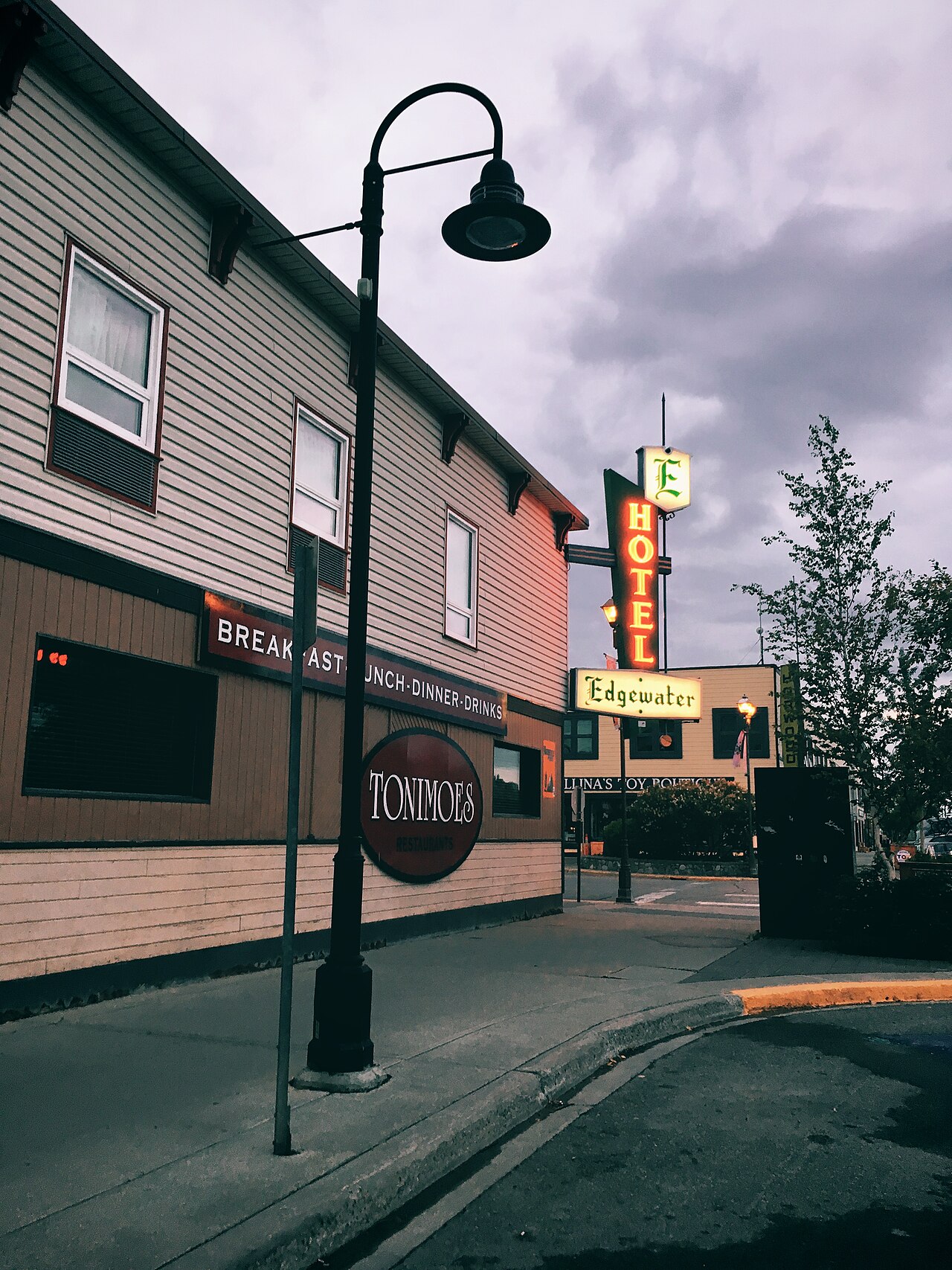
For a walkable base, choose one of the downtown hotels on Main Street or Wood Street: Hyatt Place for modern comfort, the Edgewater for boutique character, the Sternwheeler for space and services or the Best Western Gold Rush Inn for value. The Quality Inn and Suites on Second Avenue is the budget pick near the airport. Our where-to-stay guide compares them in more detail.
Money and timing
Prices are in Canadian dollars and cards are widely accepted. Plan on a few free sights, the Millennium Trail, Miles Canyon and the riverfront, to balance the cost of the big tours, and try to schedule paid outings on different days so one late night does not undermine the next morning.
A final tip
Build slack into your plan. The aurora, the weather and the roads all vary, and the best Whitehorse trips leave room for a clear night to appear. Be flexible, dress warmly and let the evenings be the highlight.