Whitehorse owes its existence to gold. In the late 1890s tens of thousands of hopeful prospectors set out for the Klondike, and the Yukon River was their highway north to Dawson City. Whitehorse sat at a critical bend of that journey, where the river was dangerous, the supplies were thin and a settlement grew almost overnight. Today the city is quiet and friendly, but the history is still easy to find if you know where to look. This guide strings the best of it into a trail you can follow in a day or spread over a few.
Start with the setting: Miles Canyon
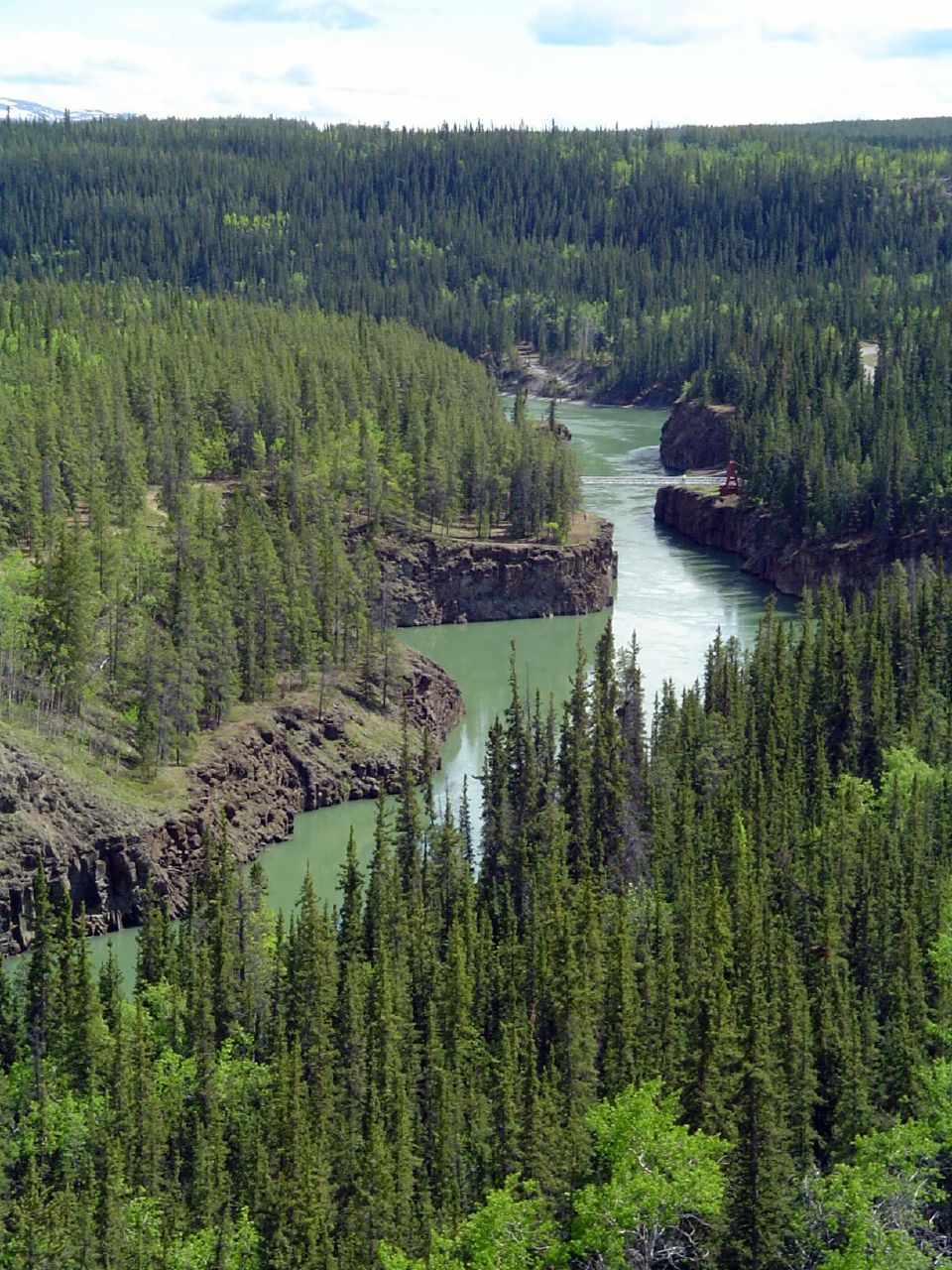
The river narrows here between dark basalt cliffs, turning turquoise and fast. Before the dam changed the river, the canyon and the rapids below it were among the most feared stretches on the route, and many stampeders paid pilots to take their boats through or portaged around the worst of it. Walk the trails and cross the suspension bridge to see the gorge from above, then consider a boat tour in summer to see it from the water. The walk is free and open in every season, and it is the best first stop for understanding why Whitehorse sits where it does.
Read the town at the riverfront
Back in town, the waterfront is where the history becomes concrete. Sternwheelers once carried passengers and freight along the Yukon River from Whitehorse to Dawson City, and the S.S. Klondike, a preserved sternwheeler on the riverbank, is the great symbol of that era. Its grounds are free to explore, and interpretive panels explain how the vessel worked and what life aboard was like. Check whether the boat itself and its buildings are open to visitors when you travel, because conservation work can change what you can enter. The grounds are worth the visit regardless, especially in the long light of summer.
Go deeper in the museums
The MacBride Museum brings the Gold Rush, the First Nations story and the wider Yukon into one downtown collection, and it is the most convenient rainy-day or cold-day stop for history. The Yukon Transportation Museum shows how people and goods crossed this huge territory, from dog teams and sternwheelers to the highway and aircraft, which makes the Gold Rush feel like one chapter in a longer story. The Kwanlin Dun Cultural Centre adds the perspective of the First Nations people who lived along this river long before the stampede and who still do, and no visit to Whitehorse is complete without it. Check each museum's seasonal hours, as winter days are shorter.
Follow the fish and the dam
The Whitehorse fish ladder, beside the dam that tamed the rapids, shows how the river has changed since the Gold Rush. In summer you can watch salmon make their way upstream, and the setting is a reminder of how important the river has always been to the people who live here. It is a short walk from downtown along the Millennium Trail, so it fits neatly into a riverfront stroll.
Take the day trip to Skagway
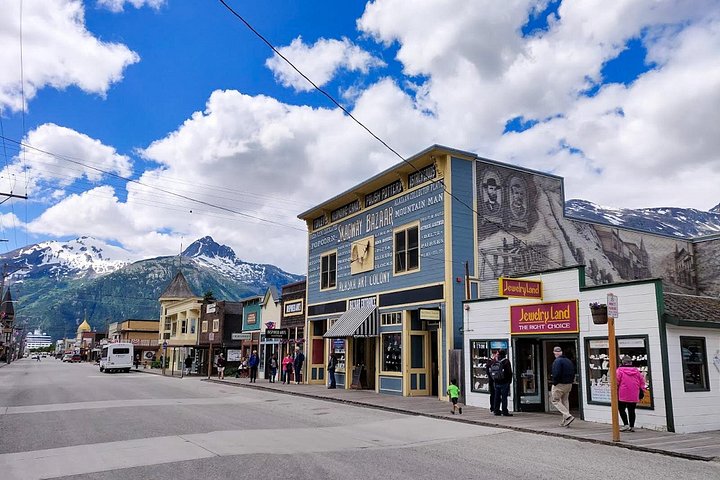
The Gold Rush story has another half: the coast. Stampeders landed at Skagway in Alaska and climbed the White Pass and the Chilkoot route to reach the headwaters of the Yukon, and the day trip from Whitehorse retraces the road and the railway that followed. You cross the border, climb through spectacular alpine scenery and arrive in a town preserved as a Gold Rush streetscape. It is a long day, so start early, carry your passport and check the border and road conditions before you travel.
Add Carcross for a shorter outing
Carcross, a small community on the Southern Lakes, gives you a smaller dose of the same era together with striking scenery, including the tiny desert and the colours of Emerald Lake. A combined tour of Carcross and Emerald Lake is the easiest way to see it from Whitehorse, and it pairs well with the Gold Rush theme because the route follows the old travel corridor.
A one-day version
Spend the morning at Miles Canyon, walk back along the river to the S.S. Klondike grounds, have lunch downtown and spend the afternoon at the MacBride Museum. With a second day, add the Transportation Museum and the Kwanlin Dun Cultural Centre, and with a third, take the Skagway day trip or the Carcross outing.
Tips for the trail
Dress for the weather, since much of the history is outdoors. In winter, prioritise the museums and use the canyon trails only with good boots. In summer, start early to beat the crowds and carry water and bug spray. Wherever you go, remember that the Gold Rush was only a short chapter in a story that stretches back thousands of years, and let the First Nations perspective frame what you see.