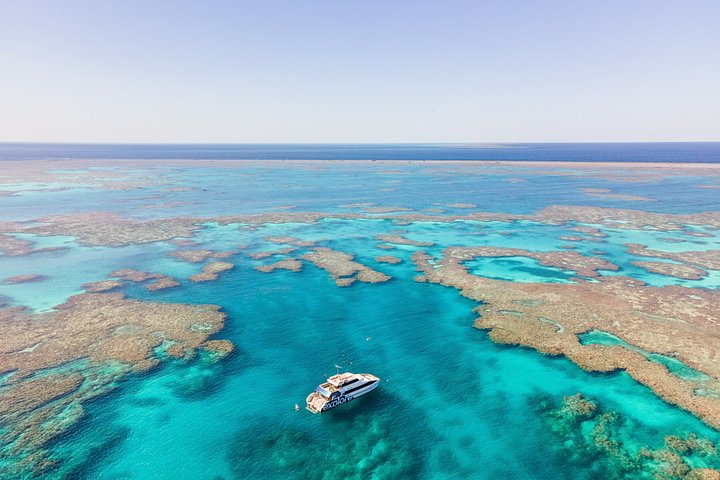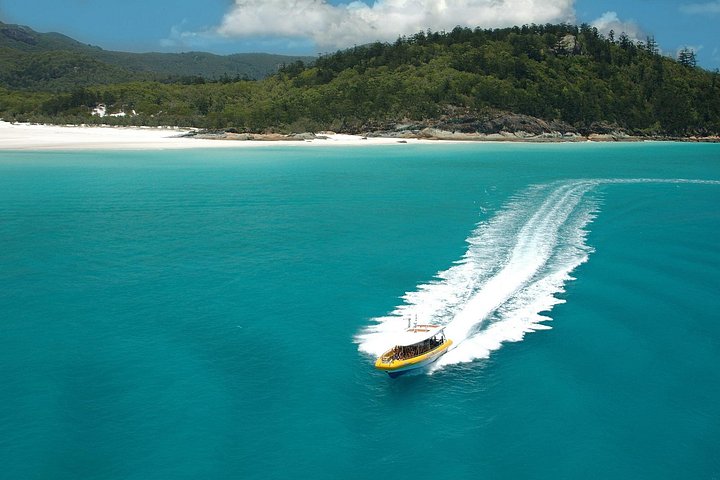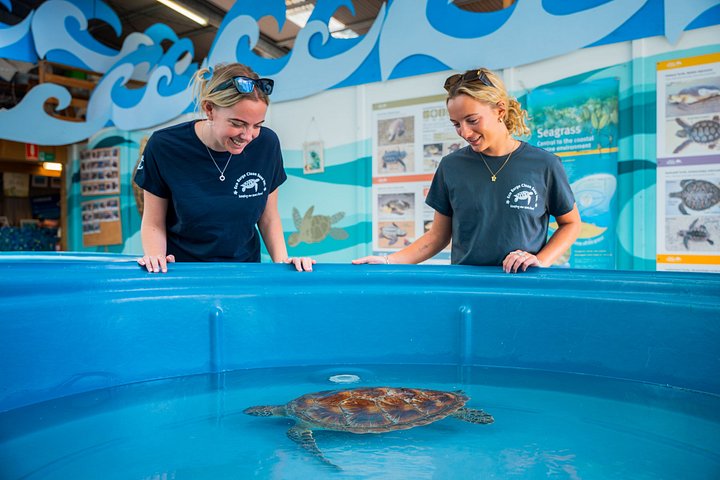
The Great Barrier Reef is a living system under pressure, and the Whitsundays are home to people who work every day to protect it. This experience brings visitors into contact with that work, focusing on sea turtle rescue and marine conservation. Turtles are injured by boat strikes, fishing gear, rubbish and disease, and local carers treat, rehabilitate and release them. A visit explains how these animals are found, how they are treated and what visitors can do to help, giving the trip a purpose beyond sightseeing. The format is educational and personal. Guides explain the species found in Queensland waters, including green, loggerhead and hawksbill turtles, describe the stages of rehabilitation and show the facilities and equipment used. You can learn about the broader conservation efforts around the reef, such as monitoring, clean-ups and research, and ask questions directly of the staff. The experience suits curious travellers, families and anyone who wants to understand the reef beyond its beauty.
Treat this as a conservation visit rather than a show. Rescue and rehabilitation work depends on the condition of the animals, and the programme varies with the cases in care at the time. Some days there are several patients and plenty to see, while on others the focus may be on education, equipment and stories.
A good operator is open about this, and does not pressure the animals for the sake of visitors. Keep voices low, follow the staff instructions and avoid touching or feeding any animal unless you are invited to do so by trained staff.
The learning can be surprising. Sea turtles have been on Earth for over a hundred million years, they return to their birth beaches to nest and they face threats at almost every stage of life, from hatchling predation to plastic ingestion. Understanding how rubbish, fishing line and boat traffic affect them makes you notice the way you behave on the water. You may leave determined to refuse single-use plastic, choose reef-safe sunscreen and support conservation groups, which is precisely what the programme hopes for.
Think about who will enjoy it. Children and teenagers often find the stories memorable, particularly if they have already seen turtles while snorkelling or kayaking, and it can inspire school projects or later volunteering. Adults interested in science, nature or sustainability will appreciate the detail. The experience is less suitable for visitors expecting a theme park, since the scale is small and the atmosphere is serious. It combines naturally with a kayak or snorkel trip, so the earlier meeting with a wild turtle is followed by the story of the rescued ones.
Check details when you book. Ask about the meeting point, because the base may not be directly on the main strip, and about what is included, such as transport, refreshments and any opportunity to take part in a release when one is scheduled. Bring sun protection, comfortable shoes and a notebook or phone for photos where allowed.
A portion of the cost may support the work, which is worth knowing if you like to give back. Whichever way you look at it, it is a thoughtful, memorable stop in a region best known for sun and sand.
What to expect
The experience
An educational visit about sea turtle rescue and marine conservation in the Whitsundays, led by the people who do the work.
Best time
Any day; the programme depends on the animals in care and the staff schedule.
How long
About one to two hours.
Tips
Keep voices low, follow staff instructions, do not touch animals unless invited and confirm the meeting point.
Quick picks
- Best for
- Curious travellers, families and anyone who cares about the reef.
- Families
- A memorable, educational stop for children and teenagers.
- Couples
- A thoughtful, low-key activity for a rainy afternoon.
- Pair with
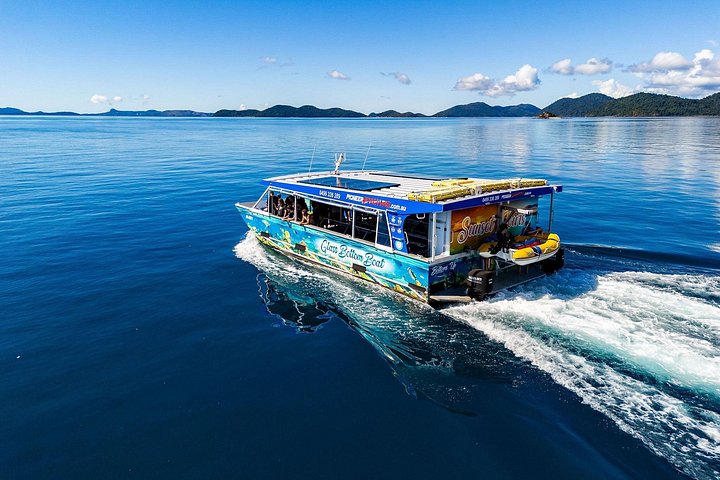
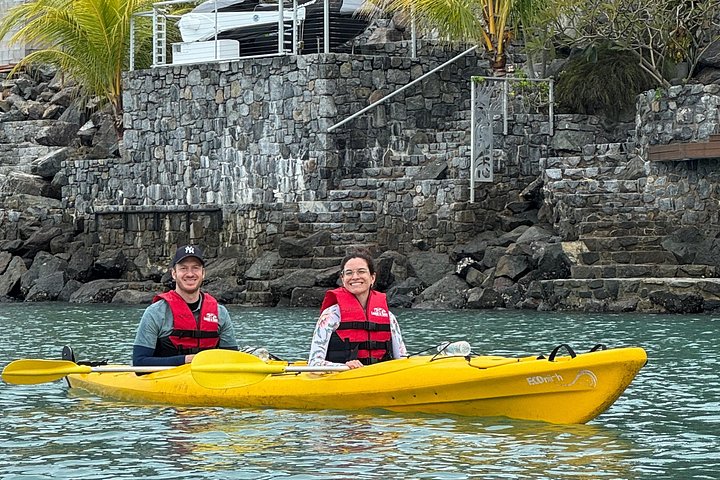
- The turtle kayak tour or glass bottom boat for turtles in the wild.
- Time needed
- Two hours.
Good questions
Will I see turtles?+
It depends on the animals in care at the time. The experience focuses on conservation and education, so the programme varies.
Can I touch the turtles?+
Only if trained staff invite you to. Otherwise keep a distance and follow instructions.
Is it suitable for children?+
Yes, and it is often a highlight for school-age children who enjoy animals and learning.
What threats do turtles face?+
Boat strikes, fishing line, plastic rubbish, disease and loss of nesting habitat are among the main ones.
How can I help afterwards?+
Use reef-safe sunscreen, avoid single-use plastics, never feed wildlife and consider supporting conservation groups.