Yerevan can be visited all year, but the experience changes more than many visitors expect. The city sits on a high plain with a continental climate, which means hot summers, cold winters and two short, beautiful shoulder seasons. Here is how each season feels and what it means for your plans.
Spring: fresh and green
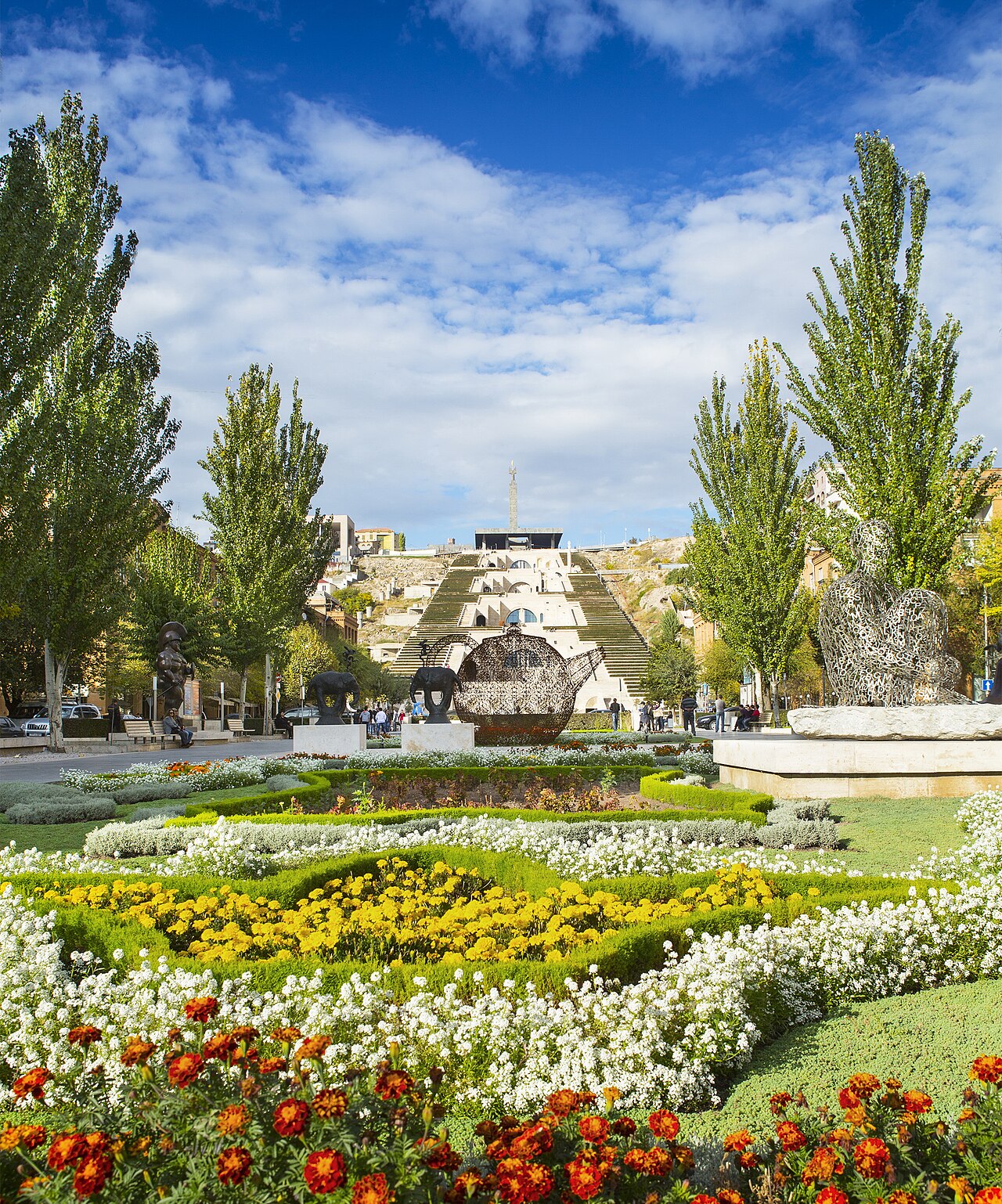
Spring is one of the two best seasons, with mild days, flowering trees and clear air that often reveals Mount Ararat. The city's cafes put out their terraces, the Cascade is a pleasure to climb, and the day trips to Garni, Geghard and Khor Virap are at their most comfortable. Higher places such as Lake Sevan, Amberd and Kari Lake may still have snow and cold wind, so check road conditions and bring layers. Popular tours fill up, so book ahead for weekends and holiday periods.
Summer: hot, long and lively
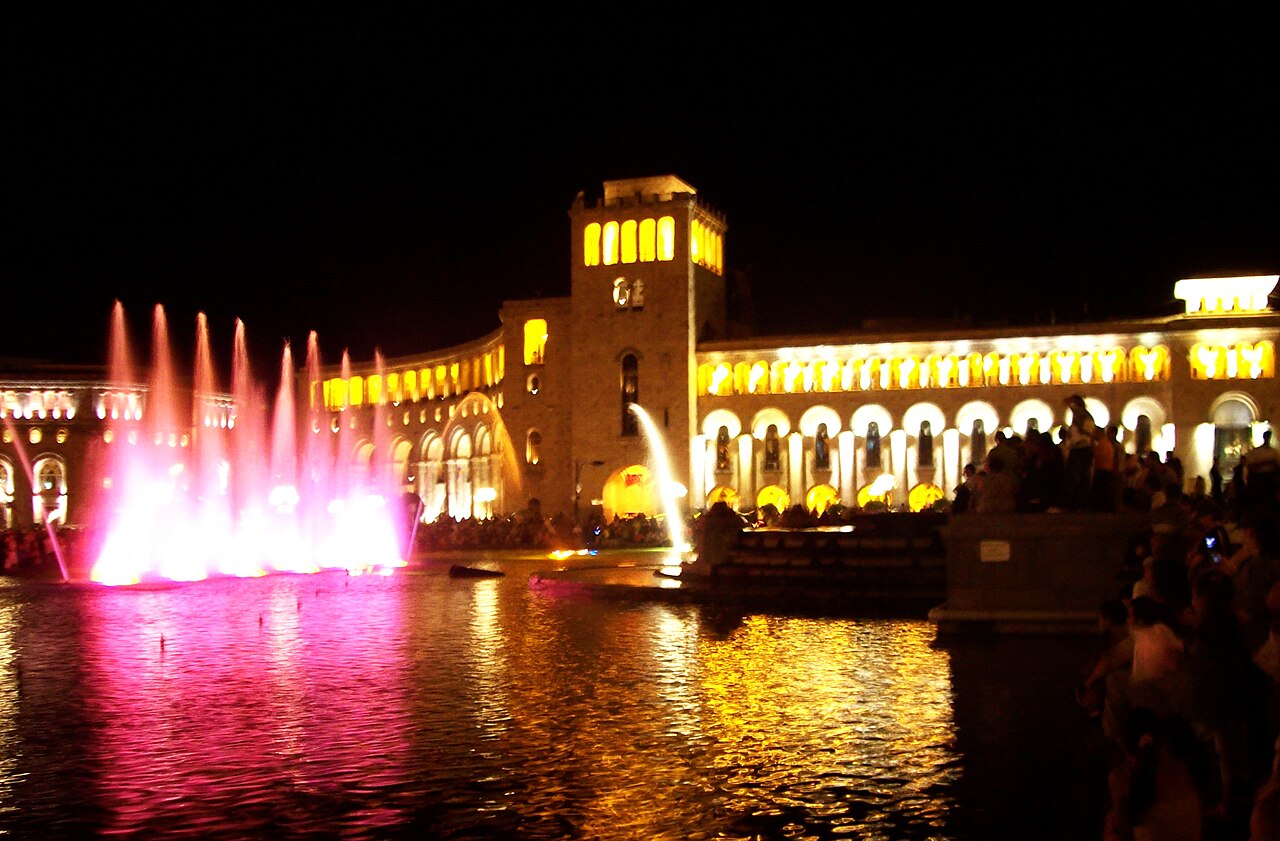
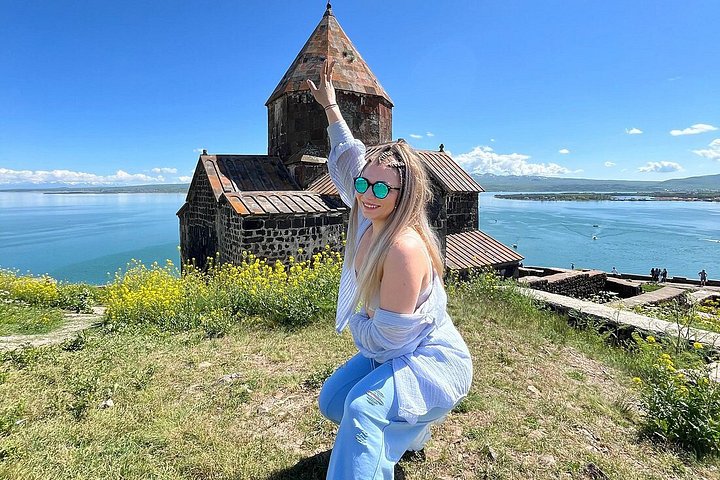
Summer in Yerevan is hot, and the middle of the day can be hard work for sightseeing. Plan around it: visit museums at midday, climb the Cascade or walk Victory Park in late afternoon, and enjoy the long evenings, when the city moves outdoors. The fountains on Republic Square perform in the evenings in the warm months, and the Vernissage market is busy at weekends. Summer is the best time to escape the heat to the highlands: Lake Sevan, Dilijan, Tsaghkadzor and Kari Lake are all cooler, and the Sevan beaches are in use. Apricots and other fruit are in season, and mid-summer brings Vardavar, a traditional water festival held around fourteen weeks after Easter, when people soak each other in the streets, so expect to get wet if you go out that day.
Autumn: harvest and colour
Autumn is the second best season and many travellers consider it the finest. Days are warm and clear, the evenings are mild, and the countryside turns gold and red, especially around Dilijan. This is the grape harvest, so it is the ideal time for the Areni wine tour, with wine events in the Vayots Dzor area in early autumn, and pomegranates and other fruit are in the markets. Tatev and the south are at their best, and visibility for Mount Ararat improves as summer haze fades. Book accommodation early, because this is a busy season.
Winter: cold, quiet and atmospheric
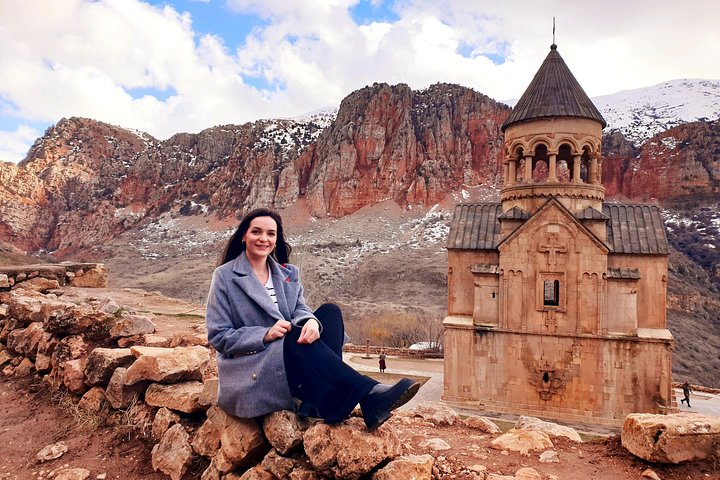
Winter brings cold weather and sometimes snow to the capital, though many days are crisp and bright. It is a good time for museums, cafes and a more local feel, and the tourist crowds are thinner. The Armenian Christmas on the sixth of January and the New Year holidays bring lights and markets to the central squares. Tsaghkadzor is the ski centre, with the ropeway and slopes active in the snow months, and snowy monasteries such as Geghard and Sevanavank are beautiful. On the other hand, the evening fountains are off, the outdoor pool at some hotels is closed, and snow can disrupt highland roads and the route to Tatev or Kari Lake. Dress warmly, wear boots with grip, and keep your day trip plans flexible. The Genocide Museum and some other sights run shorter winter schedules.
Packing by season
In spring and autumn bring layers, a light waterproof and comfortable shoes for stone steps. In summer bring sun protection, a hat, water and a light scarf for churches, plus a warm layer for the highlands. In winter bring a proper coat, hat, gloves and boots with good grip. In every season, a small day bag and a power bank help on long excursions.
Weekly rhythm
Whatever the season, remember that several museums, including the Matenadaran, are closed on Mondays or have limited days, and the Genocide Museum is closed on Mondays. Use Monday for the Cascade, Republic Square, the Vernissage and a day trip. Public holidays can close museums and some shops, so check ahead in holiday periods.
Our pick
For the best balance of weather, light and activity, choose late April to early June or mid-September to October. If you hate heat, avoid mid-summer in the city or plan to spend it in the mountains. If you love snow and quiet, go in winter and focus on museums and Tsaghkadzor. Whichever month you choose, book hotels and popular day tours early for spring and autumn, and carry layers, because the temperature changes sharply between the city and the highlands.