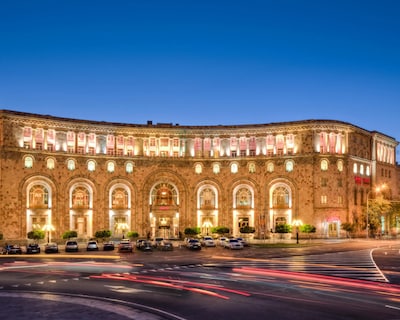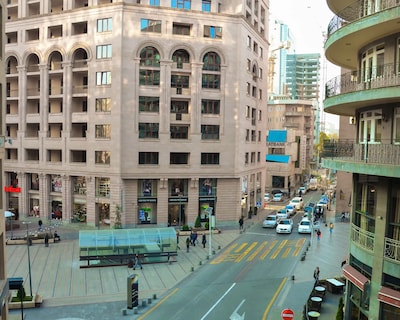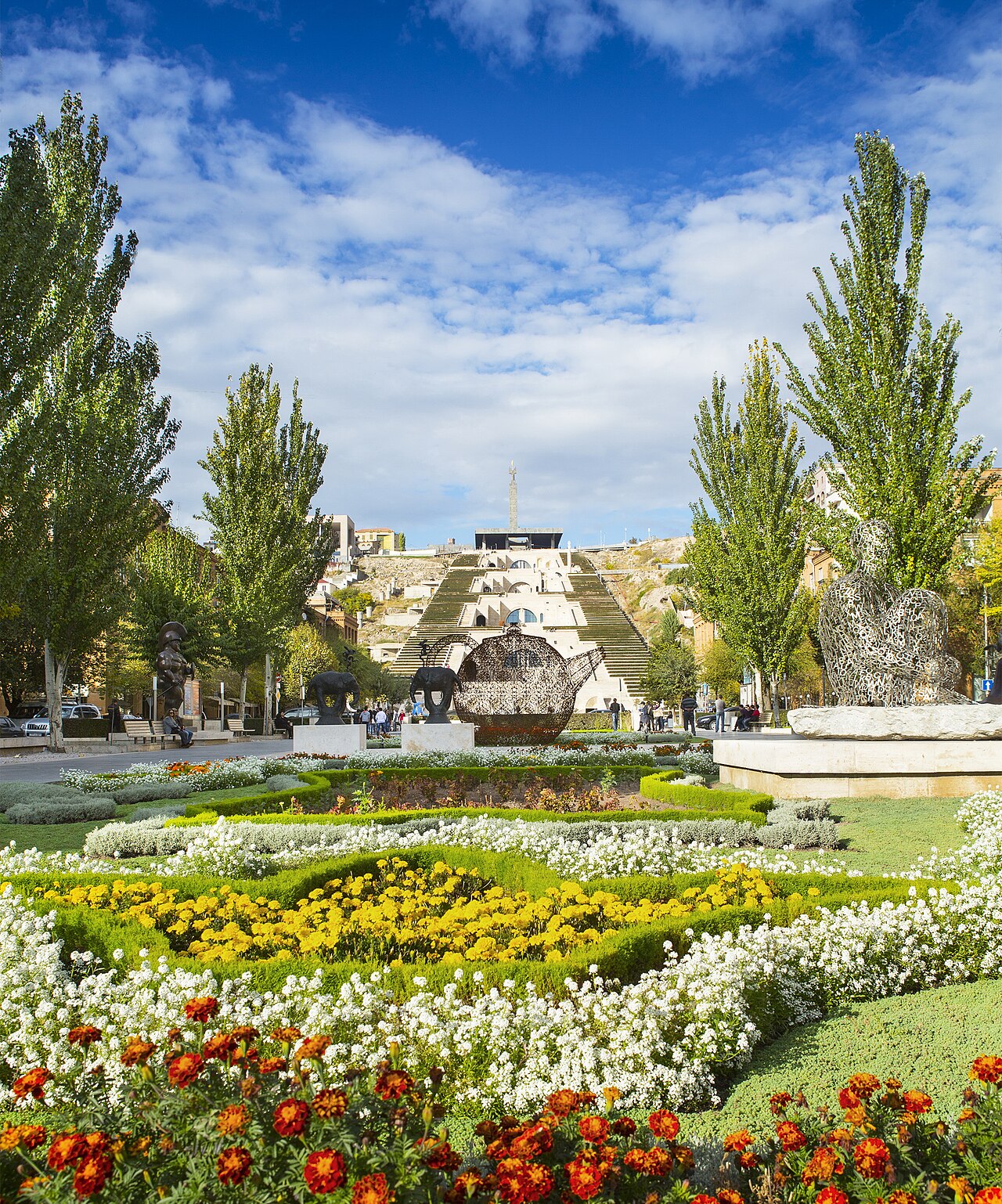
Yerevan is a compact, walkable capital with some of the oldest history in the world just beyond its edge. The centre is a tidy grid of rose-coloured stone buildings around Republic Square, the Cascade climbs the hill to the north, and the great monasteries and temples sit within one to two hours by road. Plan for a few days in the city and one or two days outside it.
What to book ahead
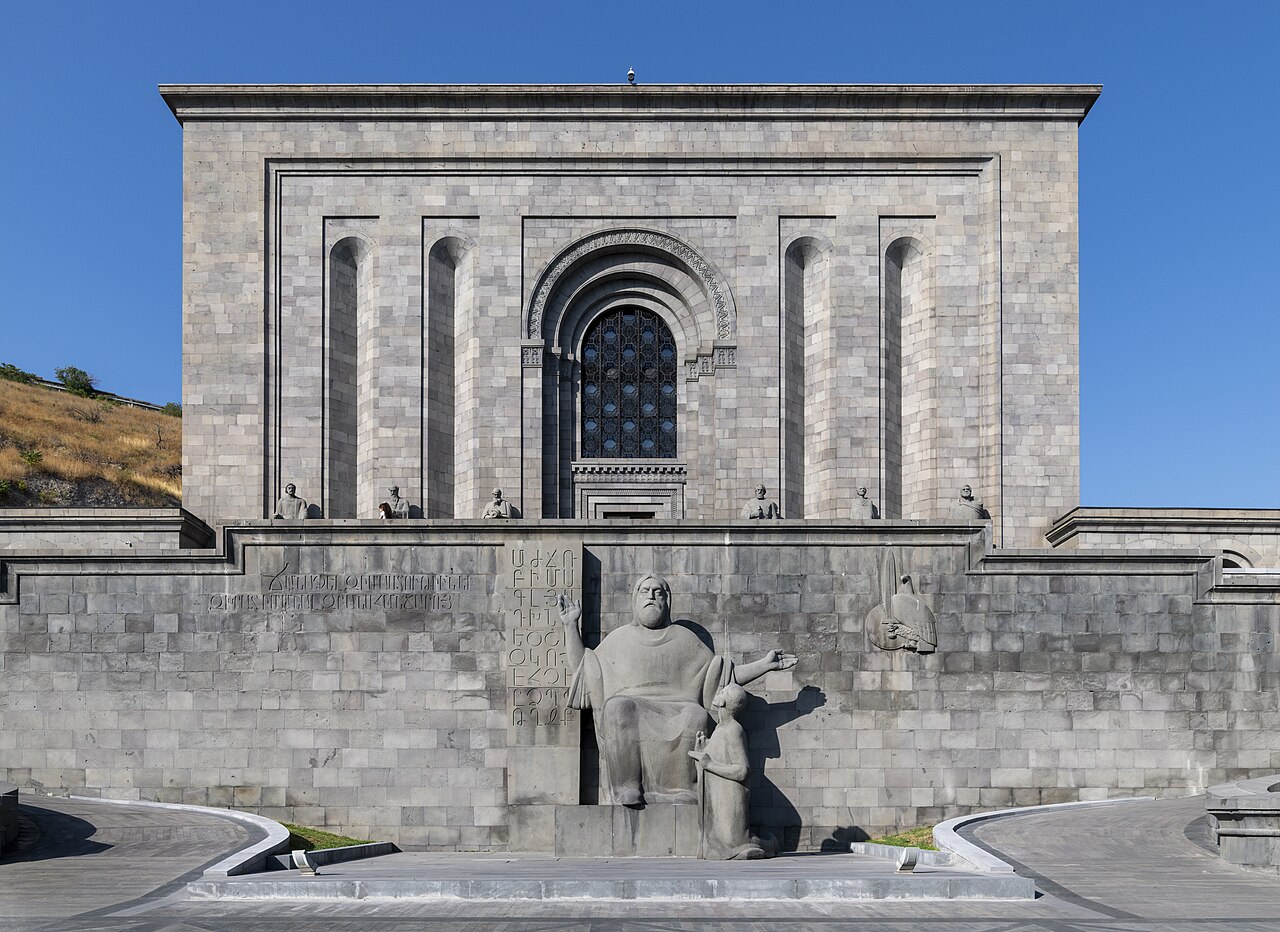
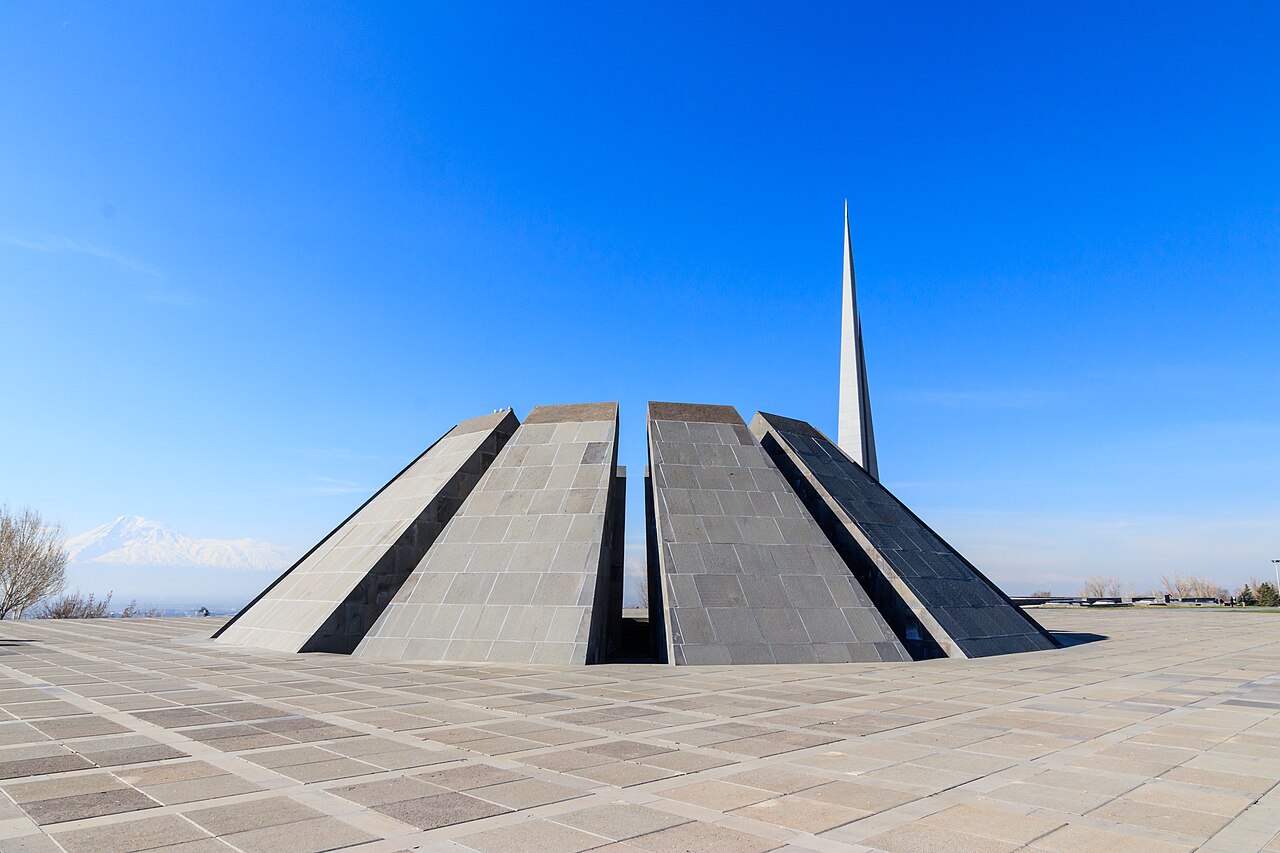
The city sights need little planning, but the day trips do. Book a small-group or private tour for Garni and Geghard, for Khor Virap with Noravank and the Areni valley, and for Lake Sevan with the Dilijan monasteries. These are the headline excursions, and the popular group departures fill up in spring and autumn. Echmiadzin and Zvartnots is a shorter half-day option. If you want to taste brandy, call or ask your hotel to arrange a visit to the Yerevan Brandy Company, because the official page does not publish a booking system. Reserve a foreign-language guide at the Matenadaran or the Genocide Museum if you want one, as both take bookings and the guides are subject to availability.
How many days
Three days is the sweet spot. Spend one day on the centre, with the Cascade, Republic Square, the Matenadaran and an evening at the Cascade terrace, and one on the memorial, Erebuni and a brandy tasting. Add one or two days for the excursions. With four or five days you can do Garni and Geghard, Khor Virap and Areni, and Sevan without rushing, and still have a slow city day for cafes and the Vernissage market. With only two days, do the Cascade and Matenadaran on day one and Garni and Geghard on day two.
Getting around
The centre is walkable, and the single metro line is useful for a few longer hops. Taxis and ride-hailing apps are plentiful and cheap by international standards, and they are the easiest way to reach the Genocide Memorial on its hill and the brandy factory. For the day trips, a tour with a driver removes all the logistics, because public minibuses are slow and the sites are scattered. Carry some cash in Armenian dram for entrance fees and small purchases, since some sites and tour operators prefer it.
Where the headline sights fit
The Cascade and the Cafesjian Center are best in the late afternoon, when you can climb for the sunset and the view of Mount Ararat. The Matenadaran opens Tuesday to Saturday, so keep it for a weekday. The Genocide Memorial and Museum is closed on Mondays, shifts to winter hours from the fifteenth of November and deserves quiet, unhurried time. A private half-day city tour, covering Erebuni, the Matenadaran and Tsitsernakaberd with a guide and driver, is a good way to get your bearings on the first day.
Seasons and practical notes
Spring and autumn are the most comfortable, with clear days and mild temperatures. Summer is hot in the city and the Ararat plain, and winter can bring snow to Sevan and the highlands, which changes road conditions but makes the monasteries atmospheric. Dress modestly for churches, wear sturdy shoes for stone steps, and carry layers for the mountains. Ararat is most visible on clear mornings.
Eating and drinking
Try lavash bread, grilled meats, dolma and the local brandy and wine. Many day tours include a lavash-baking stop or a winery tasting, which saves you from planning separate food outings.
A simple plan
Arrive, walk the centre and climb the Cascade at sunset. Spend day two on the Matenadaran, the memorial and a brandy tasting. Give day three to Garni and Geghard, and use any extra day for Khor Virap with Areni wine or for Lake Sevan.