Yerevan is a city that eats well and slowly. Armenian cooking sits between the Caucasus, the Middle East and the Mediterranean, built on bread, herbs, grilled meat, dairy, dried fruit and a very old wine tradition. You do not need a list of famous restaurants to eat well here; you need to know what to order, where to look and how long a good meal lasts.
Bread first
Lavash is the national bread, a thin flatbread baked against the wall of a clay oven called a tonir, and its traditional making is recognised by UNESCO as part of intangible cultural heritage. It is served with almost everything, used to wrap cheese and herbs, and eaten fresh and soft or dried and crisp. You can learn to bake it on the Garni and Geghard tour, where a lavash-baking stop in a village home is part of the day, which makes it the easiest hands-on food experience for a visitor. Look also for gata, a sweet, flaky bread or pastry that is often baked at home for holidays.
What to order
Khorovats, the Armenian barbecue, is the signature main course: pork, lamb or chicken grilled over open fire and served with grilled vegetables, herbs and bread. Dolma, called tolma in Armenian, wraps vine leaves, cabbage or peppers around spiced rice and meat, and appears at family tables and restaurants alike. Look for fresh herb platters, cheeses, pickles and the cured meats sujuk and basturma as starters. Soups, dumplings and stews are common, and the Lenten and vegetarian dishes based on lentils, beans and greens are good for anyone who does not eat meat. In the colder months, traditional hearty dishes such as khash, a slow-cooked broth usually eaten in the morning with a ritual of garlic and lavash, come into season, and it is more of a social event than a quick breakfast. Fruit is a highlight in summer, especially apricots, and dried fruit and nuts make good gifts.
Coffee and cafe life
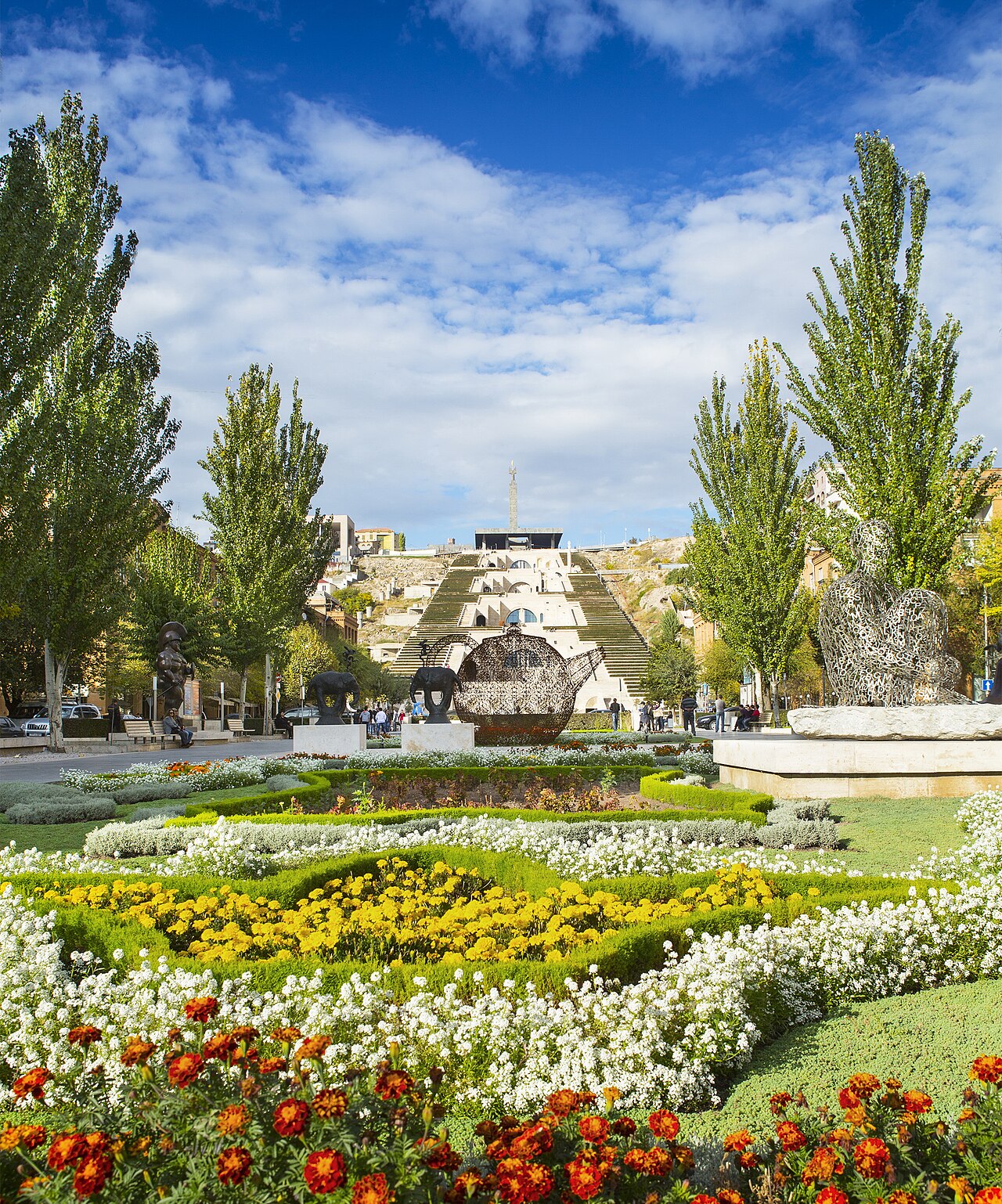
The cafe is a daily institution. Armenian coffee is made in a small pot and served thick in a small cup, and locals linger over it, so there is no pressure to move on. The pedestrian streets around Northern Avenue, the cafes at the foot of the Cascade and the terraces around the opera district are good places to sit. Many places stay open late in summer, when the whole city seems to live outdoors.
Brandy and wine
Armenian brandy has a long tradition, and the Yerevan Brandy Company offers factory visits and tastings, though it is wise to arrange these ahead because the venue does not publish an open booking system. For wine, the Areni valley in Vayots Dzor is one of the oldest known winemaking regions in the world, and the Areni tour on this site combines Khor Virap, Noravank and a winery tasting. Look for the local Areni grape, as well as fruit wines such as pomegranate. Autumn brings harvest season and wine events in the countryside, and it is the best time for a winery visit.
Markets and souvenirs
A visit to a covered or open food market is a quick education in what is in season: herbs, cheeses, dried fruit, nuts, honey and fruit leather called lavashak. The Vernissage is for crafts rather than food, but it is a short walk from places where you can buy sweets and dried fruit to take home. Check the rules for carrying food and spirits across borders before you pack gifts.
Practical notes
Meals are usually shared, and portions can be generous, so order a few dishes for the table. Many restaurants add a service charge, and if they do not, leaving around ten percent is customary. Vegetarians do well but should say so clearly because many dishes use meat stock. Tap water is generally drinkable in the city, though many visitors prefer bottled. If you want to taste several things quickly, order a mixed plate of starters with bread and share it. Opening hours are relaxed, with dinner starting late by European standards. Dishes arrive in no strict order, so do not be surprised if salads, grilled meat and bread land together. Finally, pace yourself: an Armenian toast is a small speech, and a table that looks like a snack will often turn into a feast.