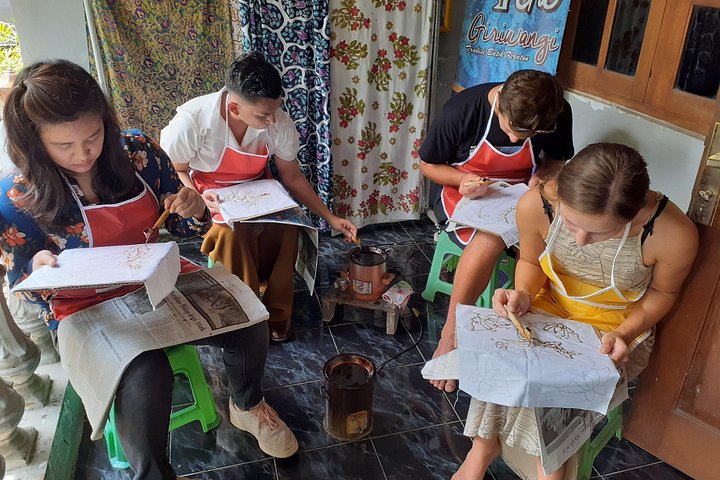
Batik is the craft most closely tied to Yogyakarta, a wax-resist technique in which patterns are drawn onto cloth with hot wax, then dyed, with the wax removed to reveal the design. Yogyakarta batik is known for classic geometric and symbolic motifs, deep indigo and soga brown and a cream white, once governed by court etiquette: some patterns were reserved for the Sultan's family. Batik is recognised by UNESCO as intangible cultural heritage. A class takes you through the tools, the canting pen, the copper stamp and the dye vats, and you leave with a piece of cloth you made yourself. Sessions run a couple of hours, suit all ages and skill levels, and are one of the most satisfying things to do on a rainy or too-hot afternoon.
What the class covers
You choose a motif, trace or draw it with a canting, fill in the detail, then dye and rinse your cloth. A full-process class goes through every stage, including the stamped technique called cap and the hand-drawn tulis, which can take much longer to master. Instructors explain the meaning of patterns, such as parang, kawung and sidomukti, and the way colour and design once marked rank.
Choosing a class
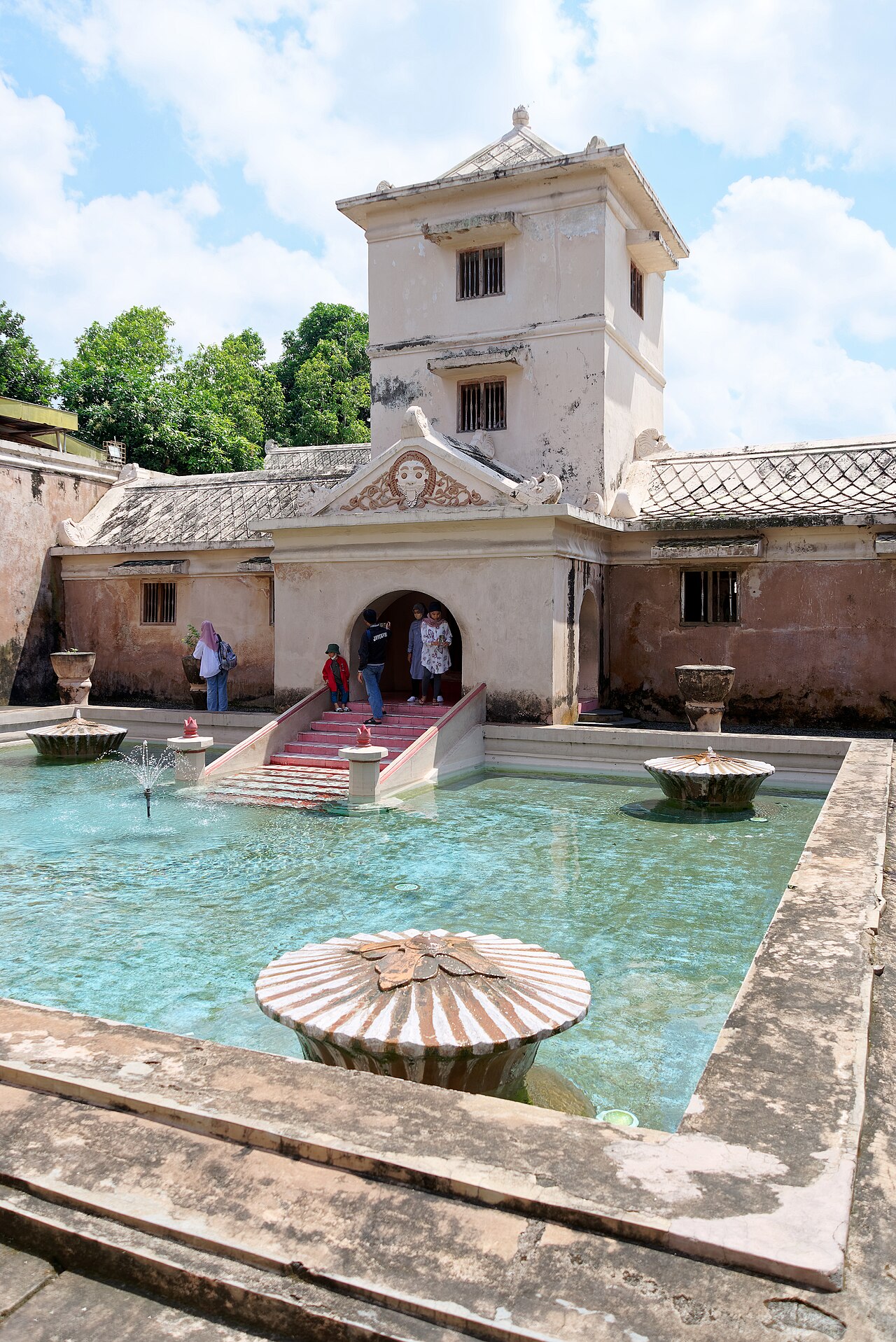
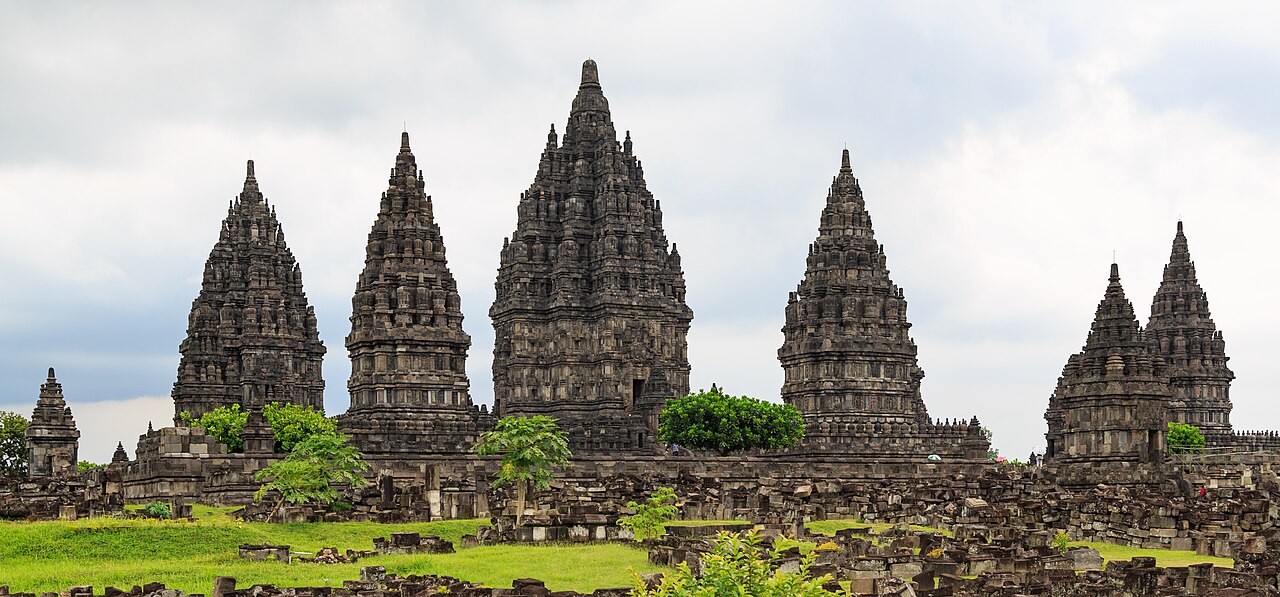
Look for a small group, a clear description of the stages and enough time to finish a piece. The class linked here is a full-process batik master class, run in the Prambanan area, and is a good half-day add-on to a temple visit. In the city, workshops in the lanes around Taman Sari and the Prawirotaman area are also reputable places to see batik being made and to buy finished cloth.
Buying well
Authentic hand-drawn batik is priced by the hour of work, so very cheap printed cloth is usually not batik tulis. Ask to see the wax lines on the reverse, and expect to pay more for the finest cloth. Bring an old shirt, since dye and wax can stain, and wrap your finished piece in the bag provided until it dries.
What to expect
The experience
A guided workshop where you draw a design with a canting, apply wax, dye the cloth and finish a small batik piece to take home.
Best time
Any time of day; it is an ideal indoor activity for the hot midday or a rainy afternoon.
How long
Two to three hours.
Tips
Wear old clothes, ask the teacher about motifs, and let the cloth dry fully before packing it.
Quick picks
- Best for
- Travellers who want a creative, cultural activity and a handmade souvenir.
- Families
- Suitable for most ages with supervision, as hot wax needs care.
- Couples
- A relaxed shared project that ends with a keepsake.
- Pair with
- The Kraton and Taman Sari in the morning, or Prambanan nearby.
- Time needed
- Half a day with travel.
Good questions
Do I need any artistic skill?+
No. Instructors guide you step by step and simple motifs are encouraged for beginners.
How long does a batik class take?+
Usually two to three hours, with drying time for the cloth before you can take it home.
What is the difference between batik tulis and cap?+
Tulis is drawn by hand with a canting. Cap is stamped with a copper block, which is faster and cheaper.
Can children join?+
Usually yes with supervision, since hot wax and dye need care. Confirm age rules when you book.
How do I tell real batik from printed cloth?+
Real batik shows the pattern on both sides and slightly irregular wax lines. Printed cloth looks flat and identical on the reverse.