Javanese cooking is built on patience, and a cooking class is the best way to see why. Yogyakarta's signature dishes lean sweet, with palm sugar, coconut milk and slow simmering shaping everything from gudeg, the young-jackfruit stew the city is famous for, to the sambals and fried tempeh served beside it. A class starts at a local market, where your host explains the produce, the spice stalls and the herbs you will not find at home, such as galangal, kaffir lime, pandan and fresh turmeric. You then move to a kitchen, usually a family home or small studio, to grind pastes, cook over a flame and sit down to eat what you made. Classes suit beginners, vegetarians can usually be catered for with notice, and the format works well for solo travellers because everyone cooks together.
What you will cook
Menus vary by host, but a typical set covers a soup or starter, a stir-fried or grilled main, a vegetable dish with a coconut dressing, a sambal and something sweet. Many hosts teach the base paste, called bumbu, which is the foundation of Javanese cooking and the technique worth taking home. You will use a stone mortar, which is slower than a blender but gives a better flavour, and you will learn how heat and timing change the result. Recipes are usually shared so you can try again after the trip.
The market visit
Yogyakarta's traditional markets start early, and the best produce is gone by mid-morning, so market tours usually run in the morning or very late afternoon. Expect narrow aisles, wet floors and strong smells, so wear closed shoes and light clothing. Your guide will point out tropical fruit, tempeh and tofu makers, the different rice varieties and the snacks sold wrapped in banana leaf. It is also a relaxed way to try small tastings without ordering a full meal, and a chance to ask about ingredients you have seen on menus.
Planning it well
Book a class on a day when the heat will otherwise be at its worst, since cooking is an indoor activity and an easy fit for a rainy afternoon. Tell the host about allergies, spice tolerance and dietary needs when you book. Most classes last three to four hours including the market, so a morning class leaves the afternoon free for the Kraton or a batik workshop.
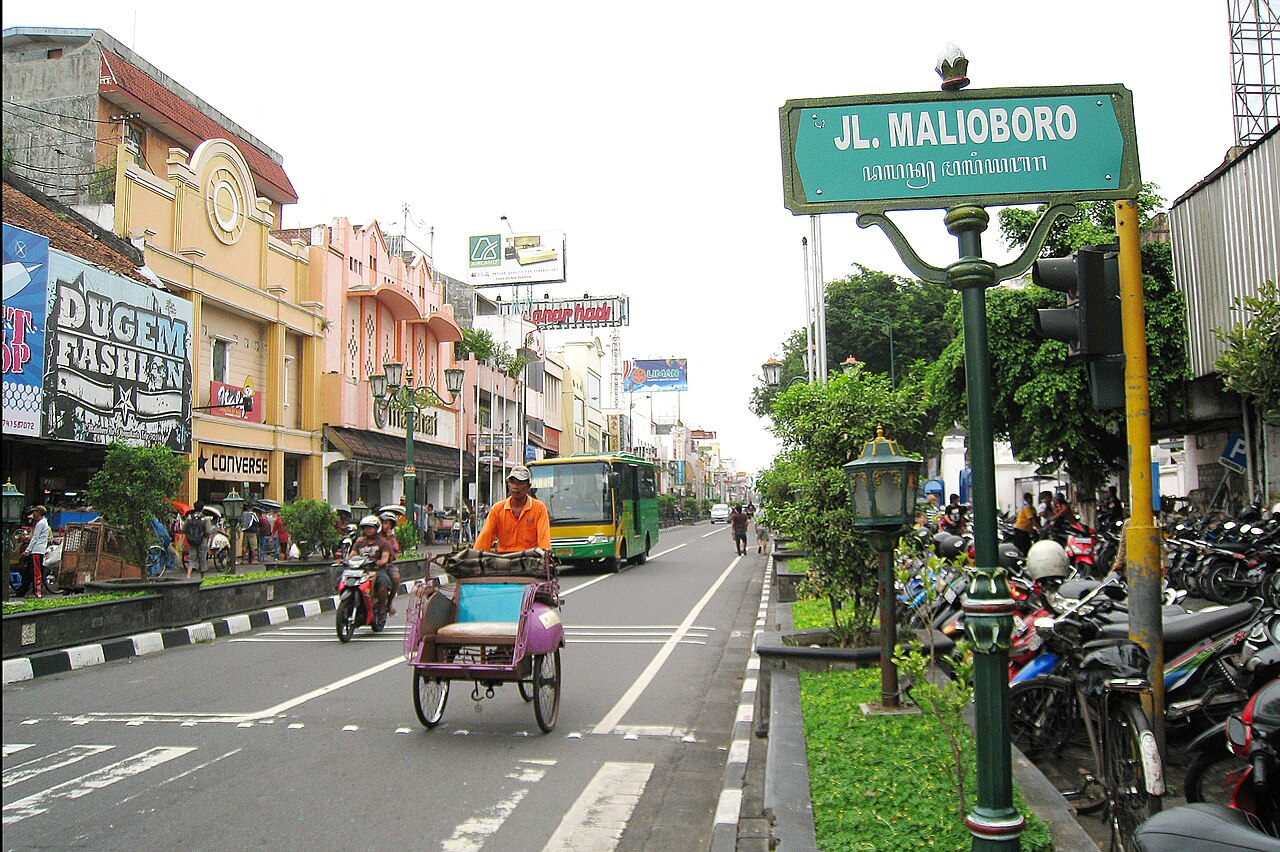
If you want more food in your trip, pair the class with an evening food walk on Malioboro or in Kotagede, and save an appetite, since the best part of the class is the meal at the end.
What to expect
The experience
A guided market visit followed by a hands-on cooking session in a local kitchen, ending with a shared meal of the dishes you prepared.
Best time
Morning, when the market is at its freshest and the kitchen is cooler.
How long
Three to four hours including the market.
Tips
Wear closed shoes for the market, mention allergies and spice tolerance when you book, and ask for the recipes.
Quick picks
- Best for
- Food lovers, solo travellers and anyone who wants a hands-on cultural activity.
- Families
- Good for children who like cooking, with supervision around heat and knives.
- Couples
- A relaxed shared activity that ends with a meal.
- Pair with
- A batik class, the Kraton and Taman Sari, or an evening on Malioboro.
- Time needed
- Half a day.
Good questions
Do I need cooking experience?+
No. Classes are designed for beginners and the host guides each step.
Can vegetarians join?+
Usually yes. Tell the host in advance so the menu can be adjusted.
How long is the class?+
Plan on three to four hours including the market visit and the meal.
What should I wear?+
Light clothes and closed shoes, since market floors can be wet.
Will I get the recipes?+
Hosts commonly share recipes so you can cook the dishes at home, but ask when you book.