Yogyakarta is warm all year, with temperatures in the low thirties Celsius in the afternoons and humidity that rises in the wet months. The real differences between seasons are rain, cloud and crowds, and these affect some activities more than others. Here is how to match your trip to the calendar.
The dry season, roughly May to October
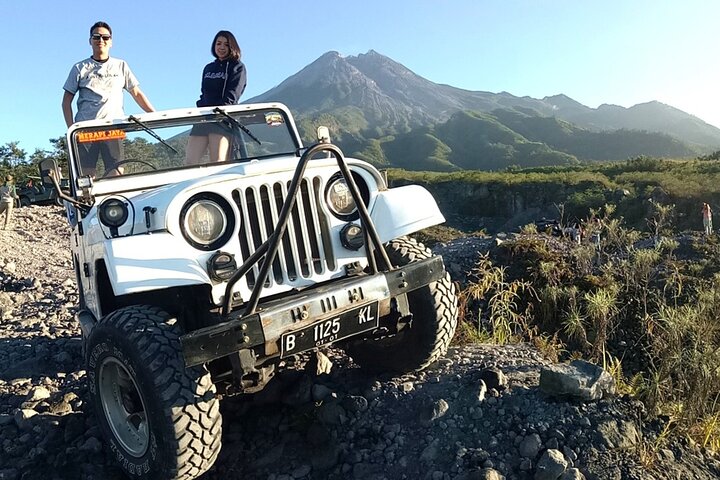
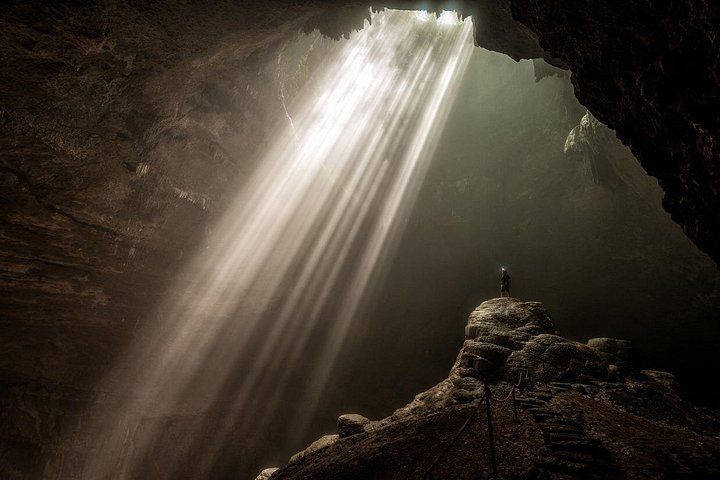
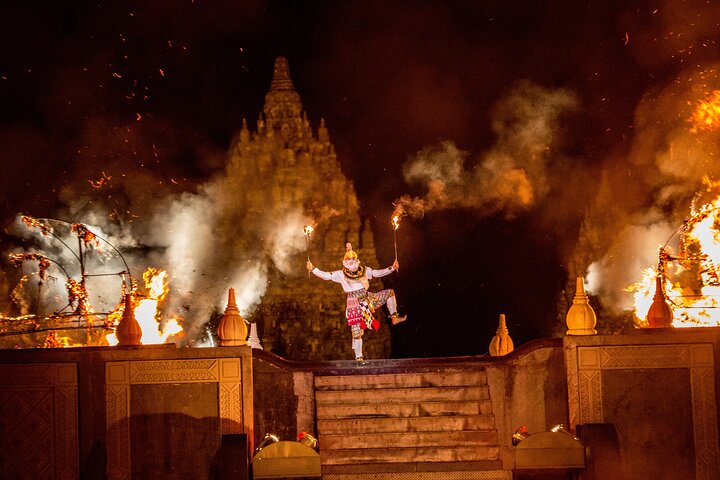
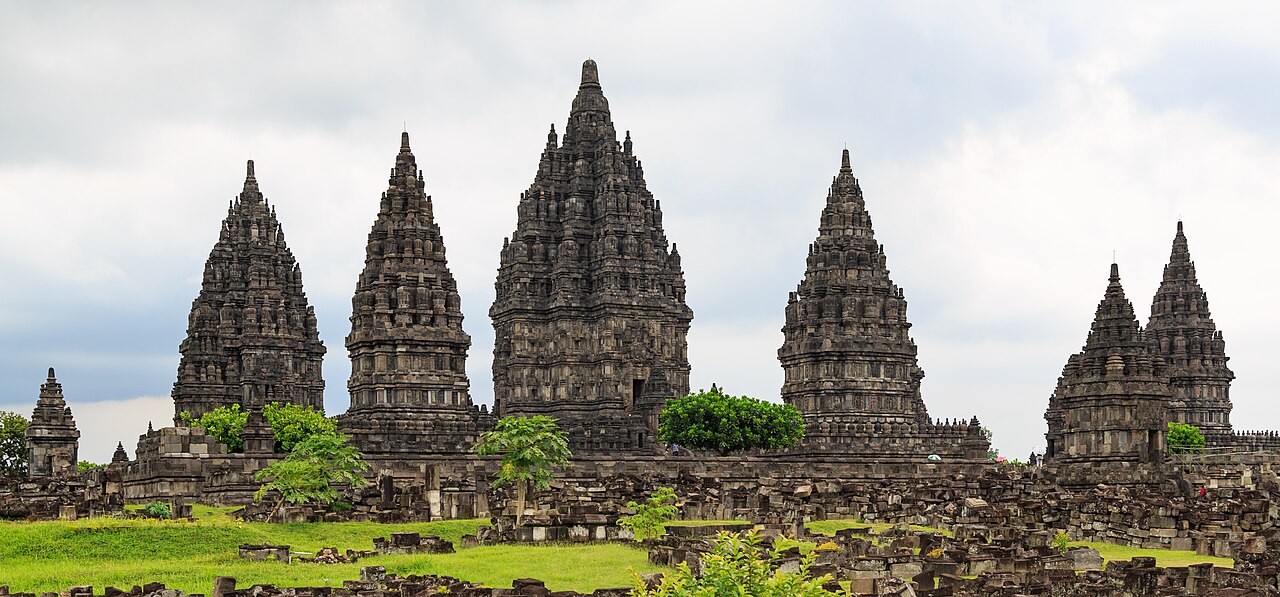
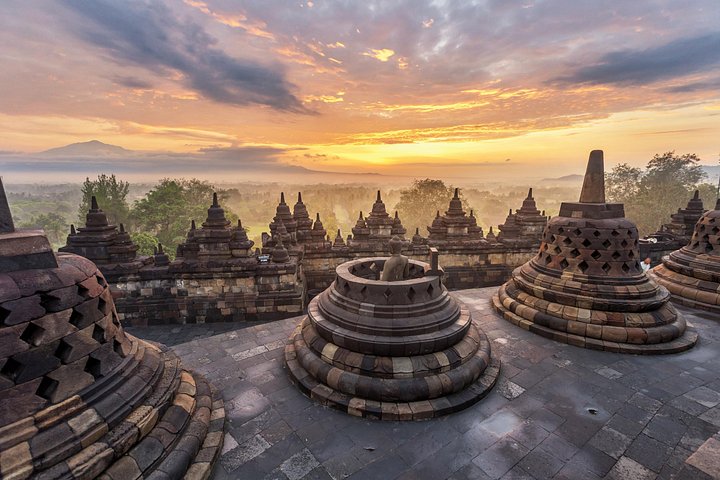
This is the most popular time to visit and the one most guides recommend. Skies are clearer, mornings at Borobudur are more likely to deliver a clear sunrise, and Merapi often shows its summit during early-morning jeep tours. The open-air Ramayana Ballet at Prambanan runs on selected evenings, with the floodlit temple towers behind the stage. Jomblang Cave's beam of light is strongest in the dry season, usually in the middle of the day. The trade-off is crowds and heat: July and August bring the most visitors, so book climbing slots, sunrise tours and hotels well ahead. Start early, because the stone at the temples is hot by late morning.
The wet season, roughly November to March
The landscape is lush, crowds are thinner, and prices at hotels can soften. Rain tends to arrive in the afternoon, often as heavy downpours that clear quickly, so the sensible plan is to do temples, jeeps and outdoor sights in the morning and keep afternoons for the palace, museums, workshops and food. Clouds can hide sunrise and the Merapi summit, so keep expectations flexible, and note that the Jomblang beam is reduced or absent, and the cave may close in heavy rain. The Ramayana Ballet shifts to an indoor theatre in the wetter months. Paths on the volcano and in the rice terraces become muddy, so wear shoes with grip.
The shoulder months
April and October can be a good balance, with rain easing or just beginning, moderate crowds and good light. Early in the dry season the countryside is still green, and late in the dry season the fields turn golden. If you can be flexible, these months offer some of the best conditions for temples and trekking.
School holidays and domestic travel
Yogyakarta is a favourite for Indonesian families, so weekends and school holiday periods, usually around mid-year and at the end of the year, bring heavy traffic, full hotels and busy temples. The biggest surge comes around the Idul Fitri holiday that follows Ramadan, when millions of people travel across Java and prices and traffic climb. These holidays follow the Islamic calendar, so their dates move earlier each year. Plan around them if you can, or book very early and give yourself extra time on the roads.
Festivals and ceremonies
The Sultan's palace holds ceremonies and processions tied to the Javanese and Islamic calendars, such as Sekaten and the Grebeg, and these can close parts of the palace or fill the streets with onlookers. Waisak, the Buddhist holiday at the full moon in May or June, draws pilgrims to Borobudur, and access for ordinary visitors can be restricted around the ceremonies. Because these dates change each year, check them when you plan, and treat them as a reason to come, with respect, rather than a nuisance.
Ramadan
During the fasting month, daytime life slows in some areas, many local eateries open later, and evenings are lively with food markets. Visitors are not expected to fast, but it is polite to avoid eating and drinking openly in front of people who are fasting in small towns, and to dress modestly. Attractions generally stay open, though hours can shorten.
Month by month in brief
January and February are the wettest, with green hills and soft light but frequent afternoon storms. March and April ease into drier weather. May to September is the clearest stretch, with June and September the best balance of clear skies and slightly fewer visitors than July and August. October can bring the first rains late in the month. November and December are wet and humid, with school-holiday crowds at the end of the year. Whatever month you choose, the temples are best in the first hours after opening, and the palace and museums are best in the heat of the day.
Choosing quickly
For the clearest views and sunrise reliability, go in June or September. For fewer crowds and a lush landscape, go in February or March and plan for afternoon rain. For festivals and cultural events, check the Javanese and Islamic calendars. Whatever the month, aim for early starts, carry water and a light rain layer, and book the Borobudur climbing slot first, since it is the most limited and the most weather-sensitive part of the trip.