Yogyakarta is compact and easy to love, but a few things are worth booking before you land. The headline sights, Borobudur and Prambanan, are day trips out of the city, while the old town, palace, water castle and craft lanes fill the days between. This guide lays out what to reserve, how to move around and how to sequence it.
Book ahead: Borobudur
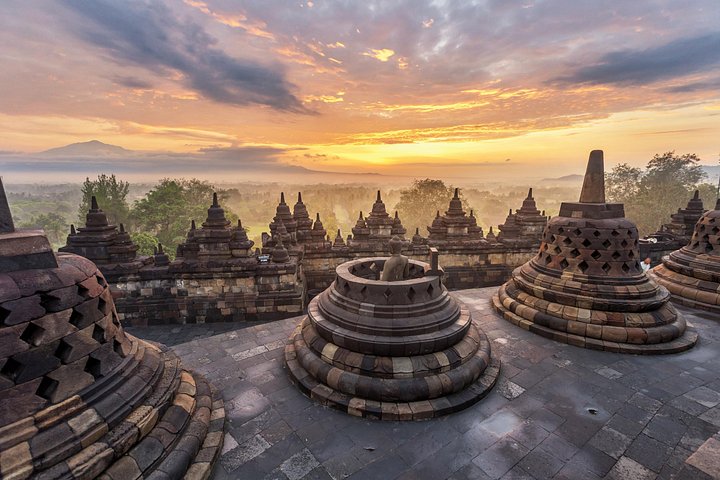
Borobudur is managed carefully. Entry to the grounds and access to the temple structure are treated as different things: climbing is limited to a daily quota, reported at around twelve hundred people and organised in timed slots of roughly a hundred and fifty an hour, with a local guide and provided upanat sandals. Fees for foreign visitors are in the hundreds of thousands of rupiah and change, so check the ticket description to see whether it is grounds-only or includes the climb. A separate, limited sunrise-on-the-monument ticket is also offered. Book climbing slots early for weekends, holidays and the dry season from May to October.
Book ahead: sunrise and the ballet
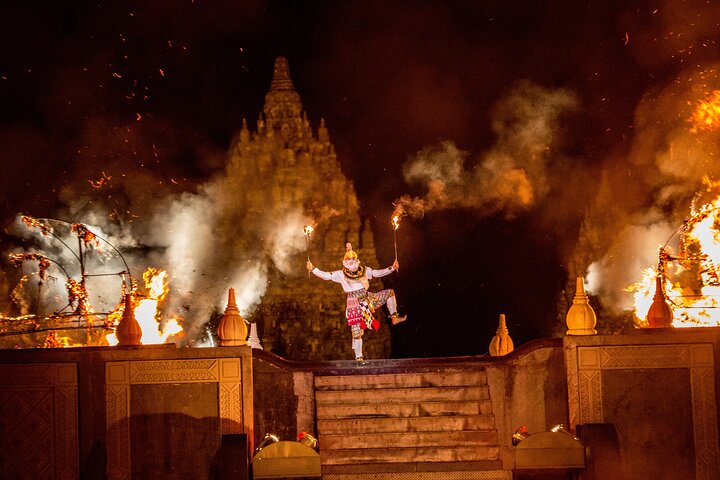
If you want Borobudur at dawn, a dedicated sunrise tour handles the pre-dawn pickup and the limited access. The Ramayana Ballet at Prambanan runs on selected evenings, with an open-air season in the drier months and an indoor theatre in the wetter ones, and the schedule can change, so confirm dates when you book.
Prambanan and Ratu Boko
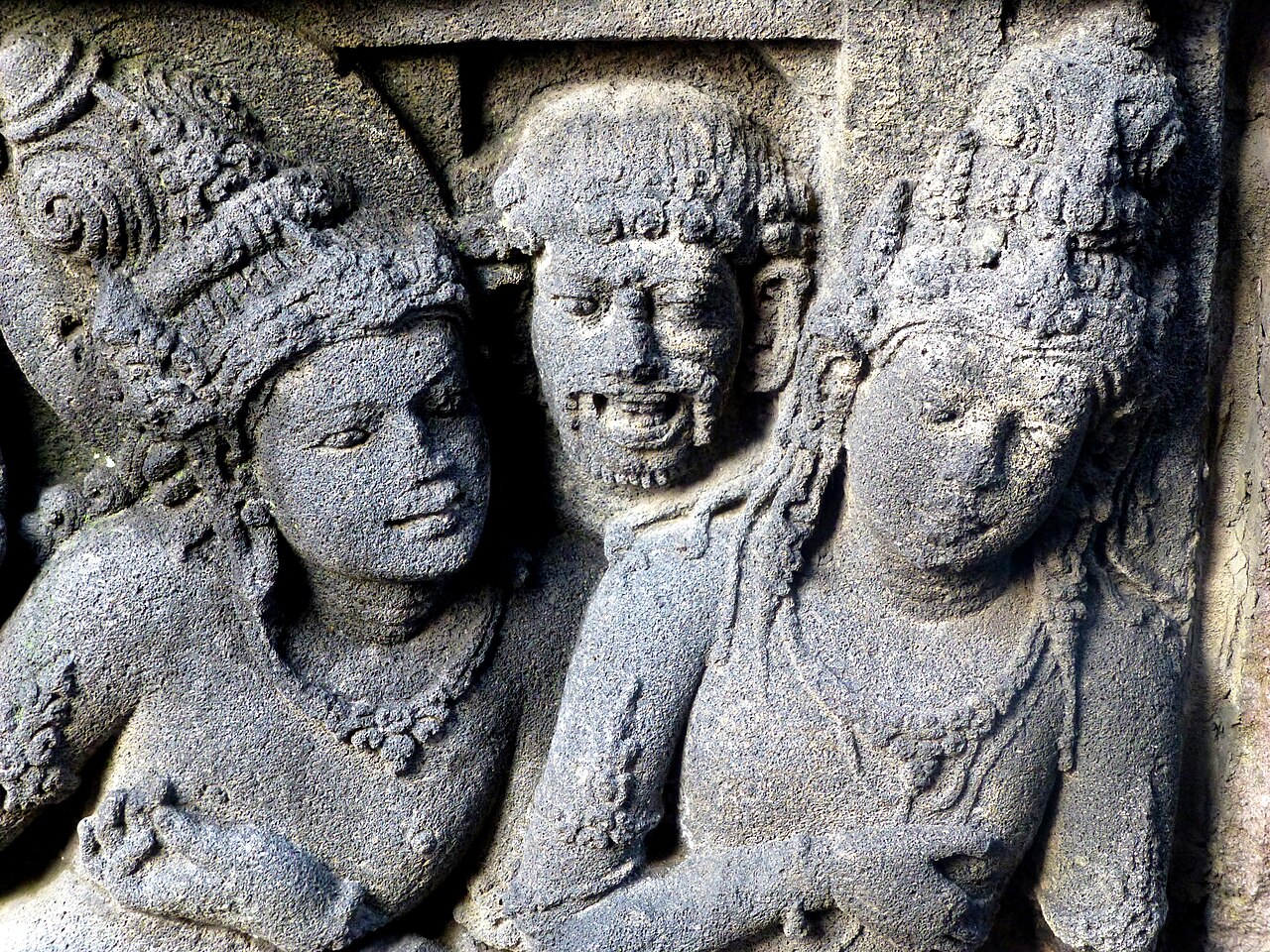
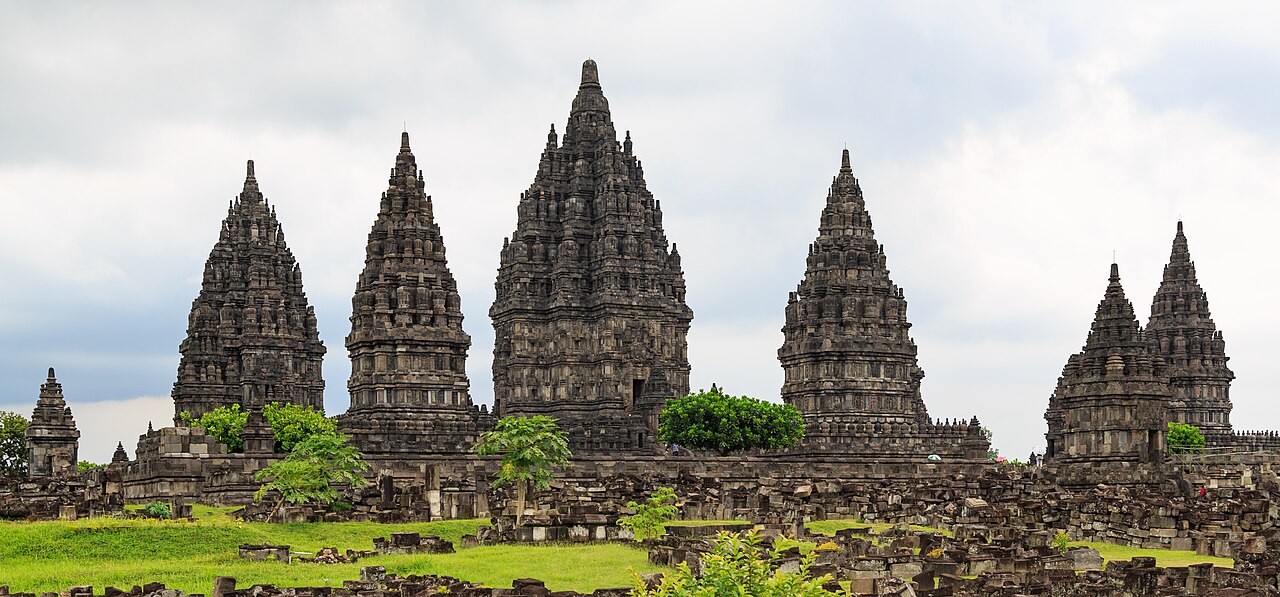
Prambanan, the great Hindu complex east of the city, is best in the cooler hours, with a guide to read the Ramayana reliefs. Ratu Boko, the hilltop ruin just south of it, is the sunset spot. Pair them in one afternoon and finish with the ballet.
In town
Give one morning to the Kraton, the living palace of the Sultan, and Taman Sari, the ruined water garden a short walk away. Wear shoulders and knees covered, and check the palace's days and closing time, since it closes early afternoon and for ceremonies. Walk Malioboro in the evening for food stalls and shopping, and set aside an afternoon for a batik workshop, one of the most rewarding hands-on activities in Java.
Adventure add-ons
A Merapi jeep tour is a half-day ride across lava fields on the slopes of one of the world's most active volcanoes; operators follow the volcano authority's zones and routes can change. Jomblang Cave, an abseil into a sinkhole forest with a beam of light, makes a full day with Pindul cave tubing, but the light beam is strongest in the dry season.
Getting around
Ride-hailing apps work well in the city and are the simplest way to move around, and drivers can be hired by the day for Borobudur, Prambanan and the caves, which is how most visitors do it. Becak, the cycle rickshaw, suit short hops in the old quarter. Most flights now arrive at Yogyakarta International Airport in Kulon Progo, well west of the city, so arrange your transfer or train in advance.
When to go
The dry season, May to October, gives the clearest skies for sunrises and light beams. November to March is wetter: expect afternoon downpours, cloud over the volcano and misty temples, with thinner crowds. Start early either way, because the midday heat on open stone is intense.
How many days
Three days covers the essentials: one for Borobudur, one for Prambanan and the ballet, and one for the old town. Four or five lets you add Merapi, Jomblang and a batik class without rushing. Money is the Indonesian rupiah, cards work in hotels and larger shops but carry cash for temples, tips and small stalls, and drink bottled or filtered water.