Yogyakarta is a city that eats well and cheaply, and its food reflects its Javanese character: sweet more than fiery, slow-cooked and comforting, with a street-side culture that is part of daily life. You can eat memorably without ever entering a restaurant, and the best way to start is to know a handful of dishes and where they fit in the day.
Gudeg, the signature dish
Gudeg is young jackfruit simmered for hours with palm sugar, coconut milk and spices until it turns dark and sweet. It is served with rice, a hard-boiled egg, tender chicken, crisp beef skin in a spicy paste known as krecek, and sambal. It is traditionally a breakfast and lunch food, and many vendors sell it in the morning after cooking overnight. Dry gudeg has little sauce and travels well, and wet gudeg is served with more coconut gravy. Try both, and expect sweetness first and heat from the sambal second.
Angkringan and nasi kucing
After dark, angkringan carts and tents appear on pavements across the city, selling small rice parcels called nasi kucing, skewers of satay, fried snacks, boiled eggs and sweet tea or coffee. You sit on a bench or mat, eat what you like and pay by counting what you ate. It is cheap, sociable and a window into local life. Kopi joss, coffee served with a hot piece of charcoal dropped in, is a Yogyakarta curiosity found at some of these stalls, and is worth trying once.
Lesehan and Malioboro
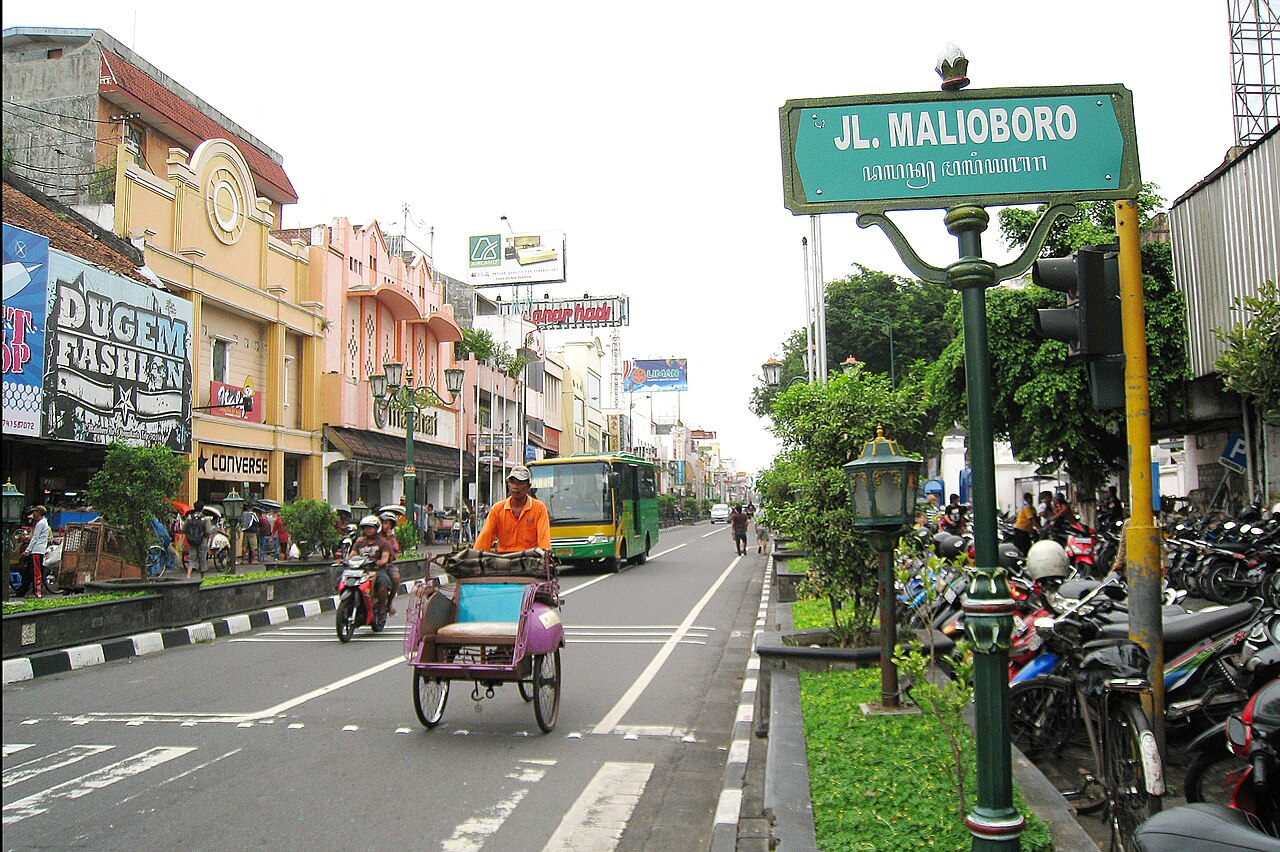
Lesehan means sitting on a mat at a low table, and the evening eateries on Malioboro Street are the best-known example. The menus are broad, from gudeg to fried chicken and grilled fish, and prices vary, so ask before you order and agree what a dish costs. If you would rather not choose alone, a guided night food tour takes the guesswork out and covers several dishes in a small group.
Satay, noodles and fried chicken
Sate klathak is a Yogyakarta speciality, small cubes of goat grilled on thin metal skewers and seasoned simply with salt, and it is usually eaten with a light curry-style broth. Bakmi Jawa, Javanese noodles stir-fried or boiled in small batches over charcoal, is a warming late-night order. Ayam goreng from the Kalasan area, chicken simmered with sweet spices and then fried, is another local classic. Mangut lele, catfish in a coconut sauce, is a good choice if you like fish.
Sweets, snacks and drinks
Bakpia, small pastries filled with mung bean, are the classic edible souvenir and are best bought fresh and warm. Look for traditional market snacks, steamed and fried sweets made with coconut and palm sugar, at Beringharjo market. Wedang, warm drinks of ginger, spices and sometimes rice balls, are served in the evening, and they are a good antidote to air conditioning and rain. Fresh juices and iced tea are everywhere, but ask for no ice if you are unsure of the water source.
Practical tips
The majority of people in Yogyakarta are Muslim, so most food is halal, pork is uncommon, and alcohol is available in hotels, tourist restaurants and some bars but is not part of everyday street life. During the fasting month of Ramadan, many local eateries open late in the day, and evening markets are lively at sunset. Eat at busy stalls with high turnover, choose freshly cooked food, and carry hand sanitiser. Spice is a matter of choice, so ask for sambal on the side. Tell hosts and guides about allergies, as shrimp paste and peanuts are common.
Eating by neighbourhood
Malioboro and the streets behind it are the home of lesehan dining and evening stalls, and the old market of Beringharjo is the place for snacks and daytime browsing. Prawirotaman, south of the Kraton, is full of cafes and restaurants aimed at visitors, with menus that include vegetarian dishes, smoothies and international comfort food, which is handy when you want a break from sweet and spicy. Kotagede, the old silver quarter, has traditional snack stalls and a quiet, historic setting that rewards a slow wander. For vegetarians, tempeh, tofu, vegetable stir-fries and rice dishes are widely available, though sauces and sambals may contain shrimp paste, so ask.
Learning to cook
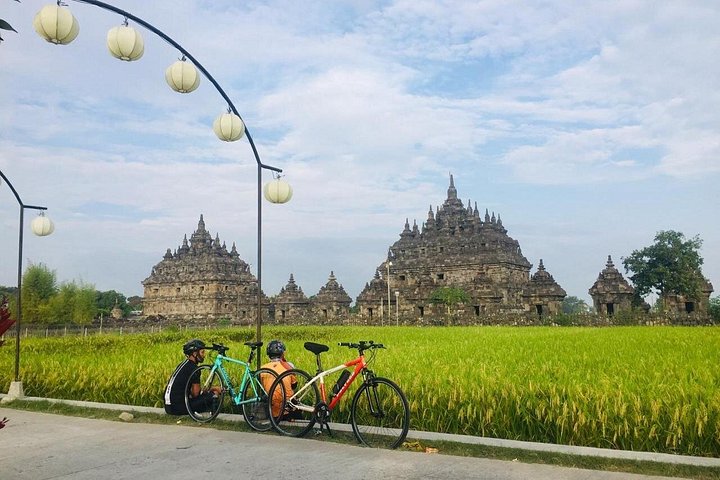
If you want to take the cuisine home, a market visit and cooking class is a popular half-day, and a village cycling tour often includes a local meal. Pair eating with sightseeing by building meals around your route: gudeg after the palace, a market snack before Taman Sari, satay and noodles after a temple day. Cash is still the main method of payment at stalls, so carry small notes.