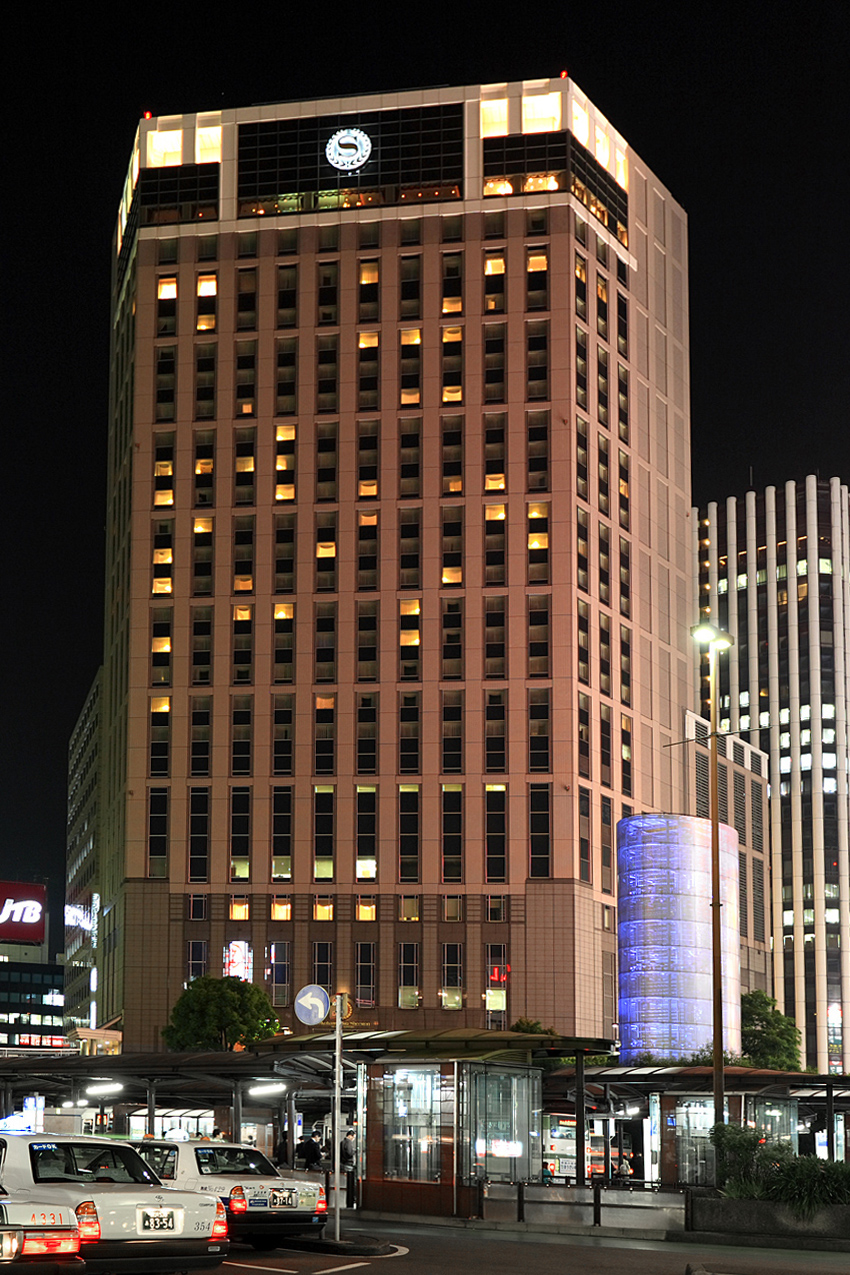
Wearing a kimono is one of the most popular things visitors do in Japan, and Yokohama offers a gentler, less crowded setting for it than the big tourist cities. This experience is designed with couples in mind: you are helped into a kimono or, in the warm months, a lighter cotton yukata, by a trained dresser who handles the layers, the sash and the finishing touches. The result is a traditional outfit that looks right and feels comfortable enough to wear while walking, which is the whole point. Yokohama makes an interesting backdrop because the city itself is a meeting of cultures. Its harbor opened to foreign trade in the nineteenth century, and the streets around the waterfront still mix red brick, Western-style houses and modern towers. A kimono against that background is a more unexpected photograph than the usual temple gate, and it suits a trip where you want something personal rather than another sight on a checklist. You do not need any experience. Dressers are used to first-timers, will explain how the pieces fit together and will adjust things so you can sit, walk and climb stairs without trouble.
How the session usually works
You arrive at the meeting point, choose an outfit from the available selection and are dressed step by step. Women's kimono typically involve several layers, a wide sash tied in a decorative bow and sometimes hair styling; men's outfits are simpler but still need careful tying. Plan for the dressing itself to take a good part of an hour, because the details are what make it look polished.
Accessories such as bags and footwear are usually part of the experience, but confirm what is included when you reserve, along with whether professional photographs are offered or you are expected to use your own phone.
Choosing between kimono and yukata
A kimono is the formal, layered garment and suits cooler months, special photographs and anyone who wants the full effect. A yukata is an unlined cotton robe associated with summer festivals, fireworks and hot springs, and it is lighter and easier to wear in the humid Yokohama summer.
If you travel between June and September, ask which style is offered at your time slot. Either way, wear comfortable underlayers, avoid bulky clothing beneath the outfit and bring a small bag for your belongings, which are normally stored while you wear the costume.
Where to spend the time afterwards
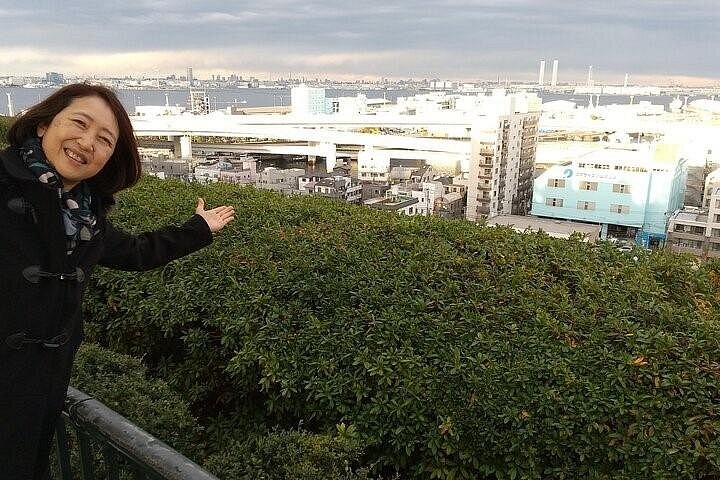
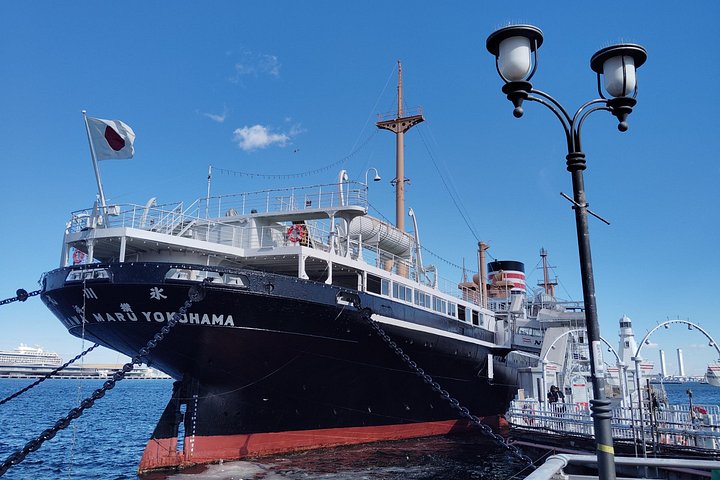
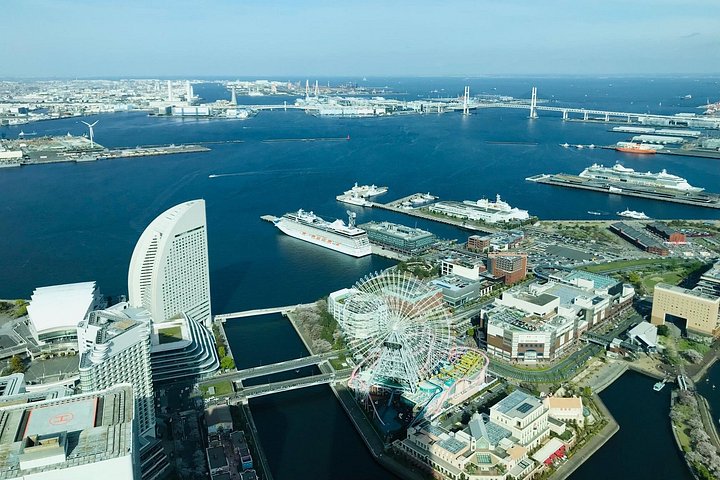
The harbor district rewards a slow walk in traditional dress. Yamashita Park and the waterfront promenade are open and photogenic, the Red Brick Warehouse gives you a historic backdrop, and Chinatown adds colour and lanterns. Walk at a gentle pace, take small steps and keep an eye on the hem on stairs.
If you want a quieter setting for portraits, Sankeien Garden offers ponds, bridges and old buildings that suit kimono beautifully, though it is a bus ride away and needs its own time. Weather matters a little more than usual, so check the forecast, and ask what the plan is in rain.
Practical advice
Reserve ahead for weekends, cherry blossom season and autumn colour, when slots go quickly. Arrive a few minutes early, wear socks that suit traditional footwear, and keep jewellery simple so it does not clash with the outfit. Comfortable eating is the main limitation, because the sash is firm, so plan a light snack rather than a large lunch until you change back.
Etiquette is relaxed, but treat the garment with care and follow your dresser's advice on sitting, getting into vehicles and avoiding food stains. It is a short, enjoyable add-on that pairs well with an afternoon in Chinatown or an evening in Minato Mirai once you have changed.
What to expect
The experience
A guided dressing session for couples or friends, followed by time to walk and take photographs in the harbor city.
Best time
Spring and autumn for comfortable weather and colour; summer suits the lighter yukata.
How long
Two to three hours including dressing.
Tips
Wear simple underlayers, keep a small bag and confirm what is included before you reserve.
Quick picks
- Best for
- Couples, friends and anyone who wants a personal photo-led Japan memory.
- Families
- Best for older children who will stand still for dressing; ask about child sizes.
- Couples
- One of the most romantic things to do in the city, with photographs to match.
- Pair with
- A stroll through Yamashita Park and dinner in Chinatown.
- Time needed
- Two to three hours including dressing.
Good questions
Do I need to know how to wear a kimono?+
No. A dresser handles the layers and the sash, so beginners are welcome.
Can I walk around the city in the outfit?+
Yes. The outfit is meant to be worn outdoors, so plan a gentle walk for photographs.
Is it suitable in summer?+
Yes, a lighter yukata is the usual choice in warm months. Ask which style is offered for your date.
What should I wear underneath?+
Simple, close-fitting underlayers and socks suited to traditional footwear. Avoid bulky clothing.
Can men take part?+
Yes. Men's outfits are simpler but just as traditional, and couples usually dress together.