Zagreb is a city that rewards a slower look. It has no single blockbuster sight, but its hilltop old town, its café life, its quirky museums and its green squares add up to one of the most likeable capitals in Central Europe, and it is the gateway to Plitvice Lakes. Here is how to plan a first visit.
How many days
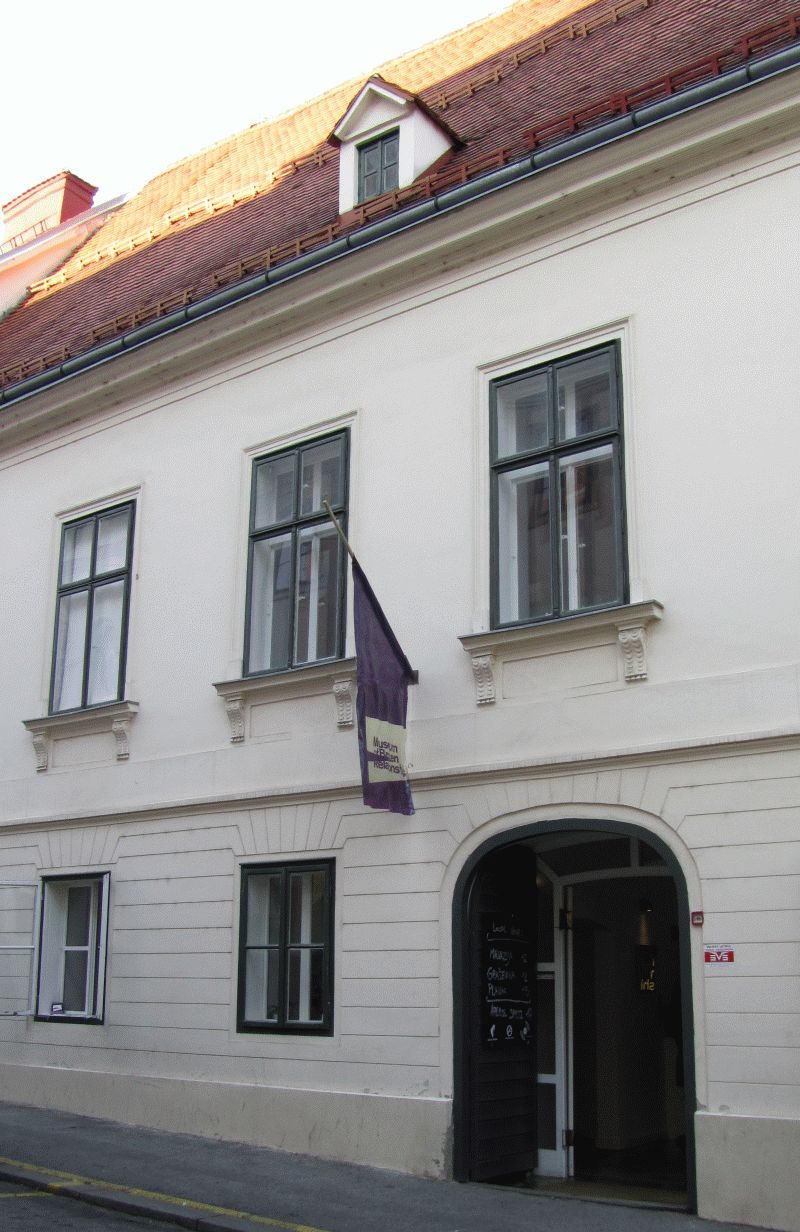
Give Zagreb three days. Day one covers the Upper Town, the Museum of Broken Relationships, the cathedral and Dolac market. Day two is for Mirogoj in the morning and the Sljeme cable car to Medvednica in the afternoon, or a food tour in the evening. Day three is the Plitvice Lakes day tour. With a fourth day, add the Ljubljana and Lake Bled trip. With only two days, choose between Medvednica and Plitvice.
What to book ahead
Very little in the city itself needs booking: the Upper Town, the cathedral, Mirogoj and Dolac are free, and the Museum of Broken Relationships and Zagreb 360 sell tickets at the door. What you should book are the guided tours. The Plitvice day tour leaves at 08:30 from Zrinjevac, includes park entry and takes only eight people, so reserve it as soon as your dates are fixed. The culinary tour, with up to six dishes and four wines, starts at 16:00 at the Ban Jelačić statue. Both have free cancellation up to 24 hours before. In December, book hotels early for Advent weekends.
Advent in Zagreb 2026
From late November the city turns into one of Europe’s favourite Christmas markets. Advent Zagreb 2026 officially opens on Saturday 28 November 2026 and runs until 7 January 2027, with a warm-up from 25 November. The main locations are Ban Jelačić Square, European Square and Kvaternik Square in the centre; Plato Gradec and the Strossmayer promenade in the Upper Town, with lights and views over the roofs; and the park squares of the Lenuci Horseshoe, Zrinjevac, Strossmayer and King Tomislav, which host their own stalls and programmes. Districts across the city, including the area by the Sljeme cable car, join in too. Expect mulled wine, sausages, fritule doughnuts, concerts and crowds on weekend evenings. Come on a weekday afternoon for space, stay on into the evening for the lights, and watch the scene from Zagreb 360 above the main square. Check closing days around Christmas: the Museum of Broken Relationships closes on 24 and 25 December and 1 January.
Getting around
The centre is compact and walkable. Ban Jelačić Square is the hub of the blue tram network, which covers almost everything you need, including the main station and the line to Mihaljevac for the Sljeme cable car. The funicular climbs 66 metres from Ilica to the Upper Town in under a minute and has done so since 1890. Mirogoj is a short bus ride up from Kaptol. You do not need a car in the city; for Plitvice and Slovenia, the guided tours solve the transport.
Where the headline sights fit
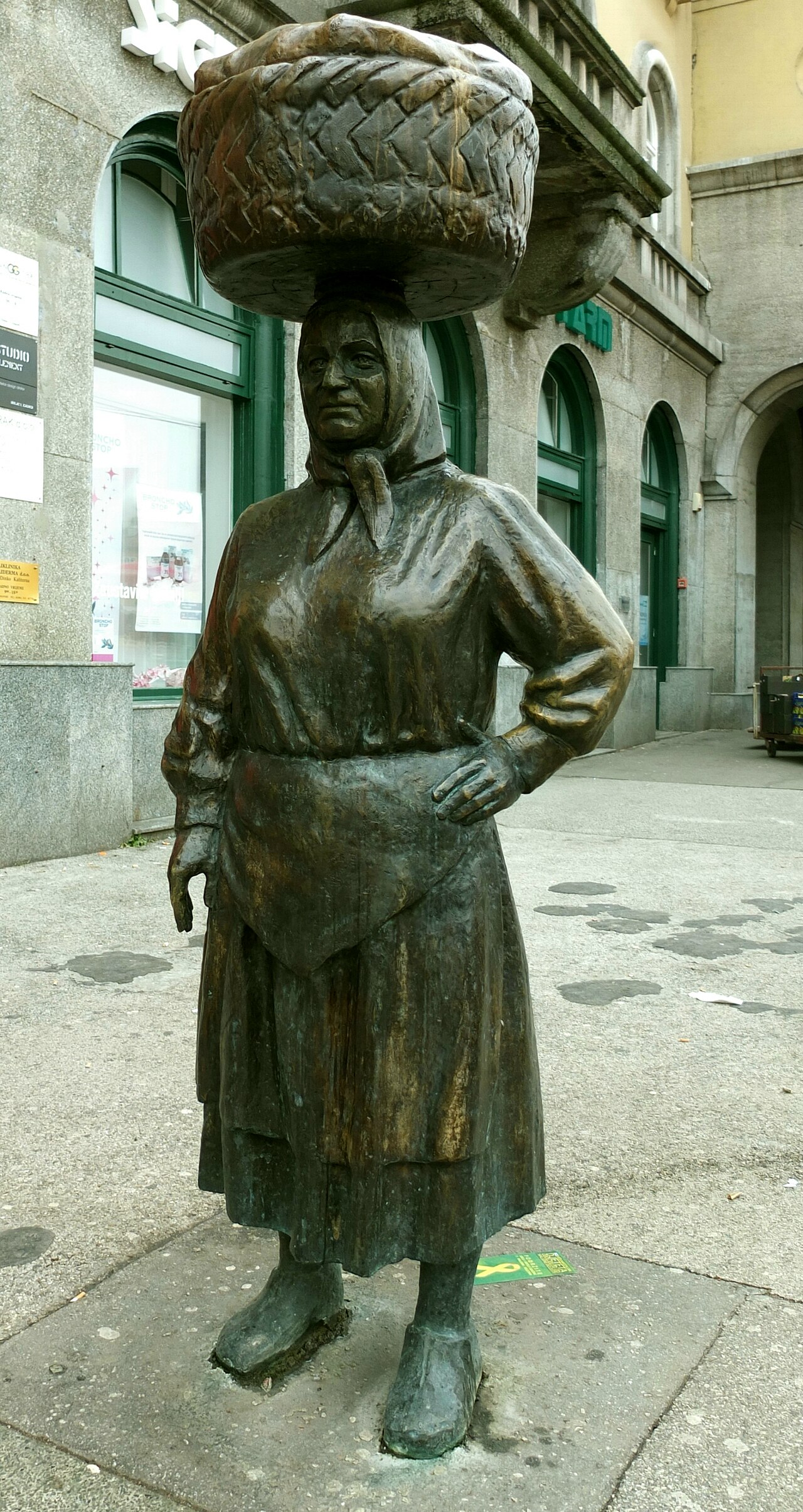
Day one: coffee on Ban Jelačić Square, Dolac market before 11:00, the cathedral on Kaptol, then the funicular up to the Upper Town for the noon cannon at the Lotrščak Tower, St Mark’s Square and the Museum of Broken Relationships. End with the view from Zagreb 360 at dusk. Day two: Mirogoj in the morning light, lunch in the Lower Town, then the cable car to Sljeme for a forest walk, or the culinary tour at 16:00. Day three: Plitvice, and an easy evening.
Weather and season
Winters are cold, often grey and sometimes snowy, so pack a warm coat, a hat and shoes with grip for the Upper Town cobbles and the Plitvice boardwalks. Spring and autumn are mild and beautiful. Summers are hot, and many locals leave for the coast in August, which makes the city quieter.
Money and manners
Croatia uses the euro, and cards are widely accepted, though small cash helps at Dolac and Advent stalls. Coffee culture is serious: a coffee on a terrace can last an hour, and nobody will rush you.