Three days is the sweet spot for a first visit to Zion and Bryce Canyon: enough time for the signature hikes in each park, a sunrise or two, and the spectacular drive between them, without the rush of a day trip. This plan assumes you arrive in Springdale the evening before day one, from Las Vegas or St. George, and that you have a car. Adjust it for the season and for current conditions, and treat every hike as optional if the weather turns.
Day one: Zion Canyon from the inside
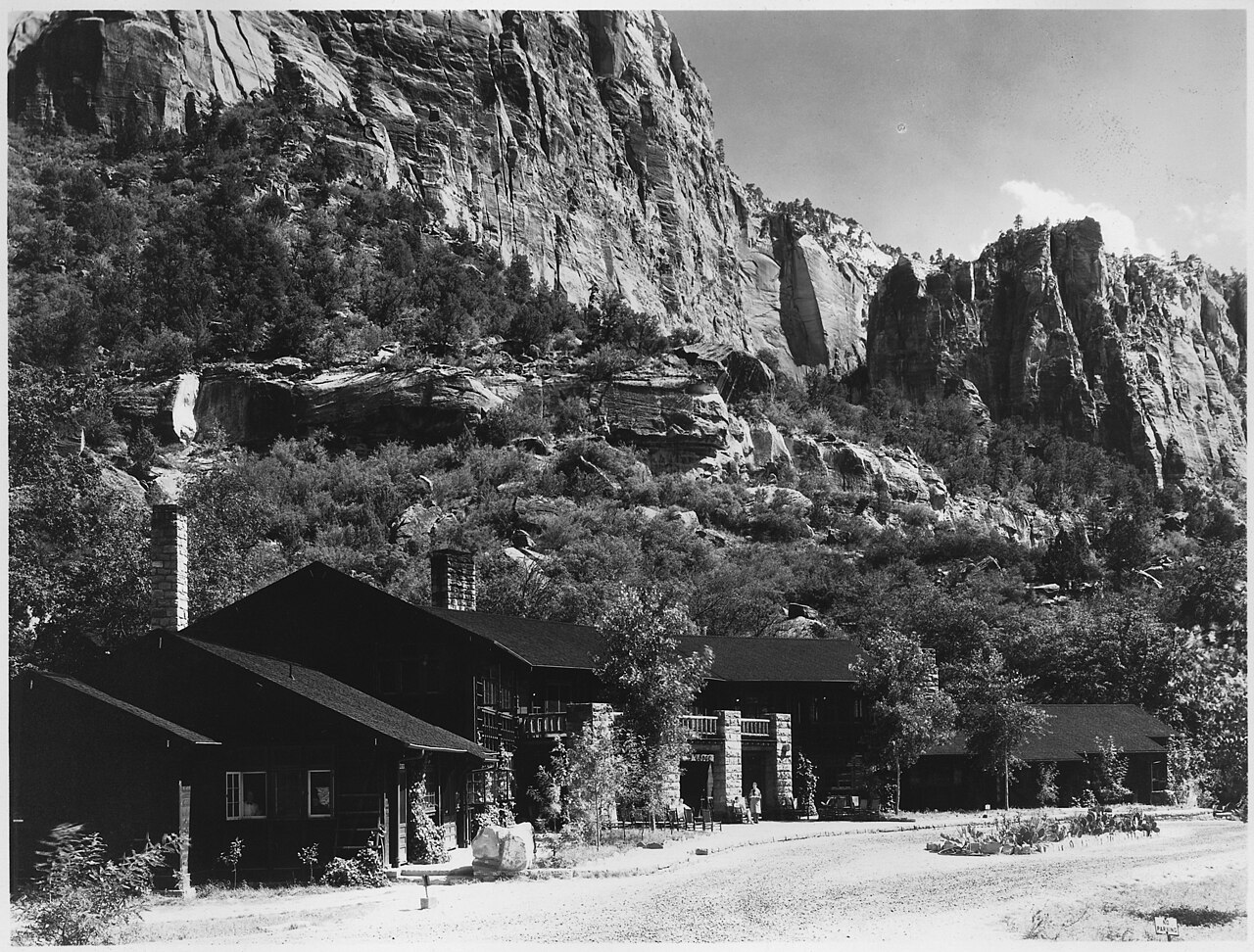
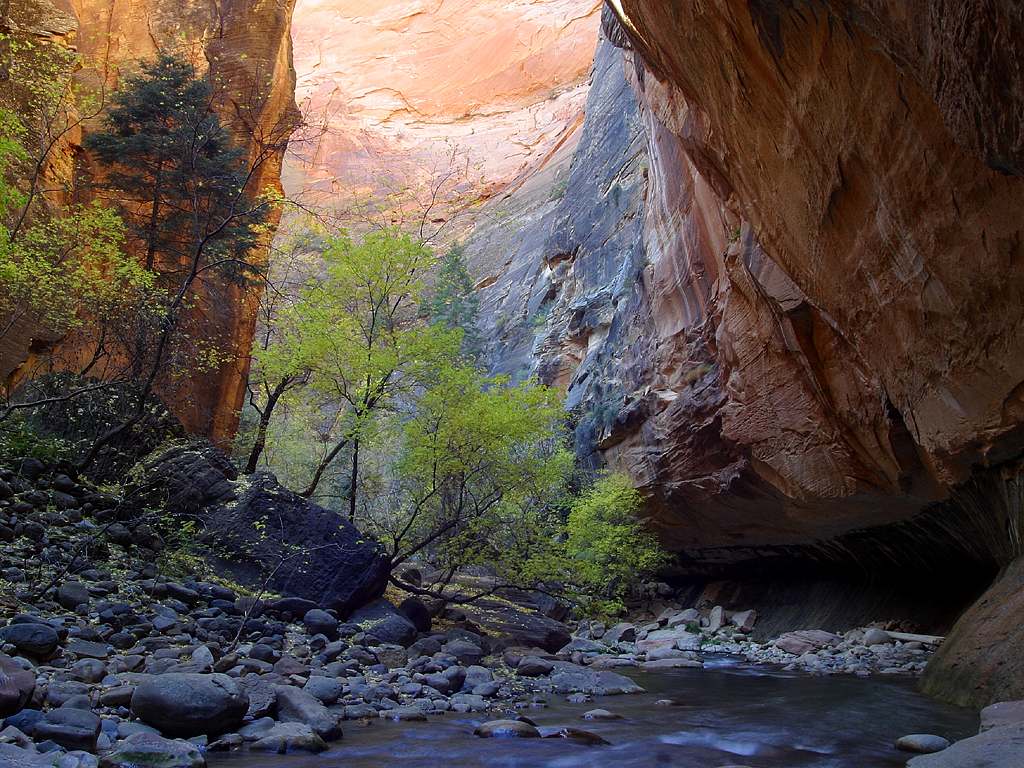
Start early. In shuttle season, be at the Zion Canyon Visitor Center for the first bus, or ride the free Springdale Line from your hotel to the pedestrian entrance. Take the shuttle all the way to the Temple of Sinawava and walk the paved Riverside Walk, a mile along the river beneath hanging gardens, to the start of The Narrows. Check the flow and flash flood forecast first; if the river is open, wade upstream for as long as you like, aiming for Wall Street, where the canyon walls close in, before turning back. Rent canyoneering shoes, neoprene socks, a walking stick and, in the cold months, a drysuit in Springdale the day before. Ride the shuttle back down in the early afternoon and stop at Zion Lodge for lunch on the lawn, then walk the Emerald Pools trails across the road, ideally the Kayenta Trail loop from the Grotto. Finish with the view at Court of the Patriarchs and dinner in Springdale. If you are visiting between November 29 and December 25, when there is no shuttle, you will drive the canyon instead — arrive early, because the parking lots are small.
Day two: Angels Landing and the east side
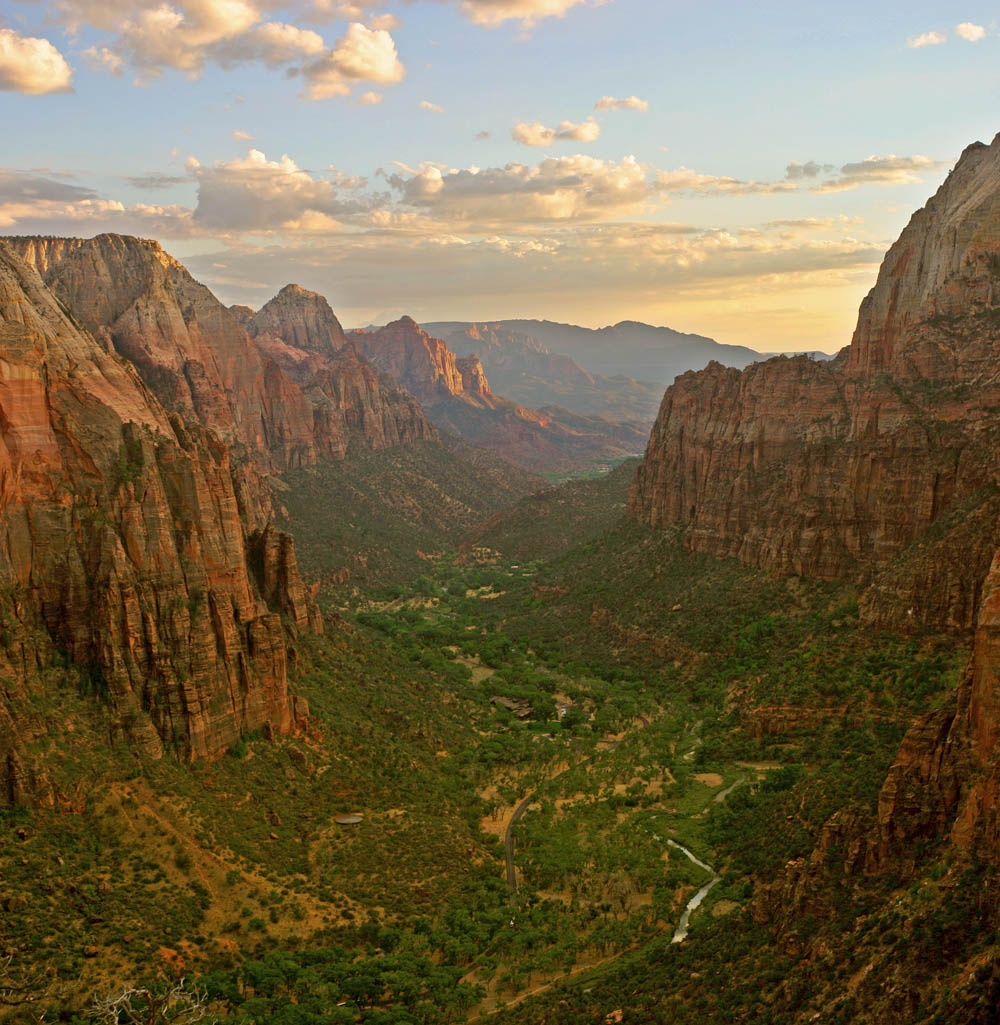
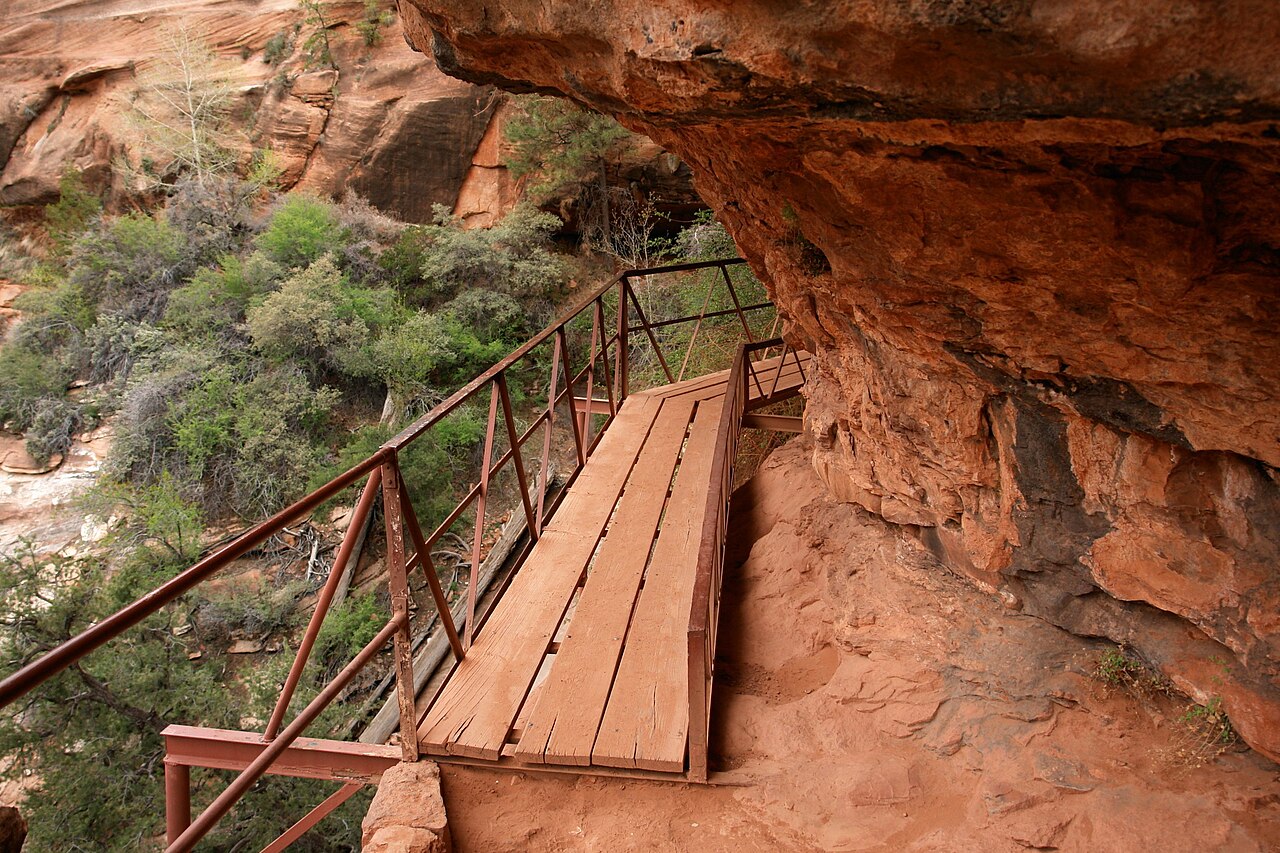
If you won a permit in the seasonal or day-before lottery, ride the shuttle to the Grotto at dawn and hike Angels Landing: 5.4 miles round trip with about 1,488 feet of climbing, the last half-mile on the chains. Without a permit, hike as far as Scout Lookout, which needs none and has a superb view. Allow four hours. In the afternoon, drive up the switchbacks of the Zion-Mount Carmel Highway and through the 1930 tunnel; just past the east portal, hike the Canyon Overlook Trail, a one-mile round trip to a fenced viewpoint over the canyon. Parking is tight, so be patient. Continue east past Checkerboard Mesa, watch for bighorn sheep, and decide whether to return to Springdale for the night or drive on to Bryce, about two hours away via Mount Carmel Junction, US 89 and Scenic Byway 12. Driving on puts you in position for sunrise at Bryce.
Day three: Bryce Canyon, rim and hoodoos
Set an early alarm and be at Bryce Point or Sunrise Point half an hour before sunrise, dressed warmly — the rim sits around 8,000 feet and dawn is cold in every season. Watch the light ignite the hoodoos, then walk the paved Rim Trail between Sunrise and Sunset Points. After breakfast in Bryce Canyon City, hike down into the amphitheater: descend Queen's Garden from Sunrise Point and climb out on the Navajo Loop to Sunset Point, about 2.9 miles with roughly 600 feet of elevation change, checking the trail status first. In the afternoon, drive the 18-mile park road south to Rainbow Point, stopping at the viewpoints along the way, and on the way out, stop at Red Canyon's tunnels and hoodoos. End the day at Inspiration Point for the evening light, and if the night is clear, stay out for the stars — Bryce's dark skies are among the best in the country.
If you have a fourth day
Choose by interest. Road-trippers should follow Scenic Byway 12 east from Bryce through Tropic to Kodachrome Basin State Park and on to Escalante and Lower Calf Creek Falls, a six-mile round trip to a 126-foot waterfall. Those heading back to Las Vegas can stop at Kolob Canyons off I-15 for a quiet afternoon among the finger canyons, or at Snow Canyon State Park near St. George for lava tubes and petrified dunes. Families might prefer a slower day at the pool and short walks such as the Pa'rus Trail in Zion or the Pink Ledges Trail at Red Canyon.
Practical tips
Book lodging early, splitting nights between Springdale and Bryce Canyon City or Tropic. Enter the Angels Landing lottery well ahead, and apply for the day-before lottery each day of your trip as a backup. Download offline maps and your permits, because mobile signal is weak in the canyons. Pack layers for the temperature swing between Zion's canyon floor and Bryce's rim, plenty of water and sun protection. Check both parks' conditions pages every morning for closures, which in 2026 included rockfall on the Zion-Mount Carmel Highway and flood damage at Bryce. And budget for fees, including the $100 per-person nonresident surcharge introduced in 2026 for non-U.S. residents aged 16 and over, unless you carry the nonresident annual pass.
Seasonal adjustments
In summer, start every hike at dawn and take long breaks in the heat of the day; The Narrows is the coolest hike in Zion. In spring, snowmelt may close The Narrows, so plan Angels Landing and the Emerald Pools instead. In late fall and winter, the parks are quiet and beautiful, but carry traction devices for icy trails, check road closures and note that The Lodge at Bryce Canyon is closed and the Zion shuttle schedule changes. Whatever the season, leave a little slack in the plan for the moment that matters most — the unexpected sunset or the hour you spend simply looking.