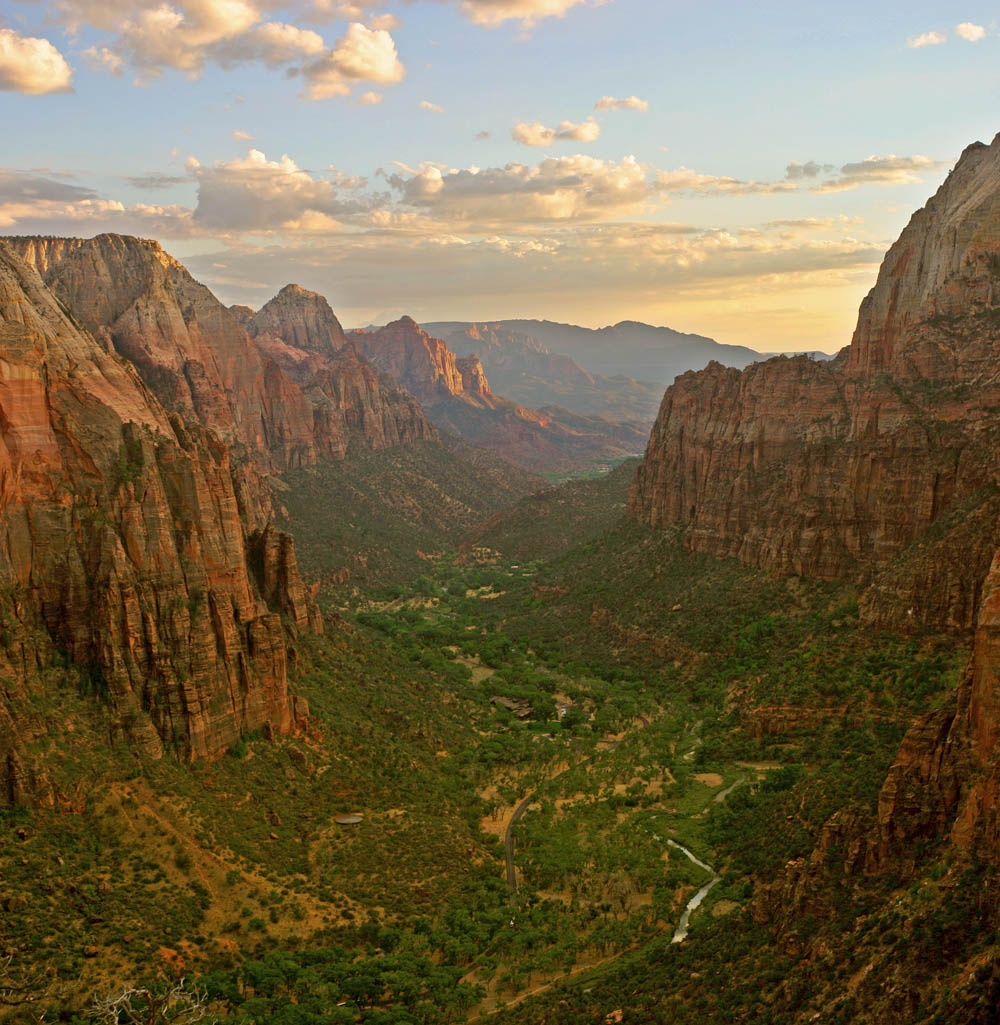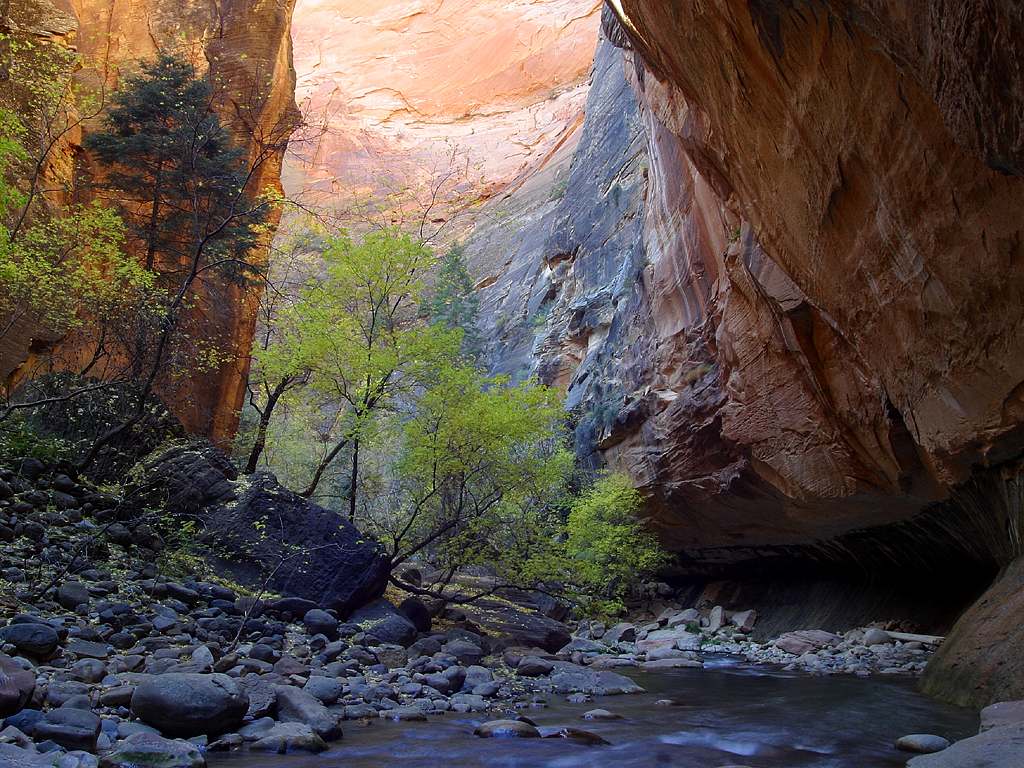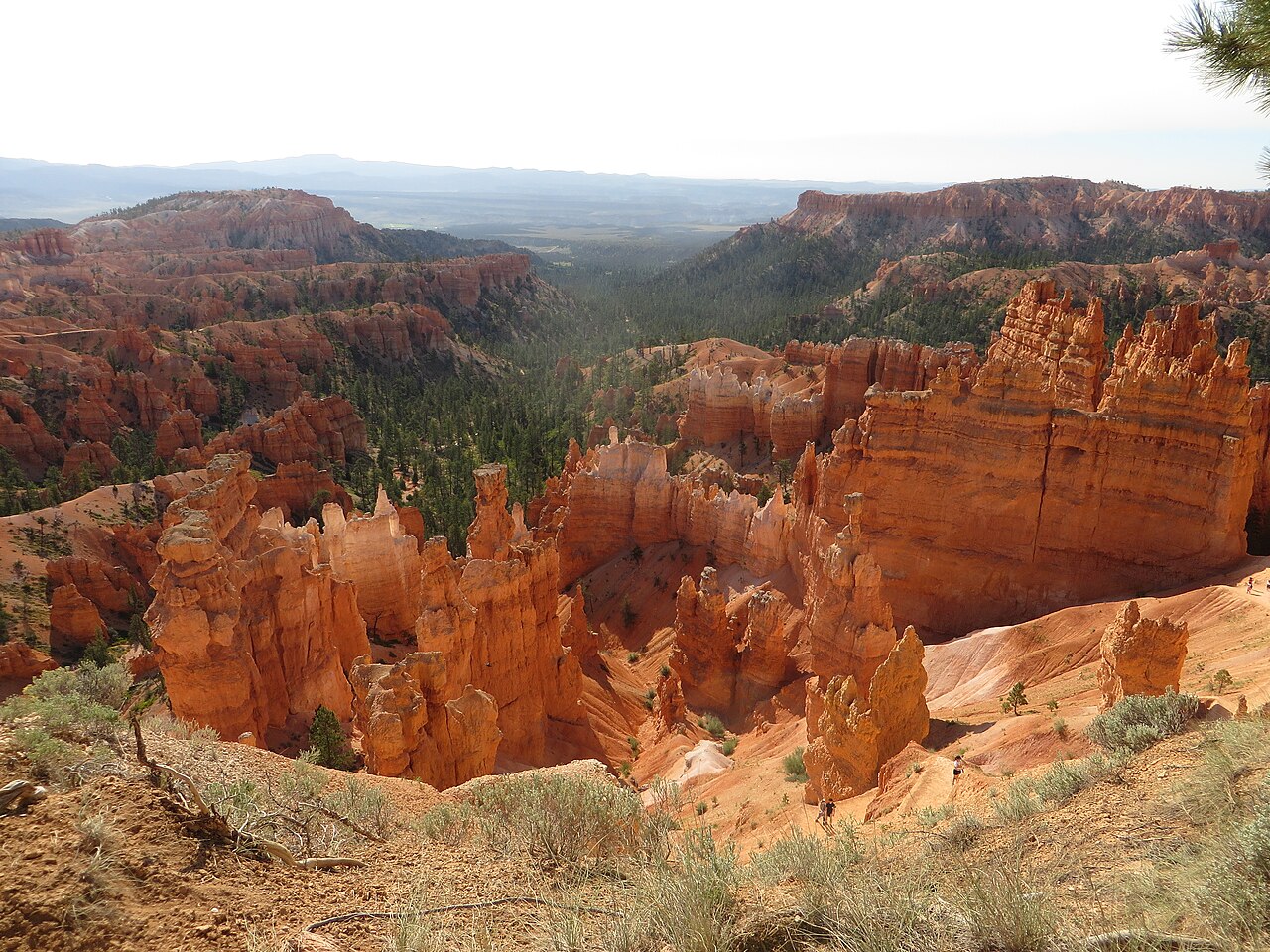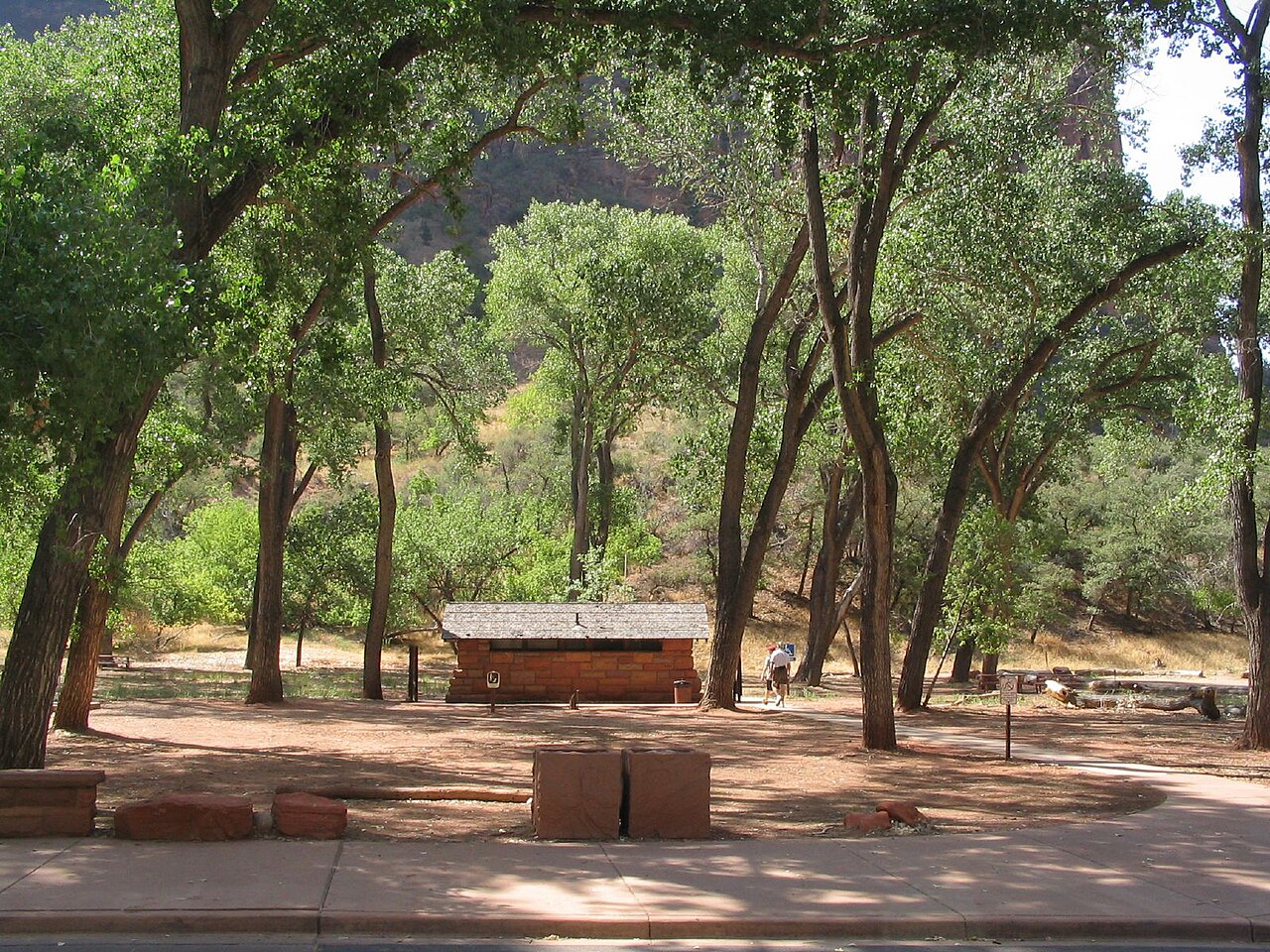
Zion and Bryce Canyon sit just 70-odd miles apart in southern Utah, yet they feel like different worlds. Zion is a deep, narrow canyon you look up from, carved by the Virgin River into cream and red Navajo Sandstone, with a desert floor of cottonwoods at around 4,000 feet. Bryce is a series of amphitheaters you look down into, eroded into orange limestone hoodoos along a forested rim that sits around 8,000 to 9,000 feet. Most visitors try to see both in one trip, and they are right to — but each park has rules and rhythms that catch first-timers out. Here is the orientation we wish everyone had.
Get the geography straight
Zion has three driving areas that do not connect inside the park. Zion Canyon, the famous part, is reached from the South Entrance at the town of Springdale. The Zion-Mount Carmel Highway climbs east from Canyon Junction through the 1930 tunnel to the East Entrance and on toward Bryce. Kolob Canyons is a separate section in the northwest off Interstate 15, about 40 road miles from Zion Canyon. Bryce Canyon is around a two-hour drive from Springdale via Mount Carmel Junction and US 89, then Scenic Byway 12 through Red Canyon. Its gateway towns are Bryce Canyon City, right at the park's northern entrance, and Tropic, below the rim to the east. Las Vegas is the usual arrival airport, about two and a half to three hours from Springdale; Salt Lake City is roughly four and a half hours from Zion; and St. George and Cedar City have smaller regional airports.
Understand the Zion shuttle
For most of the year, Zion Canyon Scenic Drive is closed to private cars and served by a free shuttle with nine stops, running every five to ten minutes. In fall 2026 it runs daily through November 28 from 7am, with the last bus leaving the Visitor Center at 5pm and the last bus down from the Temple of Sinawava at 6:15pm. There is no shuttle from November 29 to December 25, when you can drive the canyon yourself, though the road may close temporarily if parking fills. The shuttle returns from December 26 to January 2, starting at 8am, and then winter brings another drive-yourself period until the spring season begins. A separate free Springdale Line runs through town to the pedestrian entrance, and parking near the Visitor Center fills early in season, so the best move is to leave the car at your hotel. Never wait for the last bus: if you miss it, the walk out is nine miles.
Know the permit and closure rules
Angels Landing requires a permit for the chains section beyond Scout Lookout, allocated by lottery on Recreation.gov. The seasonal lottery for winter hikes closed on October 20, 2026; for the rest of the winter you can still enter the day-before lottery, which opens at 12:01am Mountain Time and closes at 3pm, with results at 4pm. There are no same-day permits. The Narrows needs no permit for the bottom-up day hike, but it closes when the Virgin River flows above 150 cubic feet per second and during any Flash Flood Warning. In 2026, parts of Zion have also been affected by rockfall: a major collapse closed the Zion-Mount Carmel Highway on September 30 until a full reopening on October 9, Hidden Canyon remains closed, and Observation Point can only be reached from the east. At Bryce, a February mudslide and an August flash flood closed the Navajo Loop for periods; it reopened in late August, but the Wall Street side was still closed afterwards and closes every freeze-thaw season anyway.
Budget for fees
Both parks charge a per-vehicle entrance fee valid for seven days, and an annual America the Beautiful pass, $80 for U.S. residents, covers both. New in 2026, non-U.S. residents aged 16 and over pay a $100 per-person surcharge on top of the entrance fee at Zion and Bryce, which are among the 11 parks affected; the nonresident annual pass costs $250 and covers the surcharge, so it is often the better deal for international families visiting several parks. Fee-free days now apply to U.S. residents only. Angels Landing permits add a small application fee plus a per-person fee if you win. State parks such as Snow Canyon and Kodachrome Basin, and the Calf Creek Recreation Area, charge their own modest day-use fees.
Respect the climate and the altitude
Zion's canyon floor is hot from late spring to early fall, with summer highs that make midday hiking miserable, and the monsoon season from July into September brings afternoon thunderstorms and flash floods. Bryce is cool even in summer, freezing at dawn much of the year and snowy in winter; at its altitude, climbs feel harder and sunburn comes fast. Pack layers for both, carry more water than you think you need, start hikes early, and check the weather and the parks' conditions pages before every outing. Mobile signal is patchy in Zion Canyon, so download maps and permits before you go.
Plan the classic experiences in the right order
For a first trip, aim for a full day in Zion Canyon with The Narrows in the morning and the Emerald Pools or Angels Landing (or Scout Lookout) in the afternoon; a half-day on the east side with the Canyon Overlook Trail; and at least one sunrise and one hike below the rim at Bryce. If you have more time, add Kolob Canyons, Kodachrome Basin and Scenic Byway 12 to Lower Calf Creek Falls, or Snow Canyon near St. George. If you have just one day from Las Vegas and no car, a guided day tour covers the highlights of both parks from the road and the rim.
Practical last notes
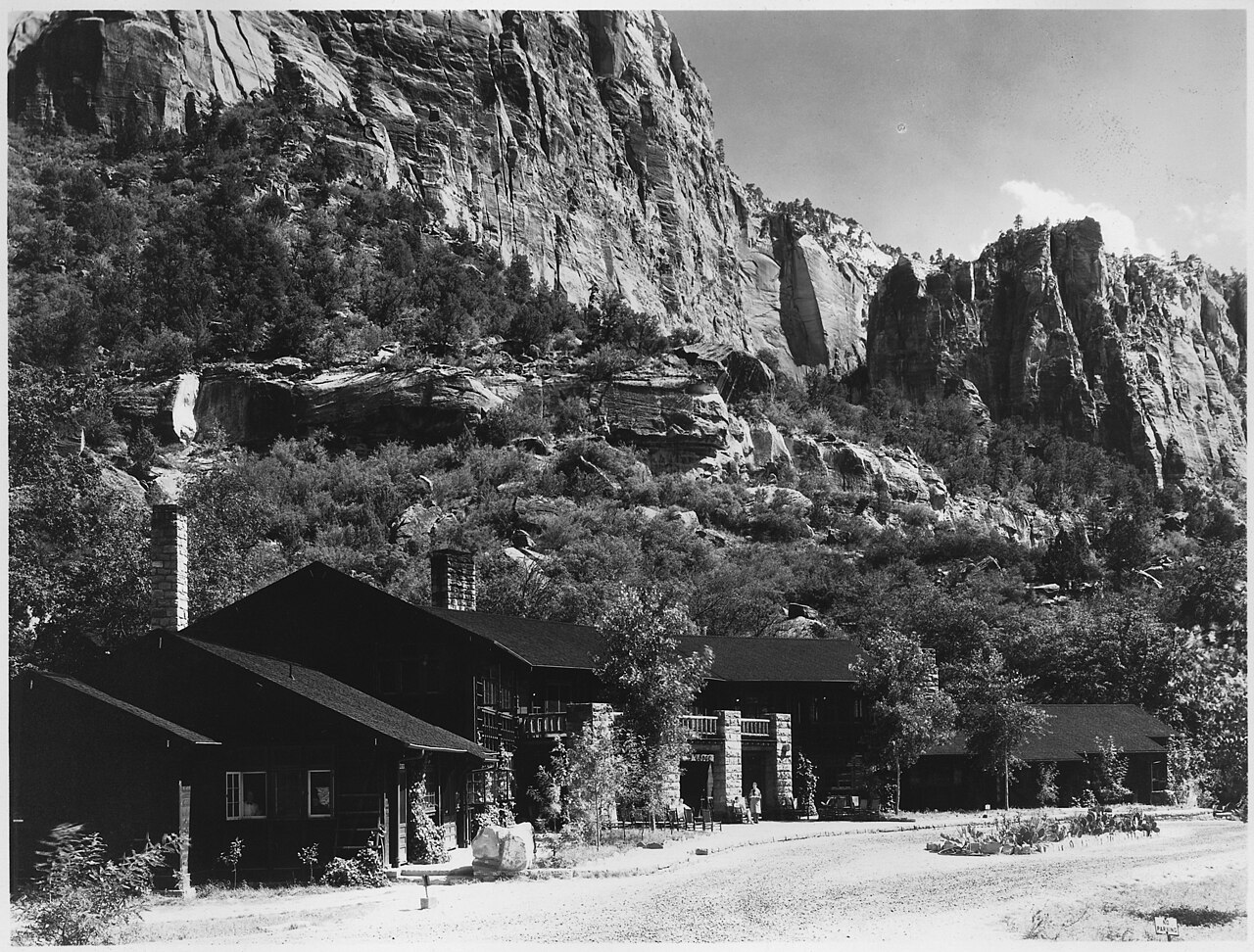
Utah observes daylight saving time while neighboring Arizona does not, so clocks may shift if your trip includes Page or the Grand Canyon. Antelope Canyon, often bundled into the same road trip, is in Arizona on Navajo land and requires its own guided tour. Book lodging in Springdale and Bryce early for spring and fall, and remember that The Lodge at Bryce Canyon closes for winter. Fill your tank in Springdale, Kanab or Bryce Canyon City, as stations are sparse between. Finally, leave space for the unplanned: an evening on the Pa'rus Trail, a sunset at Bryce Point or a night under the stars may be the moment you remember most.