Travel ideas
National parks
Canyons, geysers, glaciers and old-growth forest. These are the national parks worth planning a trip around, with the towns to stay in and the tours that get you deeper in.
Popular parks can need timed-entry or vehicle reservations at busy times of year, and some roads close in winter. Check the park service before you go.
United States
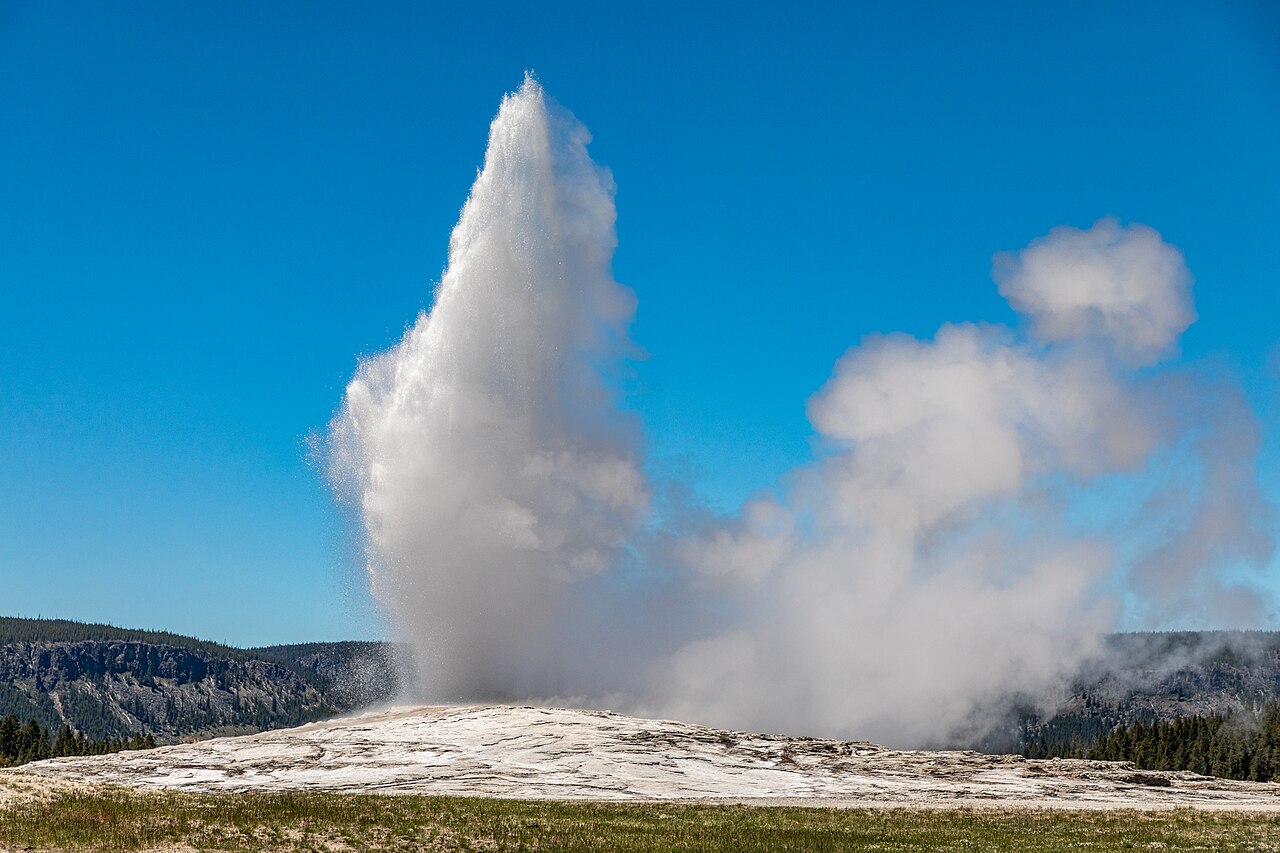
United StatesYellowstone
Old Faithful, Grand Prismatic Spring and bison in the Lamar Valley.
 United States
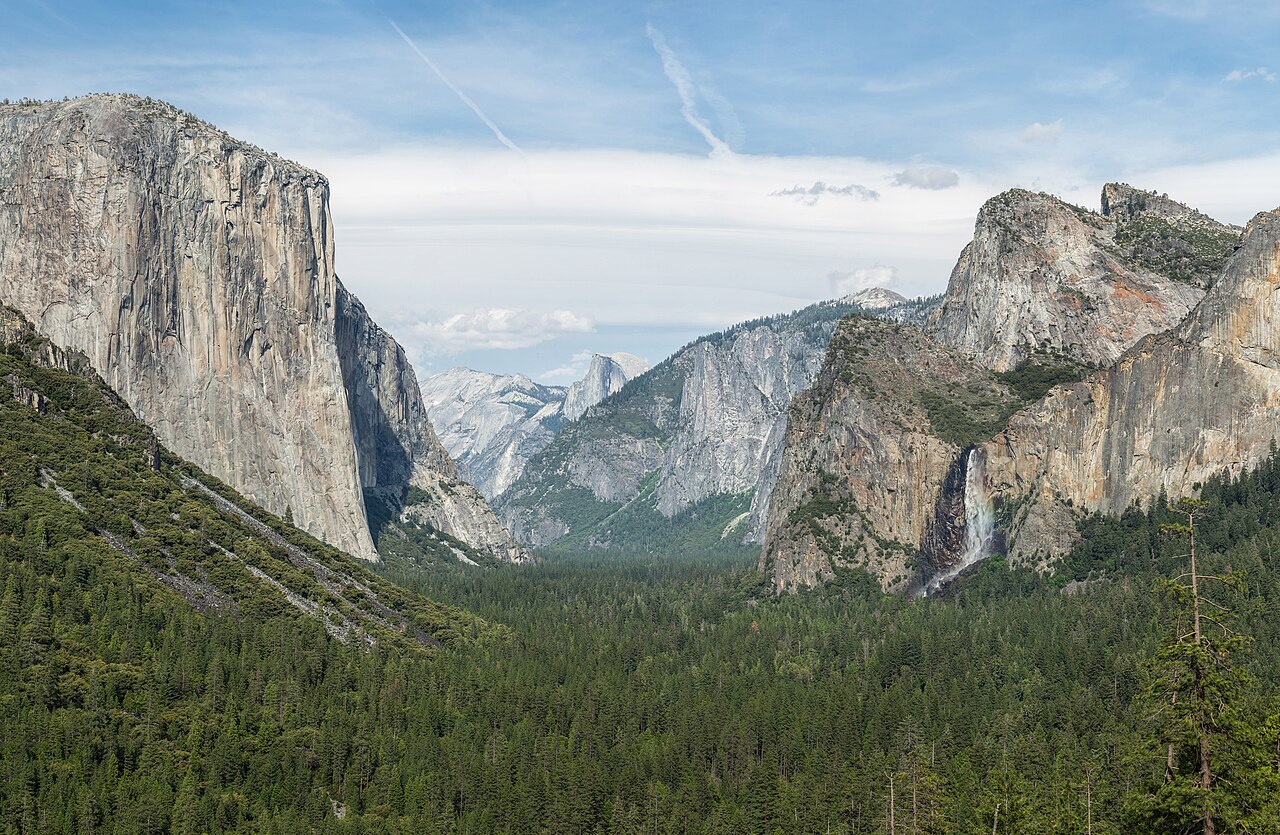
Yosemite
Half Dome, El Capitan and the great waterfalls of the valley.
 United States
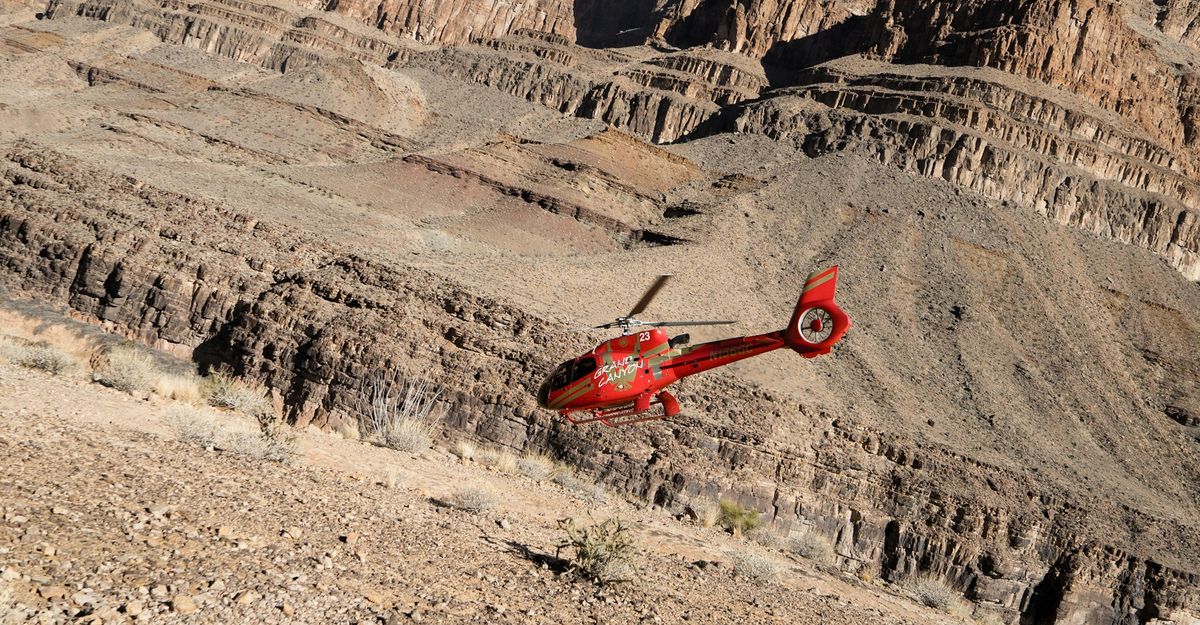
Grand Canyon
The South Rim viewpoints, mule rides and rim-to-river hikes.
 United States
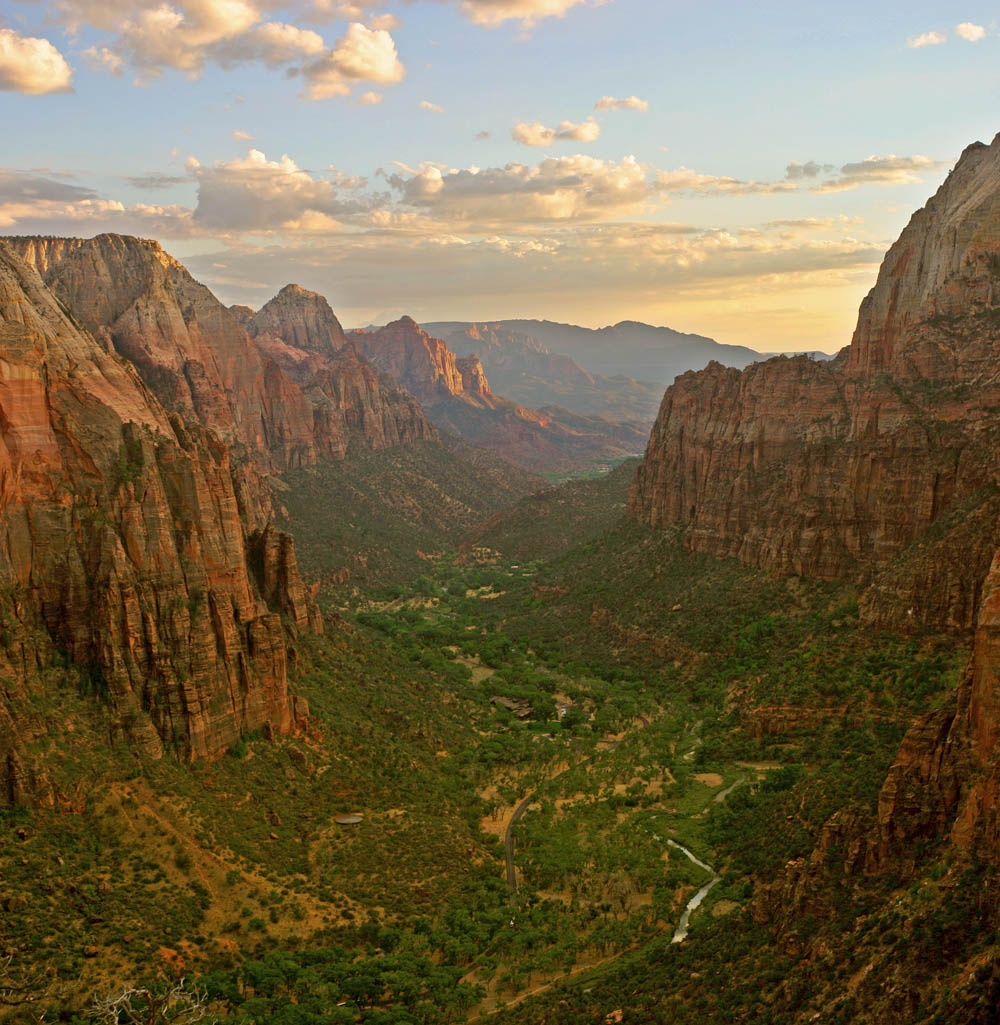
Zion & Bryce Canyon
Angels Landing, the Narrows and red canyon walls.
 United States
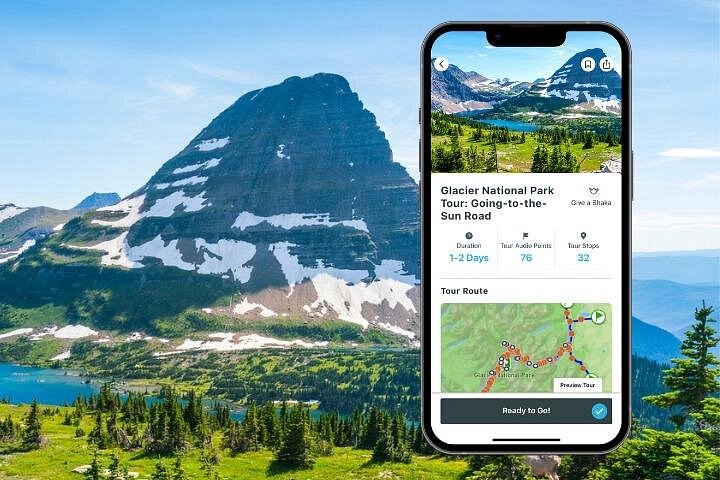
Glacier National Park & Whitefish
Going-to-the-Sun Road and alpine lakes in Montana.
 United States
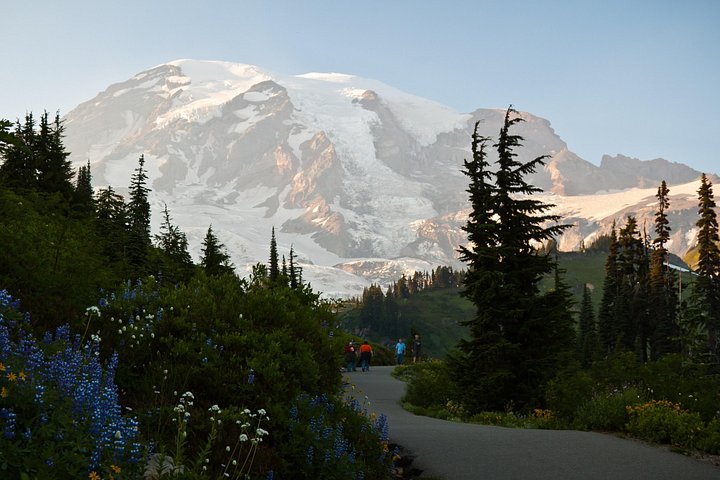
Mount Rainier
Wildflower meadows below a glaciated volcano.
 United States
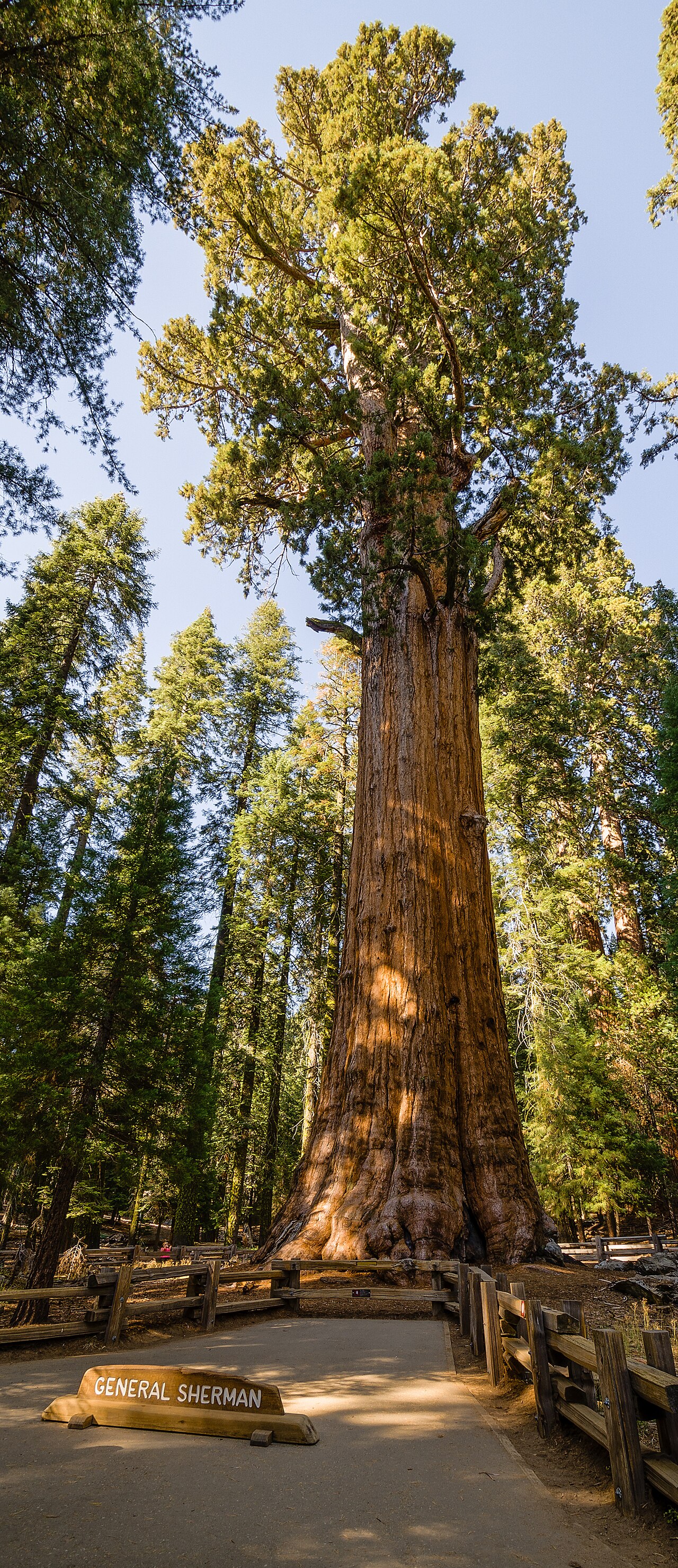
Sequoia & Kings Canyon
The largest trees on Earth.
 United States
Arches & Canyonlands (Moab)
Arches and Canyonlands, side by side.
 United States
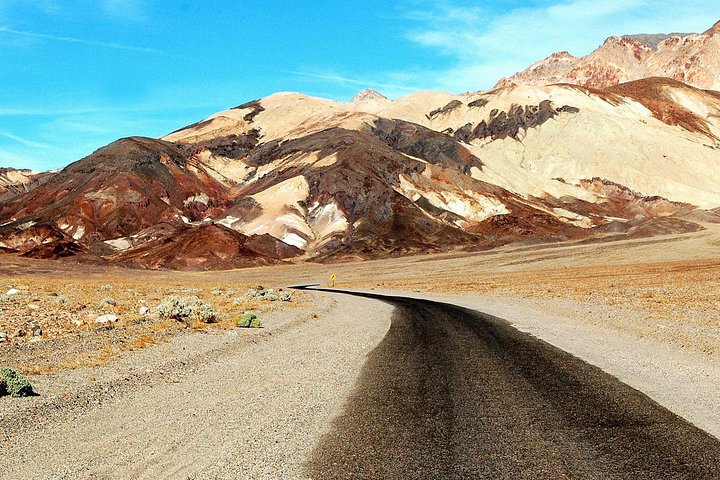
Death Valley
Salt flats, dunes and the lowest point in North America.
 United States
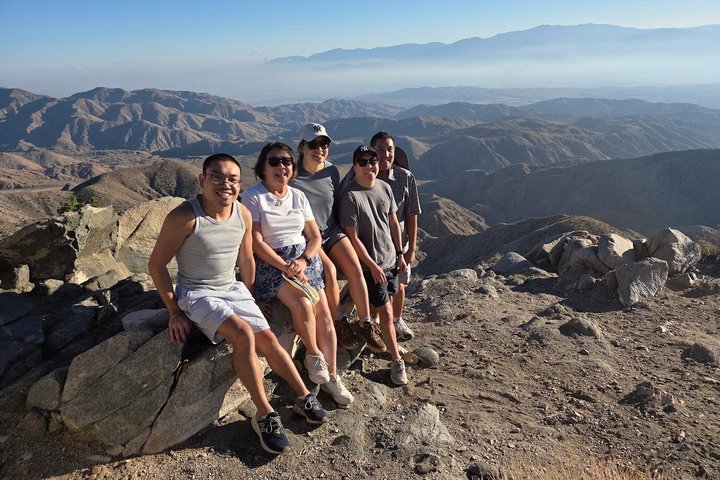
Joshua Tree
Boulder fields, desert trees and dark skies.
 United States
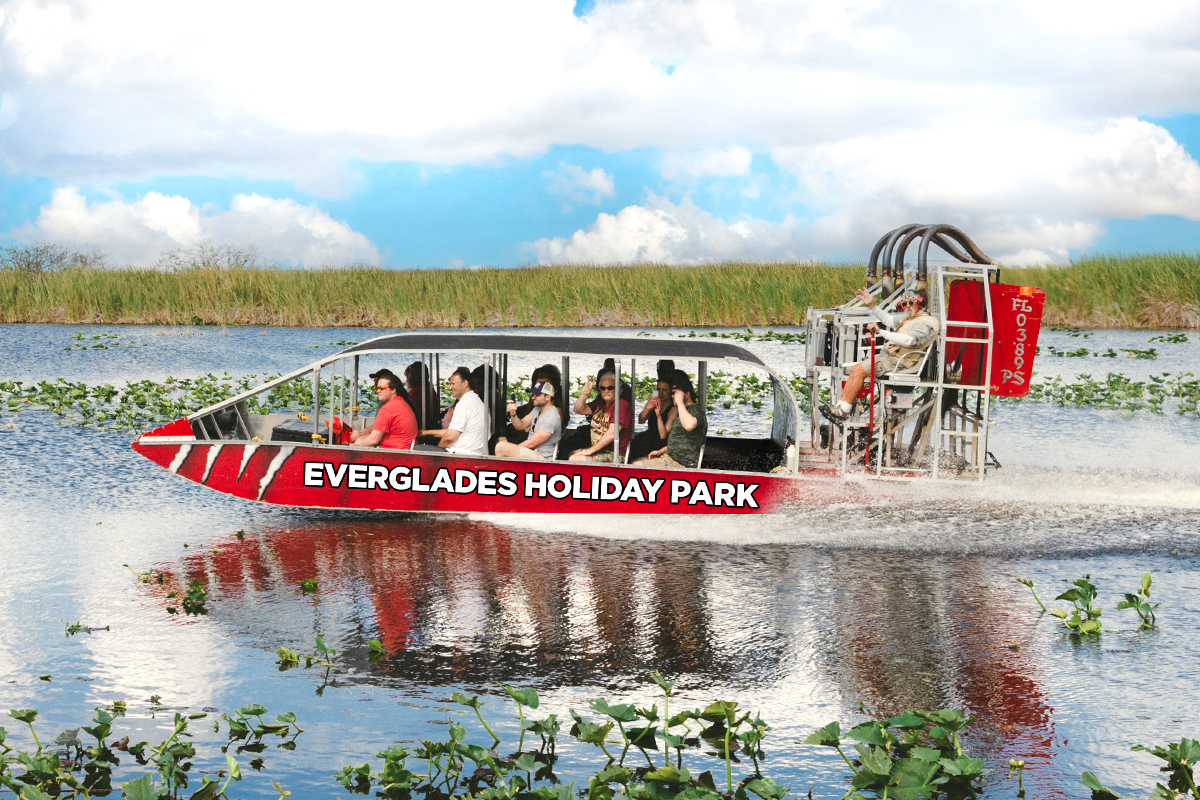
Everglades
Airboats, alligators and the river of grass.
 United States
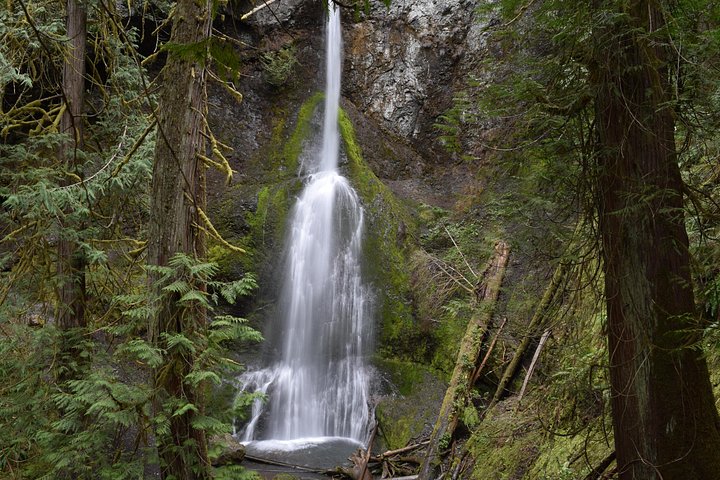
Olympic National Park & Peninsula
Rainforest, wild beaches and mountains in one park.
Canada & Latin America
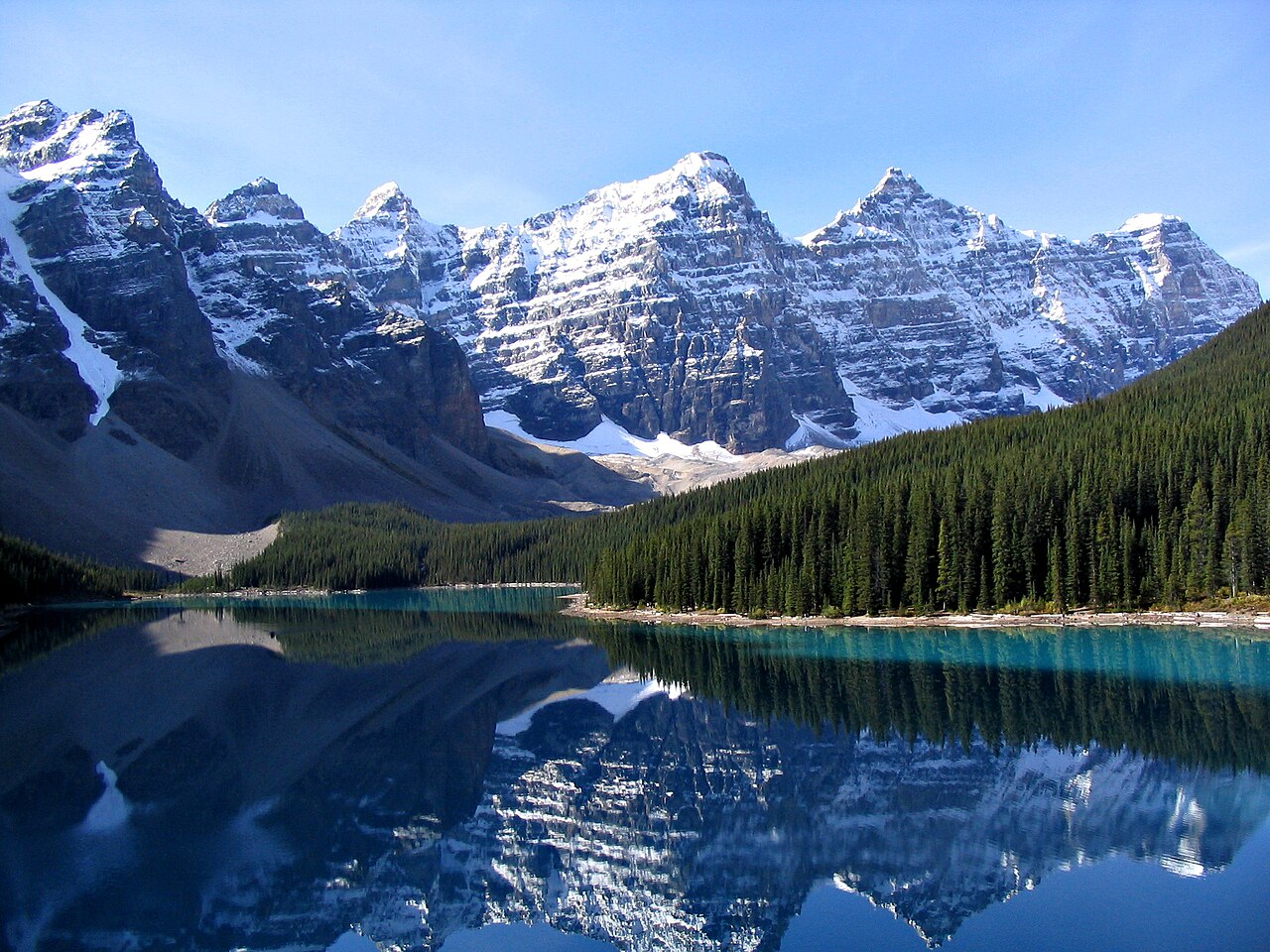 Canada
Banff & Lake Louise
Lake Louise, Moraine Lake and the Icefields Parkway.
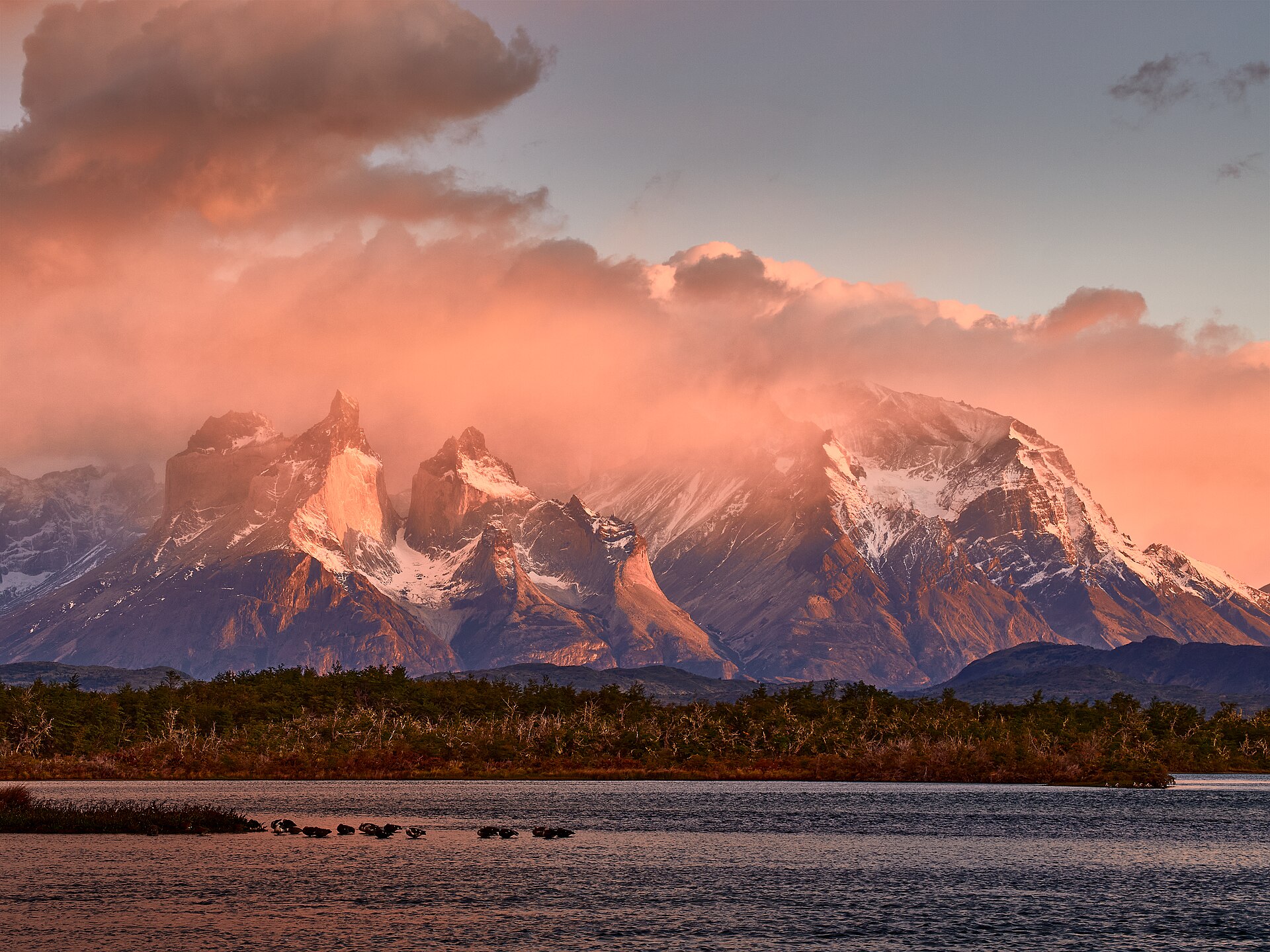 Argentina
Patagonia (El Calafate & Torres del Paine)
Torres del Paine and the glaciers of the far south.
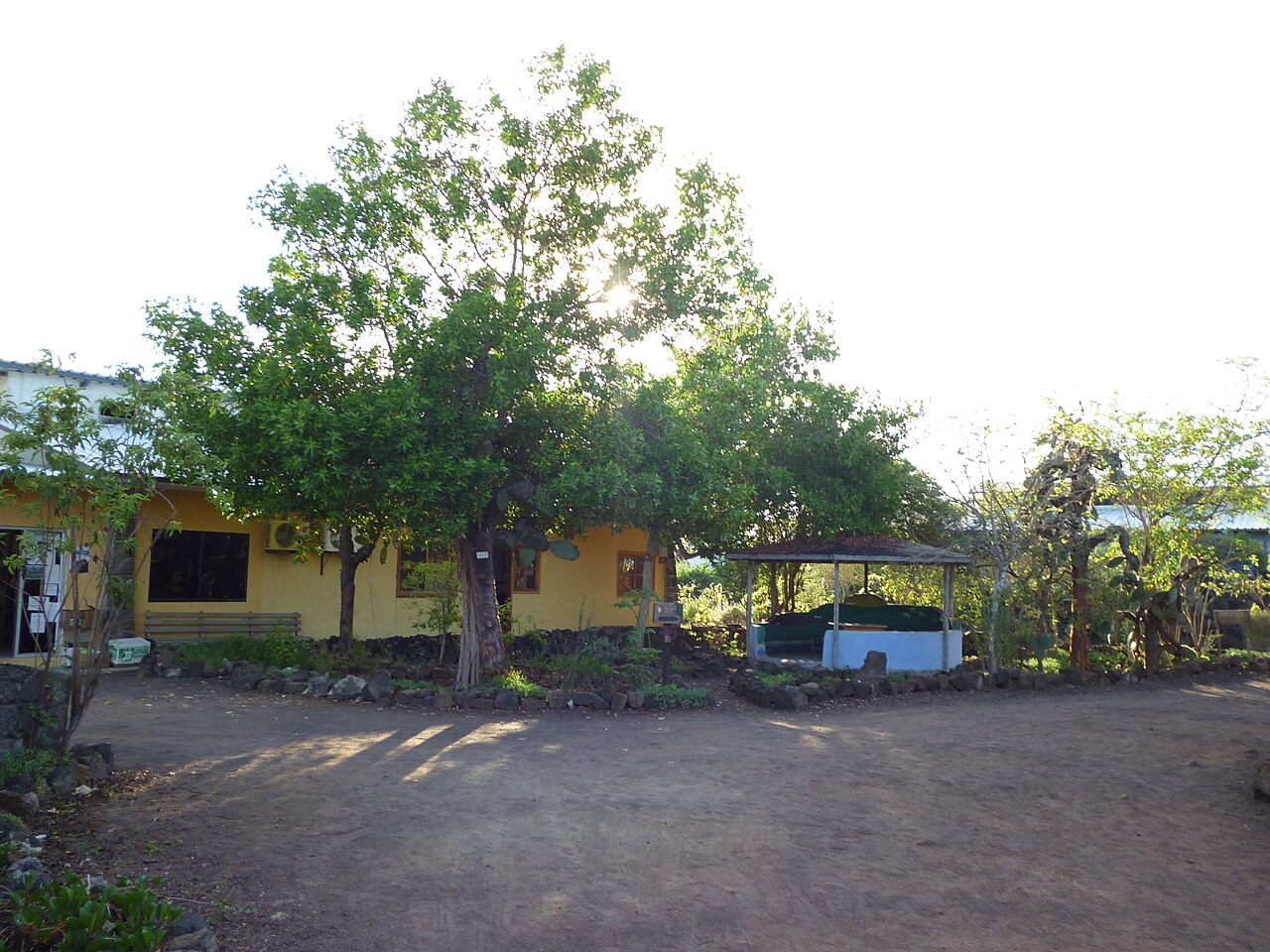 Ecuador
Galápagos Islands
Wildlife with no fear of people, on land and underwater.
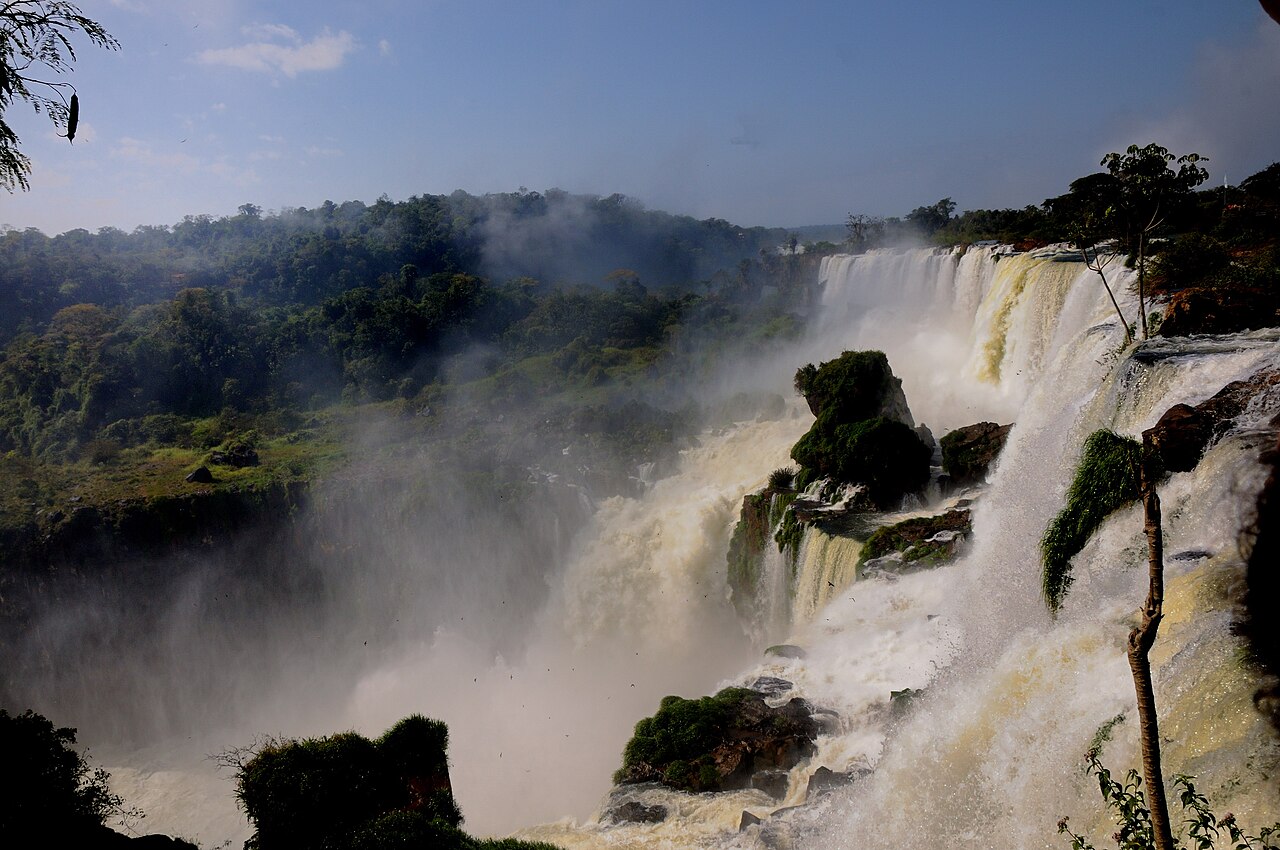 Argentina
Iguazu Falls
Hundreds of waterfalls in a subtropical forest park.
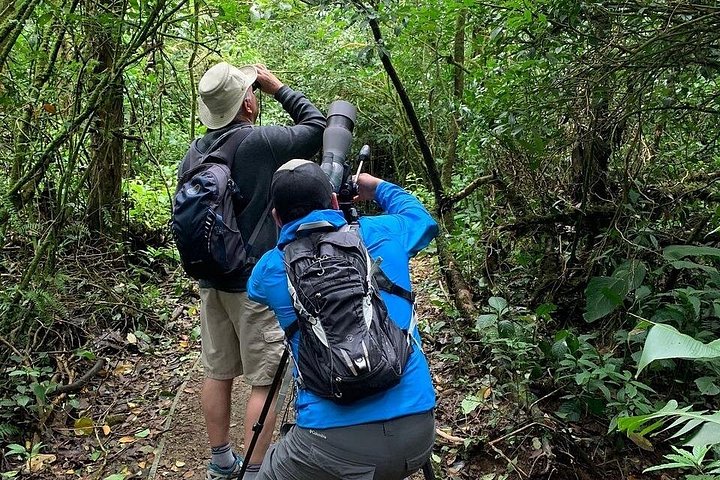 Costa Rica
Monteverde
Cloud forest, hanging bridges and quetzals.
Africa, Europe & Oceania
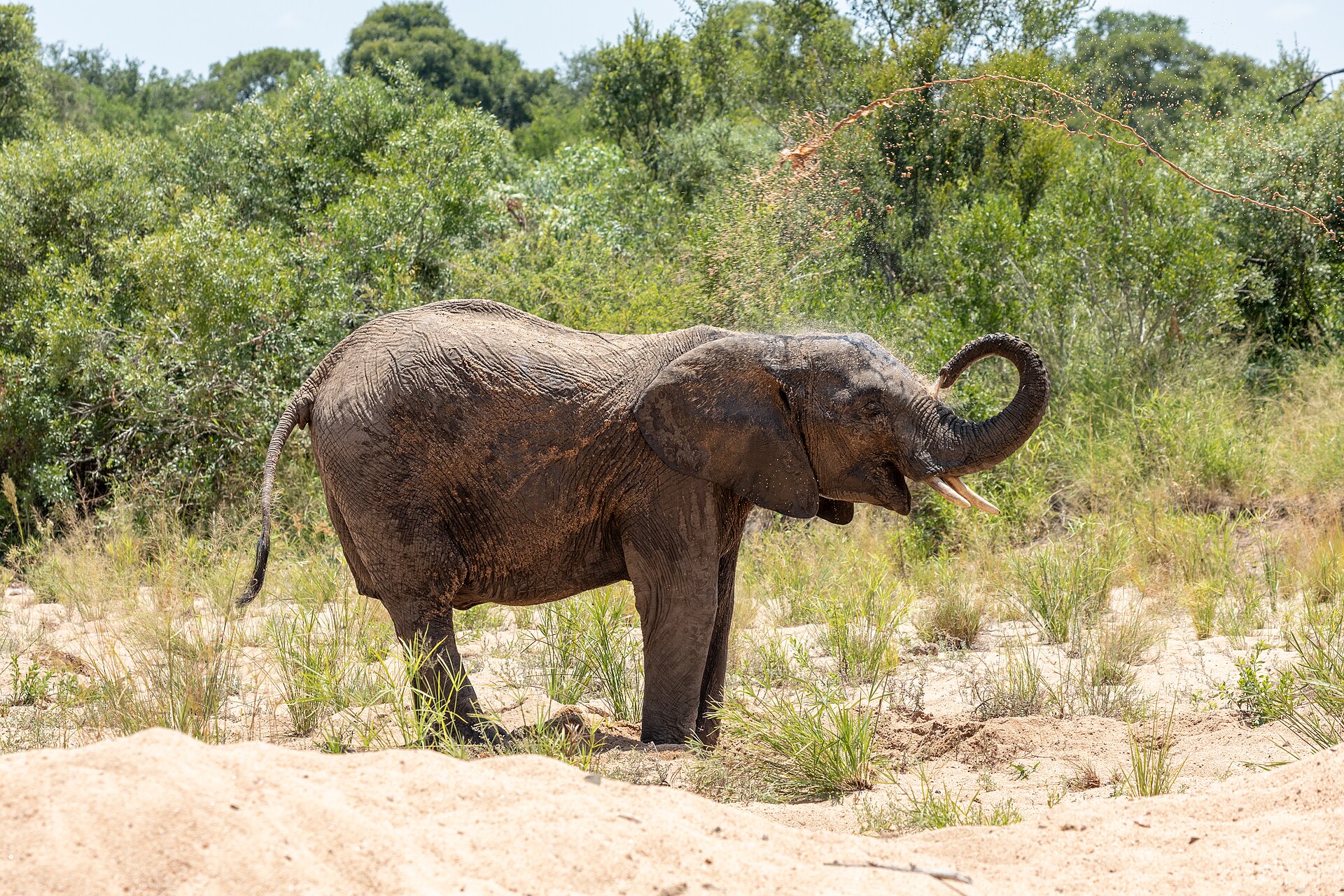 South Africa
Johannesburg & Kruger
Kruger, one of Africa’s great safari parks.
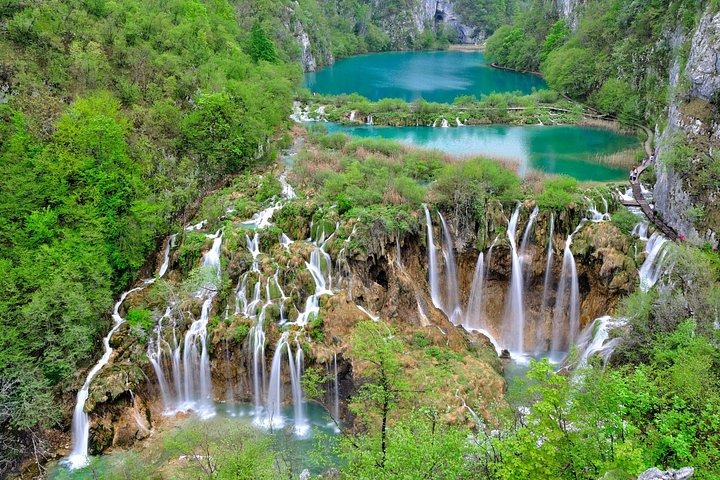 Croatia
Plitvice Lakes
Turquoise lakes stepped down by waterfalls.
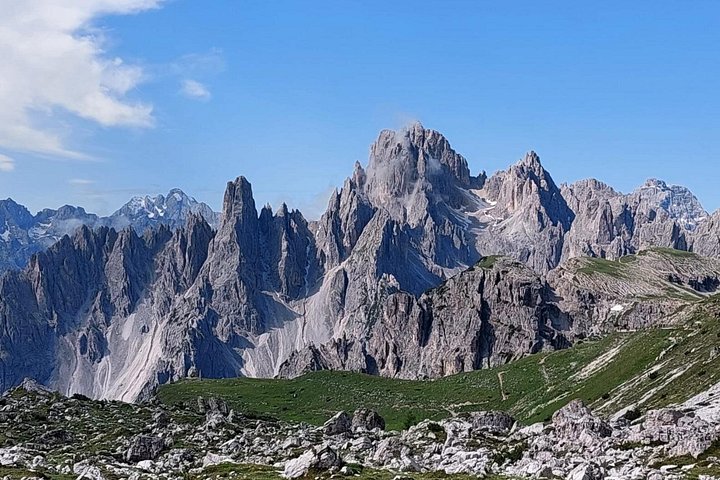 Italy
The Dolomites
Jagged peaks and high meadows in the Italian Alps.
 Australia
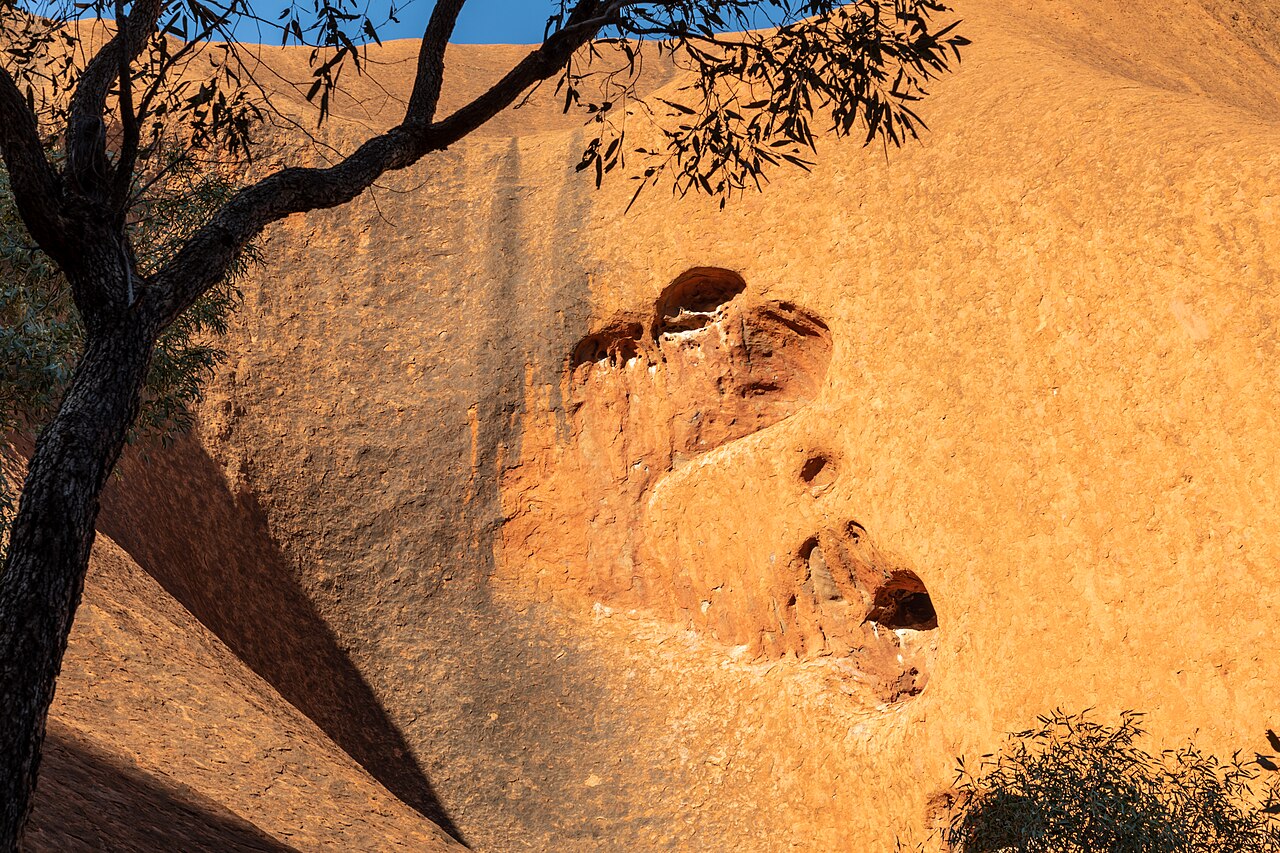
Uluru
The red heart of Australia, sacred to its Anangu owners.
 New Zealand
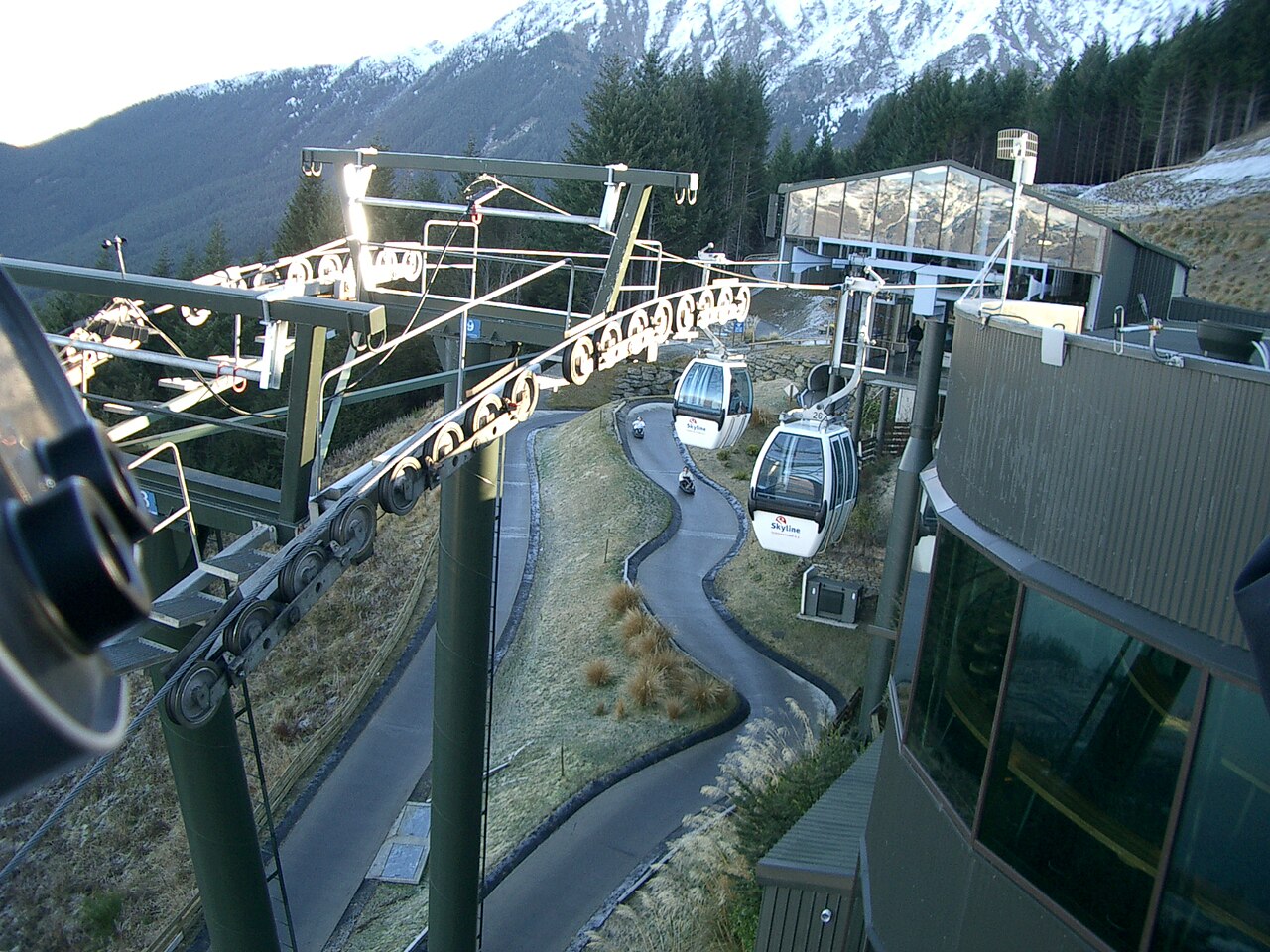
Queenstown
Fiordland and Milford Sound on New Zealand’s South Island.
Planning tips
Start by deciding whether you want big-name scenery or a quieter experience. Yellowstone, Yosemite, the Grand Canyon and Zion are the classics, and they are famous for good reason. They also draw the crowds, so visit early in the day, stay close to the park if you can and expect to book some things months ahead. Glacier, Mount Rainier and the Olympic Peninsula are slightly less visited but equally beautiful, and the Moab area gives you two parks in one trip.
Think about what you actually want to do. Hikers will love Zion, Banff, the Dolomites and Torres del Paine in Patagonia. Wildlife lovers should look at Yellowstone, the Galápagos and Kruger. Families often like the Everglades, Plitvice Lakes and Sequoia because they are easy to enjoy without a long trek. Desert fans can choose between Death Valley and Joshua Tree, while Uluru and Queenstown reward a longer journey.
Season is the biggest planning factor. Mountain parks such as Glacier, Banff and Yellowstone are at their best in summer, when high roads are open, though some of those roads close in winter. Desert parks such as Death Valley, Zion and Joshua Tree are far more comfortable in spring and autumn, and brutally hot in midsummer. Patagonia is a southern-hemisphere summer trip, roughly from November to March.
Allow at least two full days for each major park, and more if you want to hike. A rental car gives the most freedom in the United States and Canada, but shuttle systems in Zion, Yosemite Valley and parts of Banff can make driving unnecessary once you are there. The Galápagos is different: you generally need a cruise or an island-based itinerary, so research the options before you book flights. Common mistakes are underestimating distances, arriving without a reservation at peak times, and skipping water and layers on a day hike. Check conditions with the park service before you go, and keep a flexible day in your plan for weather.
Questions
What is the best national park for a first visit?+
Yellowstone, Yosemite and the Grand Canyon are the usual first choices because their scenery and facilities are easy to enjoy. If you want fewer crowds, Banff, Glacier and Zion offer similar drama with a bit more space. For wildlife, Kruger and the Galápagos are hard to beat. Choose according to the season you can travel in.
How many days do I need in a national park?+
Plan on at least two full days for any major park, and three or four for the largest, such as Yellowstone or Banff and the Icefields Parkway. A single day lets you see the highlights but leaves little time for walking. If several parks are close together, as around Moab, a week gives you room to combine them.
Do I need to reserve in advance for national parks?+
Often yes, especially in peak season. Some popular parks use timed entry or vehicle permits, and some hikes, campsites and lodges need booking well ahead. Rules change, so check the park service website before you go. Staying inside or near the park, and starting early each day, makes everything simpler.
Which national parks are best in winter?+
Desert parks such as Death Valley and Joshua Tree are at their most pleasant in winter, and the Everglades is at its best in the dry season. Yosemite and Yellowstone can be magical under snow but some roads close, and you need warm gear. Mountain parks in Canada are good for skiing, as are the Dolomites.