Travel ideas
Safari
Lions at dawn, elephants at the waterhole and the great migration on the move. These are the best places for a first safari or a return trip, from classic game drives to gorilla treks.
The dry months are usually best for game viewing, as animals gather near water. Lodges in the top parks book up early, so plan well ahead.
East Africa
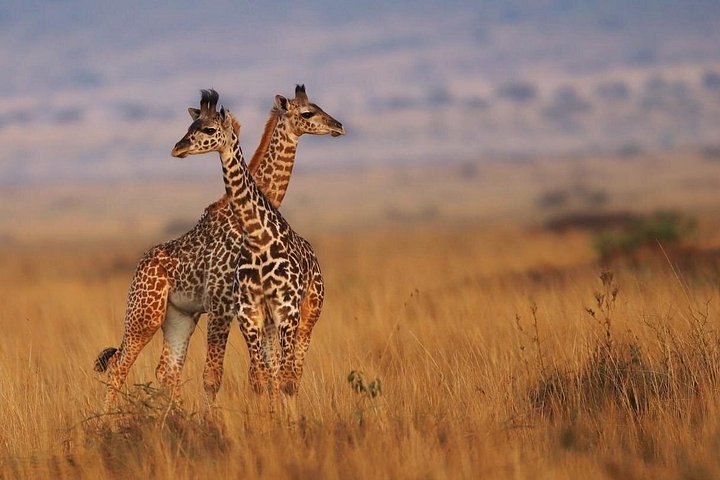
Safari tourMaasai Mara
Big cats on the open plains, and the great migration river crossings.
 Safari tour
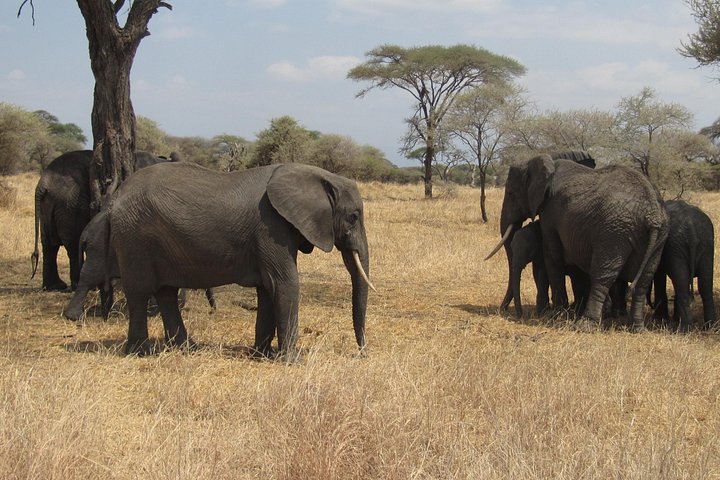
Arusha & the Northern Safari Circuit
The gateway to the Serengeti and Ngorongoro Crater.
 Safari tour
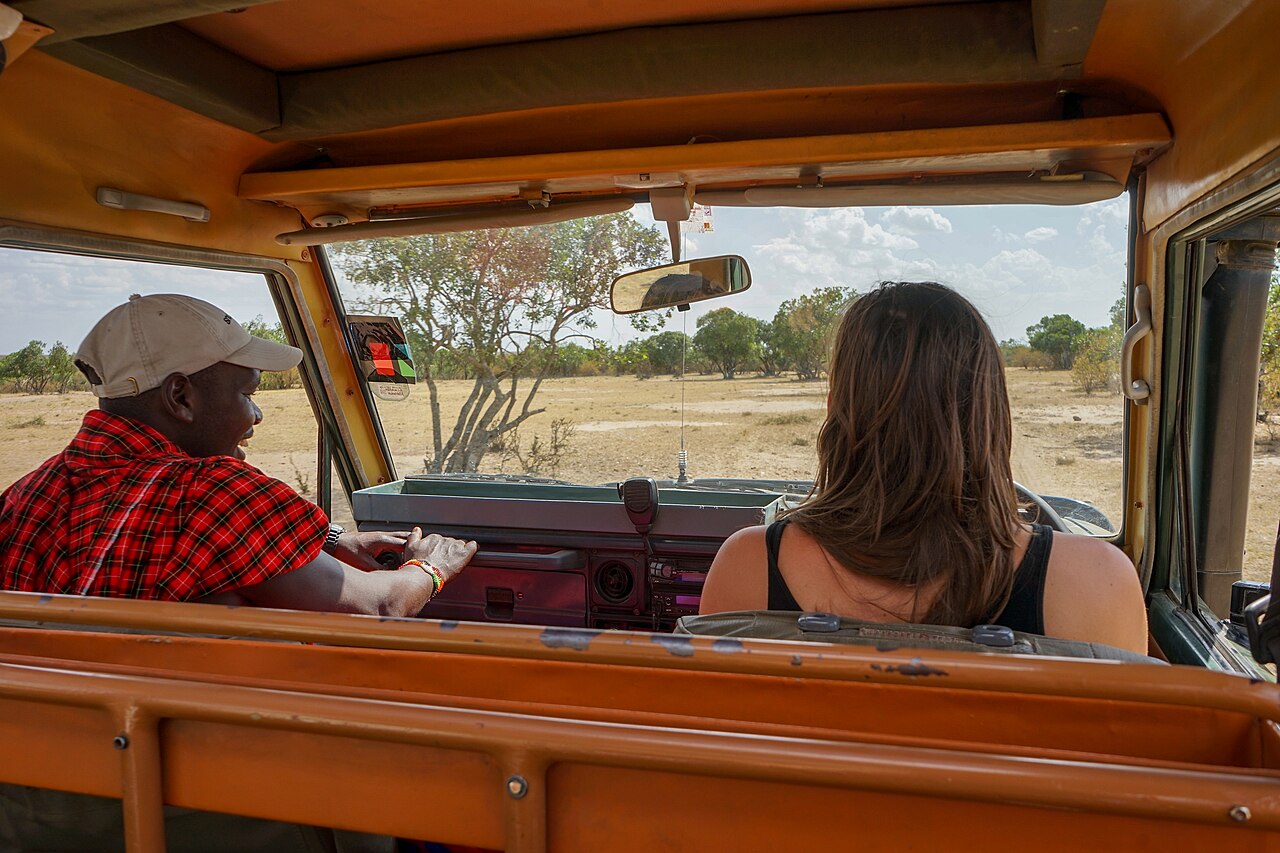
Nairobi
A national park on the edge of the city, and flights out to the Mara.
 Safari tour
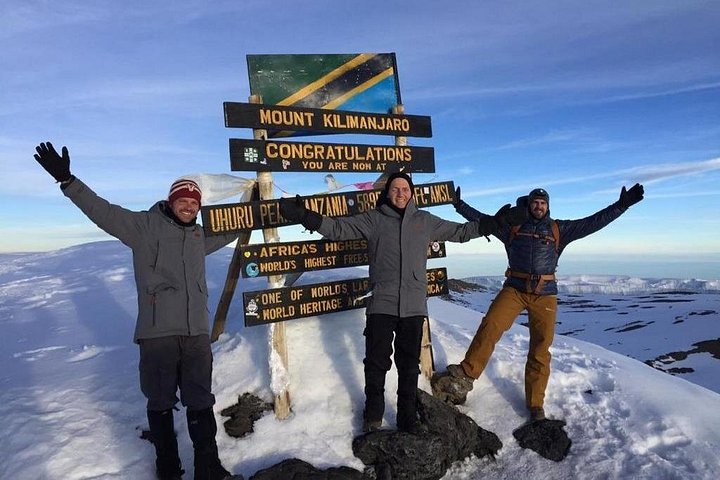
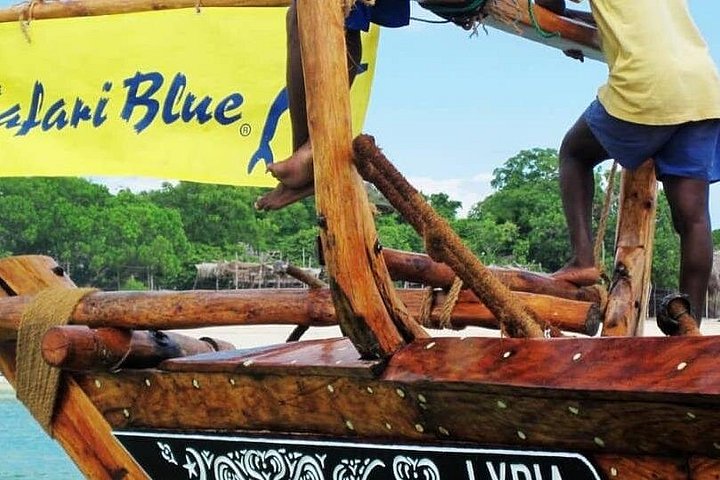
Mount Kilimanjaro & Moshi
Africa’s highest mountain, an easy add-on to a northern Tanzania safari.
 Safari tour
Zanzibar
The classic beach finish after the bush.
Southern Africa
 Safari tour
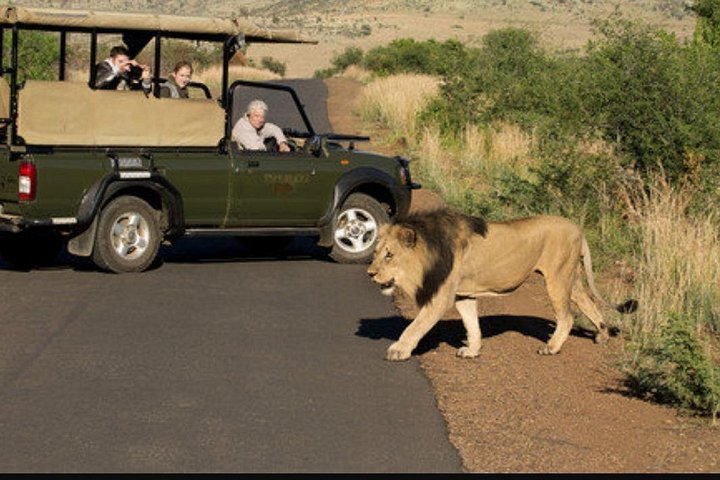
Johannesburg & Kruger
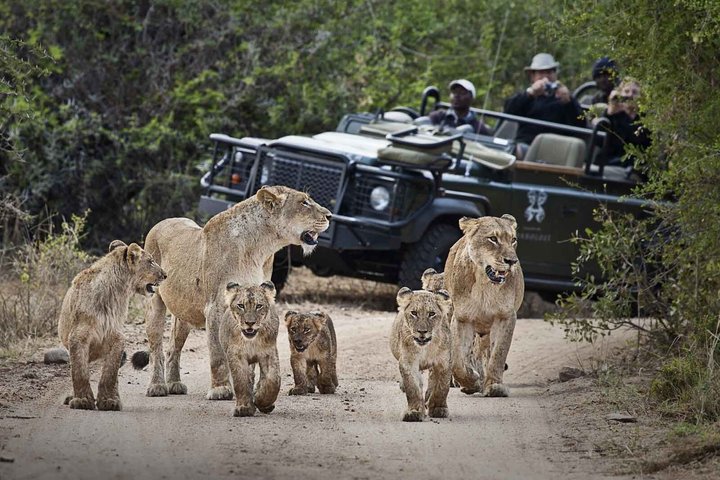
Kruger and its private reserves, a good first safari.
 Safari tour
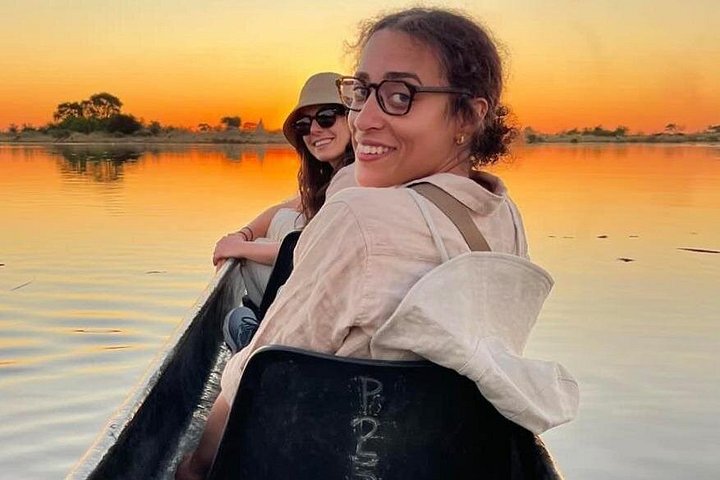
Okavango Delta & Chobe
The Okavango Delta by mokoro, and huge elephant herds in Chobe.
 Safari tour
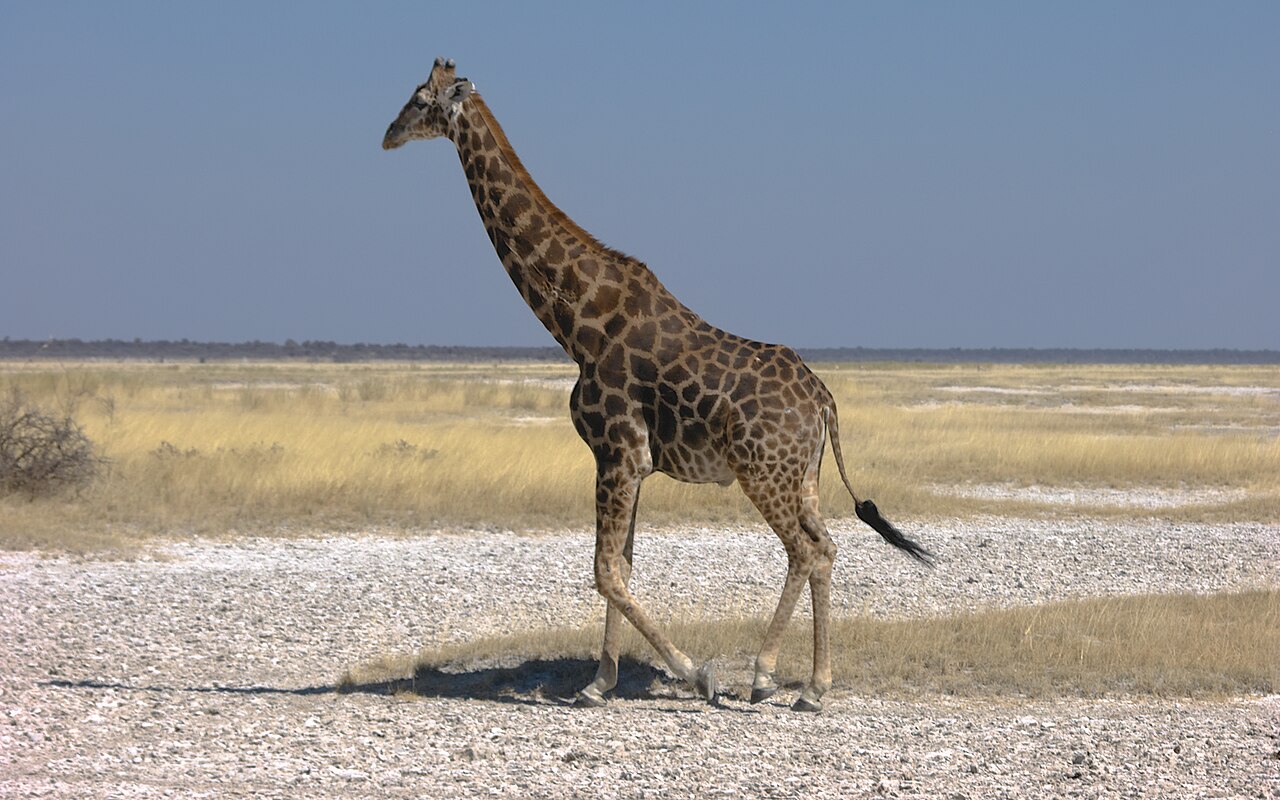
Namibia (Windhoek & Swakopmund)
Desert-adapted wildlife, Etosha’s waterholes and the Sossusvlei dunes.
 Safari tour
Victoria Falls
The falls plus river cruises and game drives on the Zambezi.
 Safari tour
Cape Town
Malaria-free reserves within a few hours’ drive.
Gorillas & chimpanzees
Planning tips
The first choice is where to go. For a first safari, Kruger in South Africa is easy and flexible, with self-drive options, private reserves and good road access. The Maasai Mara in Kenya and the Serengeti and Ngorongoro Crater in northern Tanzania offer the classic East African experience of open plains and big cats. Botswana is quieter and more expensive, with water-based safaris in the Okavango Delta and huge elephant herds in Chobe. Namibia suits adventurous travellers who like a road trip.
Timing depends on what you want to see. In general the dry months are best for game viewing because animals gather around water and the vegetation is thinner. The great migration river crossings in the Mara usually happen between roughly July and October, but the herds move, so ask a lodge or operator where they are likely to be. Botswana's delta is at its fullest in the dry season, a pleasing quirk of its geography.
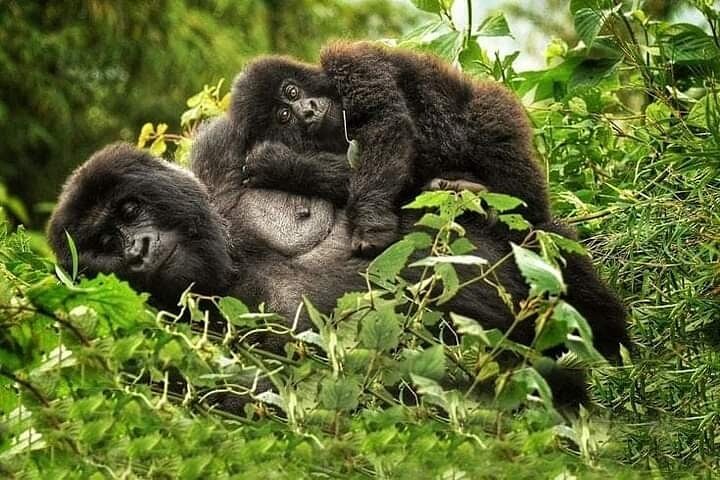
For gorillas, Rwanda and Uganda are the places to go. Permits are limited and must be booked well in advance, so make that your first booking and plan the rest of the trip around it. Trekking can be steep and muddy, so be realistic about fitness. Chimpanzee tracking in Uganda's Kibale is a good addition.
Most safaris work best with three to five nights in each location, which gives you enough drives to learn the rhythm without hopping around. Pair a safari with Zanzibar, Cape Town or Victoria Falls for a rest at the end. Nairobi and Arusha are the usual gateways for East Africa, and Johannesburg for Kruger. Common mistakes include squeezing too many parks into a week, choosing a vehicle that is too crowded, and underestimating the early starts. Book lodges early, ask about vehicle sharing and group size, and pack neutral colours, a warm layer for dawn and good binoculars.
Questions
When is the best time to go on safari?+
The dry season is usually best, because wildlife gathers near water and is easier to spot. In East Africa that is generally June to October, with the great migration river crossings often in the later part of that window. In southern Africa, the dry months run roughly from May to September. Green seasons can offer quieter lodges and baby animals.
How many days do I need for a safari?+
Plan for at least four or five nights, ideally split between two locations. That gives you around eight to ten game drives, enough to see a good range of wildlife without feeling rushed. If you also want gorilla trekking, a beach finish or Victoria Falls, a week and a half to two weeks is more comfortable.
Which is better for a first safari, Kenya, Tanzania or South Africa?+
All three work well. Kruger in South Africa is the easiest, with good roads, a wide range of lodges and the option of a self-drive trip. Kenya's Maasai Mara is compact and wildlife-rich. Tanzania's Serengeti is larger and wilder. If you want simplicity and flexibility, start with South Africa.
Can children go on safari or gorilla treks?+
Many lodges welcome children on safari, though some have minimum ages for game drives, so ask when you book. Gorilla trekking in Rwanda and Uganda has a minimum age, generally 15, and strictly enforced. Malaria-free reserves, such as those near Cape Town, are a popular choice for families with young children.