City breaks
African city breaks
Markets, music, coastal medinas and booming capitals. The most rewarding cities in Africa for a few days, often as the start of a bigger trip.
Check visa and vaccine requirements before travelling, and ask your hotel which areas are best to explore on foot.
North Africa

West & East Africa
Southern Africa
Planning tips
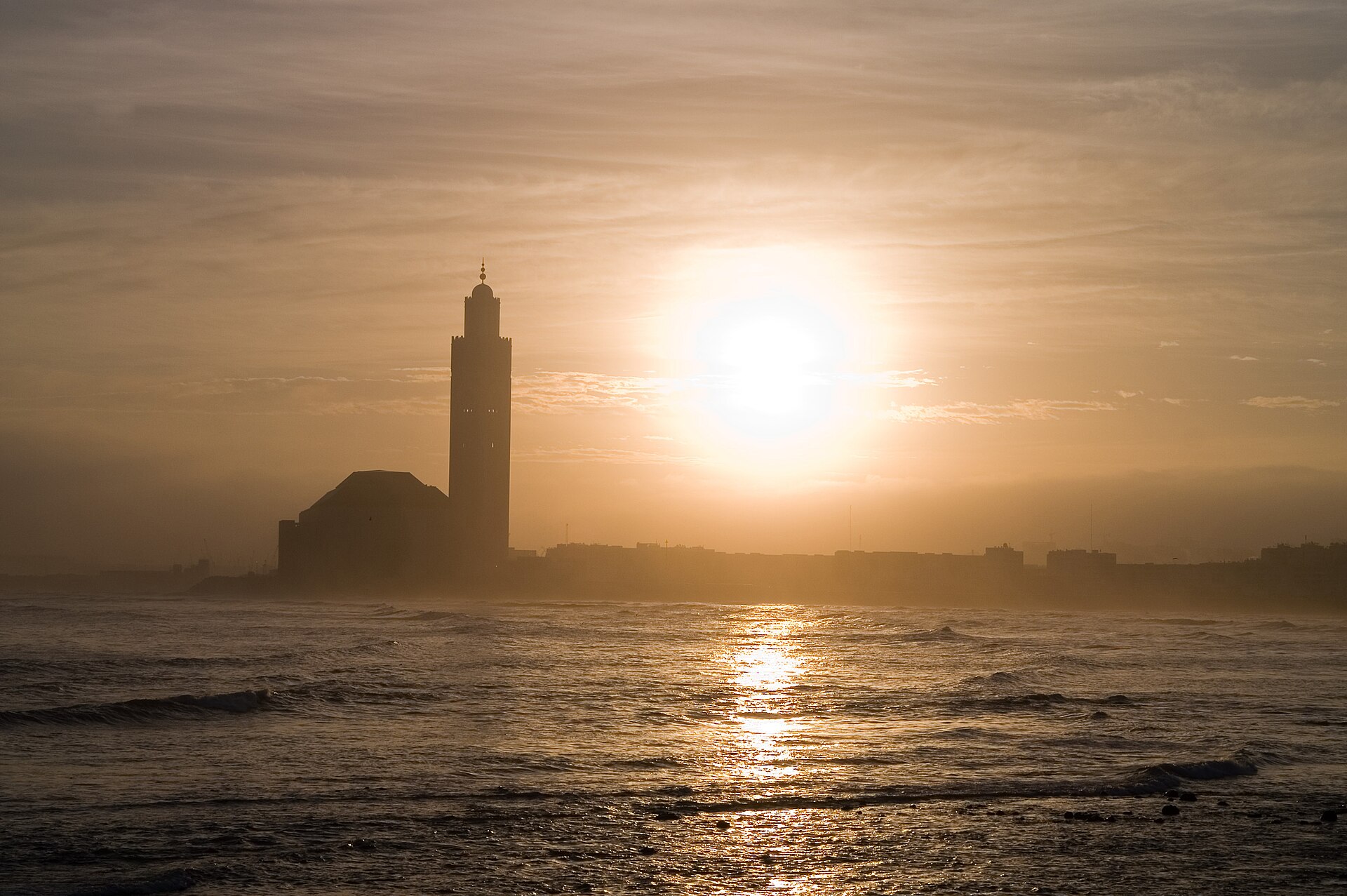
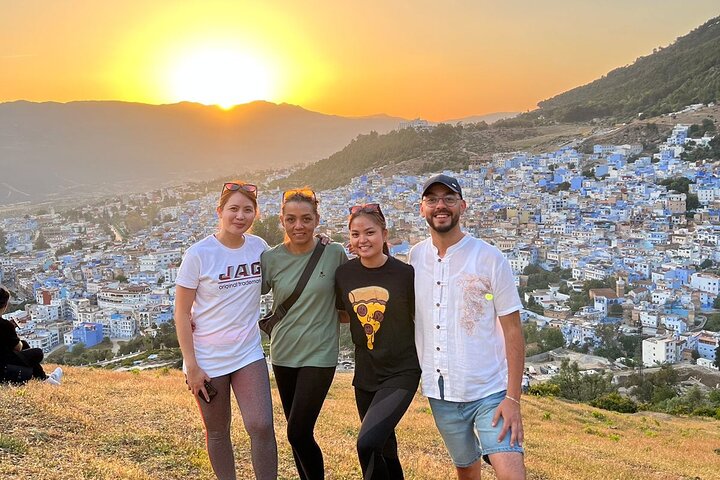
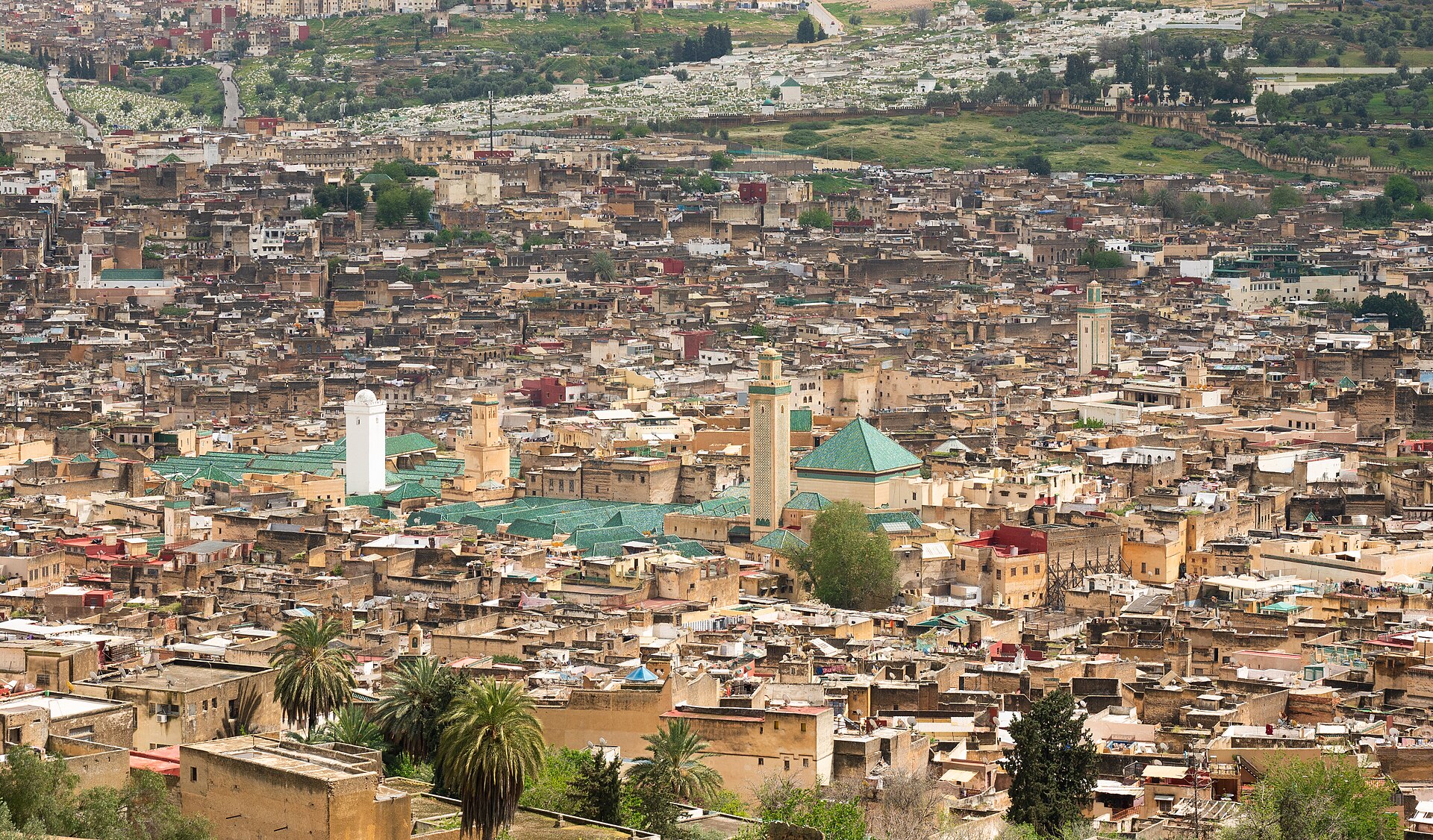
Africa's cities differ enormously, so start by deciding whether you want medinas, coast or a capital with a modern pulse. In Morocco, Fes is the choice for travellers who want the great medieval medina and are happy to be guided through its alleys, Chefchaouen suits people after a slow, photogenic mountain town, and Tangier and Casablanca are better for sea air, cafes and architecture. Casablanca is also the easiest entry point if you are flying in and want the Hassan II Mosque and art deco streets without much logistics. Tunis pairs a medina with the ruins of Carthage and works well in two or three days.
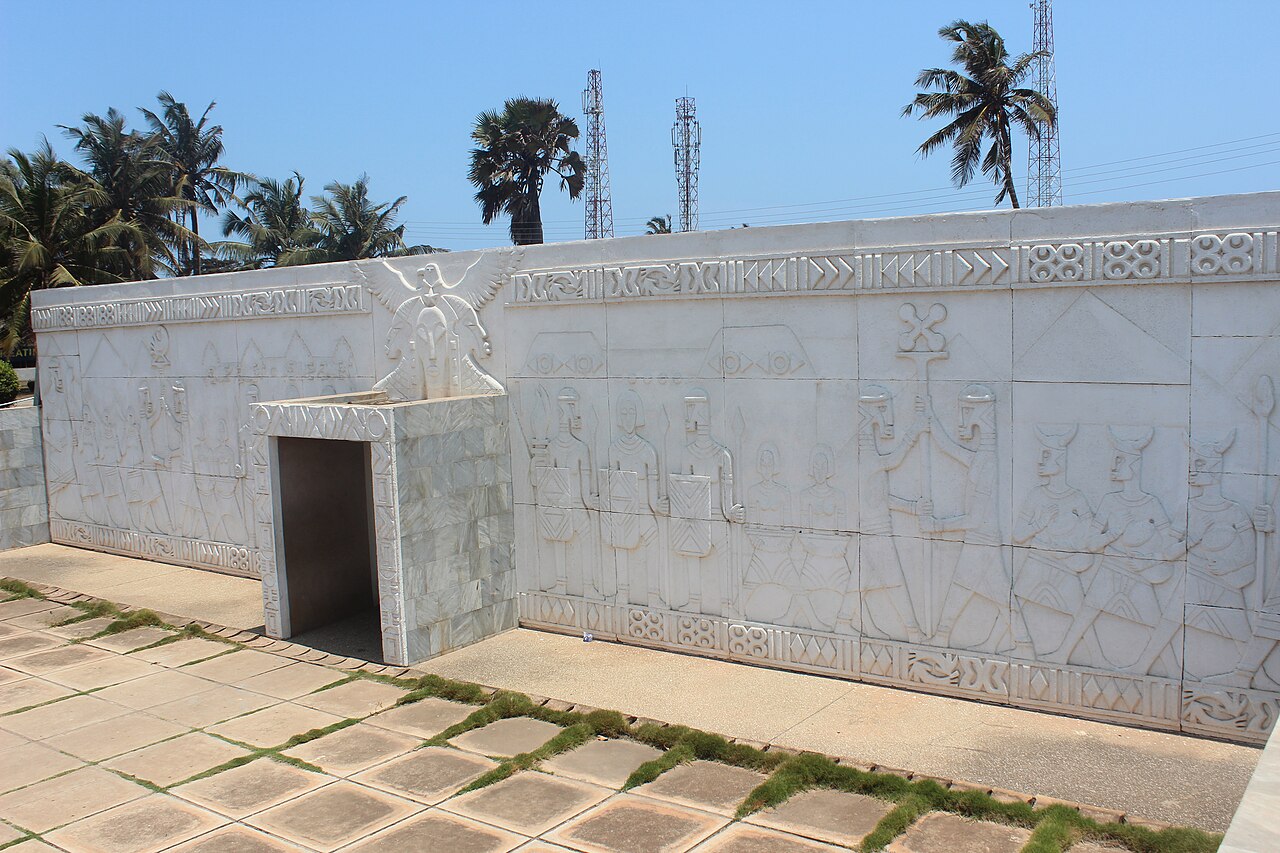
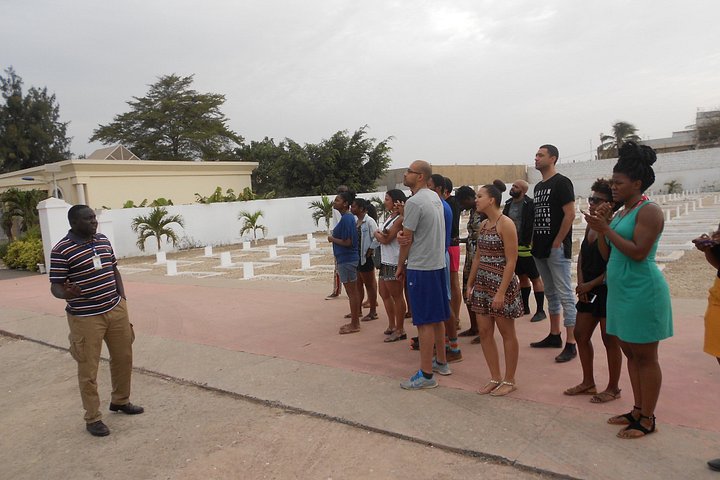
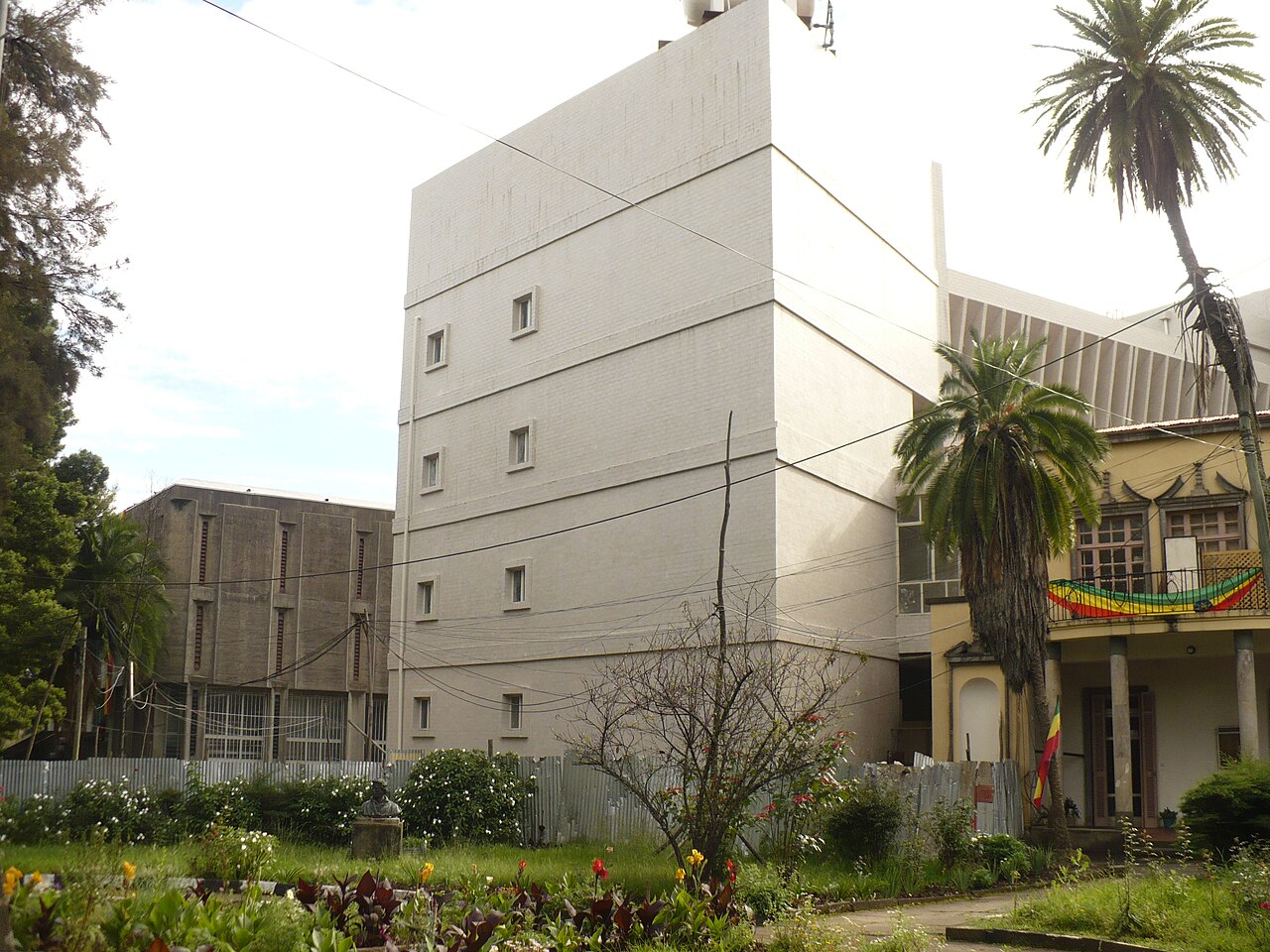
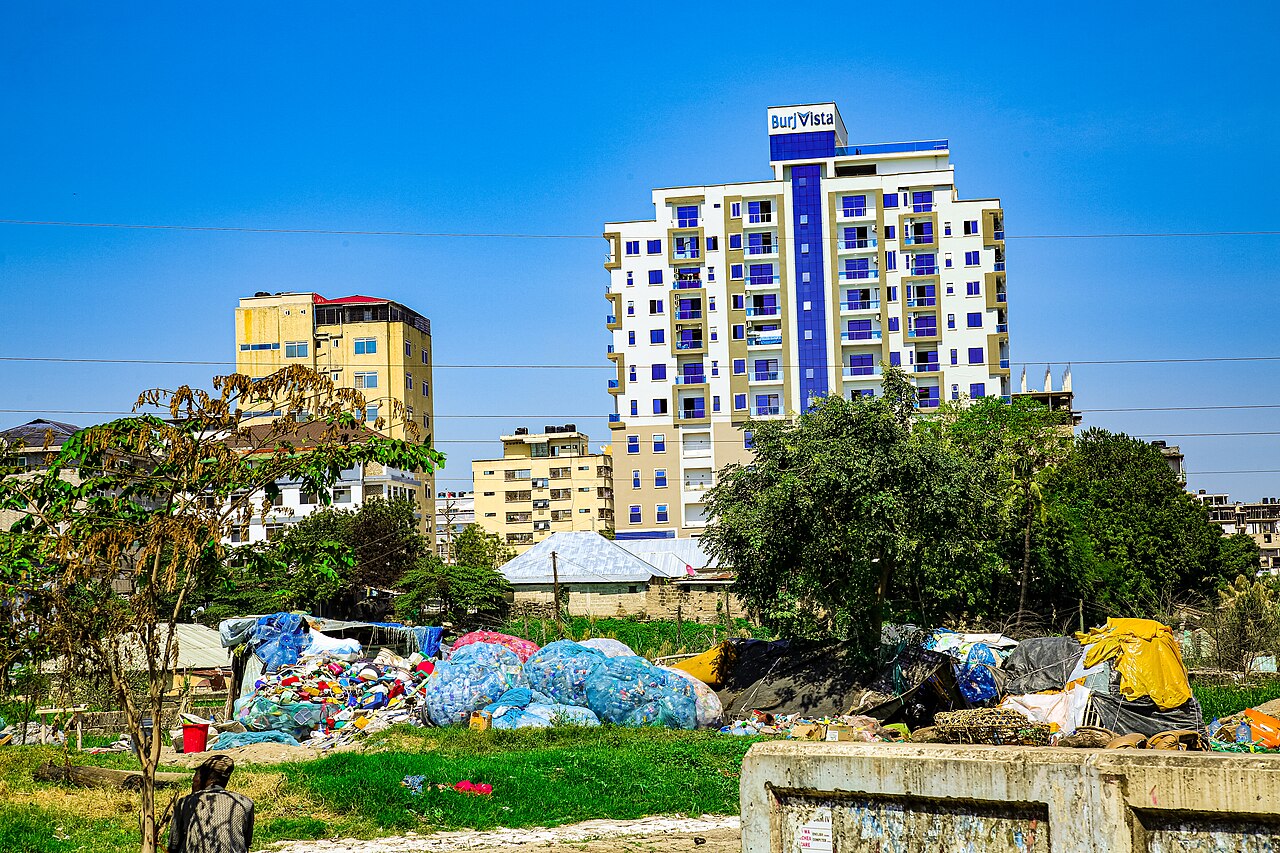
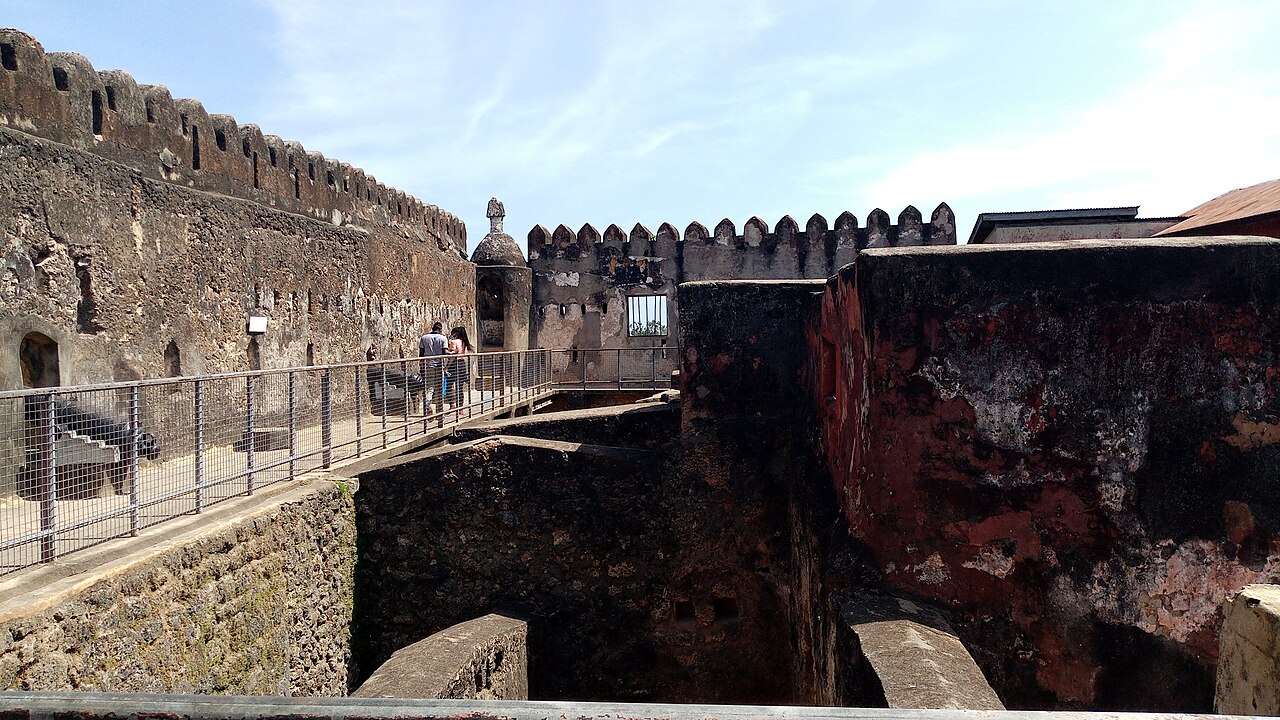
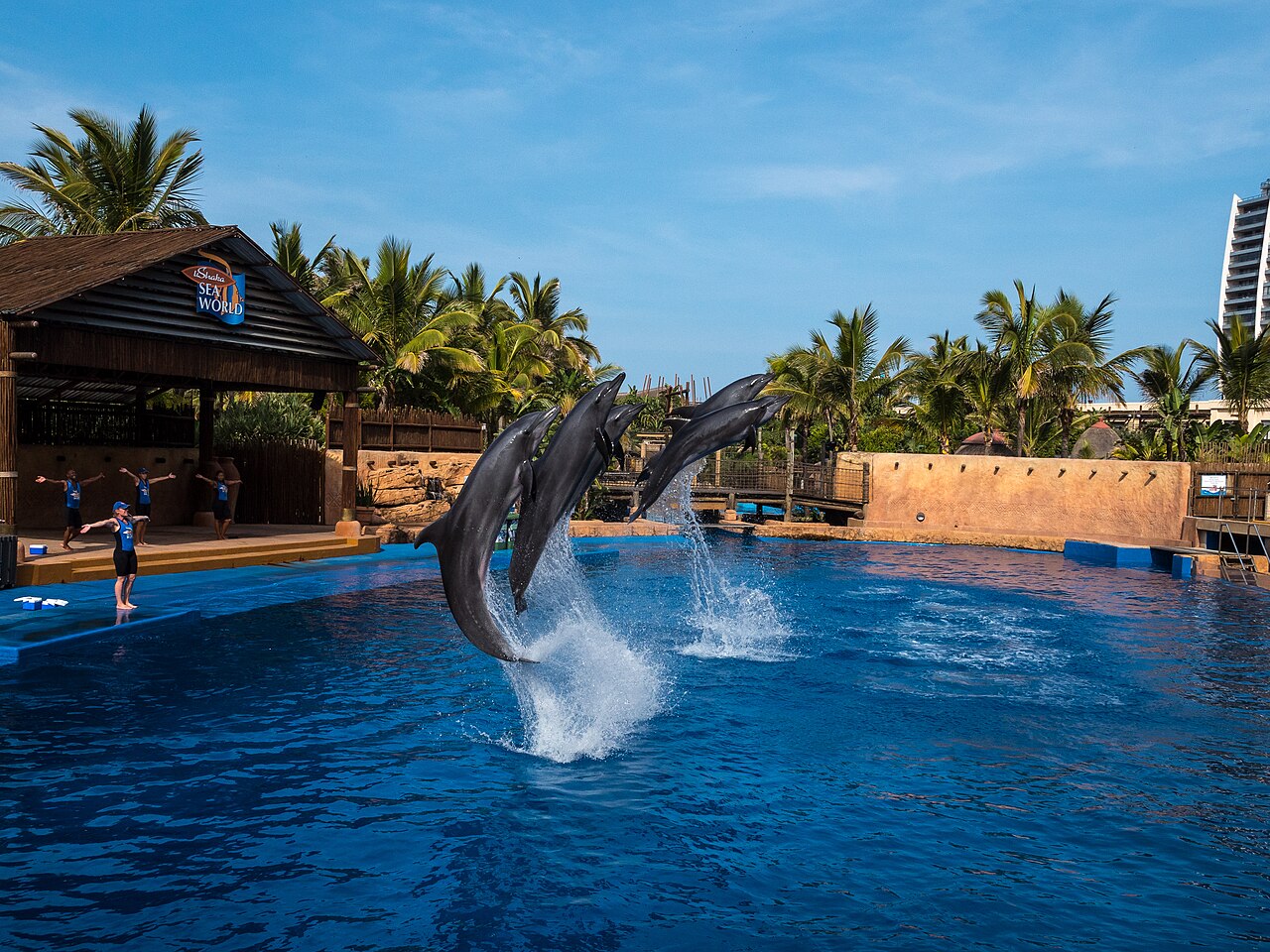
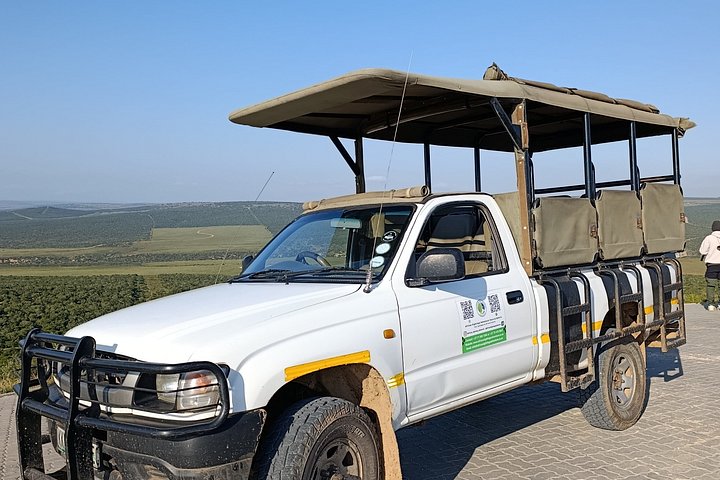
West and East Africa reward curious travellers who like music, markets and everyday street life. Accra and Dakar are lively and welcoming, with strong food and music scenes, and Dakar adds a short ferry to Goree Island. Addis Ababa suits coffee lovers and museum fans and sits at altitude, so take it gently on the first day. Dar es Salaam and Mombasa are practical hubs for the Indian Ocean coast and Zanzibar, with older quarters that reward a slow wander. In the south, Durban is for surf, beaches and curry, Pretoria for history and jacaranda-lined streets, and Gqeberha for beaches combined with nearby safari parks.
Timing depends on the region. North Africa is most comfortable in spring and autumn, with summer heat strong in the interior. West Africa is usually easiest in the drier months, and East Africa has rainy seasons that can slow travel. Southern Africa's winter is mild and dry in many places, while summer brings warmth and the odd thunderstorm. Two or three nights suit most cities, with extra days if you are adding a safari, island or day trip.
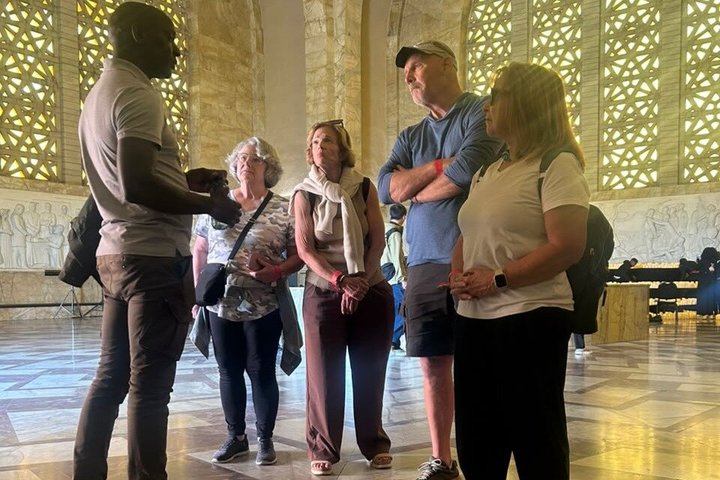
Do your homework on entry rules, as visa requirements and arrival processes vary widely and e-visas are common. Ask your hotel which neighbourhoods are best on foot and which are better by taxi, agree fares in advance or use a reliable ride app, and book a licensed guide for medinas and historic quarters. Carry some local cash, because cards are not accepted everywhere.
Questions
Which African city is best for a first visit?+
Casablanca or Fes are strong first picks, with good flights and clear sights, and Durban is easy for beach and food lovers. Accra and Dakar suit travellers who want lively music and street life. Choose by flights, season and the kind of atmosphere you enjoy.
How many days do I need in an African city?+
Two to three nights is enough for most cities, covering the main sights, a market and a couple of good meals. Fes and Tunis can fill three or four days. Add time if you plan a day trip, an island ferry such as Goree or Zanzibar, or a safari afterwards.
When is the best time to visit African cities?+
It varies by region. Spring and autumn are most comfortable for North Africa, while the drier months are generally easiest in West and East Africa. Southern Africa has mild, dry winters and warm summers. Check local rainy seasons and heat for your chosen city before you book flights and hotels.
Do I need a guide in an African medina?+
A licensed guide is helpful in large medinas like Fes, where the alleys are maze-like and signs are limited. Book through your hotel or a reputable operator, and agree what the tour includes before you start. In smaller places such as Chefchaouen you can easily explore alone with a map or offline app.