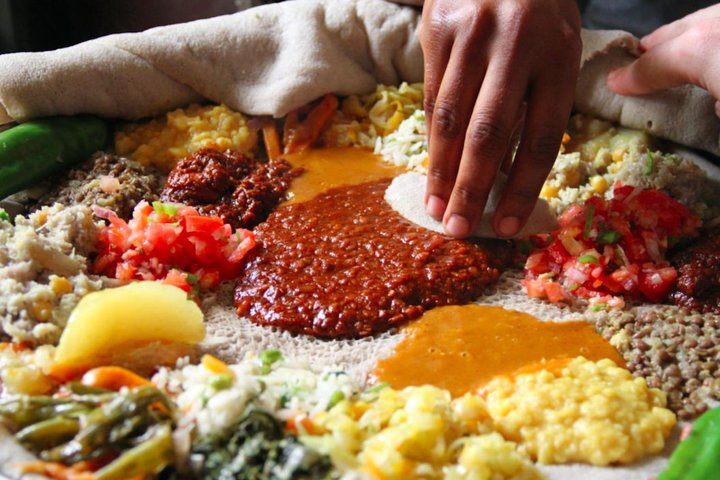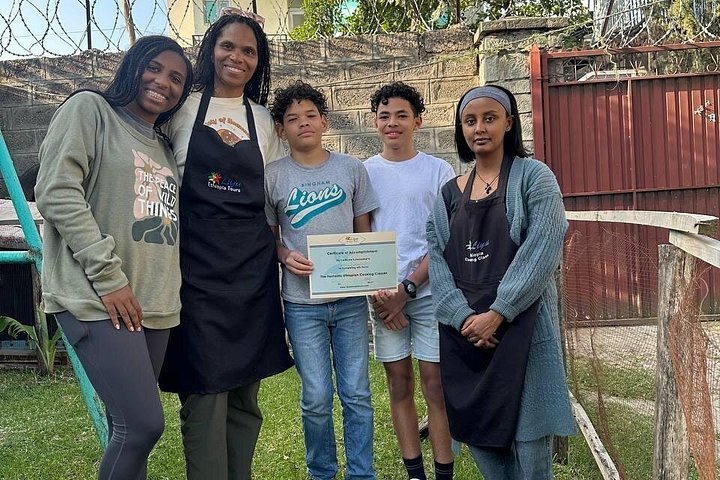
A cooking class is the best souvenir you can bring home from Ethiopia, because the dishes are simple to repeat once you know the steps. In Addis Ababa you can join a small-group, hands-on class where a local cook shows you how to prepare traditional dishes and how injera is made from fermented teff batter. Typical dishes in a class like this include a spiced stew, lentil and vegetable dishes and the spice blends that give them their depth, with a meal at the end. Ethiopian cooking is built on patience: onions cooked slowly for a long time, niter kibbeh, the spiced clarified butter, and berbere, the red chilli and spice blend that is the backbone of the cuisine. The class we link, Flavors of Ethiopia, is a highly rated hands-on class in Addis Ababa, and it suits beginners as well as keen cooks.
How it works
The class is run by a local operator, and sets out the meeting point, the length, what is cooked and what is included, so read it before you book. Classes of this kind usually start with an introduction to the ingredients and spices, then move to cooking in small groups and finish with a shared meal. Ask the operator in advance about vegetarian options, allergies and whether a coffee ceremony is part of the experience, since details differ between operators.
What you will learn
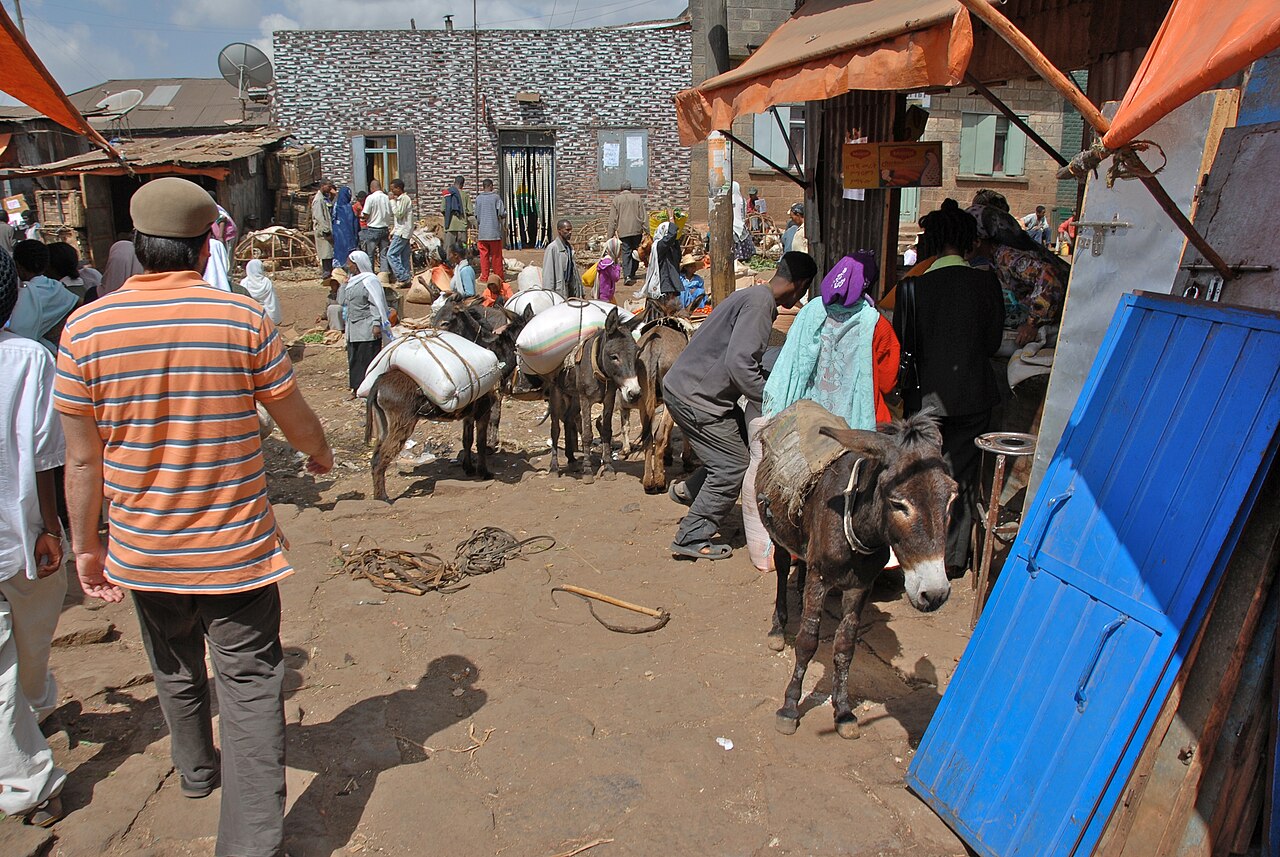
How to build a stew from a base of slowly cooked onion, why spice blends are prepared in advance, and how injera is fermented and cooked on a large griddle. The technique for making injera takes practice, and watching a local cook is the best way to understand it. Take notes, ask for the names of spices so you can find them at home, and consider buying berbere at Merkato to take with you. Teff flour is increasingly available abroad.
Making the most of it
Choose a class for a day without an early start, since the meal at the end can be filling. Wear clothes that can handle stains, and bring a notebook and a small bag for spices. A cooking class is a good rainy-day plan and a calm counterpart to busy sightseeing. Combine it with a food tour for a day devoted to Ethiopian flavours, and check the booking page for current prices and availability.
What to expect
The experience
A hands-on class with a local cook, ending in a shared meal.
Best time
A day without an early start, since the meal is filling.
How long
A few hours; check the booking page for the exact length.
Tips
Ask about vegetarian options and whether a coffee ceremony is included, wear stain-friendly clothes and take notes on the spices.
Quick picks
- Best for
- Food lovers who want a skill to take home and a relaxed, social afternoon.
- Families
- A fun group activity for children who like to help in the kitchen.
- Couples
- A shared, hands-on evening that ends with a good meal.
- Pair with
- The Ethiopian food tour or a morning at Merkato for spices.
- Time needed
- A few hours.
Good questions
What will I cook in the class?+
Classes of this kind typically cover a spiced stew, vegetable and lentil dishes and injera. Check the booking page for the current menu.
Is it suitable for beginners?+
Yes, the class is hands-on and led by a local cook, so no experience is needed. Injera takes practice, so do not expect perfection.
Can I take recipes home?+
Ask your cook for written notes or the names of the spices. Berbere and teff flour can often be found abroad.
Is a coffee ceremony included?+
That depends on the operator, so check or ask before booking. Coffee ceremonies are also common at cafes and restaurants.
Can I cook vegetarian food?+
Yes, Ethiopian cuisine has many vegetable and lentil dishes. Tell the operator when you book.