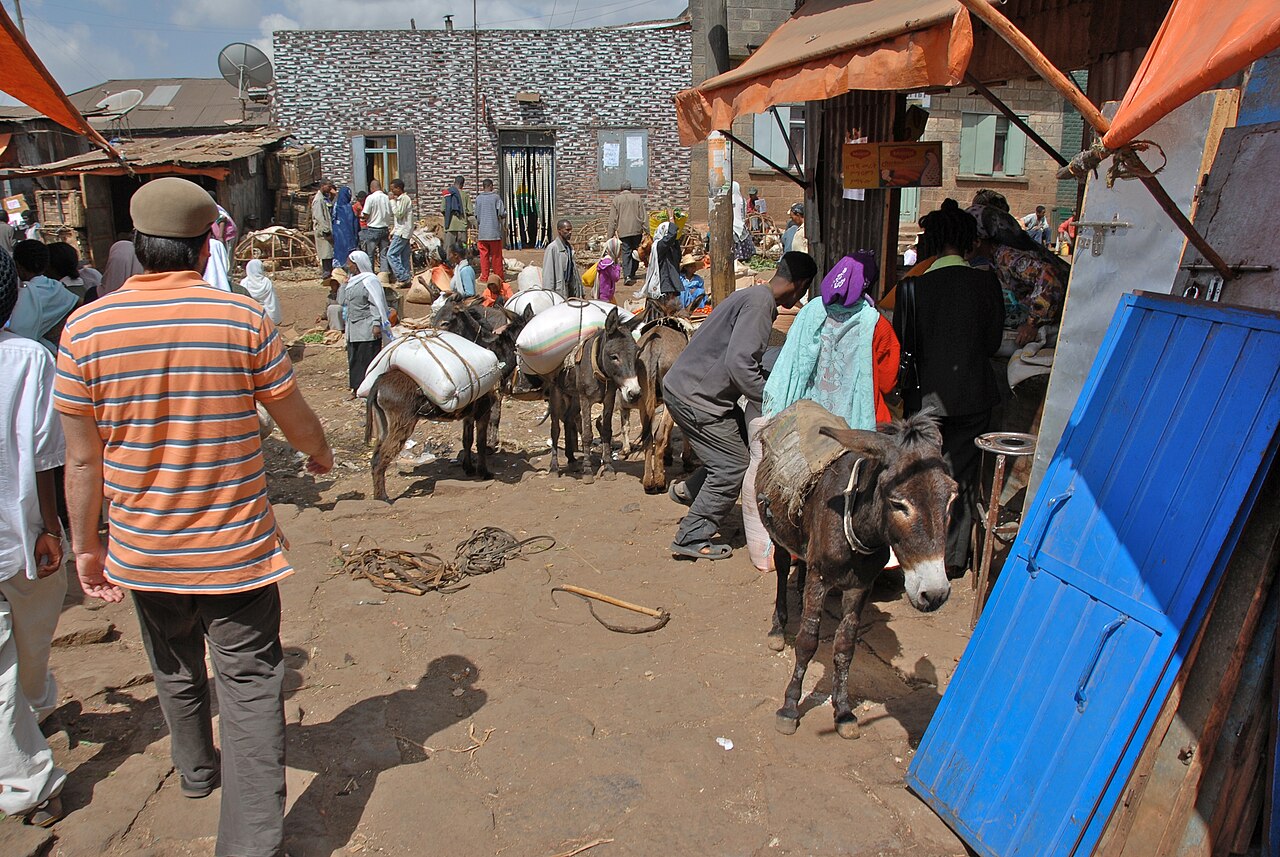
Most visitors see Addis Ababa from the back seat of a car, but the city rewards those who get out and walk. A guided walking tour takes you into the streets where daily life happens: the corner shops, small cafes, tea stalls, tailors, shoe-shiners, church gates and busy junctions that make up the capital’s character. A local guide can explain what you are seeing, introduce you to people and choose a route that balances landmarks with the unscripted moments that make a city feel real. Because you travel at walking pace, you notice details that a vehicle tour would sweep past, from the smell of roasting coffee drifting out of a doorway to the colours of traditional cloth hanging in a shop front.
What to expect on the route
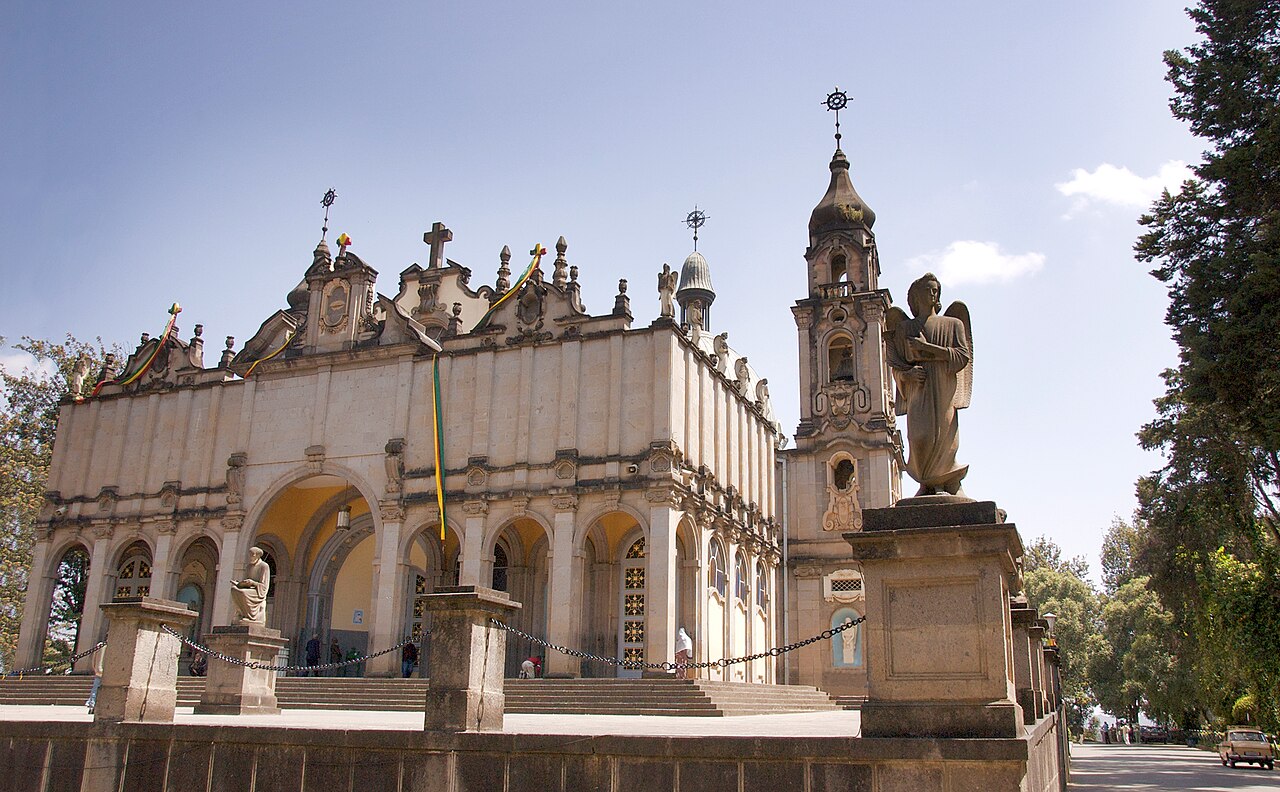
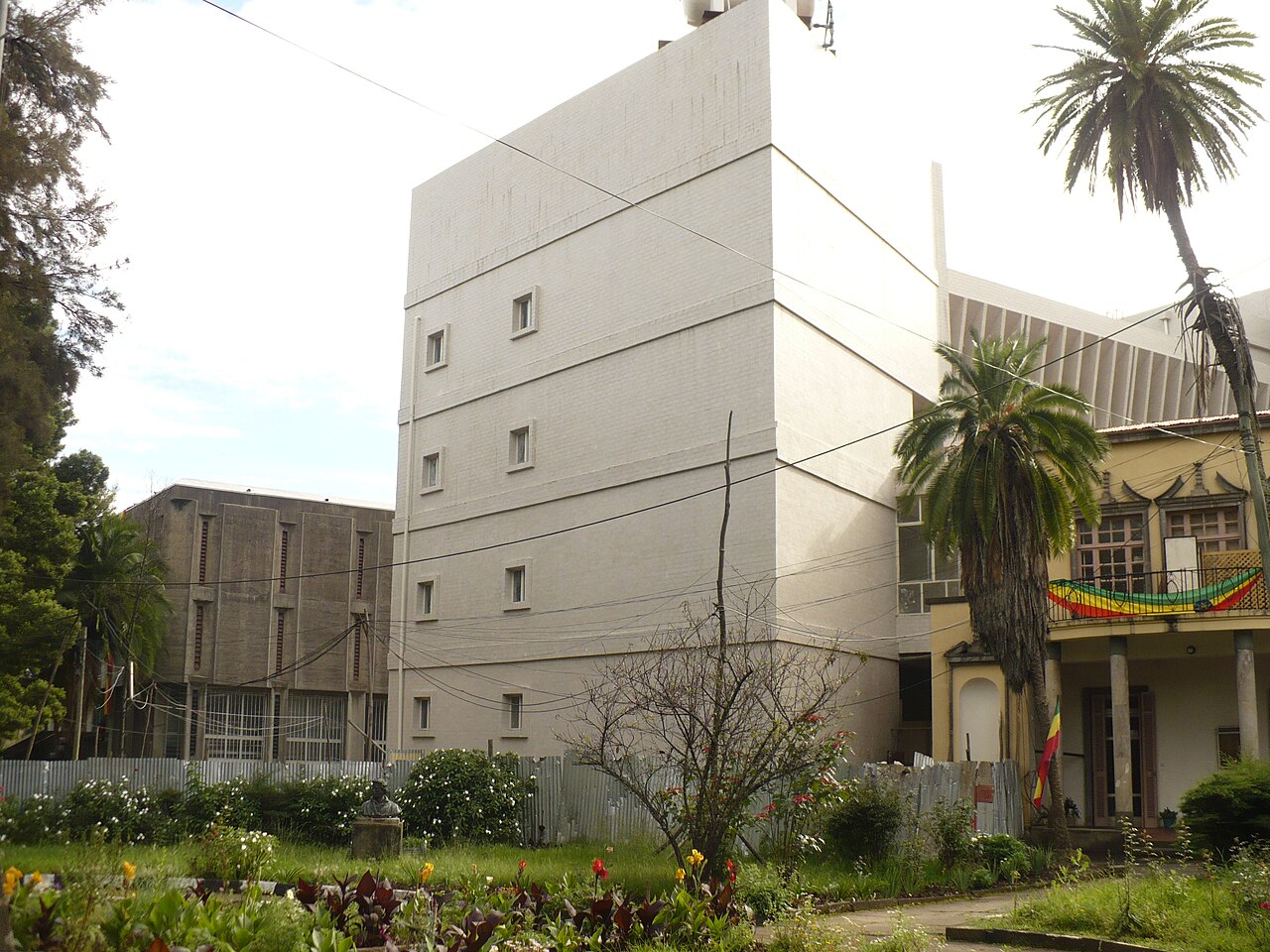
Walking tours in Addis Ababa typically cover a central area where distances are manageable, mixing historic streets with busy commercial lanes. You may pass old buildings from the early twentieth century, churches where worshippers pause on the steps to kiss the doorframe, small bookshops and shaded cafes.
The guide will explain how the city grew from a camp established in the 1880s, why it became the seat of the African Union and how new towers and roadworks now sit beside older neighbourhoods. Stops for coffee or a snack are common, though inclusions vary by operator.
Why walk
The pace of the city is best understood on foot. You see how people greet each other, how traders arrange their goods and how traffic, pedestrians and street animals share the same space. A local guide helps with practical matters too, such as crossing busy roads, avoiding awkward situations and understanding when to say yes or no to a street seller. It is also a good way to get your bearings on the first day, after which you will find it easier to navigate by yourself.
Practical points
Addis Ababa sits at roughly 2,355 metres, so the air is thin and a gentle walk can feel more tiring than usual. Take your time, drink water and wear sun protection, because the highland sun is strong even on cool days. Comfortable shoes are essential because pavements can be uneven. During the rainy season, from about June to September, bring a light waterproof layer. Keep your phone and wallet in a front pocket, carry only what you need and ask before photographing people, as many prefer to be asked first.
Who it suits
Independent travellers who like to see a place in detail, first-time visitors wanting orientation and anyone who is happy to spend a few hours on their feet. It works well early in the day before traffic builds. If mobility is a concern, discuss the route with the operator in advance, since a shorter or flatter option may be possible.
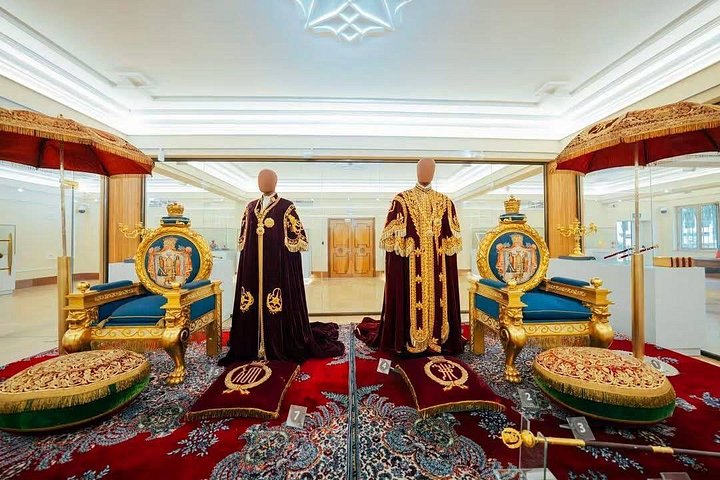
Combine the walk with a museum visit or a food tour for a full day, or use it as a gentle introduction before heading to the bigger sights such as the markets and Mount Entoto.
Good to know
Sundays and church holidays change the feel of the streets, with more worshippers in white cloth and quieter commercial lanes, while weekday mornings bring a busier, more commercial rhythm. Tell your guide which you prefer when you plan the day.
What to expect
The experience
A guided walk through central streets, shops, cafes and landmarks.
Best time
Morning, when traffic is lighter and the air cooler.
How long
Around half a day; check the operator for the route and hours.
Tips
Wear comfortable shoes, carry water, allow for the altitude and ask before photographing people.
Quick picks
- Best for
- First-time visitors who want orientation and street-level detail.
- Families
- Fine for older children who enjoy walking; the altitude can tire little ones.
- Couples
- A relaxed way to see the city together.
- Pair with
- A museum visit or a coffee ceremony.
- Time needed
- A half day.
Good questions
How much walking is involved?+
Walking tours cover a central area at an easy pace, but allow for uneven pavements and the altitude. Ask the operator for the route length.
Is the city safe to walk around?+
With a local guide it is a good way to see the streets. Keep valuables out of sight and follow your guide’s advice.
Can I take photographs?+
Yes, but ask before photographing people and avoid photographing government or military buildings.
What should I bring?+
Comfortable shoes, water, sun protection and a light layer. Add a waterproof in the rainy season.
When is the best time of day?+
Morning, when it is cooler and quieter.