Berbere is the fiery red spice blend at the heart of Ethiopian cooking, and a tour named for it promises exactly what you would hope for: a trail of small tastings that show how the country eats. Rather than one big sit-down meal, you move between stops and sample many dishes in modest portions, which is a smart way to cover a lot of ground without feeling stuffed by the second restaurant. A local host explains what you are eating, how it is made and where it fits in Ethiopian life, from daily lunches to fasting-day dishes and festival feasts. The result is an education in flavour as much as a meal, and a good first step before you order confidently on your own for the rest of your trip.
What the tastings might cover
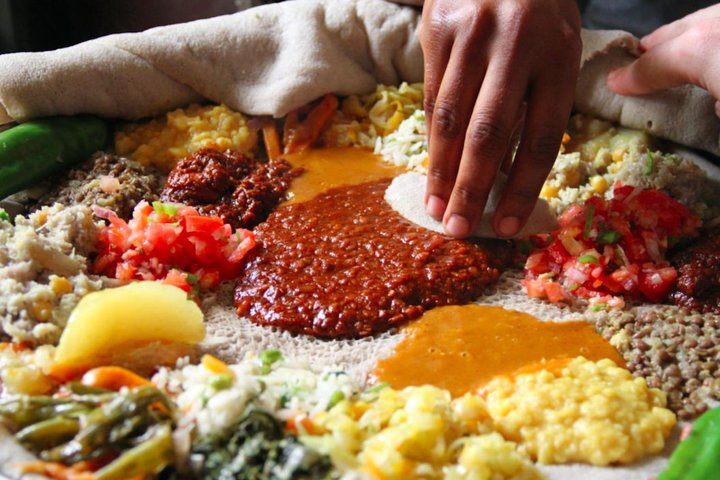
Expect a progression through the staples of the cuisine. Injera, the spongy fermented flatbread made from teff, sits under almost everything. On top might come wot, the slow-cooked stews that take their heat from berbere, along with milder alicha dishes cooked with turmeric, lentils and split peas, vegetable combinations, and meat dishes such as kitfo, a minced beef preparation served either lightly warmed or raw.
Along the way, you may be offered fresh bread, snacks, coffee and sweet or sour drinks. Exact stops differ by operator, so treat this as a guide to the type of food rather than a fixed menu.
Why a tasting format works
Ethiopian food is meant to be shared, and the portions are generous, so a group tour that spreads the eating across several stops lets you sample far more than you could alone. It also shows the differences between kinds of venue, from simple local lunch counters to more polished restaurants. Because the host knows which places do which dish best, you avoid disappointing meals and gain context for the ingredients, from the spice blends sold in the markets to the clarified butter and cheese used in cooking.
Practical points
Arrive hungry, wear comfortable shoes if there is walking between stops and carry a little cash for extras. Mention allergies and dietary needs when you book, because vegetarians and vegans are well served by Ethiopian fasting cuisine but should still confirm that dishes are prepared without animal products.
If you dislike spice, say so early and the host can steer you to milder dishes. Hand washing is normal before the meal, and eating with your right hand is traditional. Drinks such as coffee and local beverages may be included or sold separately, so ask.
Who it suits
Curious eaters, couples, small groups of friends and first-time visitors who want a map for the next ten meals. It also works well for those with limited time, since it condenses many tastes into a single outing. Follow it with a cooking class if you want to learn how to make injera and stews at home, or with a coffee ceremony to finish on a traditional note. Book ahead during busy periods, and leave your afternoon plans loose so that you can enjoy the meal without watching the clock.
Good to know
Ask your host about buying spices afterwards. Berbere, mitmita and other blends are sold in the markets by weight, and a small, well-sealed bag makes a very good souvenir that travels easily.
What to expect
The experience
A guided tasting route through several local food stops.
Best time
Late morning or lunchtime, when kitchens are at their best.
How long
Around half a day; check the operator for exact hours.
Tips
Come hungry, carry small notes, mention allergies and ask for milder dishes if you dislike spice.
Quick picks
- Best for
- Curious eaters who want a broad introduction to Ethiopian cooking.
- Families
- Good for families with adventurous eaters; milder dishes are available.
- Couples
- A shared, sociable way to discover the city.
- Pair with
- A cooking class or a coffee ceremony.
- Time needed
- A half day.
Good questions
What is berbere?+
A fiery red spice blend that flavours many Ethiopian stews, usually containing chilli, garlic, ginger and aromatic spices.
Is the food very spicy?+
Some dishes are, but there are mild options too. Tell your host if you prefer less heat.
Can vegetarians join?+
Yes. Ethiopian fasting cuisine is rich in vegetable and lentil dishes. Confirm needs with the operator when you book.
Do I eat with my hands?+
Traditionally yes, using injera, but cutlery is usually available.
How is this different from other food tours?+
It focuses on many small tastings across several stops, giving a broad overview rather than one large meal.