Addis Ababa’s cafe culture goes back generations, and some of its older coffee houses and restaurants carry the feel of earlier decades. A tour built around vintage coffee shops and restaurants lets you sip, eat and look around without a rushed schedule. A local guide chooses stops that show how the city has changed, from classic coffee houses where regulars have gathered for years to restaurants serving traditional dishes in settings with a bit of character. Between stops, the route takes in sightseeing highlights, so you get a feel for the architecture, the streets and the city’s layers of history. It is a slower, more atmospheric alternative to a standard city tour, and it works especially well for travellers who care more about atmosphere than ticking off monuments.
The coffee side
Ethiopia is widely regarded as the birthplace of coffee, and the drink is woven into daily life. In older cafes you may find macchiatos pulled on traditional machines, a reminder of the Italian influence in the twentieth century, alongside strong black coffee and spiced tea.
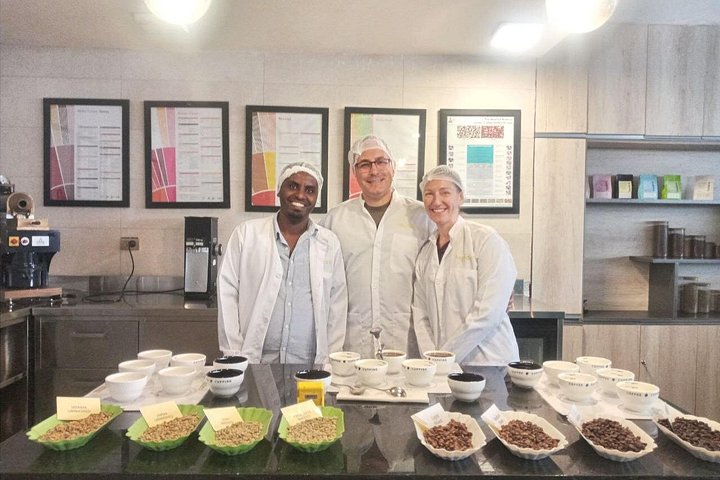
Many cafes are busy with conversation, newspapers and card games, and the pace is unhurried. Your guide can explain the etiquette, from ordering to sitting for as long as you like, and help you taste the differences between regional beans such as those from Sidamo, Yirgacheffe and Harar.
The restaurant side
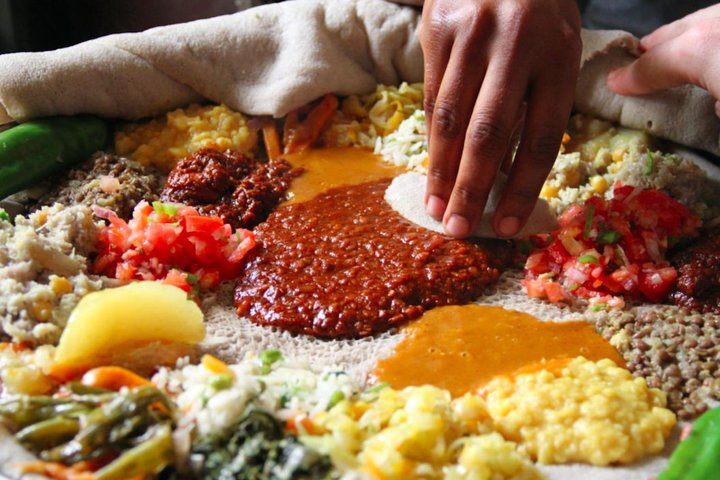
Traditional restaurants in the city serve injera with a wide range of stews, as well as fasting dishes, grilled meats and local specialities. A guided route lets you sample a few dishes without committing to a big meal at every stop, and your guide can recommend what to order and how to eat it. Specific venues depend on the operator, so check the details when you book.
Sightseeing in between
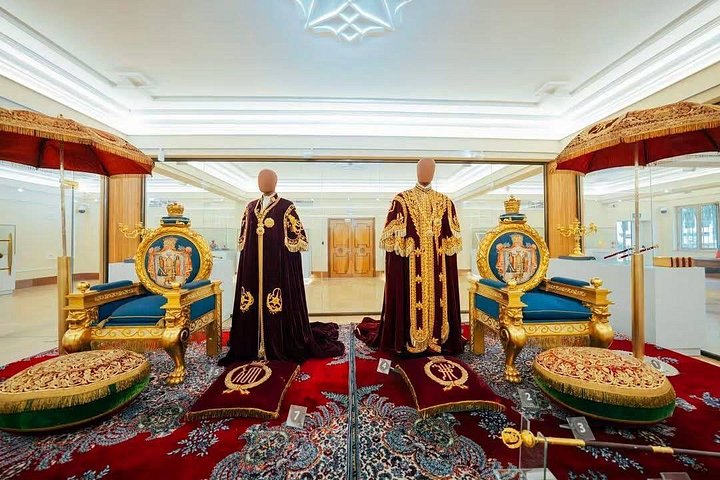
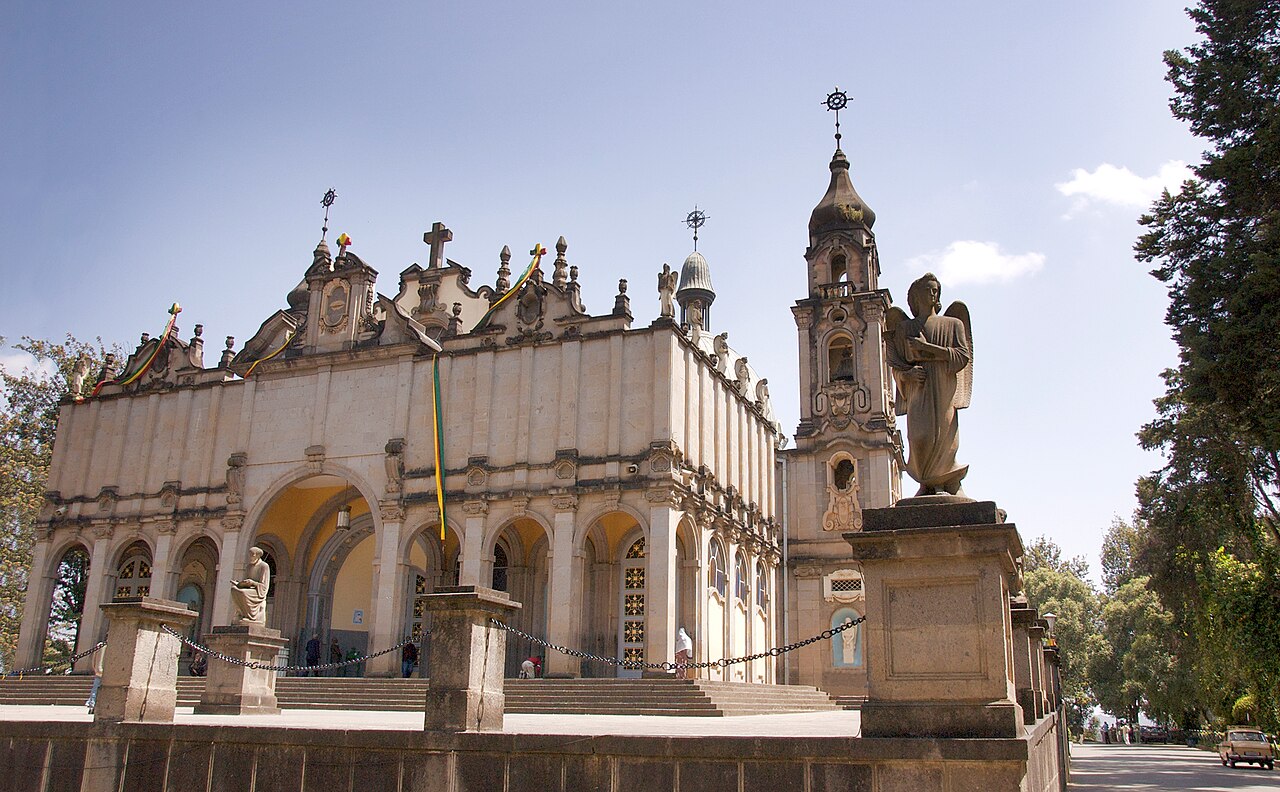
Because stops are spread across the central parts of the city, the route naturally passes key sights, which might include historic streets, churches, government buildings and viewpoints. This gives context to the places where you drink and eat, and helps you see how the capital’s districts fit together. It also gives you a chance to ask your guide about the city’s history, from its founding in the late nineteenth century to its role as a diplomatic centre.
Practical points
Caffeine and altitude can combine to make you feel jittery, so pace yourself and drink water between cups. Carry small notes for tips and extras. Wear comfortable shoes if the tour includes walking, and a light layer for cooler mornings and evenings. Mention allergies and dietary needs when you book. Most venues welcome visitors, but dress modestly if you plan to enter any religious site along the way.
Who it suits
Coffee lovers, history fans, couples and travellers who enjoy a leisurely pace. It is a good fit for a first day, when you want to ease into the city, and for those with a few spare hours between flights. Combine it with a coffee ceremony or a cupping session to deepen your understanding of Ethiopian coffee, or with a visit to the National Museum for a broader view of the country’s past.
Good to know
Many older cafes are busy at midmorning and again after work, so ask your guide to time the stops for quieter moments if you want conversation rather than bustle.
What to expect
The experience
A relaxed route linking older cafes, restaurants and sightseeing stops.
Best time
Morning or early afternoon, when cafes are lively.
How long
Around half a day; check the operator for the route and hours.
Tips
Pace your caffeine, carry small notes and mention dietary needs when you book.
Quick picks
- Best for
- Coffee lovers and travellers who prefer atmosphere to ticking off monuments.
- Families
- Fine for families, though the pace suits adults best.
- Couples
- A leisurely, atmospheric outing.
- Pair with
- A coffee ceremony or a cupping session.
- Time needed
- A half day.
Good questions
Why is Addis Ababa good for cafe culture?+
Ethiopia is widely regarded as the birthplace of coffee, and cafes are central to daily life in the capital.
Is food included?+
It varies by operator. Check what is included when you book.
Do I need to speak Amharic?+
No. Your guide handles ordering and explains what you are trying.
Is the tour suitable for vegetarians?+
Yes. Ethiopian cooking offers many vegetable and lentil dishes. Mention your needs when you book.
Will there be a lot of walking?+
Some, between stops. Wear comfortable shoes and ask the operator about the route.