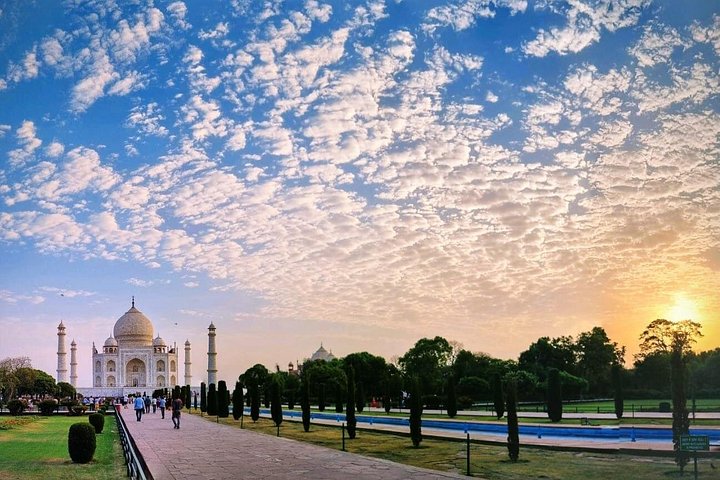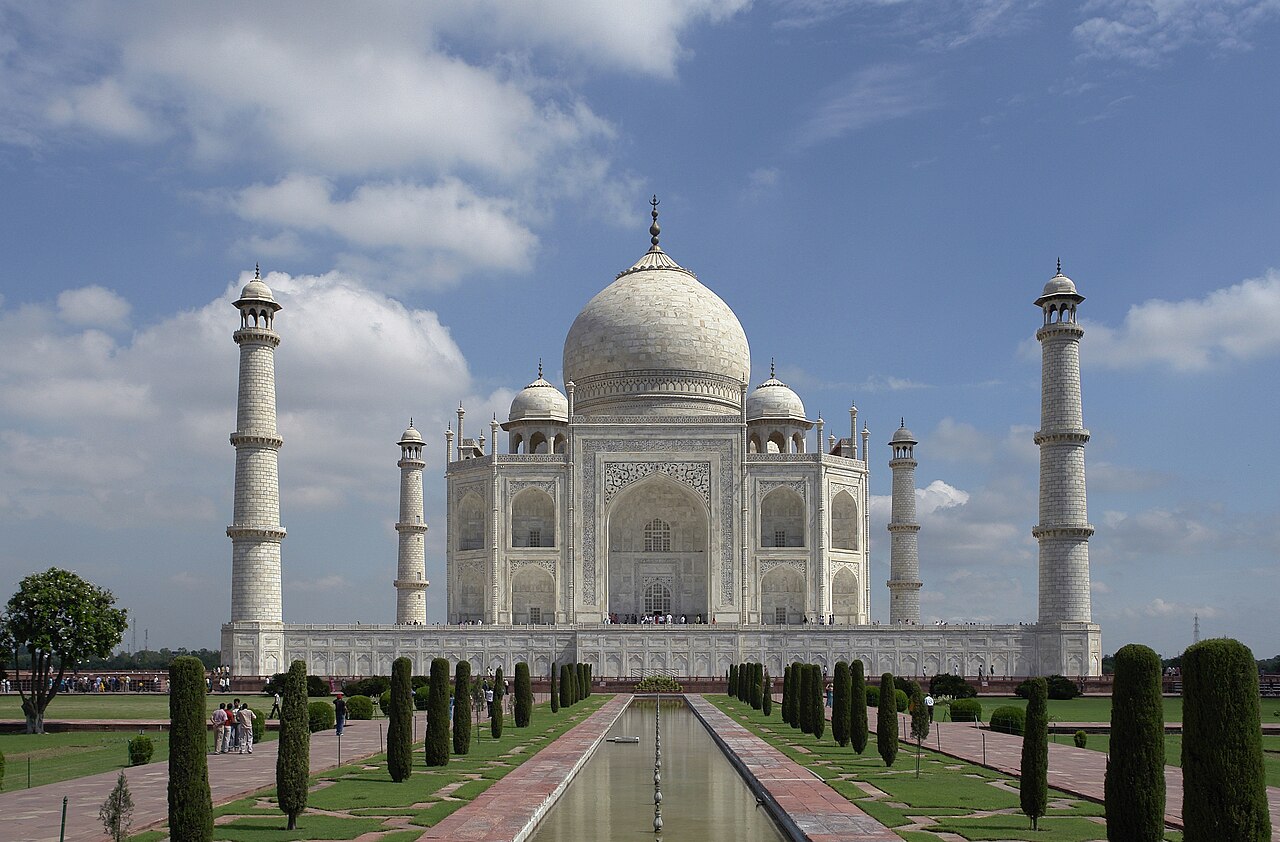
Agra has three very different faces through the year: a cool, clear and busy winter, a fiercely hot early summer and a humid, green monsoon. Choosing your season well can make the difference between a comfortable visit and a trying one. This guide explains the pros and cons of each, along with the practical issue that applies in every season, the weekly closure of the Taj Mahal.
October to March: the best weather and the highest demand
The cooler months are the prime time to visit. Days are warm and sunny, mornings and evenings are pleasantly cool and sightseeing is comfortable all day. This is also when hotels are busiest and prices are highest, so reserve your room and your guided entries well in advance, particularly for weekends and holiday periods. October and early November often bring clearer skies, while March is warming up but still pleasant.
Winter fog: a risk to plan around
From December into February, fog and haze can settle over the Yamuna plain in the early morning, and on a bad day the Taj Mahal can stay hidden until late morning. Flights and trains can be delayed, too. If you want a sunrise visit in these months, keep a spare morning in your schedule, dress warmly because dawn can be properly cold, and accept that the monument is still lovely once the fog lifts. Photographers often find that the best light comes at either end of the cool season, before and after the deepest winter weeks.
April to June: very hot
From April the temperature climbs, and the weeks before the monsoon can be punishingly hot, with midday heat that makes outdoor sightseeing difficult. If you must travel then, do the Taj Mahal, Agra Fort and other outdoor sights at dawn or in the last hours of the day, rest indoors in the afternoon and drink plenty of water. Crowds are thinner and hotel rates are often lower, and many hotels have pools that make the heat bearable.
July to September: the monsoon
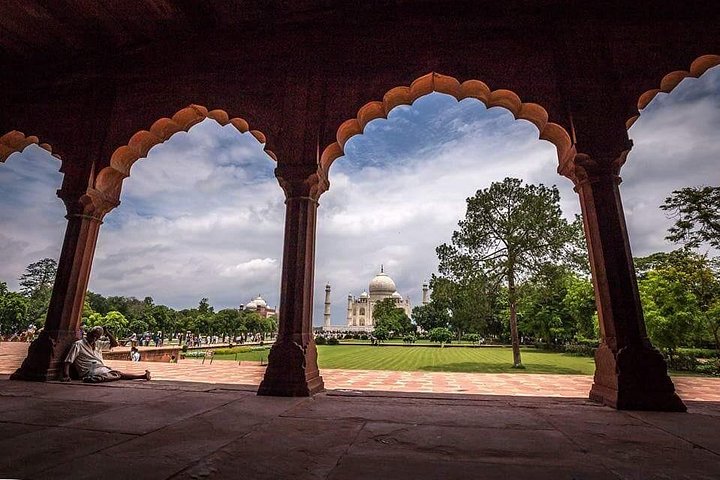
The rains bring humidity, cloud and the occasional heavy shower, but they also freshen the air, turn the landscape green and thin out the crowds. Sightseeing is possible between showers, and the light can be dramatic for photographs. Be prepared for muddy lanes in the countryside, bring a light rain jacket and allow flexible timing. Nature trips, such as the Bharatpur wetlands, change with the water levels, so ask about conditions before you go.
Festivals and events
Holi in spring brings colour and crowds, especially in Mathura and Vrindavan nearby, and Diwali in the autumn fills the markets. Agra also hosts a cultural festival in the cooler months that features crafts, music and dance. Religious festivals can make some temples and bazaars extremely busy, so check dates if you want to join the celebrations or avoid them.
The weekly Friday closure
In every season the Taj Mahal is closed on Fridays, while Agra Fort, Itmad-ud-Daulah, Akbar's Tomb, Fatehpur Sikri and Mehtab Bagh stay open at lower prices. Build your itinerary so that the Taj falls on another day, and be especially careful if you travel on a short trip, since a Friday arrival or departure can cost you the monument. Tickets are checked against photo ID, so keep your documents handy.
Our suggestion
For most travellers, late October to early March is the sweet spot, with February and early March often offering the best balance of mild weather and moderate fog risk. If you value quiet and low prices over comfort, the monsoon is an underrated choice. Whatever the season, start early, carry water and give yourself a buffer day.
Month-by-month summary
Winter, from December to February, is cool and often foggy in the mornings, with the busiest hotels and the most atmospheric light. Spring, from late February to March, is warm, bright and generally dry, which many visitors consider ideal. April to June is hot and dry, with temperatures that can exceed forty degrees Celsius. July to September is wet and humid, with green scenery and fewer visitors, and the cooler weather returns in October. If you are flexible, look at both the weather and your own tolerance for crowds, heat and fog, and pick the season that matches your priorities.
Packing by season
In winter bring warm layers for the early mornings and light clothes for the afternoons. In summer pack light cotton, a hat, sunglasses and a refillable bottle. In the monsoon bring a light rain jacket, quick-drying clothes and shoes that you do not mind getting wet.