Most people give Agra a single rushed day, but three days lets you see the Taj Mahal at its best, explore the forts and tombs that explain the Mughal story, and slow down enough to enjoy the food and the craft traditions of the old city. This plan assumes you arrive the evening before and that the Taj Mahal is closed on Fridays, so you may need to shuffle the days to suit your dates.
Day one: the Taj Mahal and the riverside
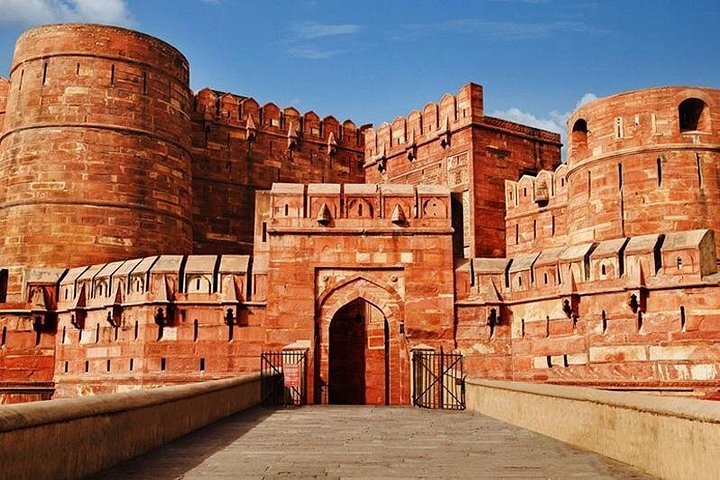
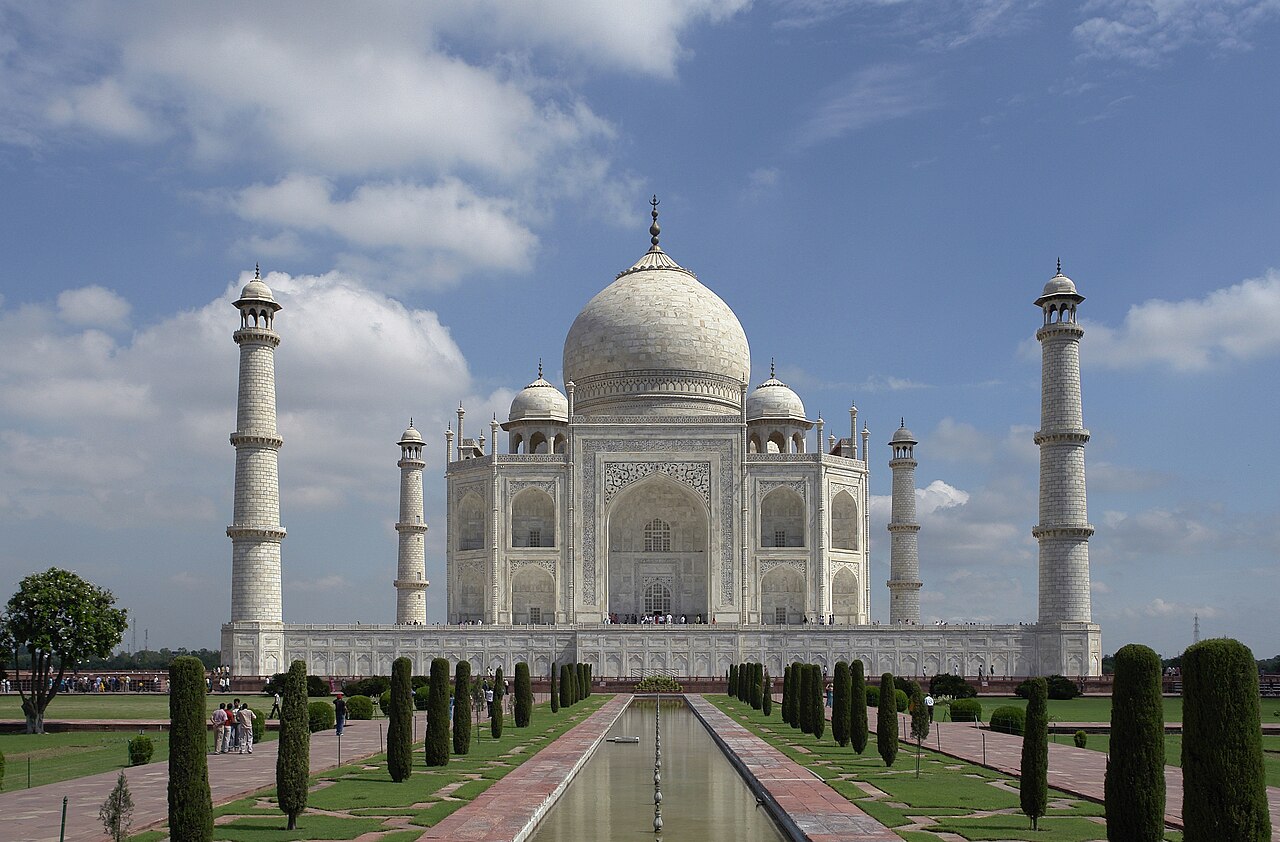
Start before dawn for the Taj Mahal at sunrise, when the light is soft and the crowds are thin. Go straight to the platform, take your photographs from the sides, then enter the mausoleum while the queues are short. Return to your hotel for breakfast and a rest, because the middle of the day is hot for much of the year. In the late morning visit Agra Fort, which is open every day, and look for the riverside balconies with the distant view of the Taj. Spend the late afternoon at Itmad-ud-Daulah, the inlaid tomb often called the Baby Taj, and finish with sunset from Mehtab Bagh, where the Taj appears across the water.
Day two: Fatehpur Sikri and Sikandra
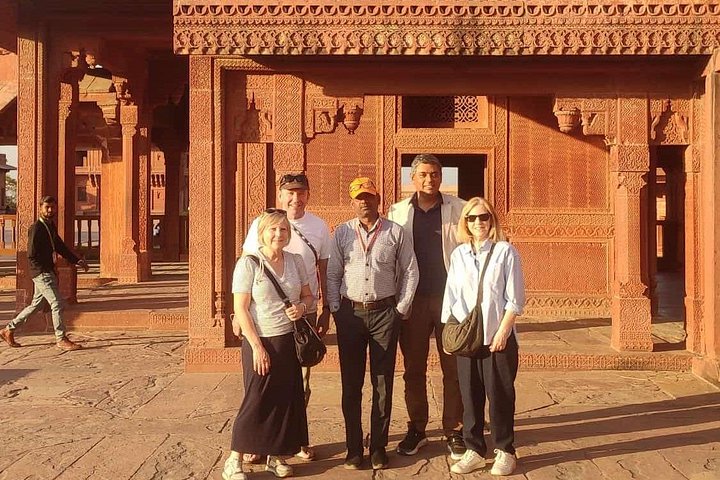
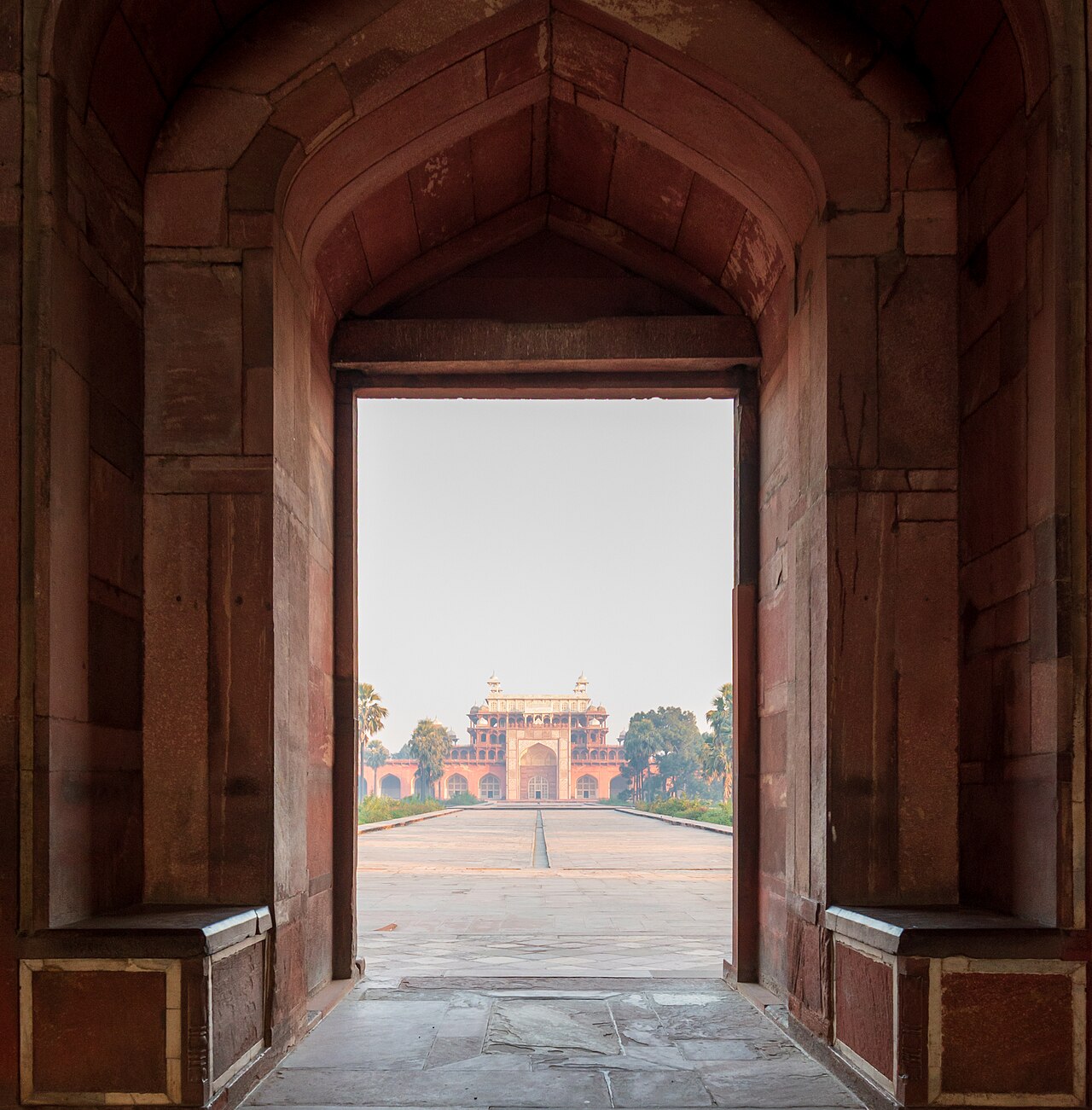
Leave early for Fatehpur Sikri, the abandoned red sandstone capital built by Akbar about 37 km from Agra. Hire a licensed guide at the entrance or book a guided half-day, and give yourself two to three hours to walk through the palaces, the courtyard of the great mosque and the tomb of the Sufi saint Salim Chishti. Return towards Agra by late morning and stop at Akbar's Tomb at Sikandra, a vast red sandstone and marble mausoleum set in a green garden. If you have energy left, add Chini Ka Rauza or the Radhasoami Samadhi nearby. In the evening, consider the Mohabbat the Taj show, an easy seated evening that retells the story behind the monument.
Day three: the old city, craft and something different
Use your last day for the human side of Agra. Begin with a visit to a marble inlay workshop, where artisans still use the pietra dura technique that decorates the Taj Mahal, and ask to see the work in progress. Walk through the old city around the Jama Masjid and Kinari Bazaar, where the lanes are full of spices, textiles and sweets. Then choose your adventure. A home cooking class is relaxing and delicious, a countryside bicycle ride shows village life, and the Wildlife SOS elephant centre is a thoughtful half-day for animal lovers. Birdwatchers might prefer a day trip to the Bharatpur wetlands instead. Finish with an evening food walk through the bazaars.
If your schedule includes a Friday
The Taj Mahal is closed on Fridays, but Agra Fort, Itmad-ud-Daulah, Akbar's Tomb, Fatehpur Sikri and Mehtab Bagh remain open, usually at lower ticket prices. Use Friday for day two or for the fort and garden circuit, and move the Taj sunrise to Saturday or earlier in the week. If you are arriving from Delhi or Jaipur, check the weekday before you fix your dates.
Pace yourself
Agra's heat, traffic and attention from touts can be tiring, so build in a long lunch and a rest at your hotel. A private car with a driver is the most comfortable way to cover the distances, and a licensed guide is worth paying for at the Taj, the fort and Fatehpur Sikri. In the cooler months from October to March you can do more in a day, while in the hot season you should do the outdoor sights at dawn and dusk and keep the middle of the day for indoor activities.
Where to base yourself
Staying near the Taj East Gate makes the sunrise start easier, while Fatehabad Road has a wide choice of hotels and restaurants. The Oberoi Amarvilas is the Taj-view splurge, Taj Agra is a good upscale base, and ITC Mughal gives you gardens and a spa. If you plan the full three days, book a hotel with a pool, since an afternoon swim makes a real difference to the middle of the day.
Make it your own
If you are short of time, drop Day three and keep the food walk for the evening of Day two. If you have a fourth day, use it for Mathura and Vrindavan, Gwalior or a quiet day by the hotel pool. The beauty of this plan is that each day has a clear theme, so you can rearrange the pieces without losing the story.