Agra is a photographer's city, with marble, red sandstone, river light and crowded streets all within a short drive. It is also a hard place to take distinctive pictures, because the Taj Mahal is photographed millions of times a year. This guide covers the light, the viewpoints, the rules and the small habits that make your pictures stand apart.
The light at the Taj Mahal
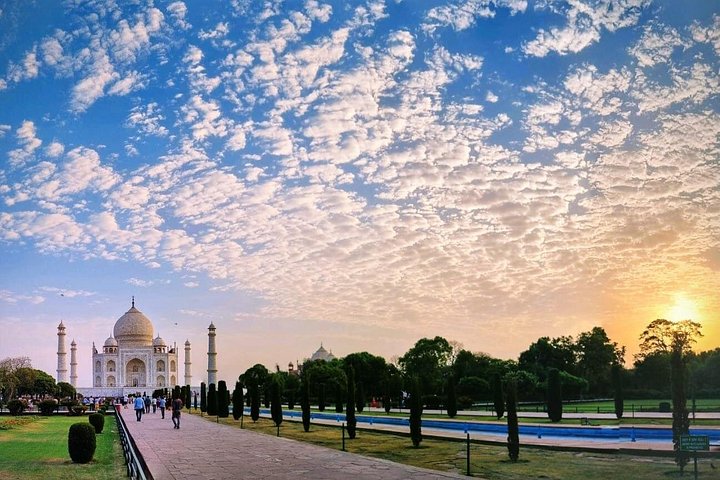
Sunrise gives soft, pale tones, cooler colour and thinner crowds. Late afternoon is warmer and golden, and the marble glows. Midday light is harsh and flat, so use it for details and interiors rather than the wide view. Winter fog can hide the building for an hour or more, but when it lifts the effect is atmospheric. Haze in summer softens contrast, and the monsoon brings dramatic clouds and fewer people.
Inside the complex
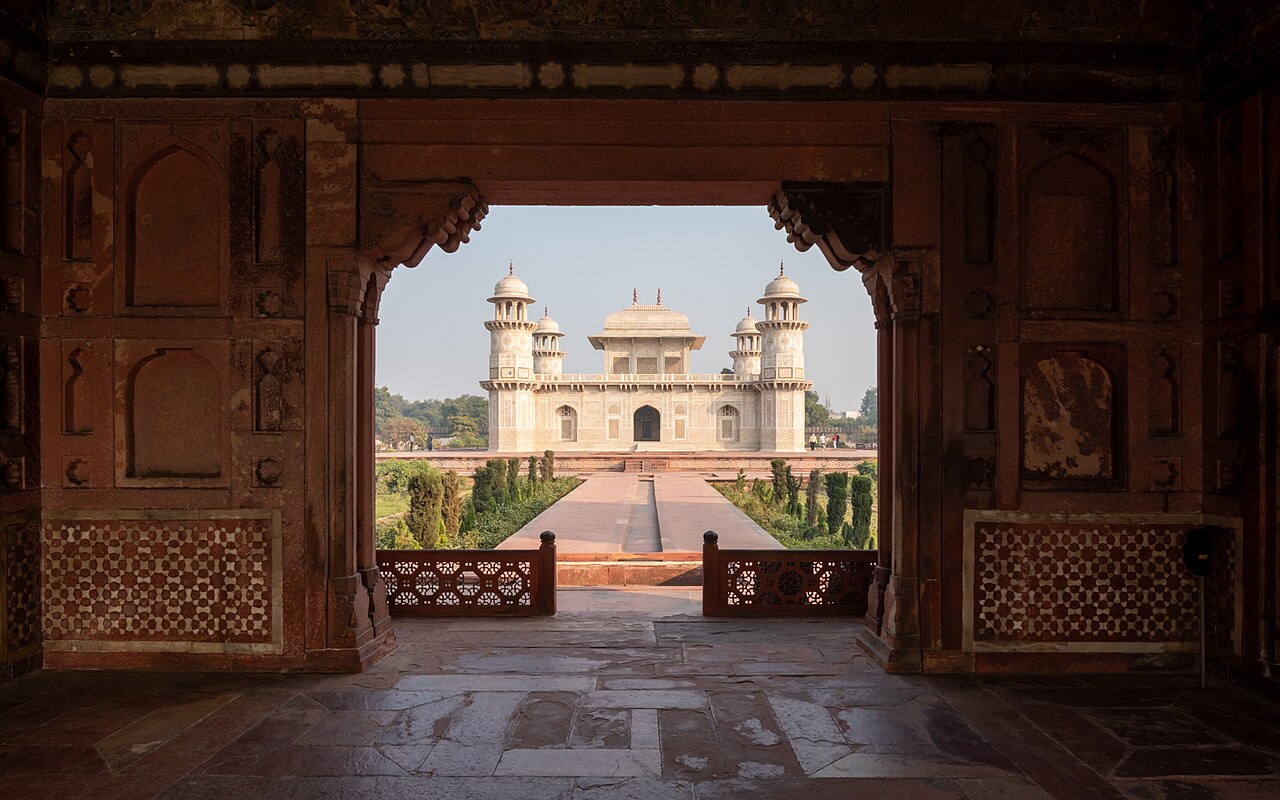
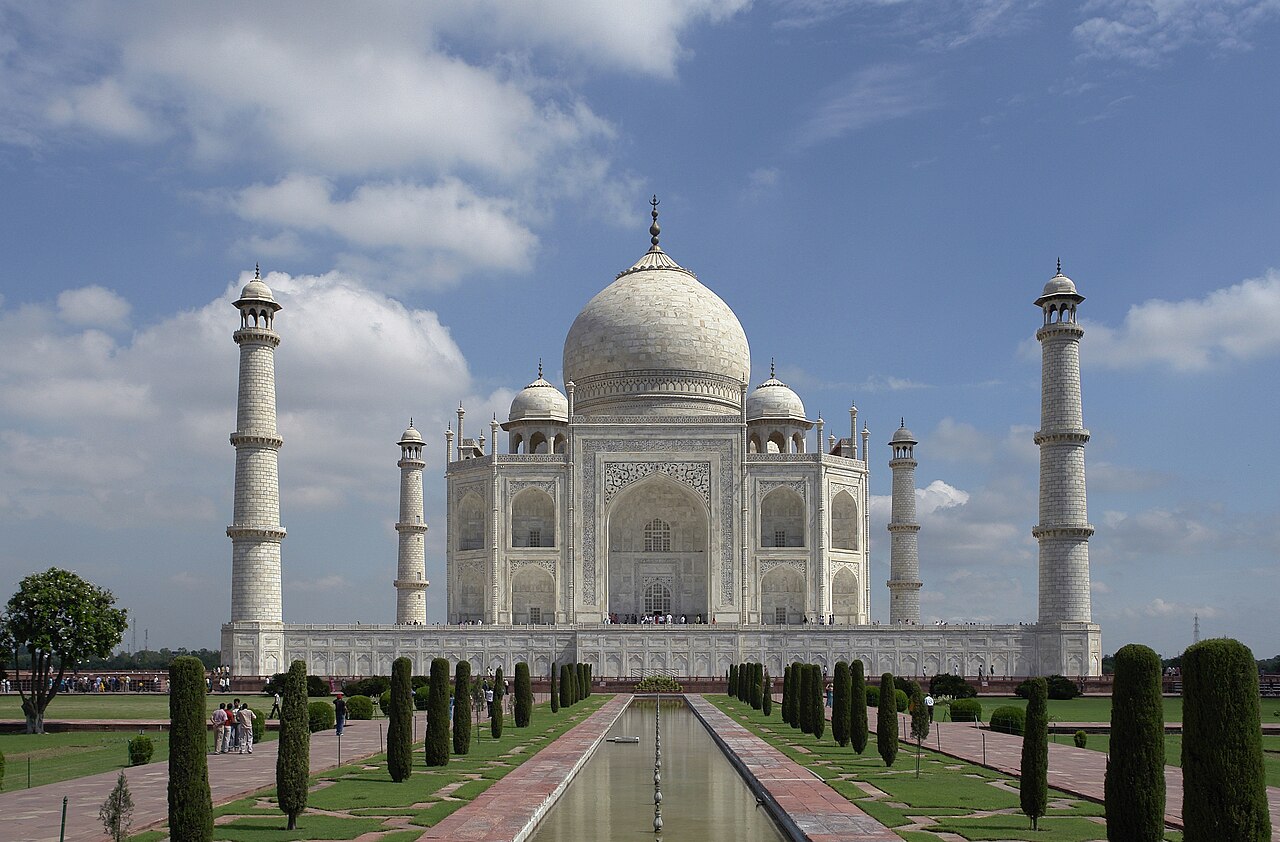
The classic central view along the pools is the image everyone wants, so take it quickly and then look for others. Frame the dome through the arches of the gateway, follow the lines of the pools and cypress-shaped hedges, and shoot the calligraphy and inlay on the walls. The mosque and guest house on either side give good red sandstone contrast. Photography is not allowed inside the main mausoleum chamber.
Rules and kit
Tripods, large bags and some equipment are restricted, drones are prohibited and security checks are thorough. Travel light with one camera and one or two lenses, or just a good phone. A wide lens suits the gardens, while a short telephoto helps with details. Carry a microfibre cloth and a spare battery, and check the current rules on the day, because they can change.
Across the river at Mehtab Bagh
The garden faces the Taj from the other bank of the Yamuna and gives a calm view with reflections on quiet days. Sunset here is excellent, and the crowds are small. Bring a zoom lens and arrive early to find a good spot. A guided photography tour can help with angles and timing and sometimes includes portraits.
Beyond the Taj
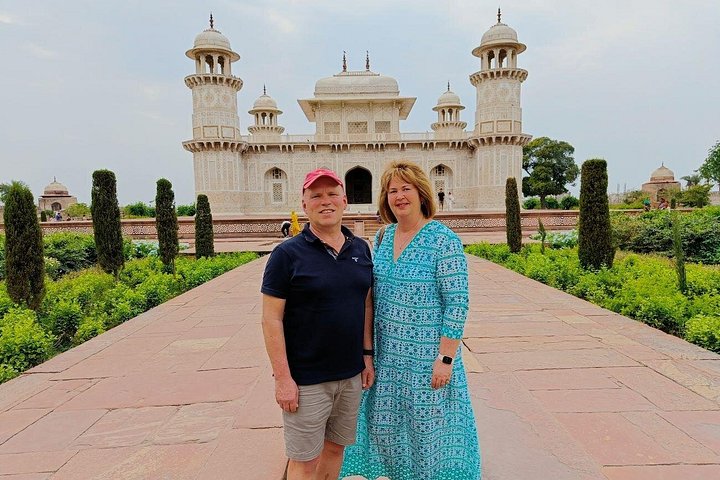
The Baby Taj offers delicate inlay and soft garden light, Agra Fort has arches, terraces and views of the Taj in the distance, and Fatehpur Sikri provides huge courtyards and red sandstone in dramatic skies. Akbar's Tomb has gateways and deer wandering the gardens. For human subjects, the old city lanes, the marble inlay workshops and the bazaars around the Jama Masjid are full of faces, colour and texture.
Etiquette with people
Always ask before photographing someone, especially in temples, mosques and homes. A smile and a gesture go a long way, and showing the picture on your screen builds goodwill. Do not photograph military or security installations, and avoid giving money to children who pose. If you take portraits of artisans, consider buying something from them or giving a tip to thank them for their time.
A simple shot list
Start with the Taj at first light from the central platform, then move to details of the inlay and calligraphy, a frame through an arch, and a quiet shot of the mosque. In the afternoon, visit Agra Fort for the view toward the Taj, then finish at Mehtab Bagh at sunset. Add a street scene from the old city, an artisan at work and a food stall in the evening for a full picture of Agra.
Planning around the calendar
The Taj is closed on Fridays, so use that day for the fort, the Baby Taj or a day trip. Check the moon phase if you want a night viewing, and avoid public holidays and weekends if you can, as crowds swell. Build in time for the light to change, be patient with the weather and enjoy the process as much as the results.
Editing and sharing
Keep your best frames and delete the repeats, because Agra produces hundreds of similar shots. A gentle edit that preserves the warm marble tones is better than heavy filters, and a caption with the time of day and the viewpoint will help you remember where each picture was taken. If you shoot portraits, send copies to the people you photographed where you can, as it is a lovely gesture and often becomes the best part of the trip.