Ahmedabad is one of the great food cities of India, and almost all of it is vegetarian. Gujarati cuisine is subtle, sweet, sour and lightly spiced, built on lentils, gram flour, yoghurt, jaggery and seasonal vegetables. It reflects the city's Jain and Vaishnav traditions, its merchant history and a love of snacks that borders on devotion. You do not need a restaurant booking to eat well here: some of the best food is served from stalls and small shops that have fed the same neighbourhood for generations.
Breakfast
On weekend mornings, the city eats fafda and jalebi: crisp gram-flour strips served with a papaya chutney and fried green chilli, alongside warm, syrupy jalebi. Other breakfast favourites include thepla, soft spiced flatbreads eaten with yoghurt and pickle, khakhra, thin crisp crackers, and poha, flattened rice with peanuts and lemon. Masala chai accompanies everything.
Snacks, or farsan
Gujarat's snack tradition is vast. Khaman and dhokla are soft, steamed gram-flour cakes with a sweet-sour tempering. Khandvi are delicate rolls of gram flour with mustard seeds and coconut. Handvo is a savoury baked lentil cake. Muthiya are steamed dumplings, and ganthiya are crisp fried strips eaten with chutney. Try them fresh from the counter, when they are at their best.
The thali
A Gujarati thali is a set meal served on a large steel plate with small bowls and unlimited refills. Expect dal, kadhi, a vegetable or two, rotli or puri, rice, farsan, pickles and sweets, all in careful balance. The flavour leans sweet, though many modern restaurants adjust the sugar. Traditional restaurants and heritage houses serve thalis in courses, with staff circulating to top up your plate. It is worth doing at least once, preferably at lunch.
Street food
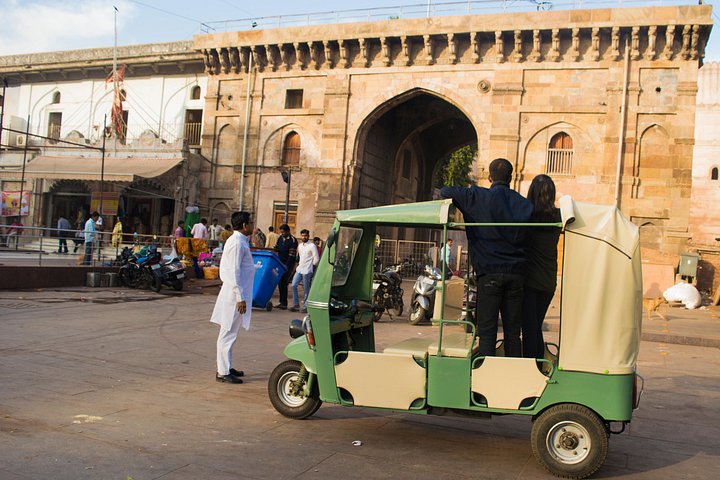
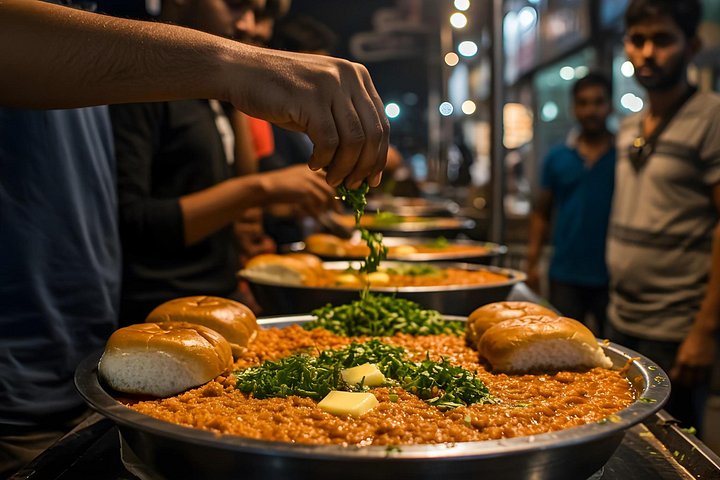
The best-known street-food scene is at Manek Chowk, where the market square turns into an open-air restaurant after dark. Try pav bhaji, dosa, dabeli, bhel and the local invention of chocolate sandwiches. Law Garden is another famous night-time food and craft area. Choose busy stalls, eat food that is cooked in front of you and avoid ice if you have a sensitive stomach.
Sweets
Gujarati sweets range from mohanthal, a rich gram-flour fudge, to ghari, a ghee-rich pastry eaten at festivals, to shrikhand, a sweet strained yoghurt flavoured with saffron and cardamom. Jalebi is eaten year-round, and kites season in January brings sweets made with sesame and jaggery, such as chikki.
Seasonal specialities
In winter, look for undhiyu, a mixed-vegetable dish cooked slowly with spices, eaten around Uttarayan, the kite festival. In summer, mango season brings aamras, a thick mango pulp served with puri. Monsoon means hot bhajiya, fried fritters, with tea.
Jain and dietary needs
Many restaurants cater to Jain diets, which exclude onion, garlic and root vegetables, and vegetarians are very well served. Vegans should ask about ghee, butter and dairy, which appear often. Gluten, nut and other allergies should be explained clearly to staff, ideally in writing or with the help of a guide.
Drinks
Gujarat is a dry state, so alcohol is not served in most places. Instead, drink chai, chaas (spiced buttermilk), lassi, fresh sugarcane juice and fresh lime soda. Stick to bottled or filtered water.
Etiquette and tips
Eat with your right hand when eating Indian bread and finger food. Do not waste food on your plate. Ask for less sugar or less spice if you prefer, and tip a few percent in restaurants. A guided food walk is the best way to taste a lot in a short time, and your guide can explain what you are eating.
Where to eat well
Heritage houses in the old city serve set thalis in beautiful settings, while family-run restaurants across the city offer simpler, cheaper versions that locals love. For snacks, look for shops with a crowd and a constantly frying kitchen, which is usually a sign of quality. Sweet shops often sell by weight, so ask for a small amount to taste. Food tours remove the guesswork and help with ordering, while cooking classes in family homes teach you how to recreate favourites such as thepla, kadhi and dhokla back home.
Stomach care
Start gently if your stomach is unused to spice and oil, carry basic medication and drink plenty of safe water. Fresh, hot, well-cooked food is generally the safest, and the high turnover at popular stalls helps.