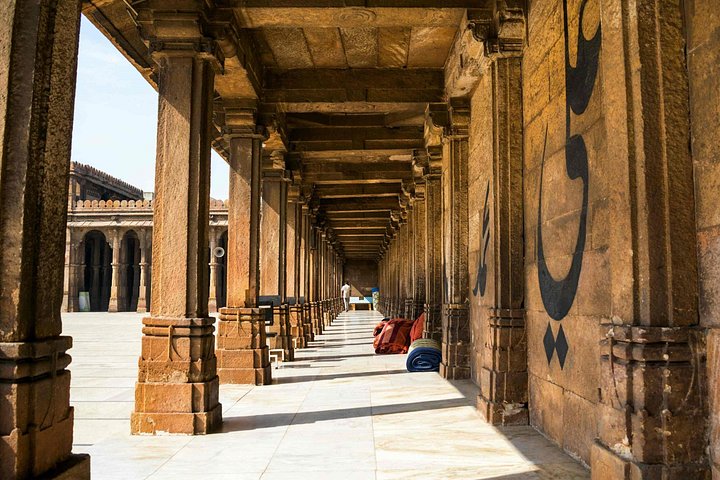
Three days is the sweet spot for Ahmedabad. It gives you time for the walled city and its food, the Gandhi sites and museums, and a day trip to the stepwells and temples that make Gujarat famous. The pace below is unhurried, with long breaks for the heat, and you can swap days around depending on closing days and the weather.
Day one: the walled city
Start early with a guided heritage walk through the pols, ideally beginning near the Swaminarayan temple at Kalupur. By mid-morning you will reach the Jama Masjid and the lanes around Manek Chowk, then the Sidi Saiyyed Mosque with its tree-pattern windows. Break for a Gujarati thali lunch in a heritage house, then rest in the hottest part of the afternoon. At about five, return to the old city for the golden hour, a rickshaw ride past Bhadra Fort and Teen Darwaza, and dinner at the Manek Chowk street-food square.
Day two: Gandhi, textiles and the riverfront
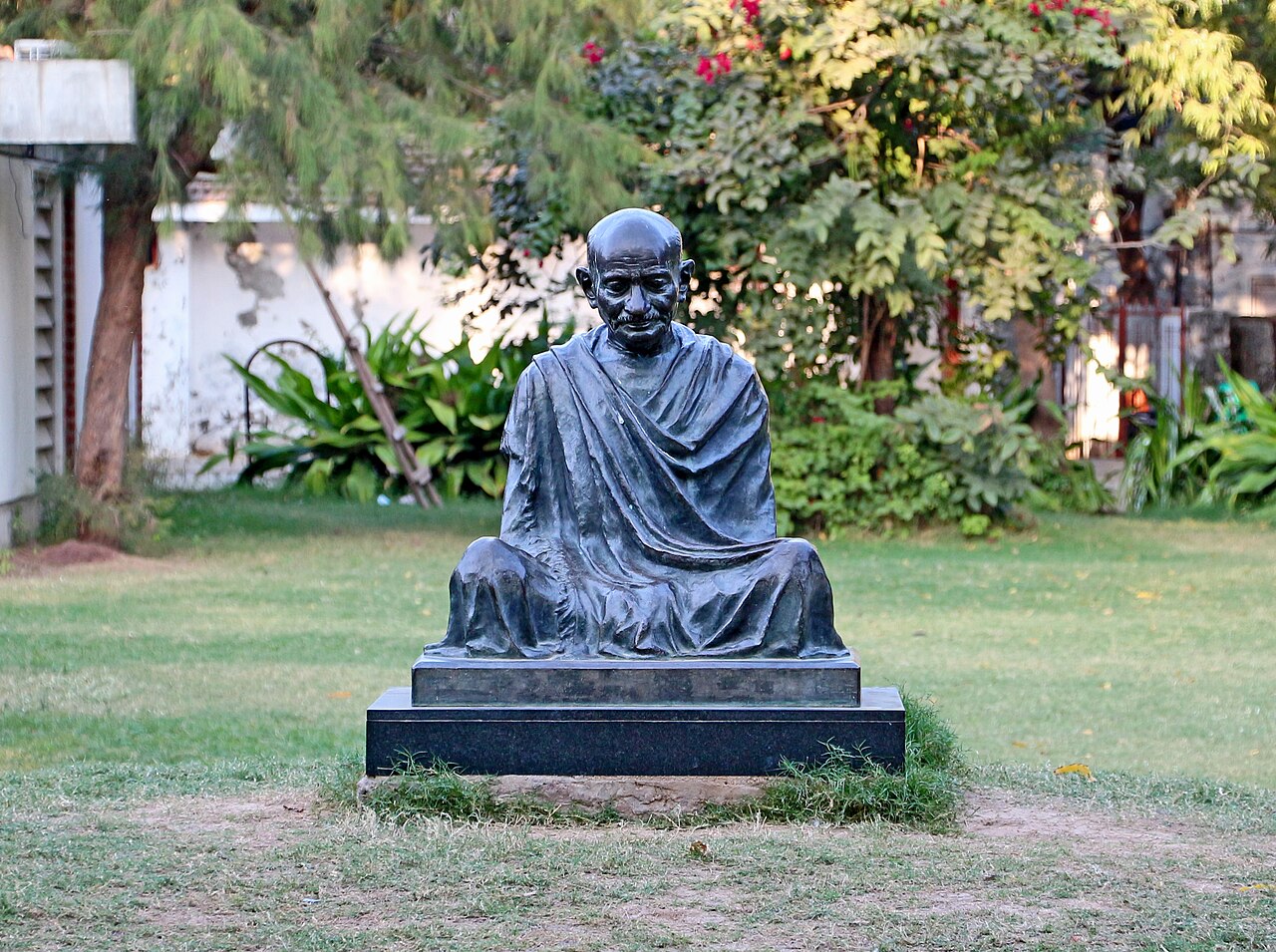
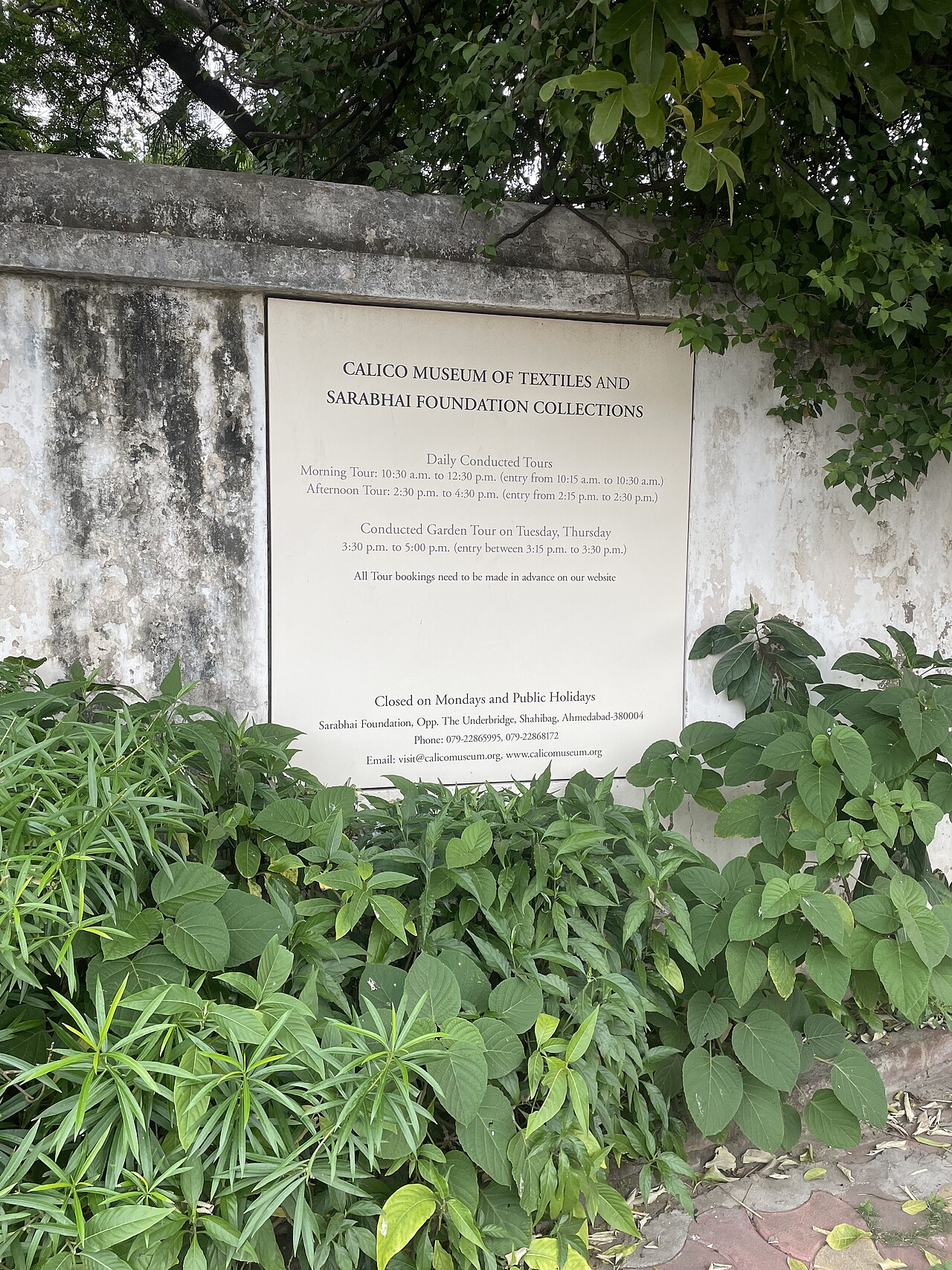
Begin at Sabarmati Ashram while it is quiet, walking Gandhi's paths and visiting the museum. Follow with a late-morning guided tour at the Calico Museum of Textiles, booked in advance, which is a highlight for anyone who likes cloth, craft and design. After lunch, visit Sarkhej Roza for its tombs and tank, and the utensils museum if you have energy. Finish with a stroll along the riverfront as the sun sets, then dinner on Ashram Road or at a traditional restaurant.
Day three: a stepwell day trip
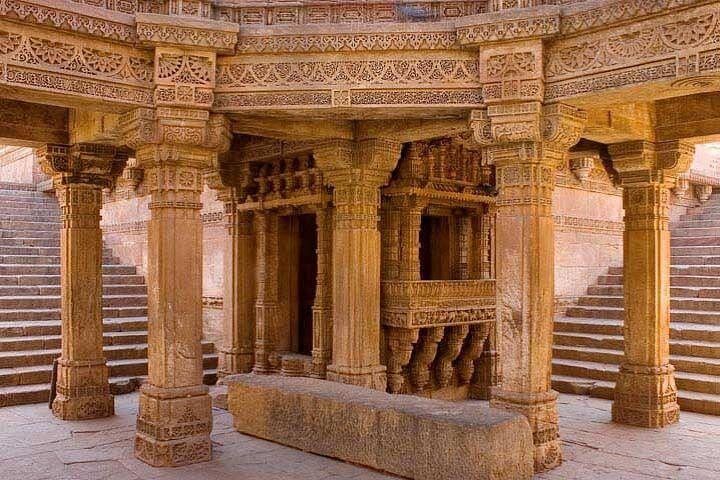
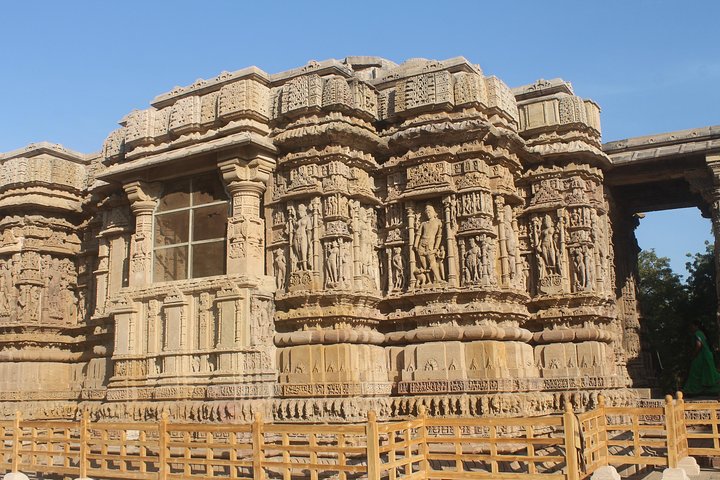
For the best return on time, choose either Adalaj or the long Patan and Modhera circuit. If you prefer a short day, go to Adalaj Stepwell in the morning, add the Gandhinagar temples and be back for a late lunch. If you want the full experience, leave at dawn for Rani ki Vav and the Sun Temple at Modhera, with a stop at a patola weaving workshop in Patan, and return after dark. Both options give you a chance to see the stone carving that makes this region special.
If you have a fourth day
Lothal and Nal Sarovar make an easy combination, with ancient dockyards and flamingos in winter. The Little Rann of Kutch safari is another excellent choice for wildlife lovers. Champaner-Pavagadh offers an uncrowded UNESCO site, and the Statue of Unity suits those who want a modern landmark.
What to book
Reserve the Calico Museum tour and any guided walks or day trips ahead. Ask your hotel to arrange a car and driver for the stepwell day, because distances are long and public transport is slow. If you want a food tour, book it for day one or two so you can use the food knowledge on the rest of your trip.
Where to eat
For breakfast, look for fafda and jalebi on a weekend morning. For lunch, a thali in a traditional restaurant is an experience in itself, with unlimited helpings brought to your table. For dinner, the street food of Manek Chowk or a restaurant on Sindhu Bhavan Road gives you old and new Ahmedabad on consecutive nights.
Pacing and practicalities
The heat, traffic and sensory overload can be tiring, so build in a midday rest at your hotel. Carry water, a hat and a scarf, and wear shoes that slip off easily. Keep a small amount of cash for tips, donations and street food. In the cooler months, evenings are comfortable for walking, while in summer sightseeing is best done before ten and after five.
Rainy-day and hot-day alternatives
If the weather is too hot or wet, swap an outdoor stop for the Calico Museum, a cooking class or a long thali lunch. Shopping at the Law Garden market or in the old city bazaars also works well in the evening.
Closing days
Many museums and monuments close one day a week, and some temples close in the middle of the day. Check opening hours with the tourism board before you go, and shift your days around the closures.
Where to stay
A haveli in the old city makes day one effortless, while a hotel on the west bank is easier for day trips. See our guide to where to stay for a full comparison.
A sample daily rhythm
Breakfast at eight, out the door by half past, back at the hotel for a rest between one and four, then out again until the evening meal. This pattern matches the heat, the opening hours of many sights and the way the city itself lives, with markets busiest in the early evening. It also leaves room for a spontaneous tea stop or a long conversation with a shopkeeper, which is often what visitors remember most.