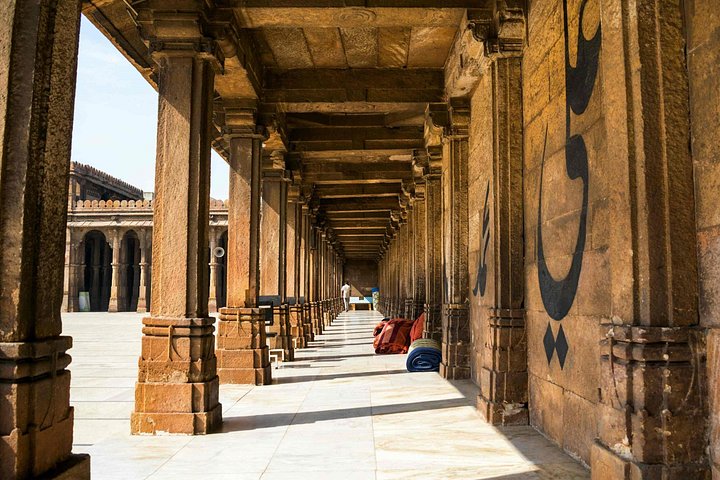
Ahmedabad is one of India's most rewarding and least overrated cities. It was founded in 1411 by Sultan Ahmad Shah, grew rich on cloth and trade, gave the world Gandhi's Sabarmati Ashram and in 2017 became India's first UNESCO World Heritage City. Yet it is still seen by many travellers as a stopover on the way to Rajasthan or Kutch. That is their loss. A few days here reveal carved timber houses in gated lanes, mosques with lace-like stone windows, world-class museums, a thriving street-food scene and some of the finest stepwells in the country, all at a fraction of the crowds you will find in Delhi or Jaipur.
How many days
Two full days cover the essentials in the city itself: one for the walled city and its food, one for Sabarmati Ashram, the Calico Museum and the riverfront. Three or four days allow you to add one or two day trips to Adalaj, Patan and Modhera, or Lothal and Nal Sarovar. A week lets you reach the Little Rann of Kutch, Champaner or the Statue of Unity at a relaxed pace, and a longer trip can continue to Kutch or Saurashtra.
The old city first
Start with a guided heritage walk early in the morning, when the pols are quiet and the light is gentle. You will learn how the gated housing clusters worked, see the bird-feeding towers and carved doorways, and end up near the Jama Masjid and Manek Chowk. Add a visit to the Sidi Saiyyed Mosque with its famous stone windows, and consider a rickshaw tour to cover more ground. Return in the evening for street food at Manek Chowk, where the market square turns into one big open-air restaurant.
Gandhi and the museums
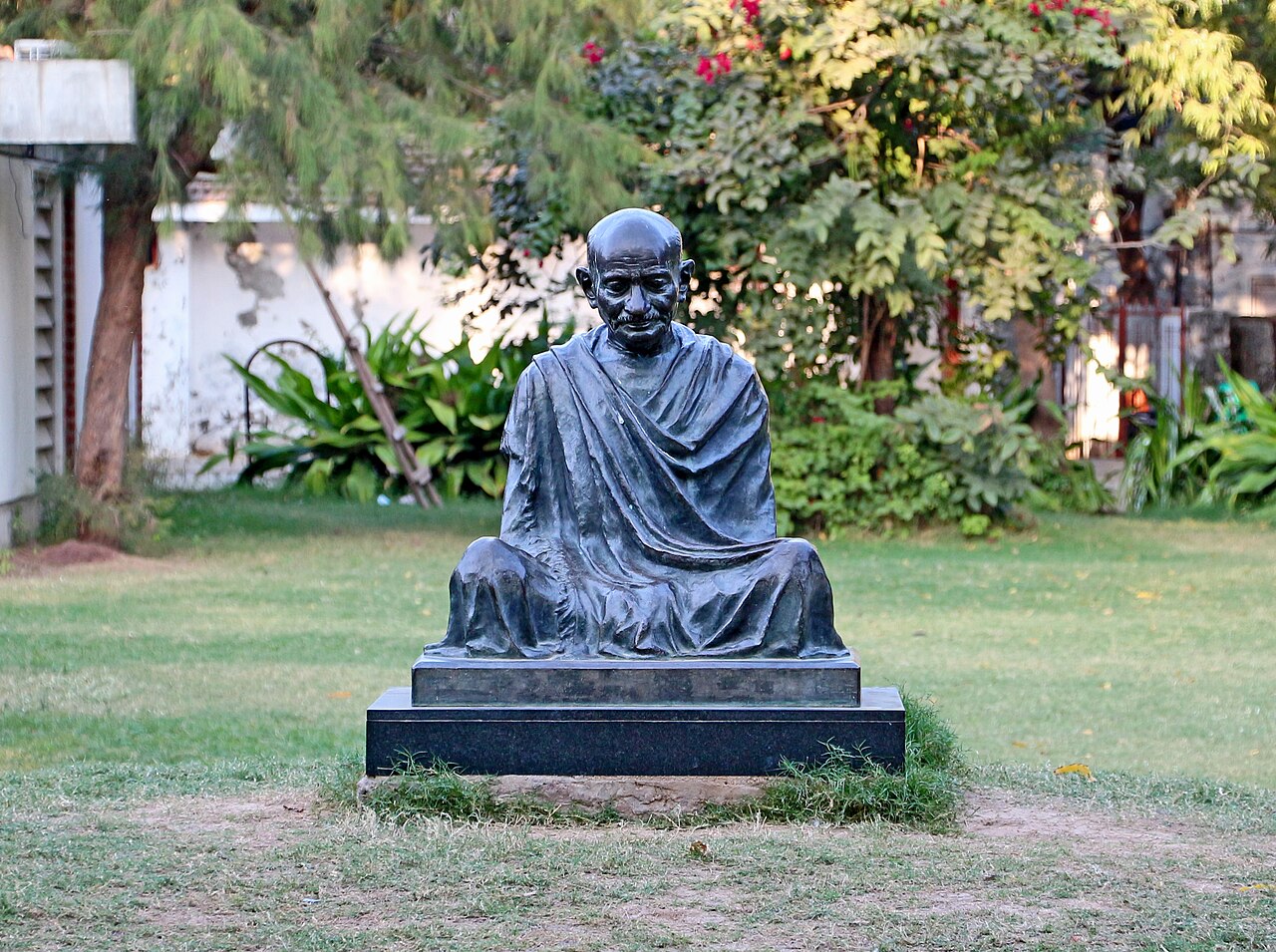
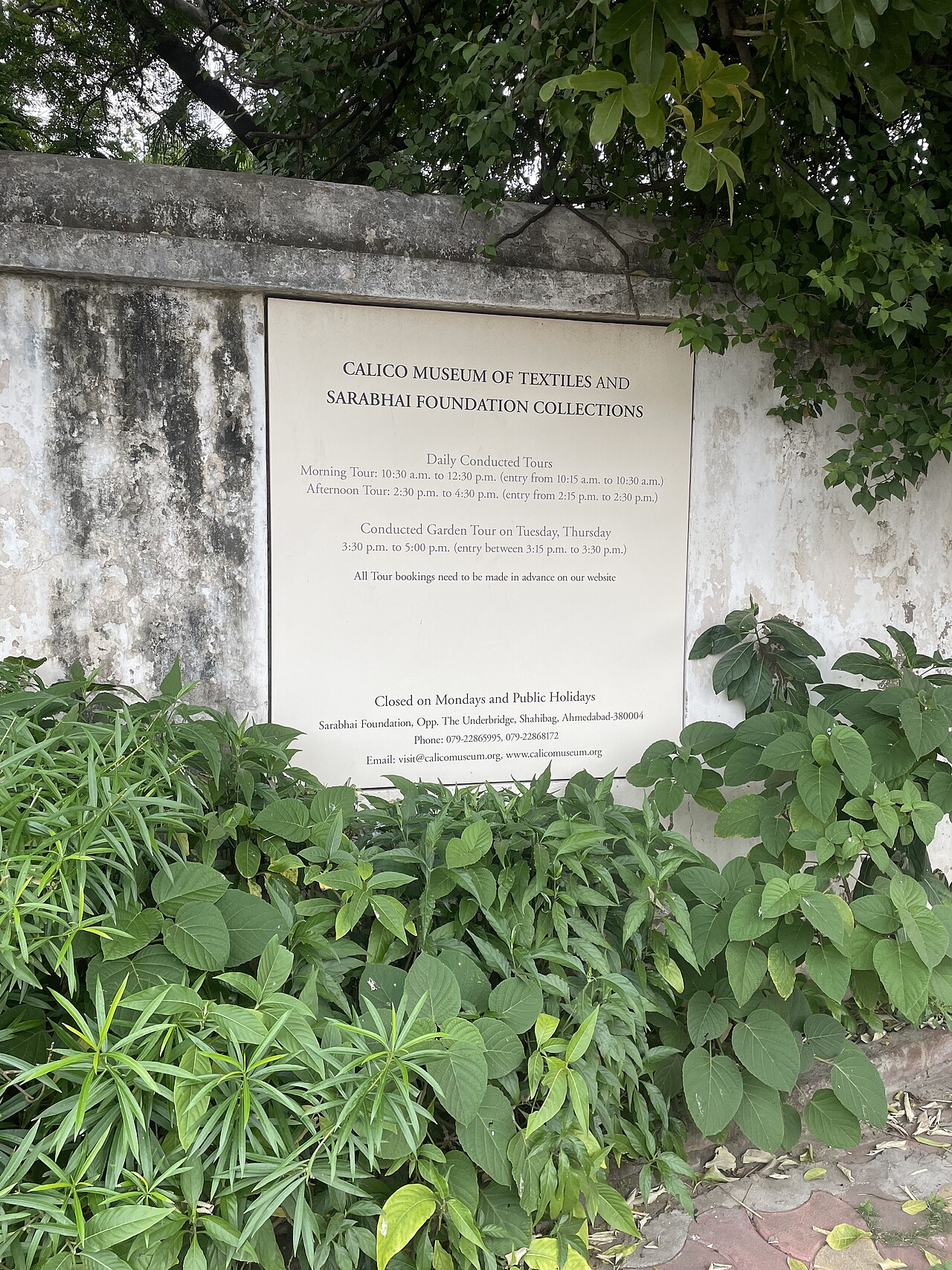
Sabarmati Ashram is free to enter and lets you walk the paths Gandhi walked, see his cottage and read about the Salt March. Book ahead for the Calico Museum of Textiles, which runs guided tours in small groups and is one of the finest textile museums in the world. Sarkhej Roza, with its royal tombs and lake, and the Vishalla Utensils Museum make a quiet half-day on the edge of the city.
Stepwells and temples
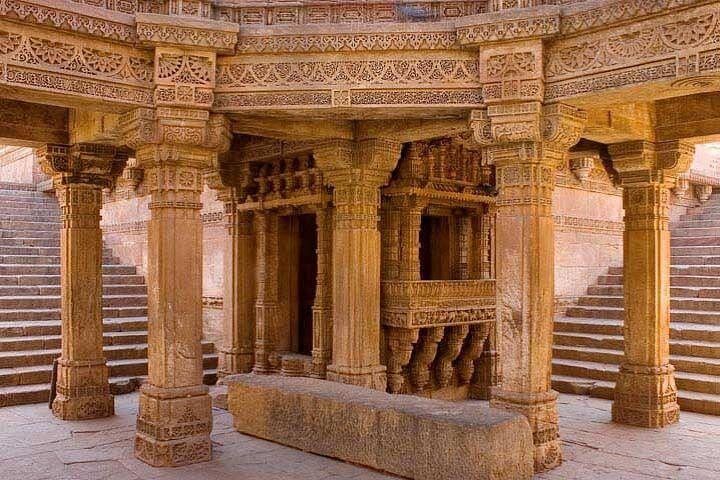
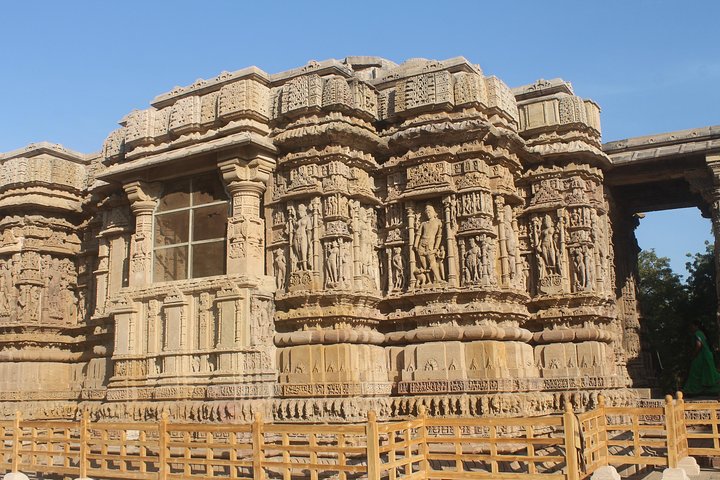
Adalaj is the easiest stepwell, about twenty kilometres north, and fits into a half day. Rani ki Vav in Patan, a UNESCO site with astonishingly detailed carving, and the Sun Temple at Modhera form a long but unforgettable day trip. In the city, the Swaminarayan temple at Kalupur and the Hutheesing Jain Temple show different faces of the region's faiths.
Getting around
Auto-rickshaws and ride-hailing cars are the easiest ways to move around Ahmedabad. Ride-hailing apps work well and take much of the haggling out of fares. For day trips, hiring a car with a driver is far more comfortable than public transport, and your hotel can arrange it. The city's bus rapid transit and the metro serve some corridors, but for sightseeing a car or rickshaw is simpler. Traffic can be heavy at rush hours, so allow extra time, and avoid planning too many stops in one day.
What to book ahead
Reserve a guided heritage walk, the Calico Museum tour and any day trips you care about. If you want a haveli stay in the old city, book early for the winter high season. Food tours and thali restaurants such as those in heritage houses can fill up, so reserve a table if you have your heart set on one.
Food and drink
Gujarat is largely vegetarian and the cuisine is sweet, sour and gently spiced. Try fafda and jalebi for breakfast, khaman and dhokla as snacks, a full thali for lunch, and chai whenever it is offered. Gujarat is a dry state, so expect no alcohol in most places; lassi, chaas and fresh juices fill the gap.
Dress and etiquette
Modest clothing is appreciated everywhere and required at mosques and temples. Carry a scarf, wear shoes that slip off easily, and ask before photographing people. Remove shoes before entering religious buildings, and avoid pointing your feet at shrines. In the old city, greet people politely and expect curiosity; most are friendly and glad to help.
When to go
The cooler months from October to March are the most comfortable. Summer is extremely hot, and the monsoon brings humidity and occasional flooding. Plan your most active sightseeing for mornings and late afternoons in any season.
Health and safety
Drink bottled or filtered water, choose busy food stalls and carry hand sanitiser. Keep valuables close in crowded markets, and use licensed taxis or apps late at night. Check your government's current travel advice before you go, and take out comprehensive travel insurance.